The study, published in Current Biology, reports that pumas on Washington’s Olympic Peninsula shift deer behavior—reducing nocturnal activity and road use—and that these shifts are linked to markedly fewer vehicle collisions. Researchers cite a 76% drop in the number of deer‑vehicle collisions, a 67% reduction in collision likelihood, and a 15% decrease in deer proximity to roads. Authors frame this as an ecosystem service offered by large predators that can improve road safety for people.
Pumas Make Roads Safer: Study Finds Up to 76% Drop in Deer‑Vehicle Collisions on Washington’s Olympic Peninsula
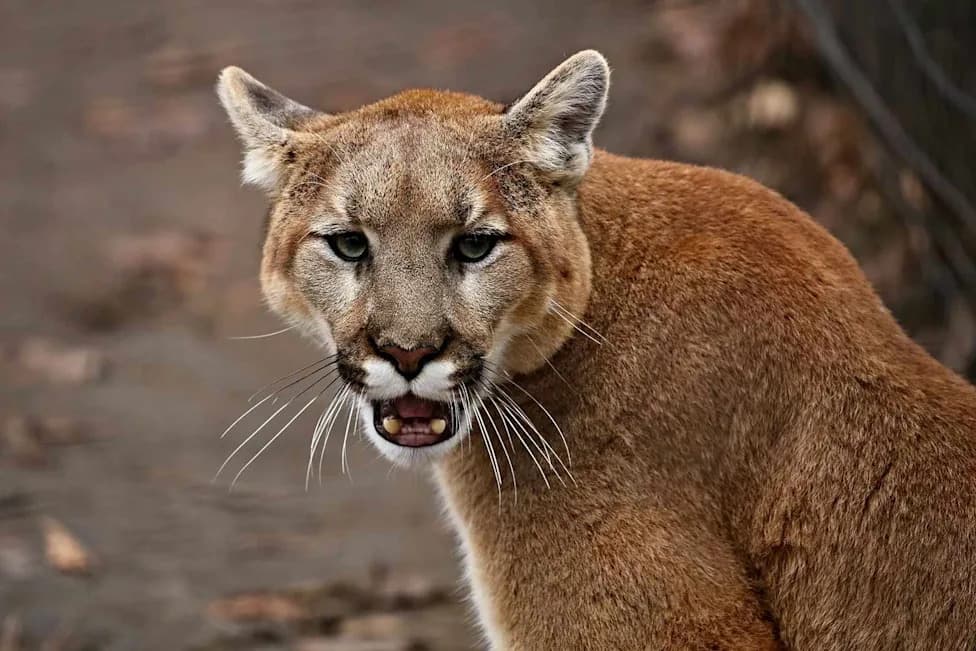
Stock image of a pumaCredit: Getty
A new study published in Current Biology finds that pumas (also called cougars or mountain lions) are indirectly reducing vehicle collisions with deer on Washington State’s Olympic Peninsula by changing deer behavior and space use.
Researchers report that where pumas are present, deer reduce nocturnal activity and shift toward daytime movement, and they spend less time near roadways. These behavioral changes are associated with substantial reductions in crashes: the team cites a 76% reduction in the number of deer‑vehicle collisions and a 67% reduction in the likelihood of a deer‑vehicle collision, while deer were about 15% less likely to be found near roads in puma areas.
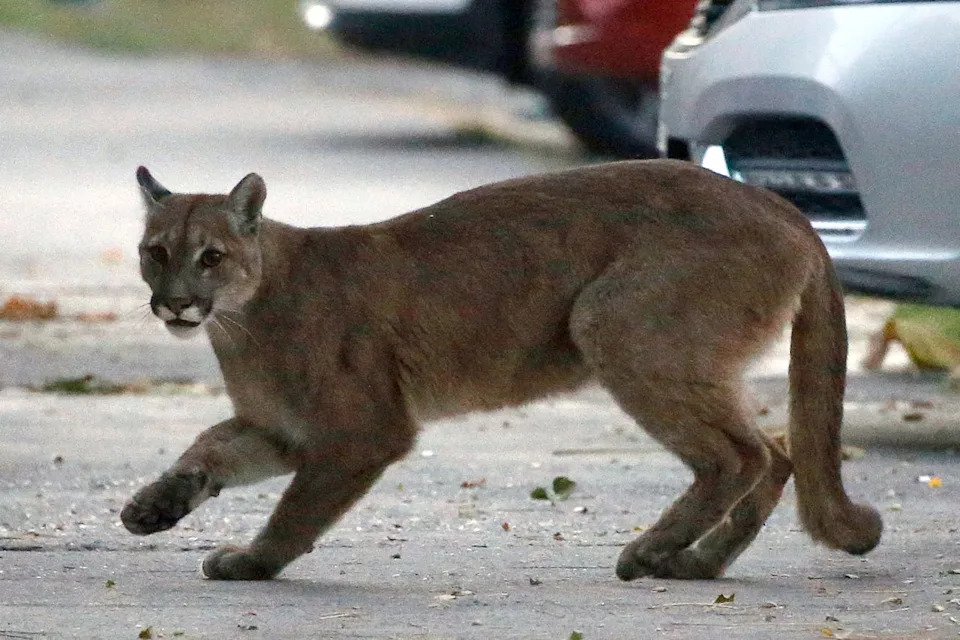
Puma in RoadCredit: ANDRES PINA/ATON CHILE/AFP via Getty
How Predators Change Risk
Lead author Justin Suraci of Conservation Science Partners explains that pumas alter prey behavior in ways that reduce overlap between deer activity and traffic, particularly at night when collisions are most dangerous. "Deer shift activity toward daylight hours where pumas are present," the paper states, and the researchers describe these effects as an ecosystem service that large predators provide to human communities.
"Puma presence leads to a 76% reduction in the number of deer‑vehicle collisions," Justin Suraci said in the study's press materials.
The study combined observations of deer movement and space use with road‑collision records across the Olympic Peninsula to quantify how predator presence correlates with crash outcomes. The authors emphasize that the results describe strong associations between puma presence and reduced collision risk rather than a simple one‑step cause‑and‑effect claim.
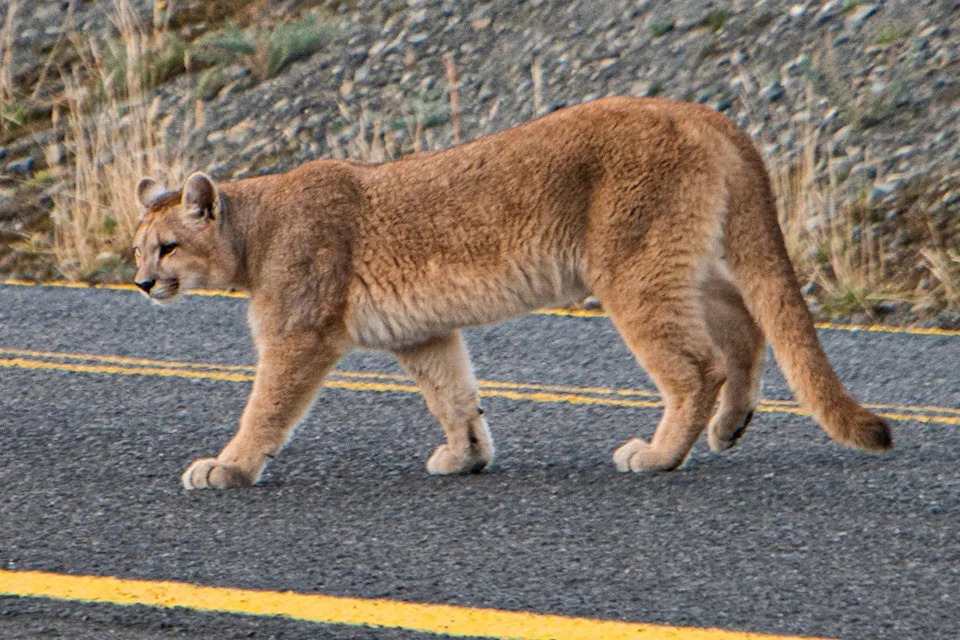
Puma crossing the roadCredit: Getty
Why This Matters
Beyond wildlife conservation, the findings suggest that maintaining healthy populations of large carnivores can have practical benefits for people—reducing vehicle damage, human injuries, and wildlife mortality on roads. As Mark Elbroch of Panthera noted in the release, discussions about pumas often emphasize risks but tend to overlook the many ways these predators benefit human communities.
Source: Current Biology (published Aug. 5). For comment, PEOPLE reached out to the study authors.
Help us improve.