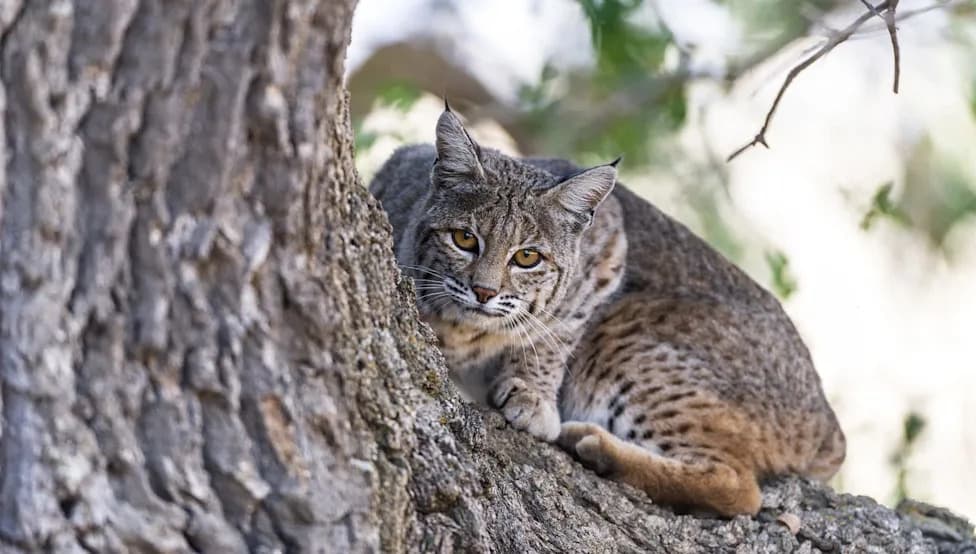
The California Department of Fish and Wildlife released a 140-page report estimating about 62,000 bobcats statewide and identifying vehicle collisions as the primary cause of bobcat deaths. The study, conducted under Assembly Bill 1254, used GPS collars, camera traps and fecal DNA analysis. Other threats include gunshot wounds and poisoning from anticoagulant rodenticides. New wildlife overpasses—such as the SR 97 bridge in Siskiyou County and the Wallis Annenberg Crossing—are highlighted as key solutions to reduce fatalities and restore habitat connectivity.
Humans Drive Bobcat Deaths in California — Can Wildlife Crossings Turn the Tide?
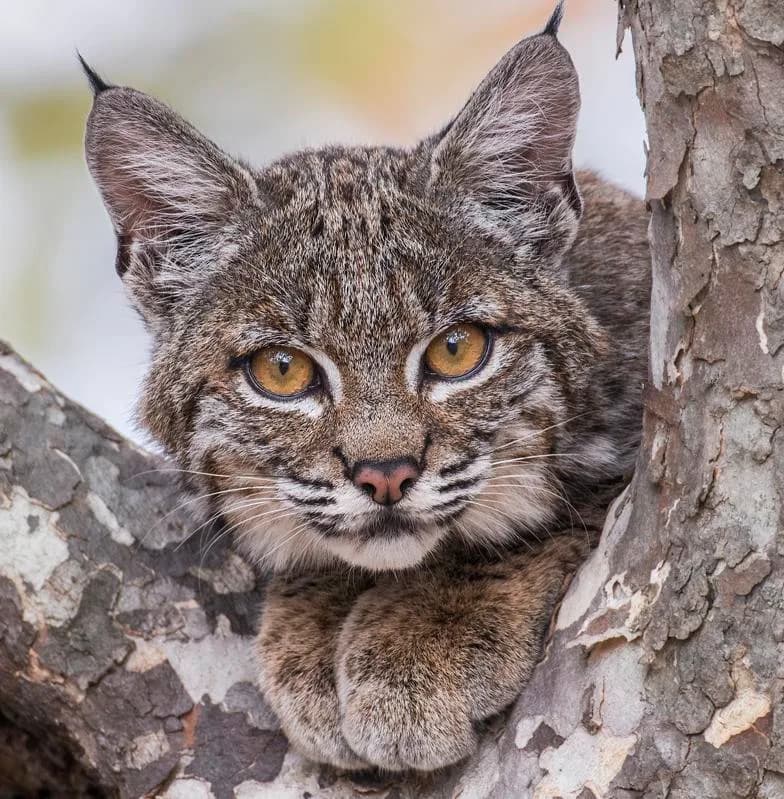
Close-up of a young bobcat in tree in California.getty
A major new report from the California Department of Fish and Wildlife (CDFW) finds that vehicle collisions are the leading cause of death for bobcats in the state, underscoring the urgent need for more wildlife-safe crossings, better coexistence strategies, and reduced exposure to toxic poisons.
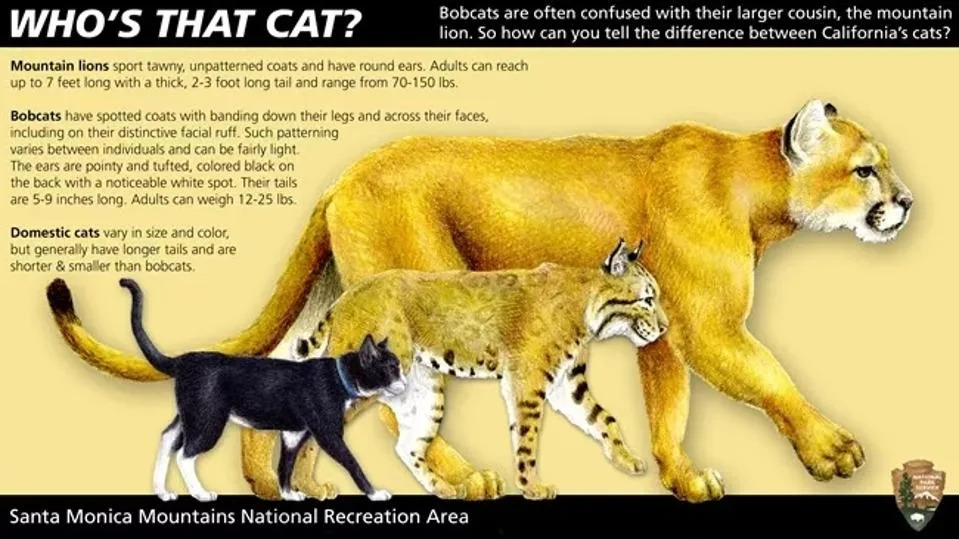
Drawing of a bobcat in the center to show the difference in size between a domestic cat and a mountain lion.
Key Findings From the CDFW Report
The 140-page California Bobcat Population Monitoring Project Report of Findings, completed after years of study, was prepared to meet legislative requirements of Assembly Bill 1254 (enacted October 2019), which largely prohibits hunting, trapping, or otherwise killing bobcats except in limited circumstances. The report estimates about 62,000 bobcats statewide, with populations largely absent only from major urban centers and the Central Valley agricultural belt.
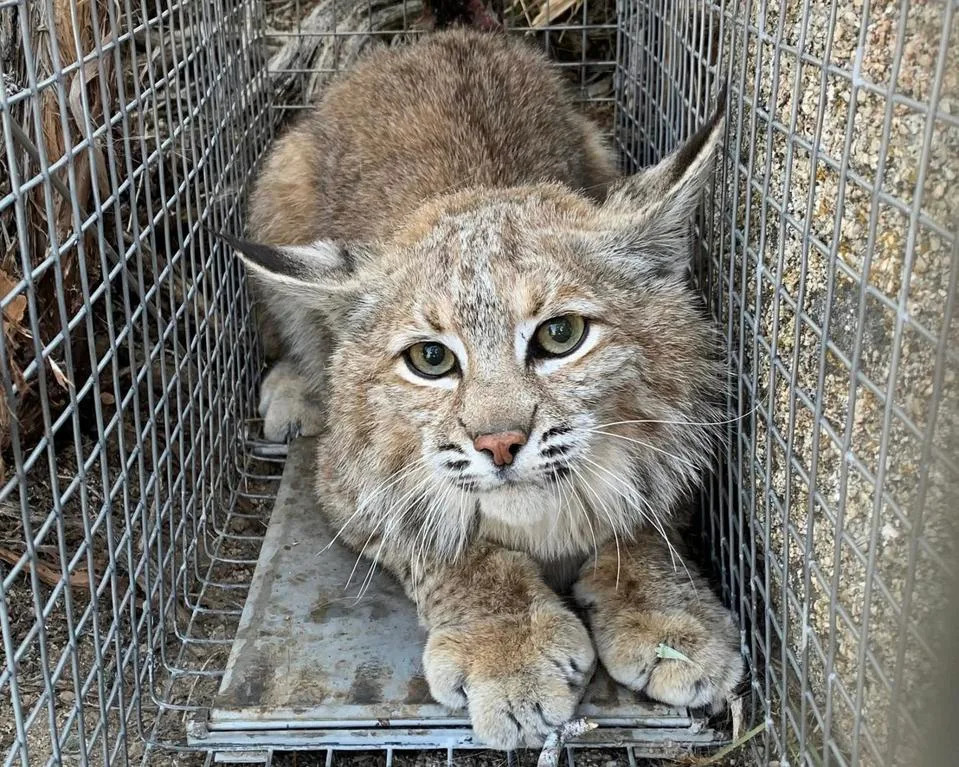
A bobcat is trapped by the California Department of Fish and Wildlife.
Researchers used a suite of modern methods to reach those conclusions, including GPS satellite collars, camera traps, fecal DNA analysis and systematic examination of carcasses. Those combined approaches provided a more complete picture of bobcat distribution, mortality sources, and movement across landscapes fragmented by roads and development.
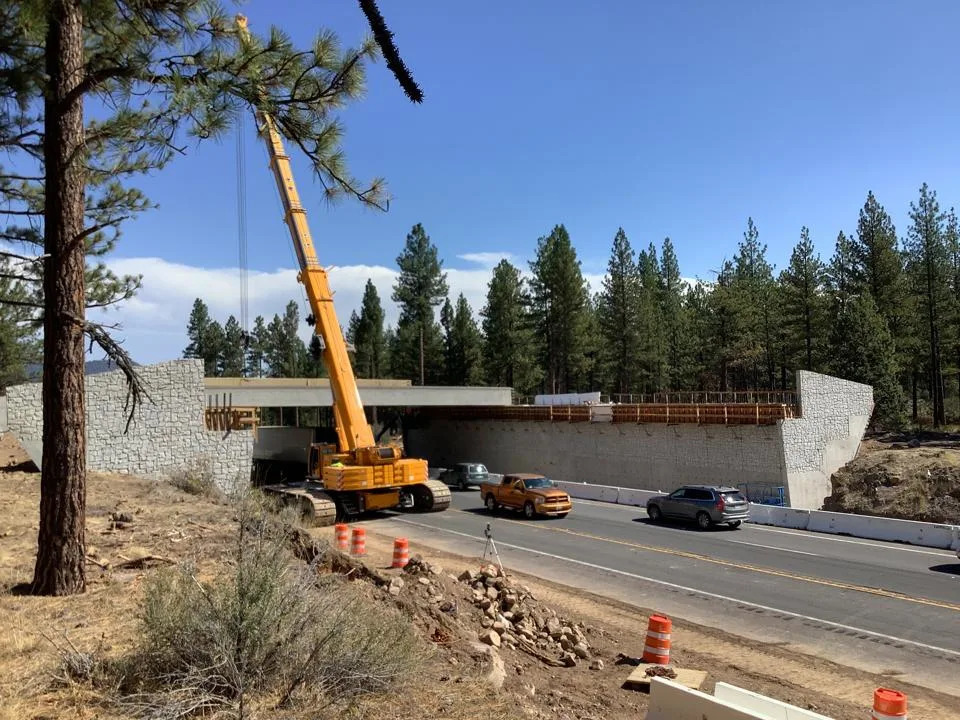
Wildlife overcrossing construction at SR 97 in Siskiyou County, Calif.
Primary Threats Identified
The report identifies trauma from vehicle strikes as the number-one cause of death for bobcats in California. Other documented threats include gunshot wounds, attacks from other animals, and poisoning from pest-control chemicals such as anticoagulant rodenticides. While bobcats generally avoid people, they can pose a risk to small pets, chickens and other domestic animals when ranges overlap with human activity.
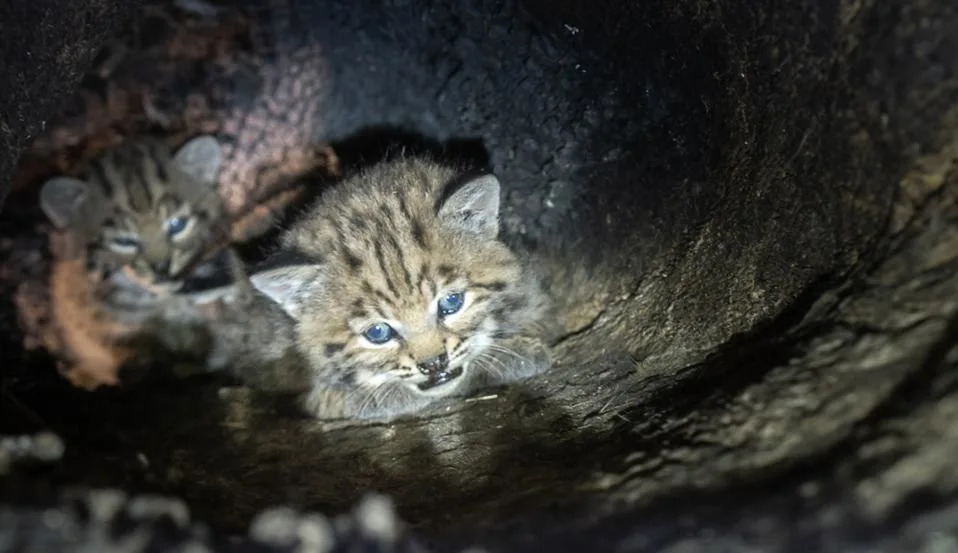
Bobcat kittens found in an oak tree cavity in the Santa Monica Mountains in California.
In areas with few predators, prey species can overpopulate, straining food resources and increasing disease and starvation. Predators like the bobcat help maintain ecological balance by controlling these consumer populations.
Natural History And Vulnerabilities
Bobcats are primarily nocturnal, adaptable carnivores that can occupy a wide range of terrestrial habitats across the state. Adults typically weigh 17–25 pounds and are two to three times the size of a domestic cat but only about one-quarter the size of a mountain lion. Life expectancy ranges from roughly 3–10 years in the wild and can extend up to about 25 years in captivity. Natural predators of adults include coyotes, mountain lions and humans; juveniles face additional threats from raptors, foxes, raccoons and other carnivores.
Solutions: Wildlife Crossings And Coexistence
To reduce road mortality and reconnect fragmented habitat, California is expanding wildlife crossing infrastructure. The state's first major overpass above U.S. 97 in Siskiyou County—a single-span bridge roughly 100 feet long by 140 feet wide—has already begun to attract bobcats, mule deer and other species. In Southern California, the Wallis Annenberg Wildlife Crossing over U.S. 101 is scheduled to open to wildlife on Dec. 2, providing a critical link for bobcats, mountain lions, deer, coyotes and more.
The report recommends continued monitoring of human–bobcat interactions and proactive measures to enable coexistence, especially around domestic animals and livestock. Practical steps include securing poultry and pets, reducing access to rodenticide baits, and designing landscapes and road systems that minimize conflict.
What This Means
California's combined strategy—legal protections under Assembly Bill 1254, ongoing population monitoring, and investments in wildlife crossings—aims to reduce bobcat fatalities, reconnect habitat, and support the ecological role of bobcats as mid- to top-level predators. Reducing road mortality and chemical exposure will benefit both wildlife and people by lowering collision risks and helping preserve balanced ecosystems.
Help us improve.