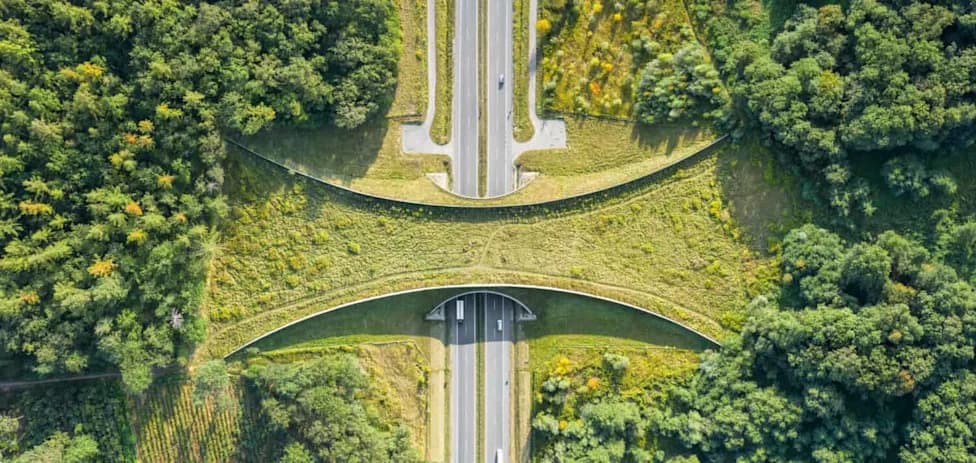
The Snoqualmie Pass wildlife overpass on I-90 has reached 10,000 documented crossings, part of nearly 40,000 animal movements recorded across the area's over- and undercrossings since 2014. WSDOT and partners say the structures have dramatically reduced wildlife-vehicle collisions and associated costs, with carcass removals in the protected stretch dropping to nearly zero. Studies cited by The Pew Charitable Trusts show collision reductions of up to 97% for deer and elk, and WSDOT plans 15 more undercrossings and one overcrossing on Snoqualmie Pass East by 2031.
Washington’s Snoqualmie Pass Overpass Hits 10,000 Documented Wildlife Crossings
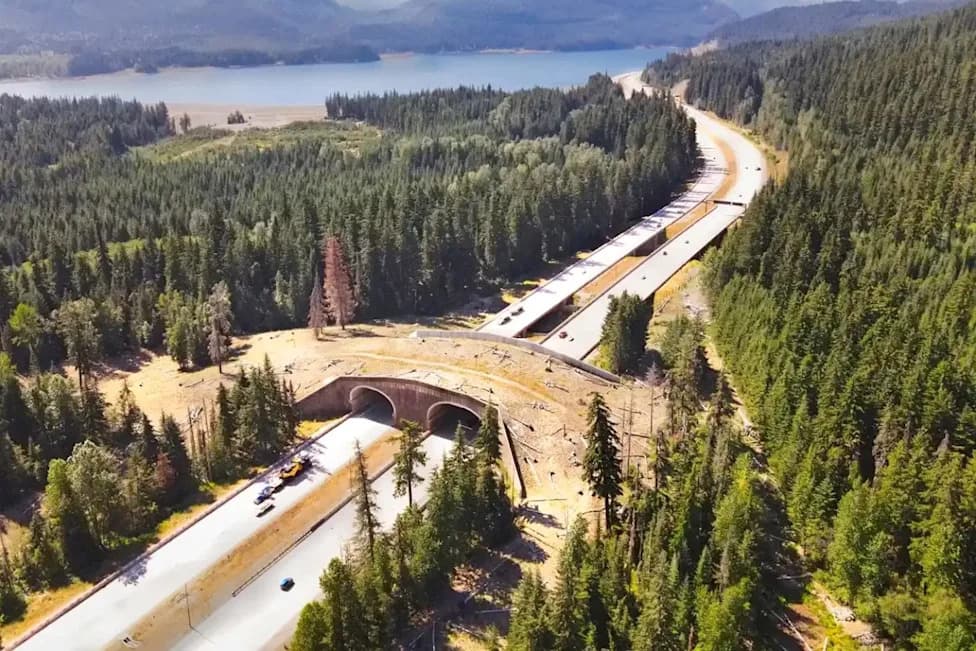
Photo Credit: Conservation Northwest
A wildlife overpass on Interstate 90 at Snoqualmie Pass has reached a major milestone: trail cameras have documented the 10,000th successful animal crossing on the overpass. The structure is part of a broader network of crossings—one overpass and 11 undercrossings—designed to reduce wildlife-vehicle collisions and restore habitat connectivity across the Cascades.
Milestone And Measurements
Since 2014, nearly 40,000 animal movements have been recorded across the I-90 Snoqualmie Pass crossing system, according to the Washington State Department of Transportation (WSDOT). In July, WSDOT highlighted the achievement on social media, noting the 10,000th documented crossing on the overpass itself.
Safety, Savings, And Ecology
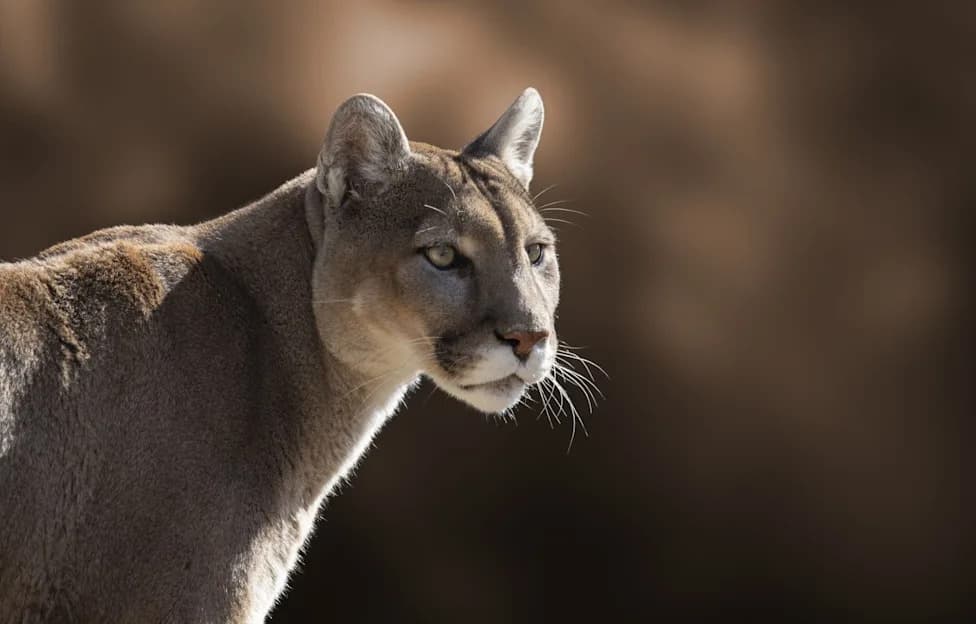
These crossings let deer, elk, moose, and other wildlife move safely above or beneath the highway, preventing collisions that can injure people, kill animals, and cause expensive vehicle damage. The Pew Charitable Trusts reports that properly designed overpasses can cut deer and elk collisions by up to 97%, and that combining overpasses, underpasses, and fencing can reduce crash rates by more than 90%.
WSDOT has tracked the broader impact on roadkill removal and motorist safety. Between 2019 and 2023 the agency removed 39,258 carcasses from state highways. In the specific stretch of I-90 at Snoqualmie Pass where the overcrossing and undercrossings exist, that number has fallen to nearly zero.
WSDOT said the crossings were built for multiple reasons: to allow wildlife to access their full ranges, strengthen genetic health by preventing population isolation, and to reduce collisions that impose large costs and safety risks.
Costs And Benefits
WSDOT reports average collision-cost estimates to underline the financial benefits: an average deer collision costs roughly $15,000 and an elk collision can reach about $54,000. A collision involving a moose can cost up to $110,000 when vehicle, injury, and wildlife costs are combined. Fewer crashes also mean fewer injuries, repair bills, and emergency responses, and a safer travel experience for motorists.
Local And Regional Impact
Conservation Northwest said the overcrossing has helped restore ecological connectivity between the North and South Cascades, allowing herds and solitary animals alike to move more safely through one of Washington state's most important corridors. The group added that the project's success strengthens the case for integrating transportation planning with habitat protection.
Expansion Plans And Global Examples
WSDOT plans to expand the network along Snoqualmie Pass East by adding 15 undercrossings and one additional overcrossing between now and 2031. The agency summarized its mission succinctly: keeping travelers connected whether by wheel, foot, paw, or hoof.
Similar projects around the world highlight the approach's effectiveness and growing popularity:
- Banff National Park, Alberta: Crossings help thousands of animals move safely each year and reduce collisions.
- Western Australia: One highway now sees about 75 animals per night using crossings once considered unnecessary.
- Massachusetts: Officials plan a large wildlife bridge over I-90 to reconnect fragmented habitat.
- Los Angeles area: Construction reached a milestone on what is planned to be the world’s largest wildlife crossing.
- Northern California: Three mule deer crossing an unfinished overpass marked a notable local milestone for wildlife infrastructure.
Taken together, these successes demonstrate that wildlife-friendly infrastructure can deliver public-safety improvements, economic savings, and ecological benefits—making Snoqualmie Pass a model for future projects nationwide.
Help us improve.