WOAH warns that the 2024 El Niño could increase the risk of rabies spreading from Cape fur seals to other southern hemisphere marine mammals. More than 100 cases have been confirmed in South Africa and Namibia, and about 145 potential human exposures have been reported. Warming seas may force seals to migrate, creating opportunities for transmission; WOAH urges heightened surveillance, vaccine preparedness and public caution around seals.
El Niño Could Accelerate Spread Of Rabid Seals — WOAH Urges Southern Hemisphere Vigilance
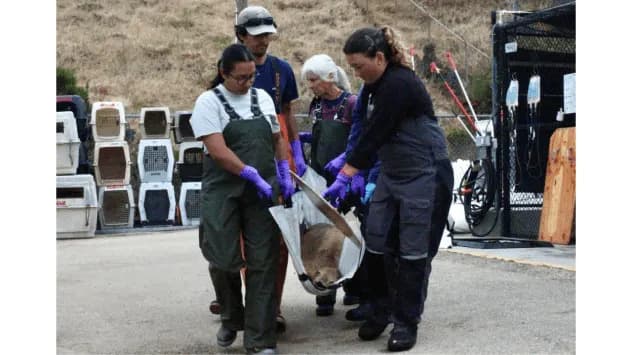
Rabies was identified in Cape fur seals in South Africa in 2024 - Tommy Trenchard
The World Organisation for Animal Health (WOAH) has warned that the 2024 El Niño event could increase the risk that rabies detected in Cape fur seals off South Africa spreads to other marine mammal populations and regions in the southern hemisphere.
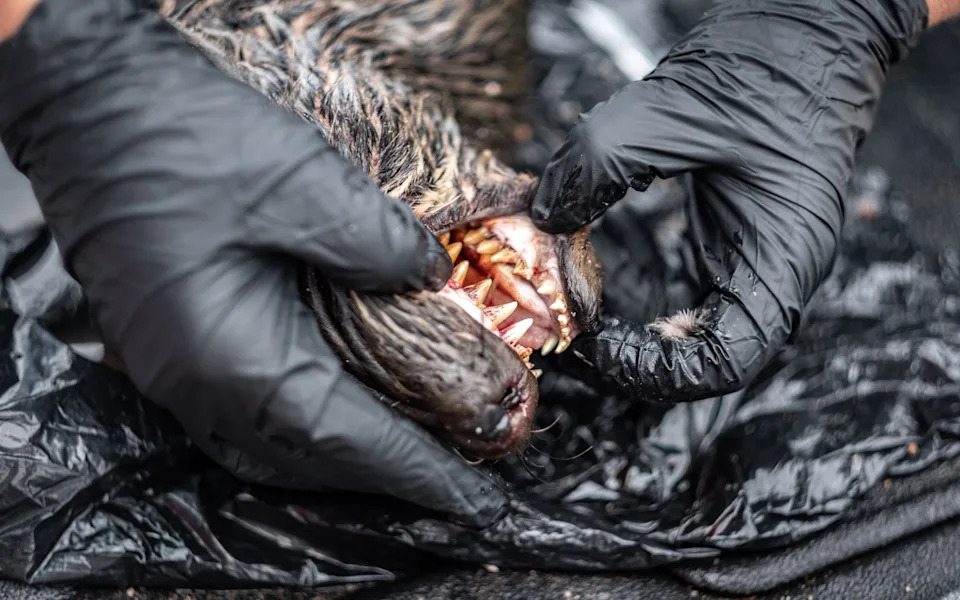
Scientists inspect the body of a Cape fur seal suspected to have died of rabies in Hout Bay, South Africa - Tommy Trenchard
What Has Happened
In 2024 scientists detected rabies in Cape fur seals (Arctocephalus pusillus pusillus), marking the first major documented outbreak of rabies in a marine mammal. More than 100 cases have since been confirmed in South Africa and Namibia, and authorities have recorded about 145 incidents of potential human exposure linked to aggressive or disoriented seals.

The carcass of a Cape fur seal on the shore near Hout Bay, South Africa - Tommy Trenchard
How El Niño Could Increase Spread
El Niño, a climate pattern that warms surface waters in the Pacific and alters global ocean and weather conditions, can shift fish stocks and other prey. WOAH experts say these changes may force some seal populations to range farther afield in search of food. Warmer Southern Ocean temperatures could prompt sub-Antarctic or Antarctic seal groups to move north into Southern African waters, where they might encounter infected animals and then carry the virus back to their home ranges.
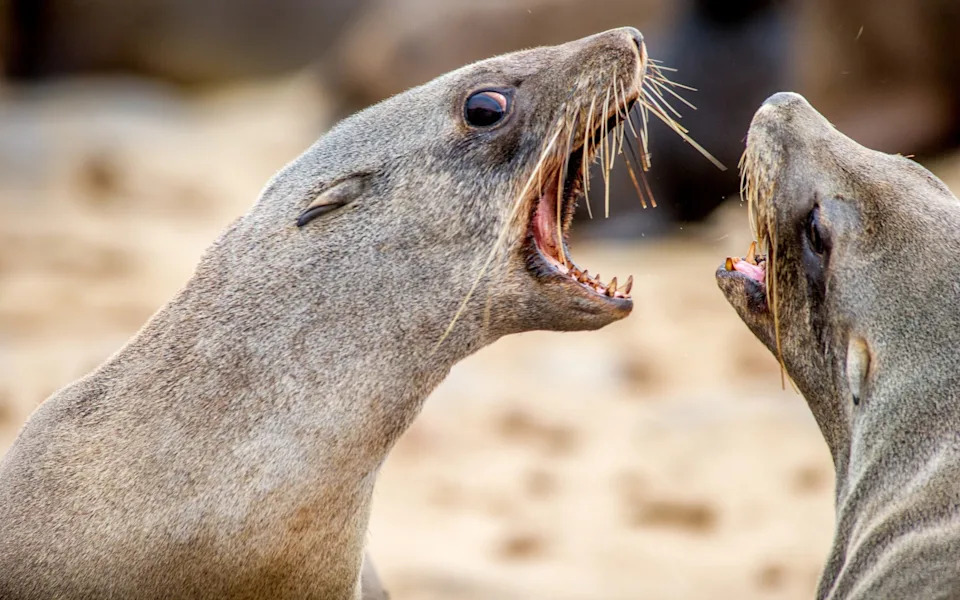
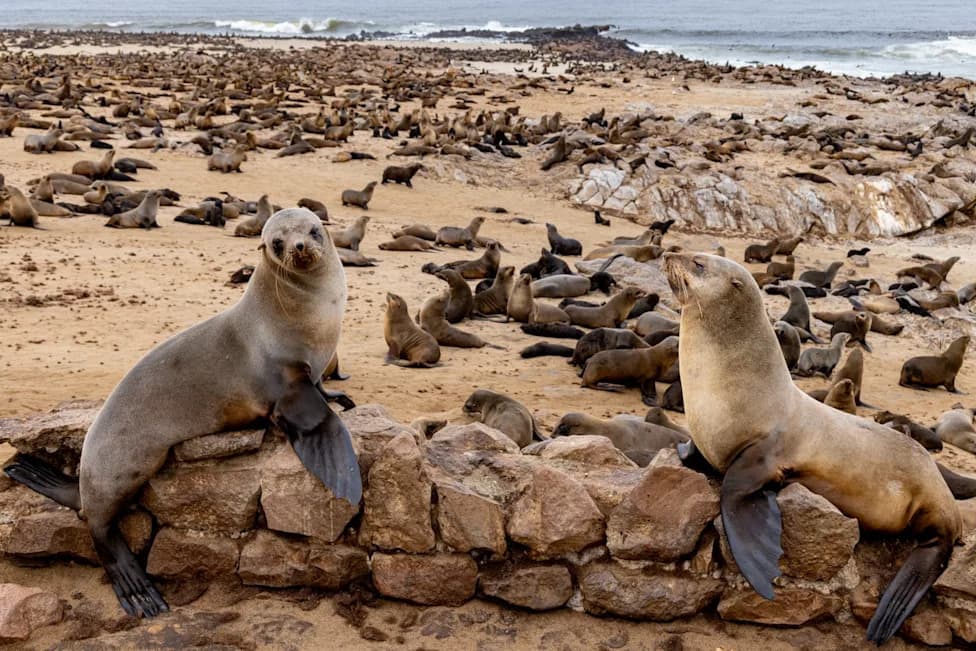
Cape fur seals at a colony in Namibia - Edwin Remsberg/The Image Bank RF
“Regions in the southern hemisphere, including Latin America and Australasia, should maintain heightened surveillance for rabies transmission among marine mammals, while recognising that our understanding of the epidemiology of this event is still evolving. Early detection and timely reporting remain essential,”
Public Health And Conservation Concerns
Rabid Cape fur seals have displayed neurological symptoms including unprovoked aggression, biting of people or objects, disorientation and a reduced fear of humans. Although no human rabies cases from seals have been confirmed so far, WOAH describes the situation as a significant public health risk because rabies is almost always fatal once clinical disease develops.
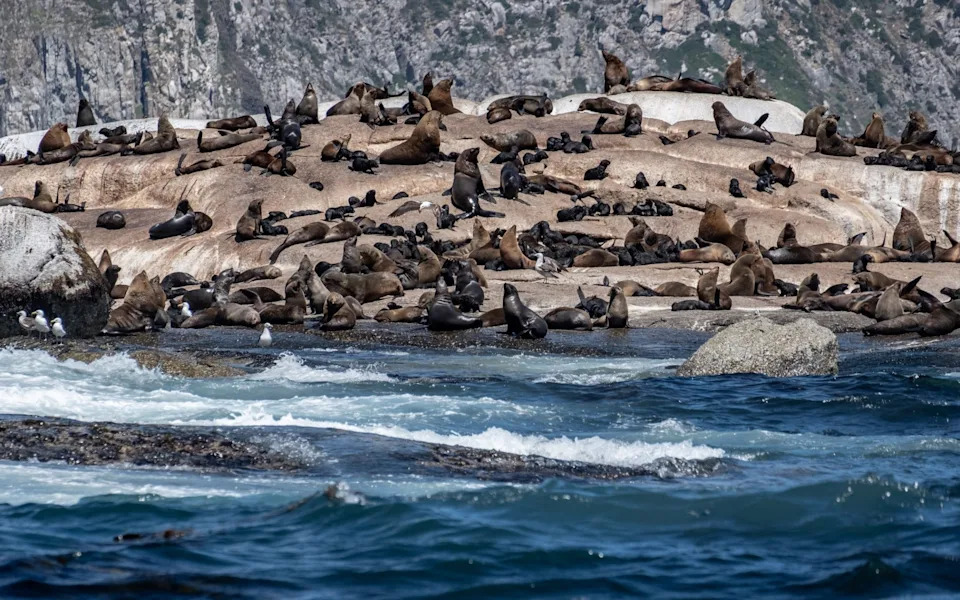
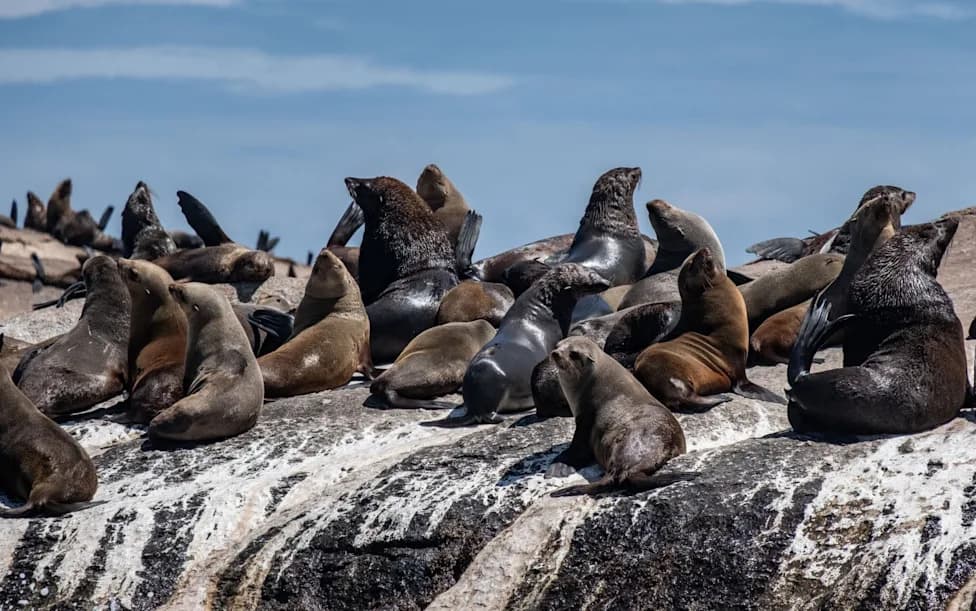
Cape fur seals on Duiker Island off the coast of Cape Town - Tommy Trenchard
Globally, rabies causes an estimated 60,000 deaths per year—mostly from dog-mediated transmission in parts of Asia and Africa—but the emergence in marine mammals represents a notable shift in rabies ecology. Genetic sequencing suggests the outbreak likely began when a terrestrial rabies reservoir, such as a black-backed jackal, infected a seal.
Guidance And Preparedness
WOAH urges southern hemisphere nations—especially in Latin America and Australasia—to increase surveillance of marine mammals, prepare diagnostic capacity, and ensure supplies of vaccines and post-exposure prophylaxis (PEP). People encountering seals should keep a safe distance and report unusual behavior to wildlife or public-health authorities. Anyone bitten or scratched should seek immediate medical attention for assessment and, if indicated, prompt PEP.
Global Implications
Before 2024, a single isolated marine case of rabies was described in a seal in Svalbard in 1980. The current outbreak raises the possibility that, driven by changing ocean conditions, rabies could reach new marine colonies across the southern hemisphere. Continued monitoring, rapid reporting and public awareness are essential to limit further spread and protect human and animal health.
Signs To Watch For: sudden aggression toward people or animals; biting or attacking objects; snapping at invisible targets; disorientation; and a lack of normal fear of humans.
Help us improve.