The Marine Mammal Center reports an unusually large spike in domoic acid poisoning among California sea lions, with more than 100 rescues this year—most since July 1—surpassing the center's typical annual average of 75–90. The toxin, produced by algae like Pseudo-nitzschia and concentrated in small fish, can cause seizures and heart failure in marine mammals and poses risks to humans who eat contaminated seafood. Outbreaks now appear during both cold and warm ocean conditions, complicating prediction. Rescue teams provide fluids, uncontaminated fish, and anti-seizure medications; the public should stay 150 feet from sick animals and report sightings to 415-289-SEAL (7325).
Surge in Domoic Acid Poisoning: Over 100 California Sea Lions Rescued This Year
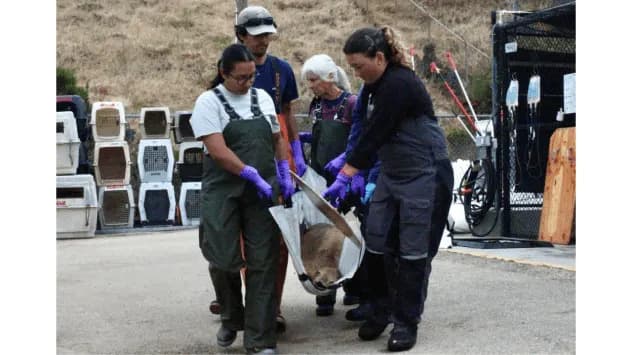
So far this year, the Marine Mammal Center has rescued over 100 sea lions suffering from domoic acid poisoning, an illness caused by a natural marine neurotoxin that can lead to seizures and heart failure if left untreated. (Credit: Marine Mammal Center)
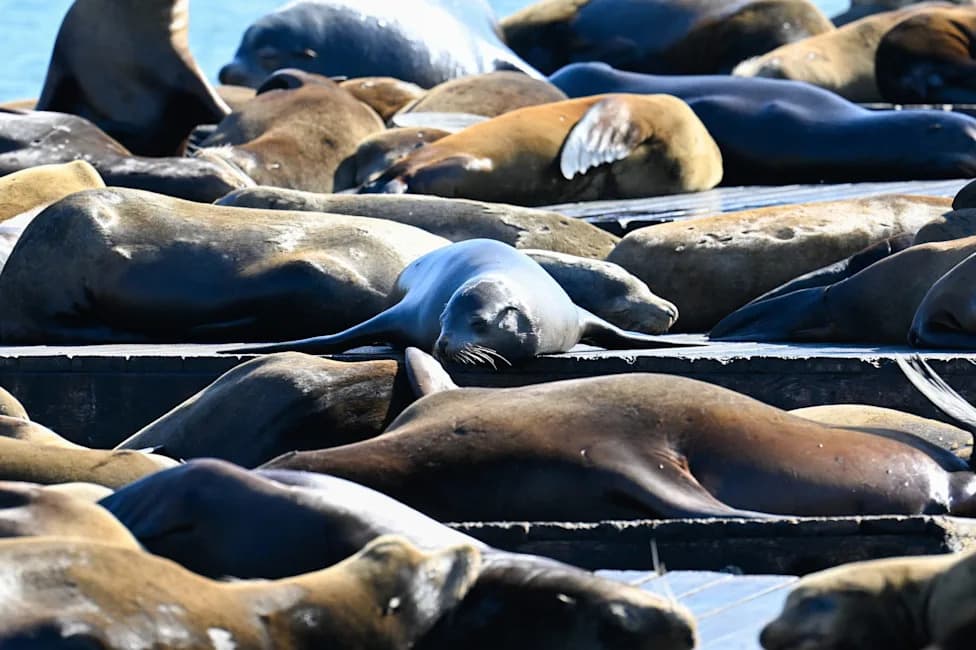
California sea lions are facing an escalating health crisis as rescue teams report an unusually large spike in domoic acid poisoning. The Marine Mammal Center—the world's largest marine mammal hospital—says it has rescued more than 100 sick sea lions this year, with most cases recorded since July 1.
Center officials note that their typical annual number of domoic acid rescues across a roughly 600-mile response range is about 75–90 animals. "We have already surpassed that average as we enter September," representatives told AccuWeather. Most strandings have been concentrated around the Monterey Peninsula, and some cases have also been seen in fur seals.
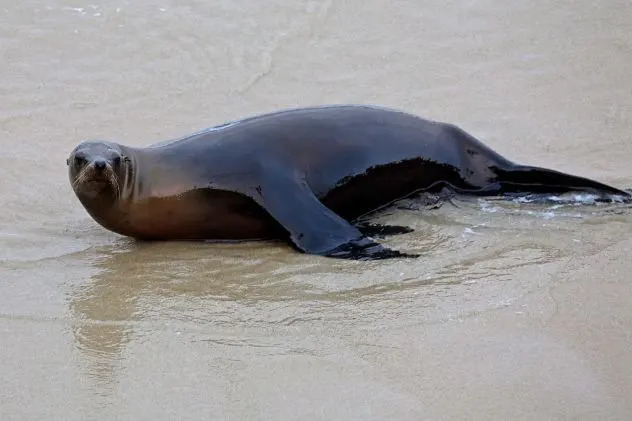
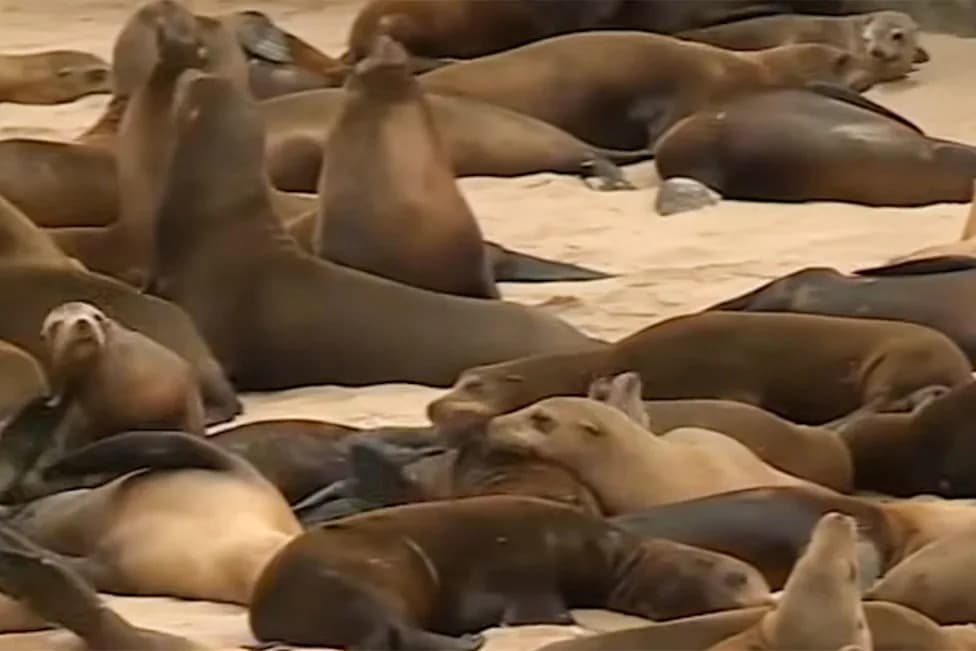
A California sea lion rests on the sand in La Jolla Cove on May 5, 2025, in San Diego, California. (Photo by Kevin Carter/Getty Images)
What Is Domoic Acid Poisoning?
Domoic acid is a naturally occurring marine neurotoxin produced by certain algae, including species of Pseudo-nitzschia. During harmful algal blooms—sometimes called "red tides"—the toxin accumulates in small forage fish such as anchovies and sardines. Predators that eat those fish, including sea lions, can ingest toxic doses.
Symptoms, Risks and Treatment
Infected animals may experience seizures, disorientation, tremors, and in severe cases heart failure. While domoic acid will clear from an animal's system over time, repeated or high-dose exposures can cause lasting neurological damage.
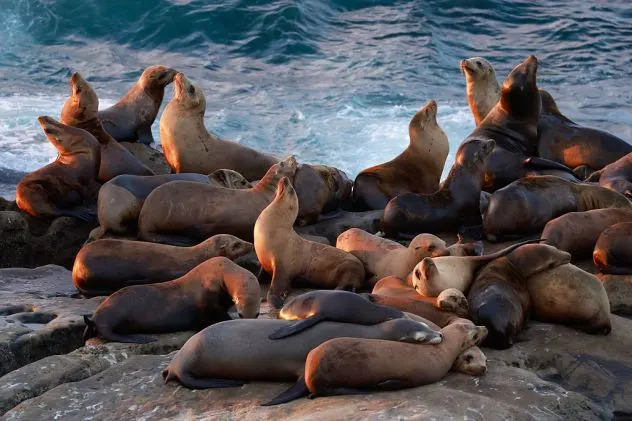
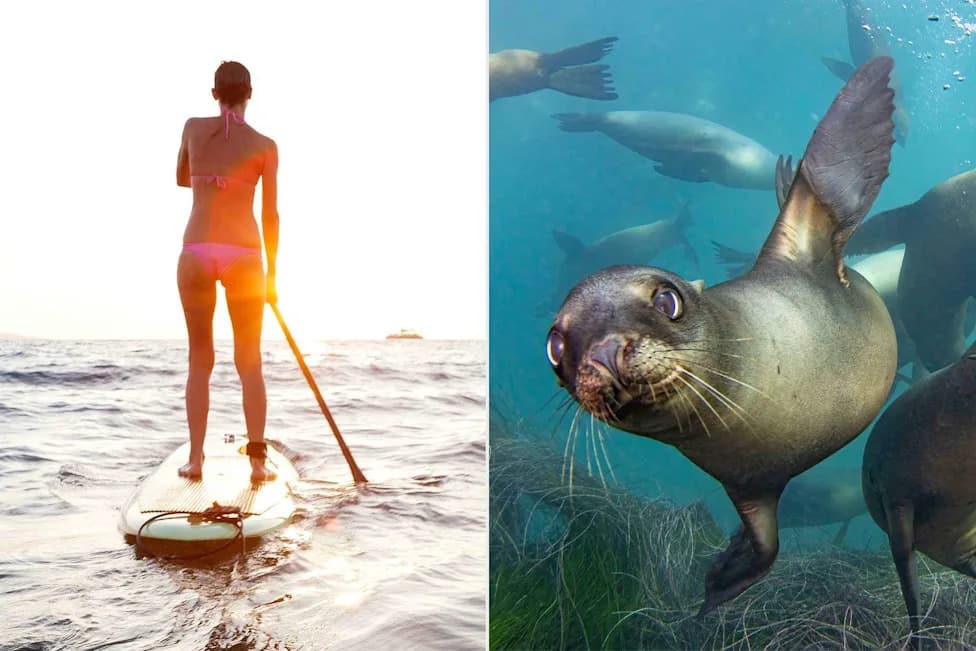
California sea lions gather along the La Jolla coastline at sunset on April 21, 2025, in San Diego, California. (Photo by Kevin Carter/Getty Images)
Rescue and treatment are labor-intensive: teams transport and care for animals that can weigh hundreds of pounds. Typical care includes fluids to help flush the toxin, uncontaminated fish to restore nutrition, and anti-seizure medications when needed. On busy days the center's dispatch team can receive more than 350 calls reporting sick or stranded marine mammals.
Changing Patterns and Broader Concerns
Historically, domoic acid events followed seasonal patterns, but researchers are now seeing outbreaks during both unusually cold and unusually warm ocean conditions. Cold-water upwelling can bring nutrient-rich water to the surface and fuel algal blooms, while warm years—such as the 2014–2015 West Coast marine heat wave—have also coincided with large domoic acid events. The first diagnosed cases in marine mammals date back to 1998; since then the disease has become "more unpredictable and intense," the center says.
Sea Lions as Sentinels
California sea lions act as a sentinel species: spikes in their illness can serve as an early warning of toxic algal blooms that may also affect human seafood safety. Domoic acid can cause amnesic shellfish poisoning in people who eat contaminated shellfish, fish, or crab. When marine poisonings are detected, the Marine Mammal Center alerts public health authorities so they can consider testing and fisheries closures.
Public Safety: Keep at least 150 feet away from stranded or sick marine mammals and never touch them. If you see a distressed or stranded animal, report it to the hotline at 415-289-SEAL (7325).
The Marine Mammal Center emphasizes that while measures such as testing and fishery closures have reduced human cases, those protections do not extend to marine mammals. Researchers continue to study why and when toxic algal blooms form and why some algae produce domoic acid.
Help us improve.