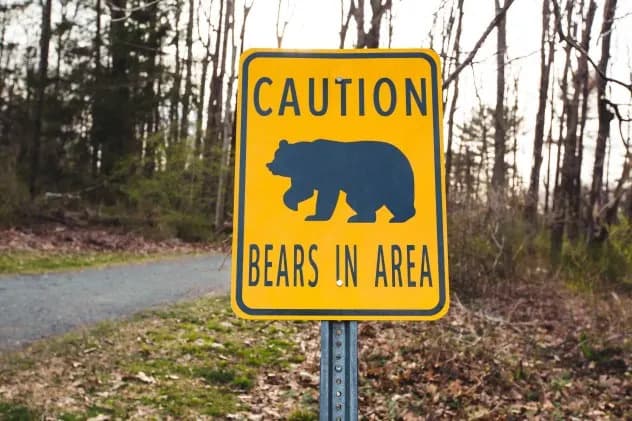
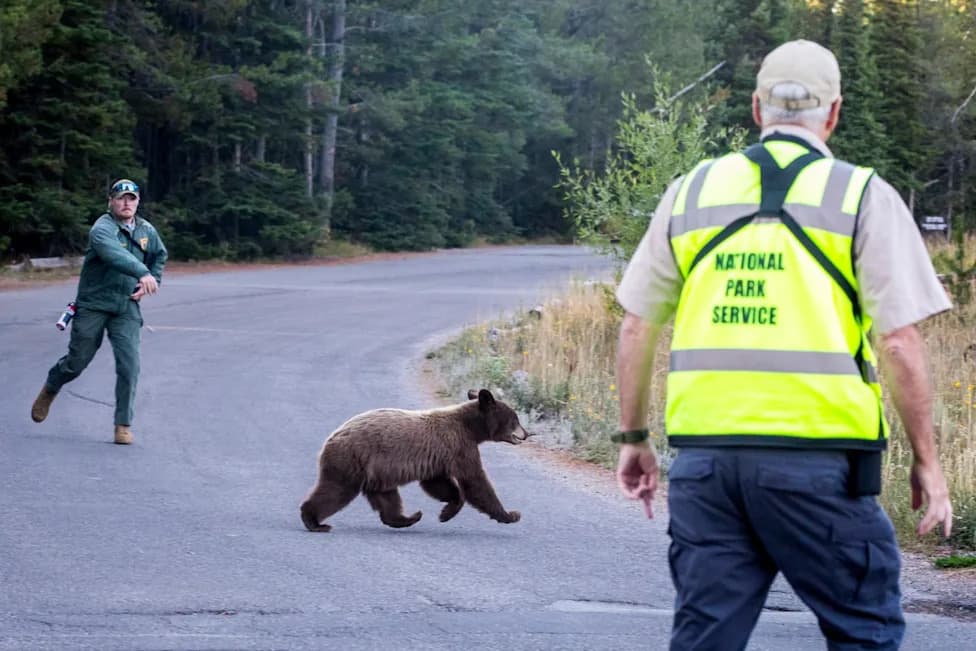
Black-bear encounters have risen sharply across parts of the U.S. West in 2026, with Colorado reporting nearly 2,000 bear-related calls — about double last year’s total. Conservation successes have helped bear populations recover, while drought, low snowpack and warmer temperatures have reduced natural food sources and pushed bears into suburbs. Officials urge residents to secure attractants and follow National Park Service guidance (stay calm, avoid running, and never separate a mother from her cubs) to reduce risky interactions.
‘Extraordinary Bear Year’: Why Encounters Are Spiking Across the West in 2026
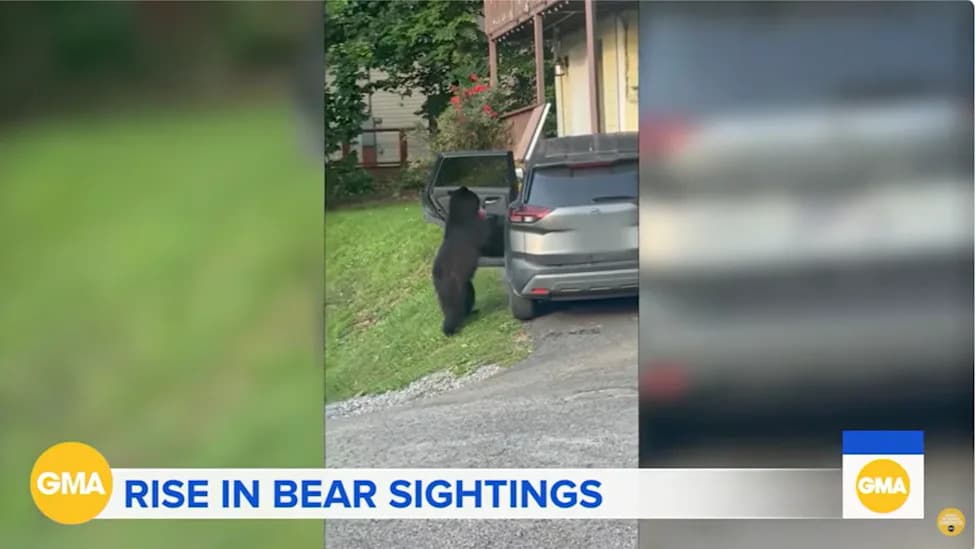
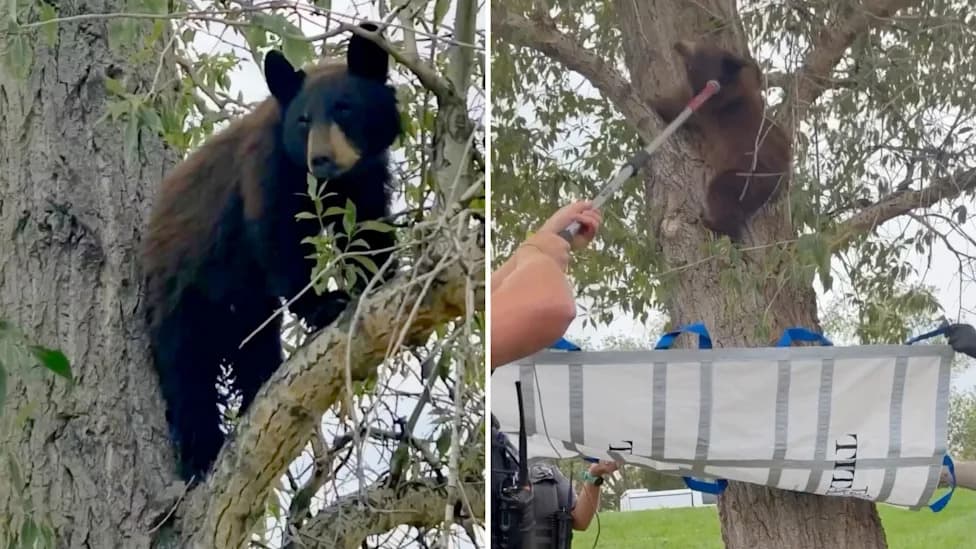
Image Credit: Good Morning America/YouTube.
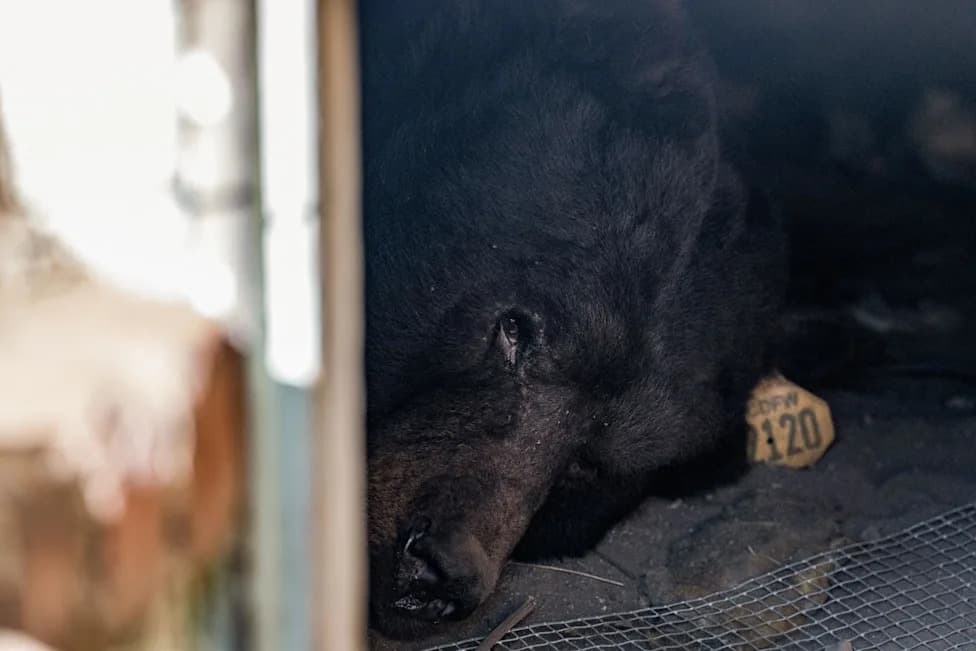
Black-bear sightings and calls to wildlife authorities have surged across parts of the Western U.S. in 2026, driven by a mix of conservation gains and changing environmental conditions.
Wildlife officers in Colorado report nearly 2,000 bear-related calls so far this year — roughly double the number recorded during the same period in 2025, according to Good Morning America. Other areas, including South Lake Tahoe, California, have also seen a sharp increase: local reports show 174 bear-related calls in the same time frame.
What’s Behind the Spike?
Experts point to several overlapping factors:
- Population Recovery: Conservation efforts and protections have helped black-bear numbers rebound, increasing the likelihood of encounters as more bears occupy the landscape.
- Environmental Stressors: Drought, low snowpack and warmer temperatures have shortened growing seasons and reduced natural food supplies, pushing bears to search for calorie-rich food in developed areas.
- Easy Attractants: Bird feeders, unsecured trash cans, outdoor pet food and other human food sources draw bears into suburbs where they are not typically seen.
Real-World Encounters
In Douglas County, Colorado, authorities described the season as "an extraordinary bear year," noting that bears have been venturing farther into suburban neighborhoods. Residents have reported seeing bears rifling through garbage and visiting yards. A widely shared security-camera clip over the Fourth of July showed a man fending off a bear with bear spray outside his garage; the Sacramento Bee later identified him as Cortlandt Koerwitz, who was not injured but shaken by the encounter.
Expert Perspective
Wildlife ecologists call the increase in sightings a mixed signal: it reflects successful conservation work but also raises public-safety concerns as bears adapt to urban food sources. Dr. Rae Wynn-Grant told reporters that spring and early summer are peak movement times for black bears, which travel more while searching for food.
How To Stay Safe
The National Park Service and state wildlife agencies recommend the following precautions if you live in or visit bear country:
- Remain calm if you see a black bear: wave your arms and speak in a calm voice so the bear recognizes you as human.
- Do not run. Running can trigger a chase response.
- Pick up small children and keep groups together.
- Never get between a mother and her cubs. If cubs are present, back away slowly and move sideways so you can keep eyes on the bear.
- Secure attractants: store trash in bear-resistant containers, remove bird feeders when bears are active, and never leave pet food outside.
- Report aggressive or persistent animals to local wildlife authorities so professionals can respond safely.
As bear populations recover, communities in the West will need to balance conservation successes with vigilance and practical steps to reduce human-bear conflicts. Simple preventive measures and awareness can greatly reduce the risk of dangerous encounters while allowing bears to thrive in their restored habitats.
Help us improve.