Archaeologists have extended the excavation of an 18th‑century slipway at Buckler's Hard into the Beaulieu River, combining land, intertidal and diving work to expose timbers and possible earlier structures. The team aims to reveal more groundways, building footprints and capstan locations that will shed light on 18th‑century shipbuilding and local life. Army divers from 17 Port Maritime Regiment are assisting civilian teams, and a replica of HMS Agamemnon is planned to illustrate the yard’s historic techniques.
Buckler's Hard Dig Moves Into the Beaulieu River as Divers and Archaeologists Probe 18th‑Century Slipway
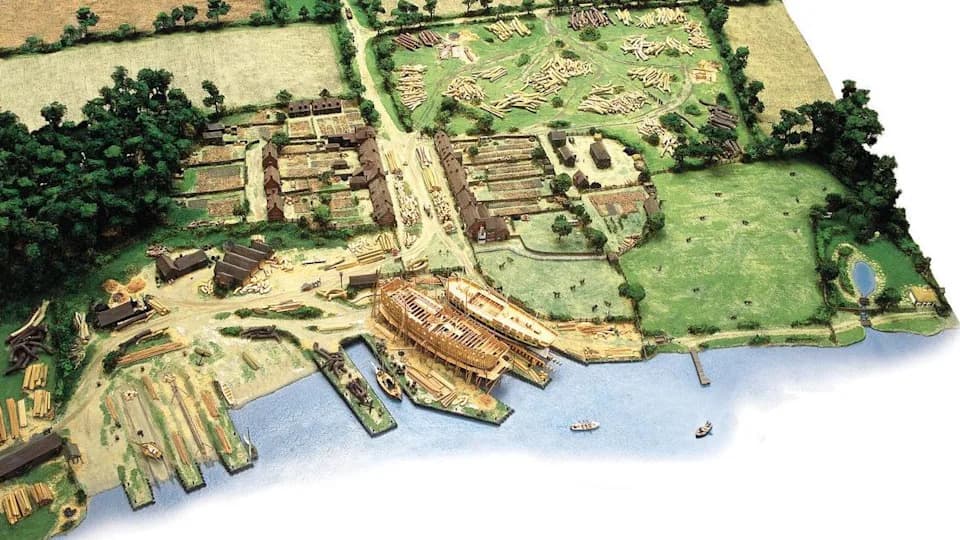
Buckler's Hard was once home to one of the busiest private shipyards of the 1700s [Beaulieu Enterprises Ltd]
Archaeologists have extended the excavation of an 18th‑century slipway at Buckler's Hard into the Beaulieu River, as teams work across land, the intertidal zone and underwater to uncover timber structures and possible earlier remains.
Site Background
Buckler's Hard, a small hamlet in the New Forest, was home to one of the busiest private shipyards of the 1700s. Shipwrights at the yard built 55 wooden warships for the Royal Navy, including HMS Agamemnon, often described as Admiral Lord Nelson's favourite and a participant at the Battle of Trafalgar.
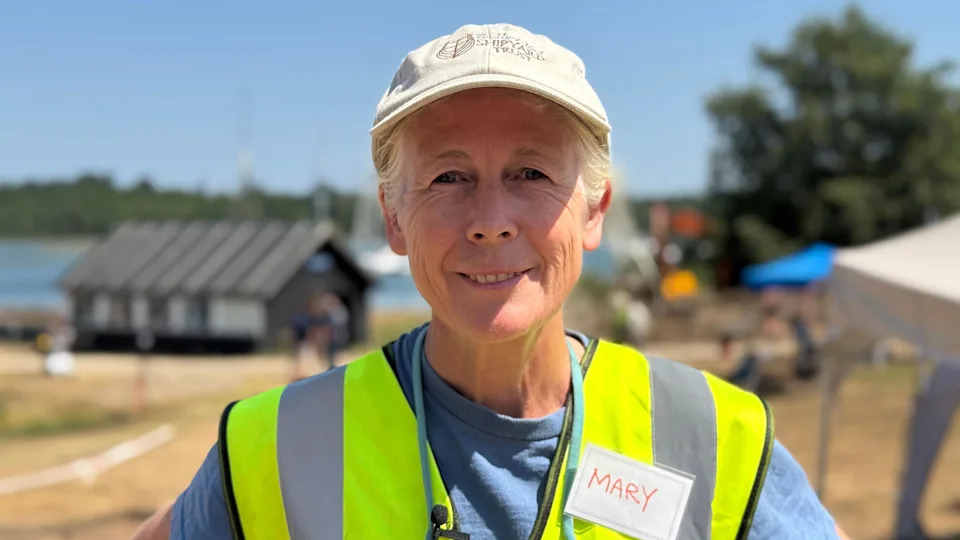
Mary Montagu-Scott, chair of the Buckler's Hard Shipyard Trust, said she was "very excited" by the structures that had been found [BBC]
Current Excavation
This season's work has moved beyond the upper slipway revealed last year into the lower intertidal channel where the slipway meets the Beaulieu River. Excavation teams are targeting what is known as Slipway Two to expose more of the groundways—the timber beams on which ships were launched—and to locate former buildings and capstan positions onshore.
How the Team Operates
The project combines three types of archaeology simultaneously: on‑land trenches, intertidal excavation during low tides, and diving operations at high tide. Lauren Tidbury of the Maritime Archaeology Trust explained the logistical challenge:
“I'm not sure I've ever been involved in a project that combines underwater, intertidal and on‑land archaeology all at once. We coordinate closely with the tides—low tides for foreshore work and high tides for diving—while volunteers maintain trenches ashore.”
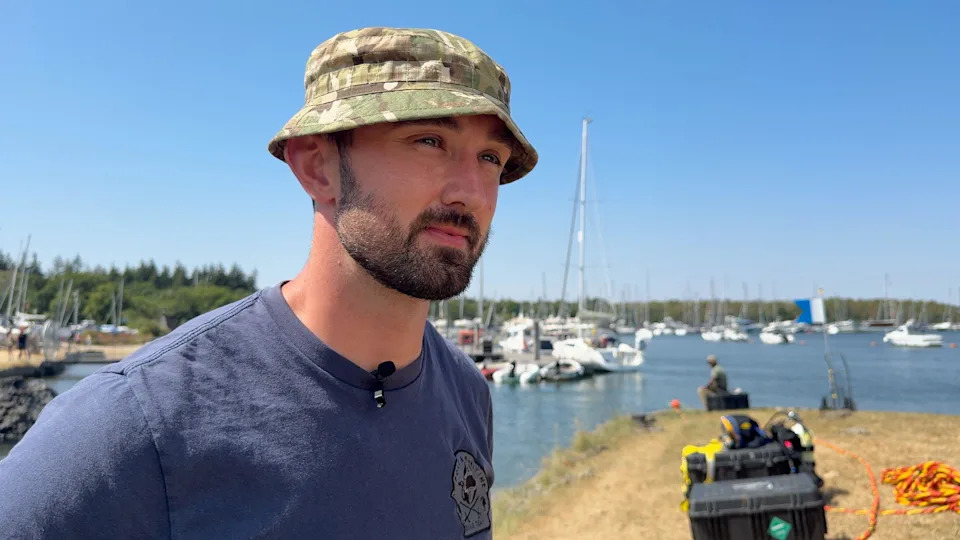
Chris and his team are helping to sift through mud to expose the timbers [BBC]
Specialist Assistance
Army divers from Marchwood's 17 Port Maritime Regiment are supporting the dig alongside civilian scuba teams. Chris Brown, the regiment's Army Diving Supervisor, described their role:
“We assist with dredging, exposing timbers on the seabed and recovering any lost artefacts. Essentially, we’re sifting through the mud until we find them.”
Findings and Significance
Last year's work uncovered a full set of beams on the upper slipway identified as groundways used for launching ships. Most newly found structures are timber; one may even predate the village and could represent a 16th‑century boatyard building, which would push back known maritime activity at the site.
Funding and Next Steps
The dig is funded by donations to the Buckler's Hard Shipyard Trust and supported by the Beaulieu Estate. Project partners are considering placing a replica of HMS Agamemnon at the end of the slipway to illustrate how a vessel of that era would have looked during construction.
Follow the project: updates are available from BBC Hampshire & Isle of Wight and the Buckler's Hard Shipyard Trust social channels.
Help us improve.