Quick adaptation is the decisive factor in contemporary conflicts. Ukraine’s home-grown drones and missiles—born of necessity and battlefield experience—have altered the tactical picture and allowed strikes into Russia. Meanwhile, NATO’s slow procurement cycles and the U.S. near-exhaustion of long-range missiles and interceptors reveal serious supply and industrial vulnerabilities. Allowing Kyiv to produce a Patriot-style interceptor could ease shortages and improve long-term defence resilience.
How Ukraine's Rapid Battlefield Adaptation Exposes Western Military Shortcomings
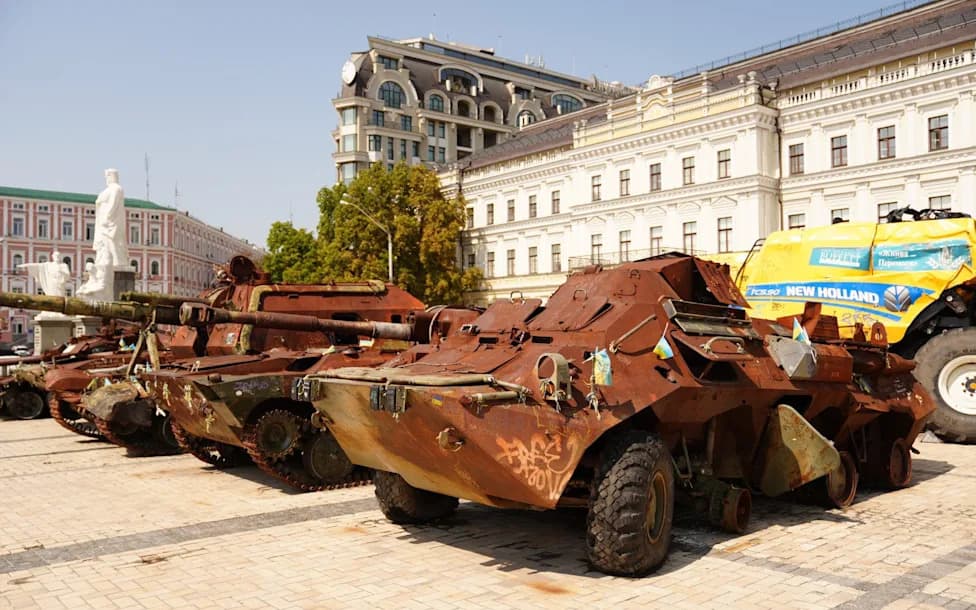
Adaptability plays a vital role in modern warfare - Jane Barlow/PA Wire
If there is one clear lesson from the wars in Ukraine and the recent Iran-related strikes, it is that rapid adaptation to changing battlefield conditions is decisive. Armies that can quickly modify existing weapons, tactics and logistics gain an outsized advantage.
Adaptation in Practice: Drones, Missiles and Innovation
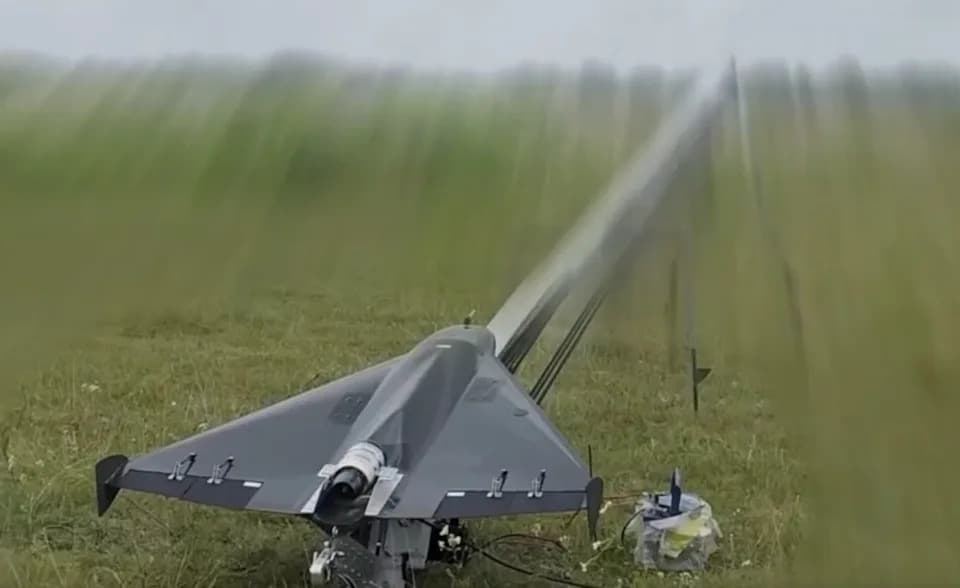
Ukraine, forged by four-and-a-half years of direct combat with Russia, has become adept at identifying battlefield needs and turning them into practical solutions. When disputes with Western suppliers and restrictive rules limited Kyiv’s options, Ukrainian engineers and commanders accelerated domestic innovation—producing drones, loitering munitions and increasingly capable home-made missiles that have shifted tactical and operational dynamics.
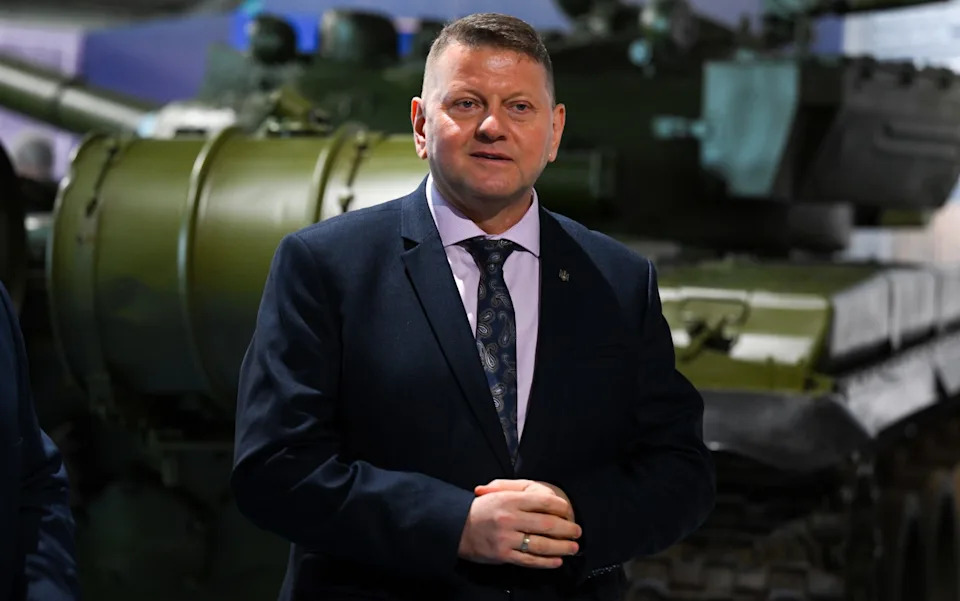
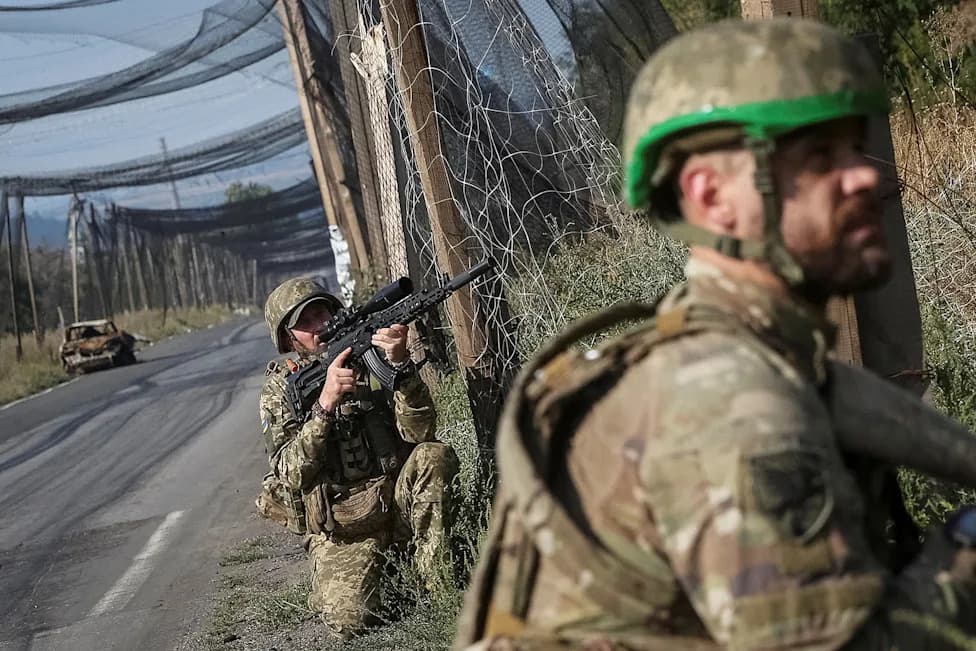
Valerii Zaluzhnyi, Kyiv's ambassador to Britain, has said respect for Nato should not prevent an honest assessment of its shortcomings - Finnbarr Webster/Getty Images
These developments have had real effects: Kyiv’s strikes into Russian territory have disrupted logistics and fuel supplies, while targeted attacks on commercial infrastructure have affected daily life inside Russia.
Western Shortcomings: Capacity, Procurement and Doctrine
By contrast, many Western militaries, NATO included, have struggled to match that tempo of change. Valerii Zaluzhnyi, Ukraine’s former commander-in-chief and now Kyiv’s ambassador to Britain, has warned that NATO’s slow adoption of new technologies and concepts risks preparing for the last war rather than the next one. Procurement cycles, bureaucratic constraints and caution about escalatory risks have left allies slower to adapt.
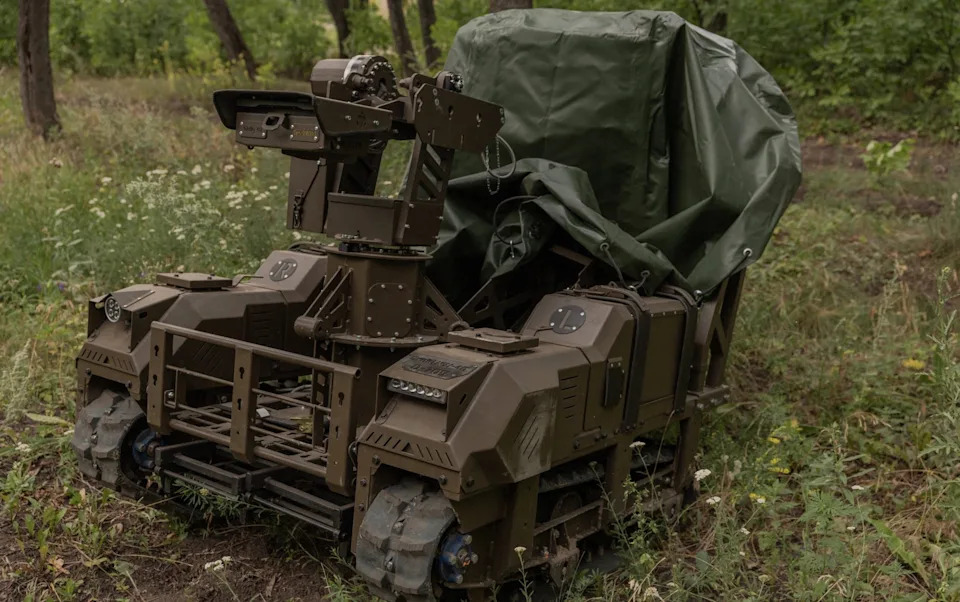
Ukraine has developed its own arsenal of weapons to gain battlefield advantage - Roman Pilipey/AFP
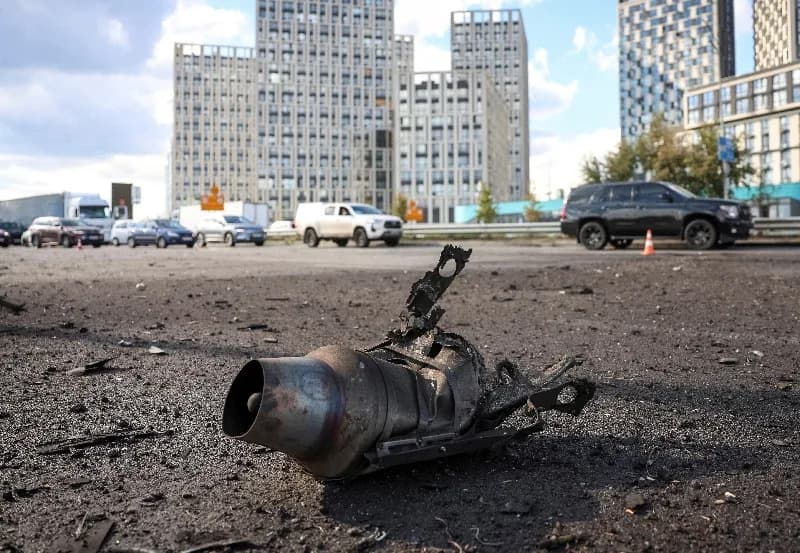
One acute problem is stockpile depletion. Reports that the US has nearly exhausted stocks of long-range missiles and interceptors highlight a broader industrial and logistical vulnerability: winning or sustaining modern combat requires both tactical innovation and the industrial capacity to replenish supplies quickly.
Iran, China and The Evolving Threat Environment
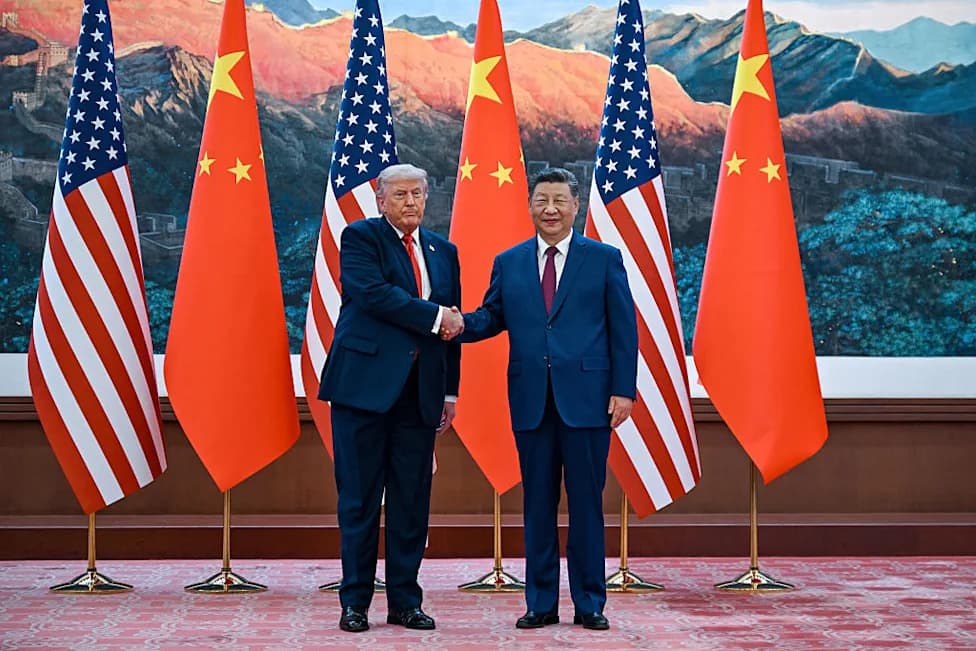
Similar dynamics have appeared in the Iran-related confrontations. Tehran’s reported modifications to ballistic missiles—allegedly assisted by external partners—have enabled strikes on U.S. facilities, including a deadly attack on Jordan’s Muwaffaq Salti air base. Where U.S. forces once intercepted most incoming threats, shortages of interceptors have eroded that advantage.
What Should Western Governments Do?
Rather than second-guessing Ukraine’s tactics, Western leaders should address strategic and industrial gaps. A practical proposal is to allow Kyiv to manufacture a Patriot-style interceptor under license. That approach could relieve pressure on U.S. inventories, strengthen Ukraine’s air-defence resilience, and incentivize cost-saving production innovations.
Conclusion: Modern warfare rewards flexibility, fast iteration and resilient supply chains. Ukraine’s experience shows what adaptation can accomplish; Western militaries must combine doctrinal reform with industrial surge capacity if they are to remain competitive and protect allies.
Help us improve.