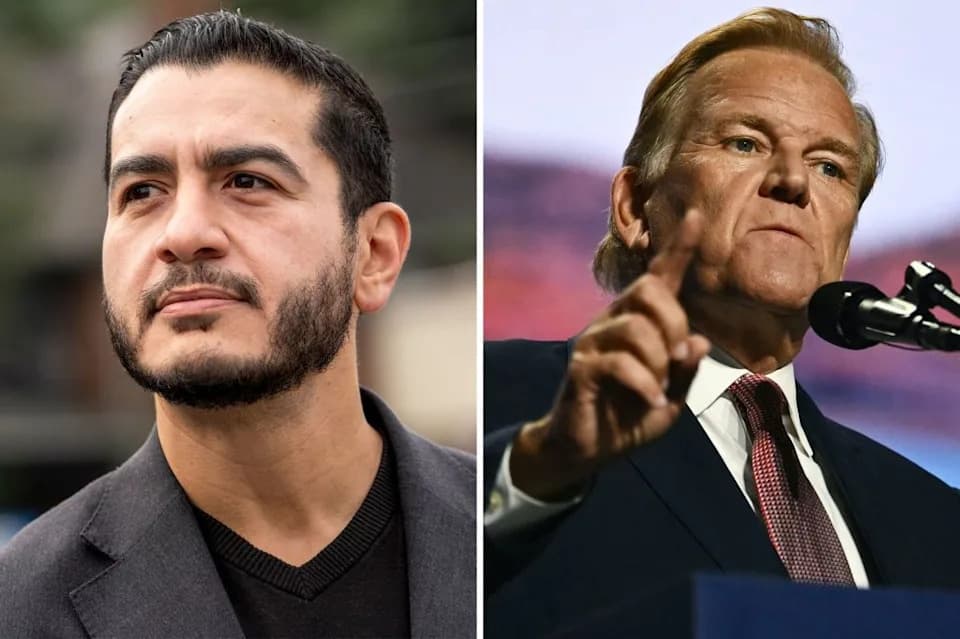
AIPAC is reportedly weighing a major spending effort to support Republican Mike Rogers against Democrat Abdul El‑Sayed after El‑Sayed won the Democratic primary. The group previously spent a record $32 million to back Haley Stevens for her pro‑Israel stance. Sources told The New York Times AIPAC may funnel tens of millions to Rogers, though the group's super PAC has not finalized a decision. The move could significantly affect the November Senate race and highlights the role of outside lobbying money in competitive contests.
AIPAC Weighs Tens Of Millions To Back GOP's Mike Rogers Against Abdul El‑Sayed
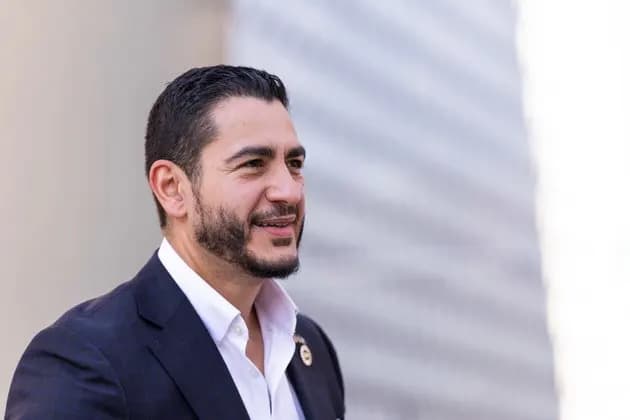
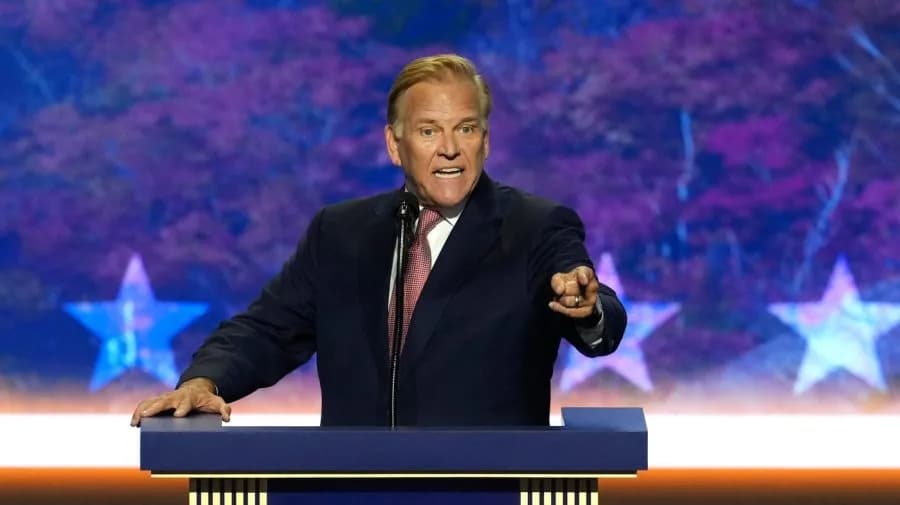
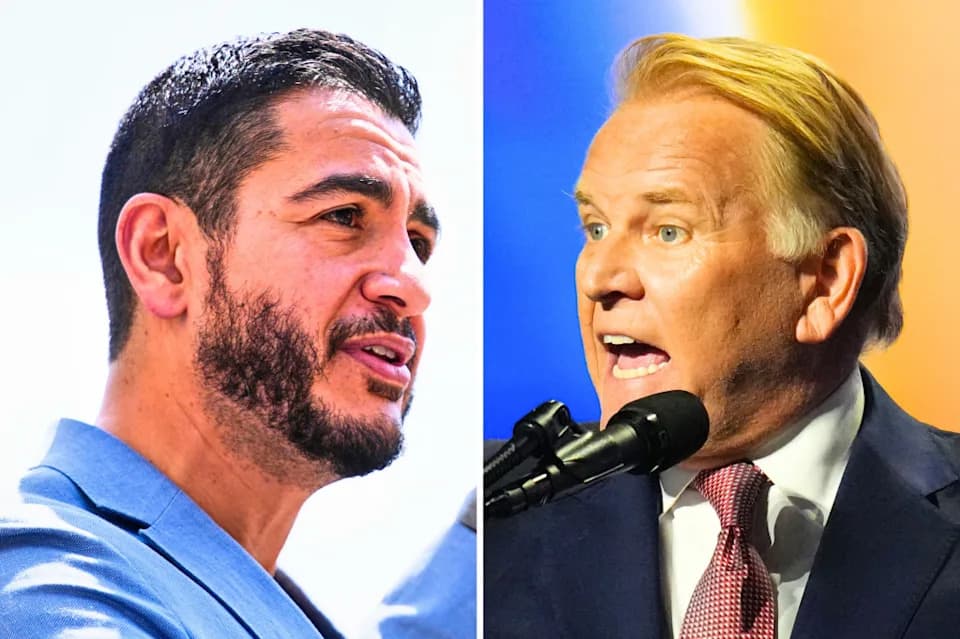
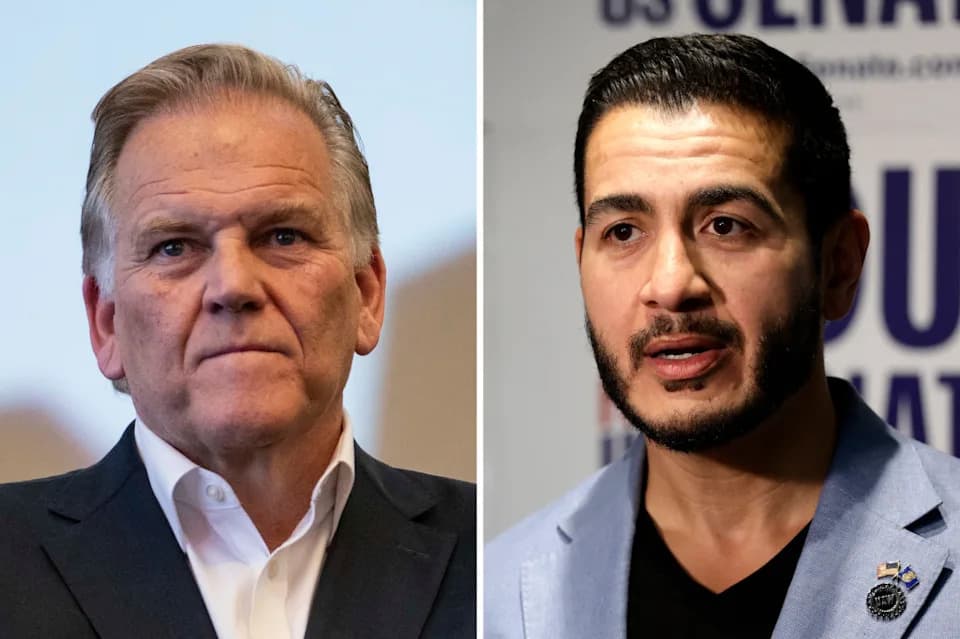
AIPAC is reportedly considering a major financial intervention in the Michigan U.S. Senate race, exploring plans to funnel tens of millions of dollars to Republican Mike Rogers as he prepares to face Democrat Abdul El‑Sayed in the November general election. El‑Sayed was declared the winner Wednesday after a costly Democratic primary against moderate Rep. Haley Stevens.
The pro‑Israel lobbying group previously spent a record $32 million backing Stevens, who described herself as a "proud pro‑Israel Democrat" and supported continued U.S. military aid to Israel. El‑Sayed, a Muslim Michigander and progressive populist, has emphasized Palestinian rights as part of his platform.
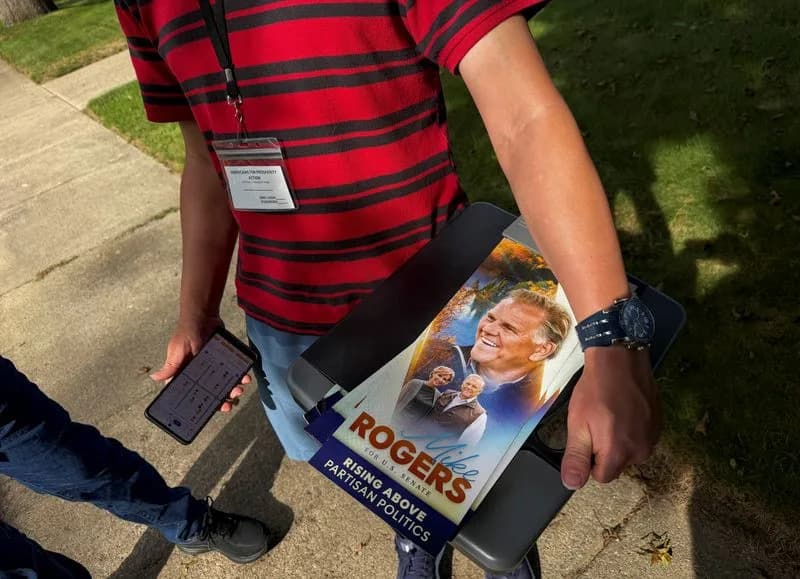
According to reporting by The New York Times, roughly half a dozen people who spoke with AIPAC leaders said the group is considering a large funding push to support Rogers. Rogers' campaign has already aired racially charged attack ads against El‑Sayed. A spokesperson for AIPAC's main super PAC told the Times that no final decision on spending has been made.
AIPAC Statement: "While disappointed that some of our AIPAC‑backed candidates did not prevail, our community is proud to support pro‑Israel Democrats and Republicans who stand for our values. Our members remain determined to ensure that voters reject Dr. El‑Sayed and his radical anti‑Israel agenda in November."
The potential infusion of outside money would mark a significant escalation in spending for the Michigan contest and could reshape messaging and advertising in the closing months before the general election. Observers note the move would underscore the influence of single‑issue lobbying groups in competitive Senate races and intensify scrutiny of campaign advertising tactics.
At this stage, AIPAC's leadership has not confirmed a spending plan; any final decision would likely depend on internal deliberations and the evolving dynamics of the race.
Help us improve.