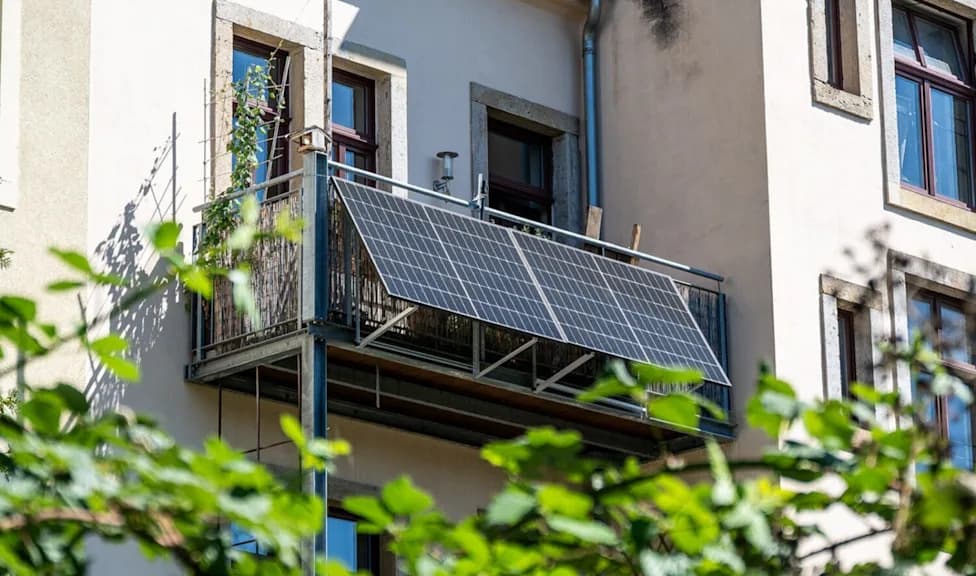
The NC Clean Energy Technology Center reports 284 distributed-solar policy actions in Q2 2026 across 45 states, Washington, D.C., and Puerto Rico. The most frequent topics were net metering (53 actions), community solar (48) and residential fixed-charge increases (45). Key trends include expanded plug-in solar legislation, debate over cost allocation for distributed generation, and greater focus on faster interconnection — all developments likely to shape bills, payback periods and access to solar.
284 Distributed-Solar Policy Actions Across 45 States, D.C. and Puerto Rico in Q2 2026 — Report
Photo Credit: iStock
Solar energy policy is moving fast across the United States — and it's not limited to sun-drenched regions. In Q2 2026, lawmakers, regulators and courts in 45 states plus Washington, D.C., and Puerto Rico recorded 284 policy actions related to distributed (rooftop and community) solar, according to the NC Clean Energy Technology Center’s quarterly "50 States of Solar" review, as reported by CleanTechnica.
Key Findings
- 284 policy actions affecting distributed solar were recorded in Q2 2026.
- The most common topics were net metering (53 actions), community solar (48 actions) and residential fixed-charge or minimum-bill increases (45 actions).
- States with the most activity included Illinois, Maryland, New Jersey, Virginia, New Hampshire, Connecticut, Maine, and Rhode Island.
Three Emerging Trends
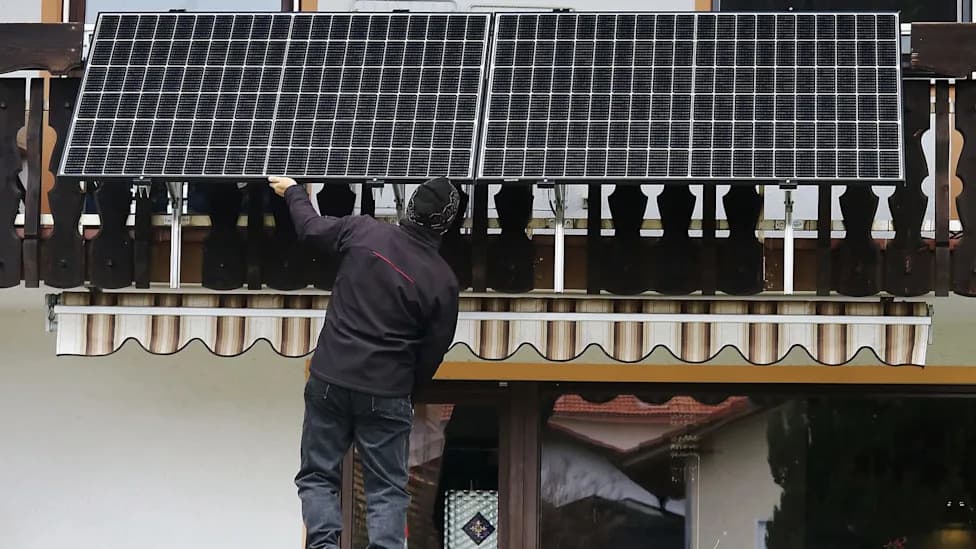
- Growth of plug-in solar legislation: Many states considered bills to allow or simplify plug-in or portable solar systems, broadening access for renters and people in shaded or rented buildings.
- Debates over cost allocation: Policymakers continued discussions about how to allocate grid and program costs as distributed generation grows.
- Focus on interconnection: Faster, clearer interconnection rules for residential and public-sector customers received increased attention to reduce delays and costs.
“This quarter saw a flood of bills addressing plug-in solar, with half of all states considering bills that would lessen the regulatory burden for these systems,” said Brian Lips, Senior Project Manager at NCCETC.
Highlighted State Actions
The report spotlighted five high-impact actions that illustrate how different jurisdictions are shaping solar policy:
- Connecticut lawmakers directed successor programs for both net metering and community solar.
- An Arizona court vacated Arizona Public Service’s grid access charge, affecting how the utility could charge some solar customers.
- Maryland required utilities to adopt a successor net-metering program.
- Virginia regulators issued a decision on Dominion Energy’s net-metering successor program.
- Texas regulators approved a residential distributed-generation rate for El Paso Electric.
Why This Matters
These policy moves will influence monthly utility bills, solar payback periods and whether rooftop and community solar become easier or harder for households, renters, schools and small businesses to access. Net metering determines compensation for exported electricity; community solar expands participation for those who can’t install panels; and plug-in solar offers a potentially lower-cost, portable entry point.
Streamlined interconnection can cut project delays and administrative costs, making installations quicker and more affordable for homes and public-sector projects. At the same time, debates over fixed charges and cost allocation reflect competing priorities: ensuring fair cost recovery for utilities while avoiding barriers that discourage customer-owned clean energy.
“This signals strong interest in the technology across all corners of the country as a way to increase opportunities for customers who can't access traditional solar systems,” Lips added. Rebekah de la Mora, Project Manager at NCCETC, noted that states are using a variety of tools to prevent cost shifting.
Source: NC Clean Energy Technology Center ("50 States of Solar"), coverage by CleanTechnica.
Help us improve.