The White House is publicly promoting data centers as local economic drivers, with Kevin Hassett and President Trump defending the projects. However, recent polls — including Gallup and Reuters/Ipsos — show growing bipartisan opposition, and a Politico survey finds views have become more polarized. Critics warn data centers can strain power grids, consume large volumes of water, and create persistent noise, making the issue a potential campaign flashpoint with about 90 days until Election Day 2026.
White House Doubles Down on Data Centers as Public Opposition Grows
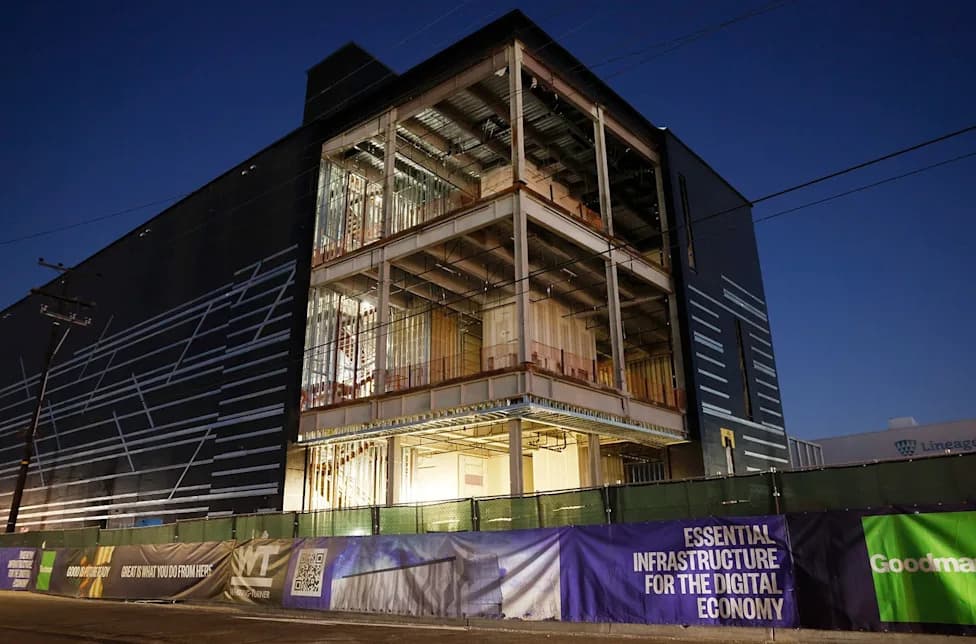
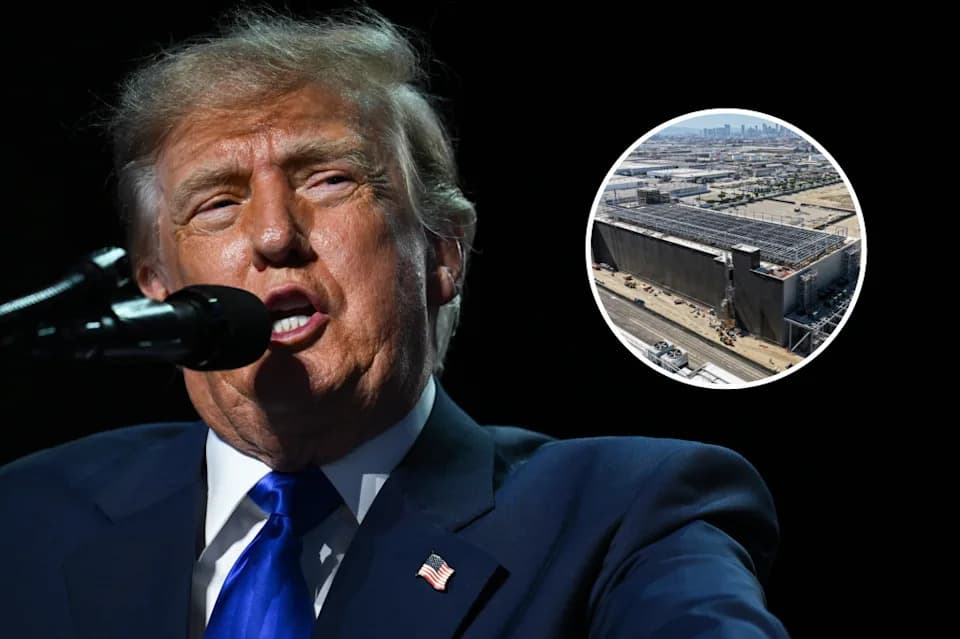
VERNON, CALIFORNIA - APRIL 14: A view of a 49.5 megawatt three-level data center under construction on April 14, 2026 in Vernon, California. A surge in demand for artificial intelligence (AI) infrastructure is fueling a boom in data centers across the country and around the globe. (Photo by Mario Tama/Getty Images)
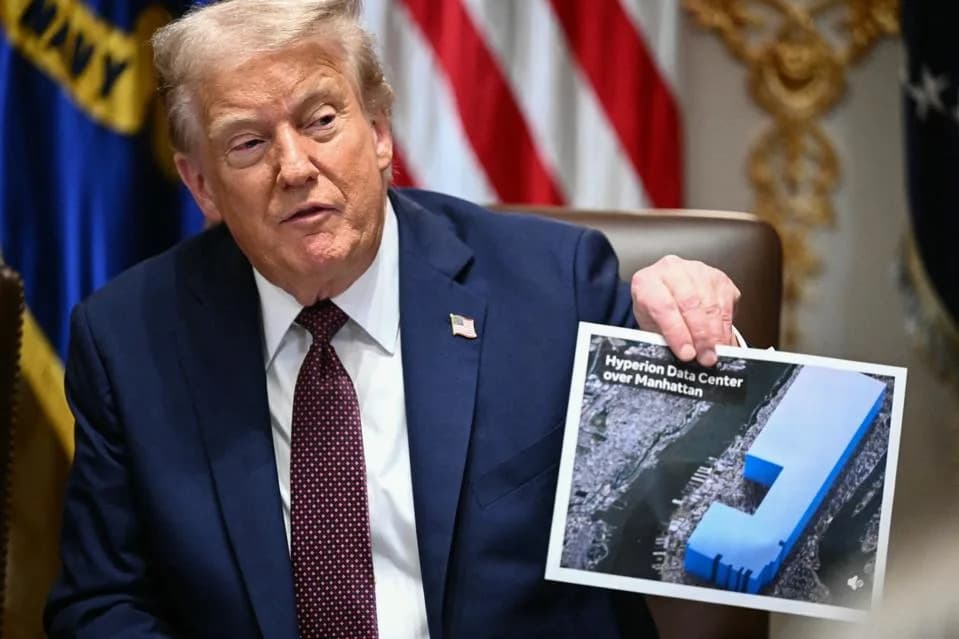
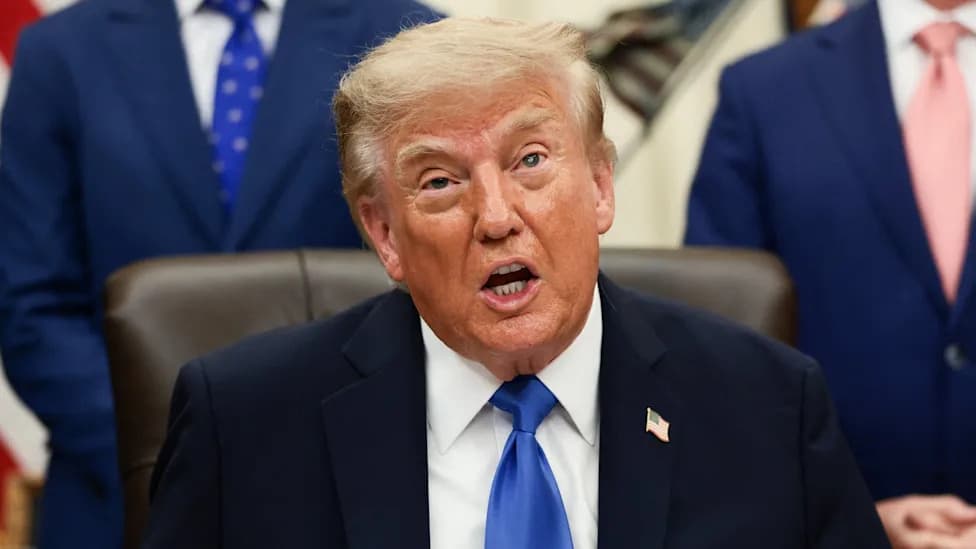
The White House has publicly defended data center construction even as a growing share of Americans say they do not want these facilities in their communities. Senior officials, including National Economic Council director Kevin Hassett and President Donald Trump, have touted data centers as economic boosters — a position that increasingly clashes with public opinion and local concerns.
Officials Make the Case
On Fox Business, Kevin Hassett argued that "data centers are very good for towns because they create so many jobs, bring people in with high incomes that can buy houses and stuff like that," suggesting that placing a data center in a "sleepy town" will lead to "a whole bunch of happy residents." President Trump has made similar appeals, urging communities to accept data-center projects and calling them "Driving Forces in the Future for Jobs" on his social platform.
"You have to convince your community how great these things [are]. You can't fight it; you have to go with it," the president told supporters during a recent interview.
Rising Public Resistance
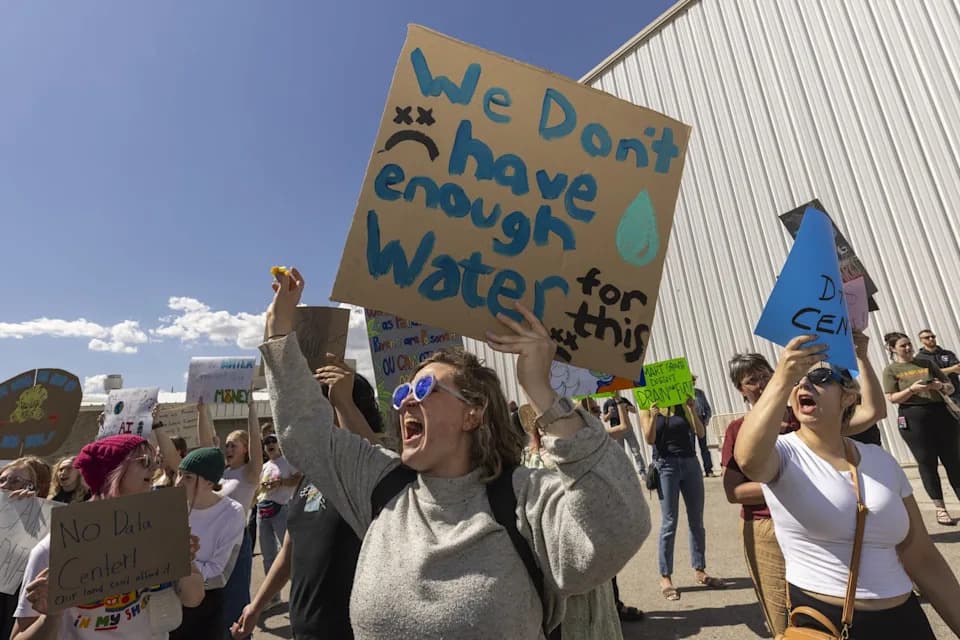
But polling points in the opposite direction. A Politico national poll found attitudes toward data centers have become "increasingly sour and politically polarized" over the last six months. A May Gallup survey reported that 71% of Americans would not want a data center built in their area, and a June Reuters/Ipsos poll found roughly two-thirds of respondents oppose construction of sprawling server hubs.
Local Concerns Behind the Backlash
Critics say the economic benefits touted by officials are often overstated. As commentator Paul Waldman observed for MS NOW, data centers demand large amounts of electricity — potentially straining local grids and raising energy costs — and heavy water use for cooling, which can worry residents about water supplies. Nearby communities also report persistent noise from servers, fans and backup generators that can affect quality of life.
Political Stakes Ahead
With roughly 90 days until Election Day 2026, the White House's firm pro–data-center stance carries political risk. The Associated Press noted Democrats are seizing on local opposition in some rural districts, contributing to an unusual partisan split where Republicans are positioned as the more pro–data-center party. If local resistance continues to swell, data centers could become a more prominent campaign issue.
Originally published on MS NOW. Reporting references include Associated Press, Politico, Gallup, Reuters/Ipsos, and commentary by Paul Waldman.
Help us improve.