At a rally in Vandalia on Oct. 3, 2026, President Trump urged Ohio voters to support data center construction, warning that opposition could drive investment to China. He has opposed moratoriums on data centers and taken to calling AI "super intelligence," pushing back against calls from AI leaders to slow development. Critics say data centers bring few local jobs, increase energy demand and create environmental and quality-of-life concerns. The issue has become political fodder: John Husted is criticized for promoting data center incentives and Sen. Sherrod Brown has seized on the topic in his campaign.
Trump Urges Ohioans Not To Block Data Centers, Warning Opposition Would ‘Send Business To China’
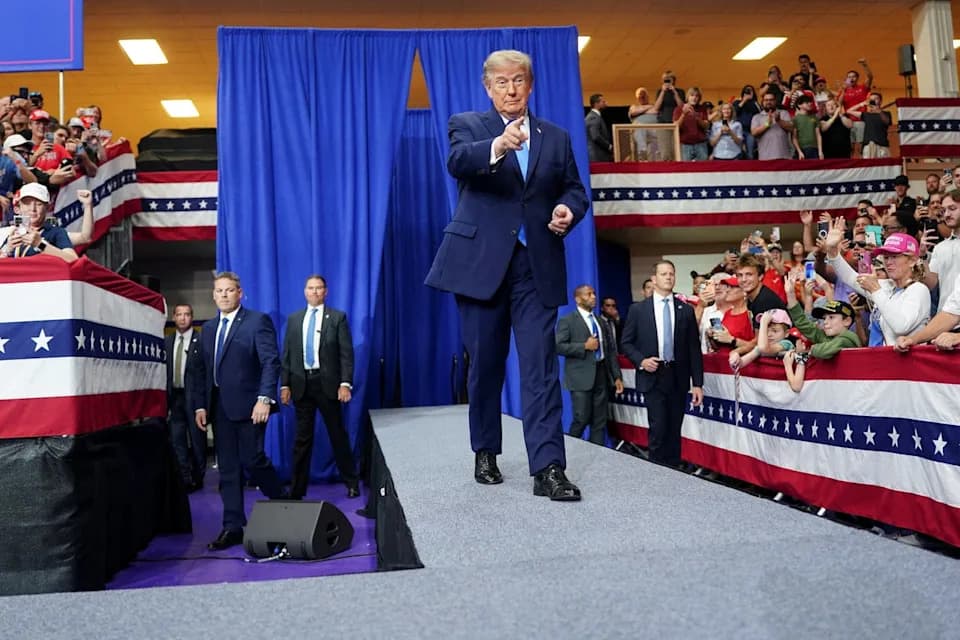
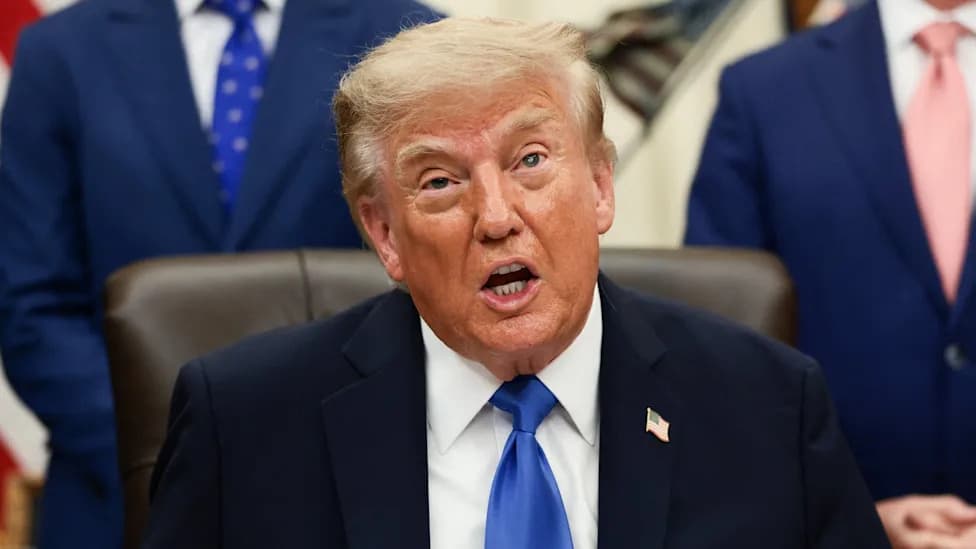
US President Donald Trump gestures as he walks during a rally at Butler High School in Vandalia, Ohio, US, October 3, 2026. He told his supporters that they should not oppose the construction of data centers in their communities (Reuters)
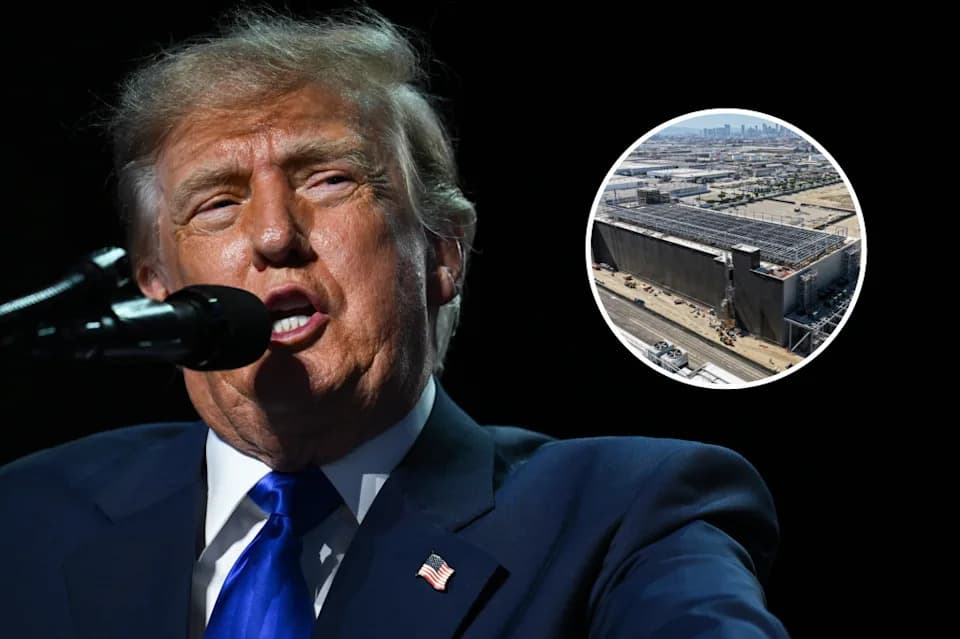
President Donald Trump used a campaign appearance in Vandalia, Ohio, on Oct. 3, 2026, to press local voters to support data center construction, saying blocking the projects could cede advantages to China in the AI race.
Speaking at a rally just north of Dayton, Trump framed the issue as an economic and strategic choice for Ohioans, telling supporters that the state stands to gain significant investment if it embraces data centers rather than standing in the way of them.
"There's so much money to be made for Ohio. You can't just turn them off. They'll go to China," Trump said, urging residents not to oppose construction.
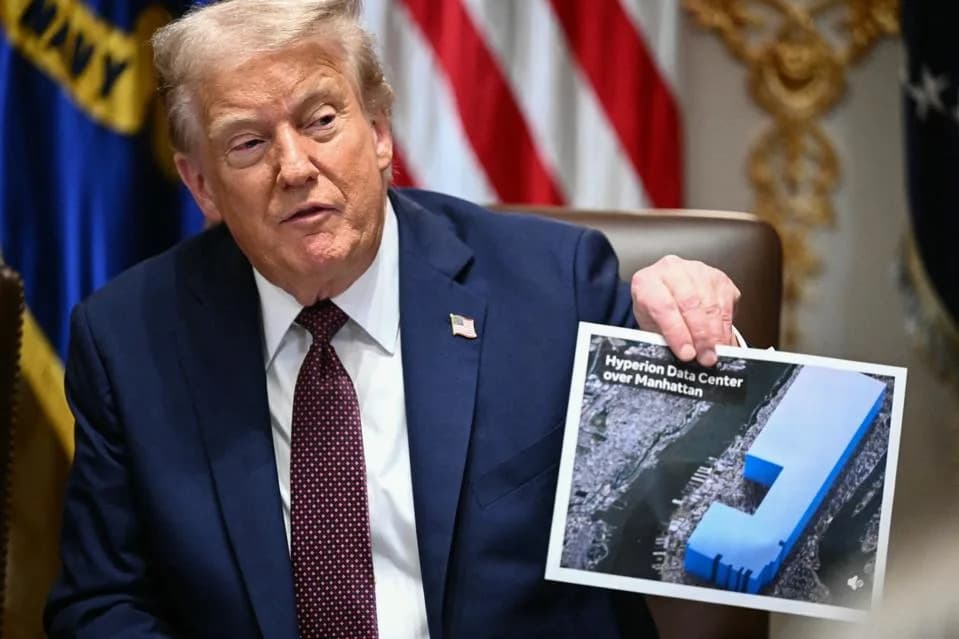
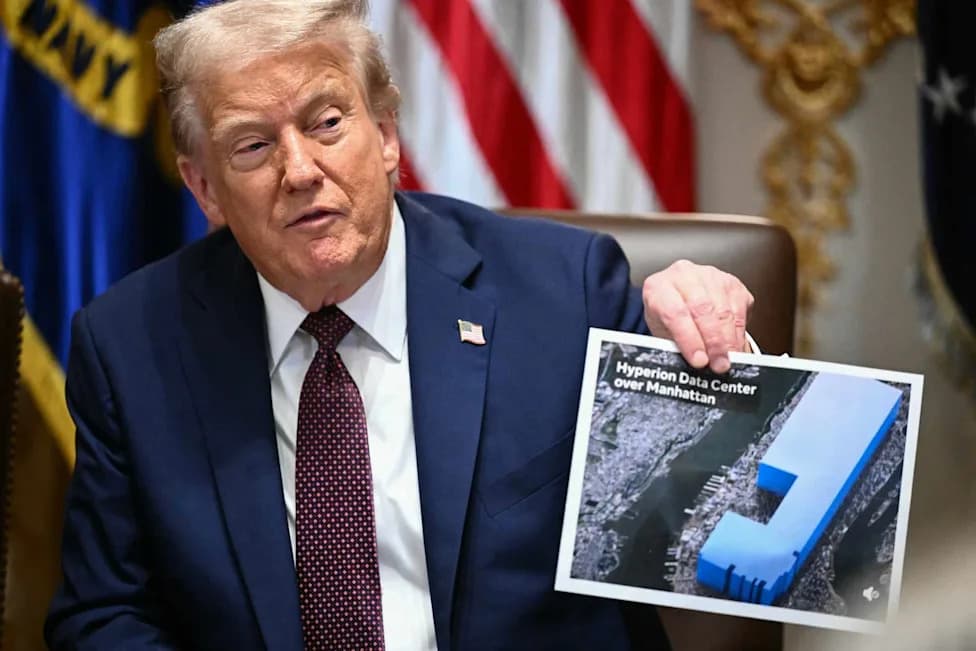
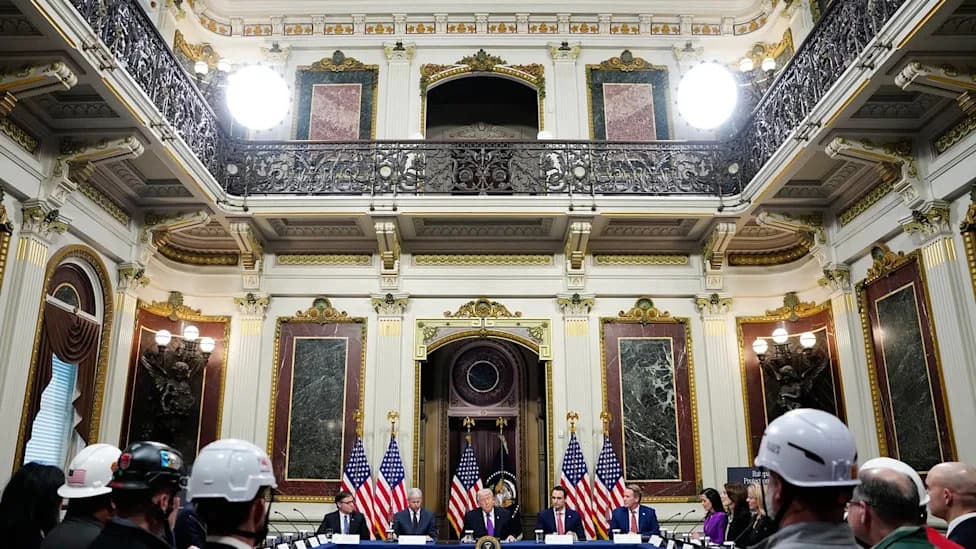
The president has recently taken to calling artificial intelligence "super intelligence" and has opposed pauses in data center construction or slowdowns in AI development — positions that put him at odds with some AI leaders, including OpenAI's Sam Altman and Anthropic's Dario Amodei, who have urged caution and safety-focused pauses in research.
Trump argued the facilities would bring economic benefits to local communities through investment, tax revenue and supporting services tied to technology infrastructure.
Photo caption: US President Donald Trump gestures as he walks during a rally at Butler High School in Vandalia, Ohio, Oct. 3, 2026. (Reuters)
Local Concerns and Political Backlash
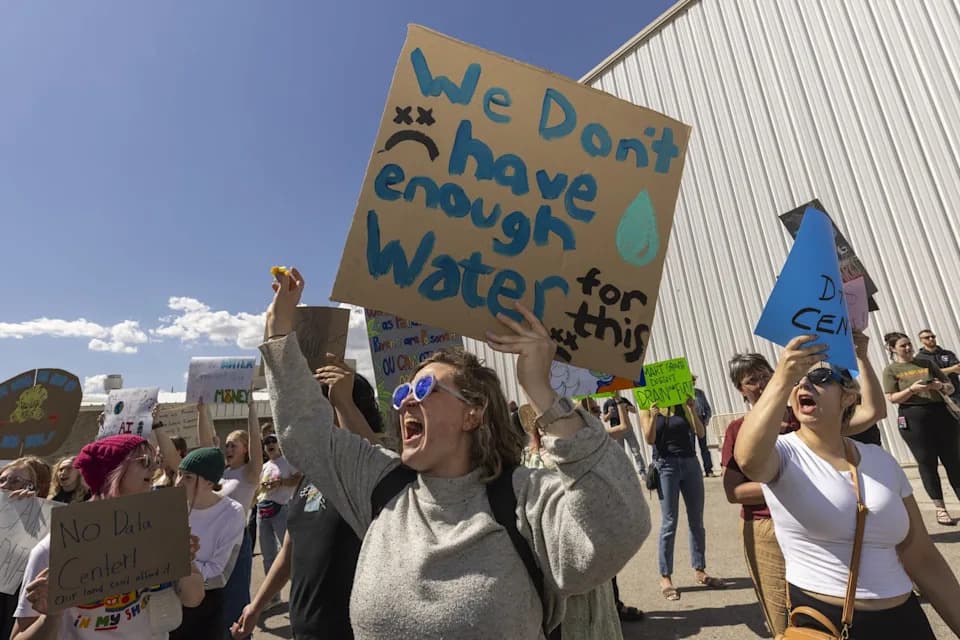
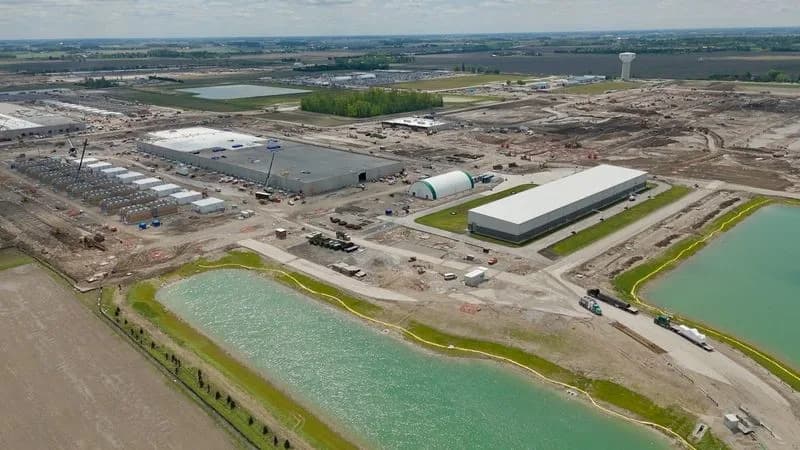
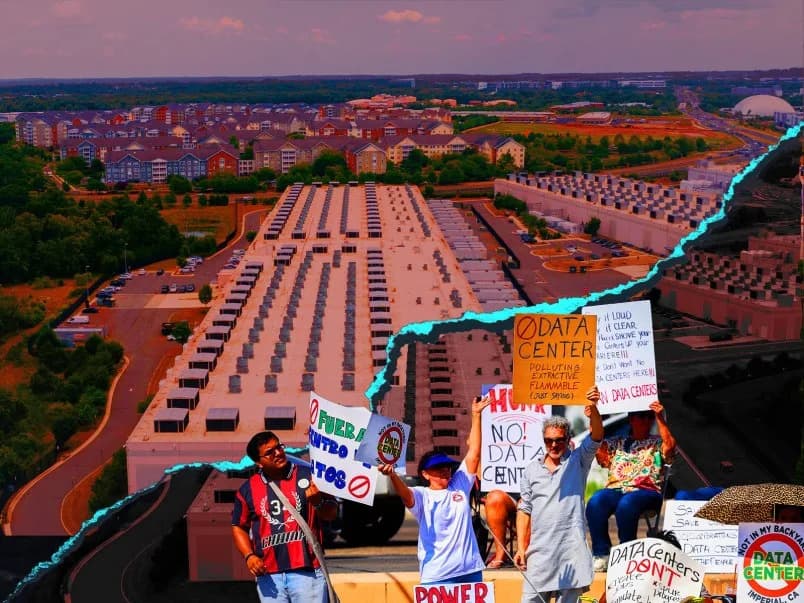
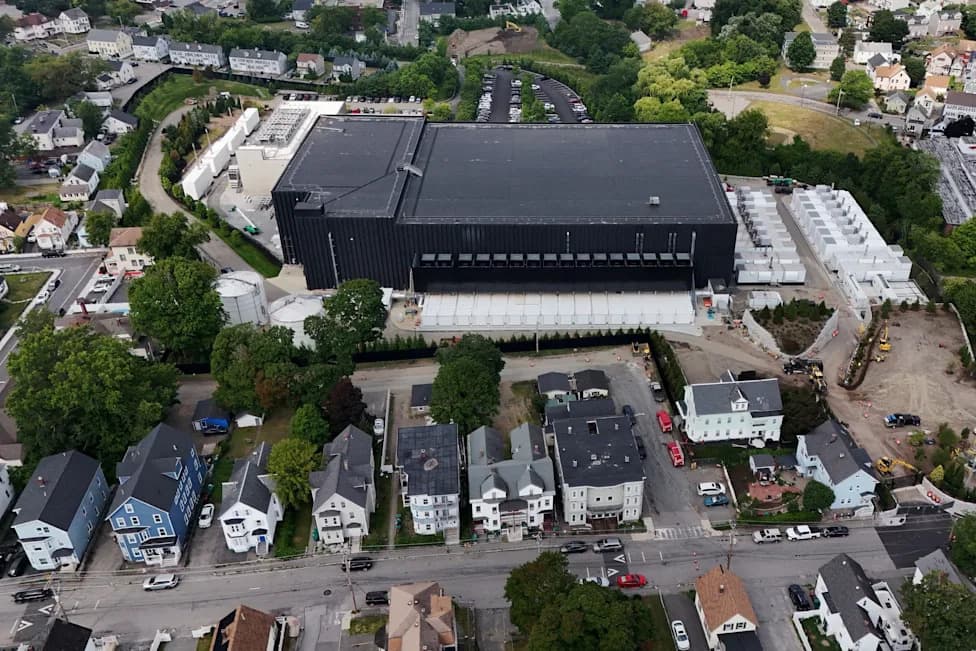
Opponents counter that data centers rarely create large numbers of long-term local jobs, can increase regional energy demand and costs, and generate noise, light and environmental impacts that concern nearby residents.
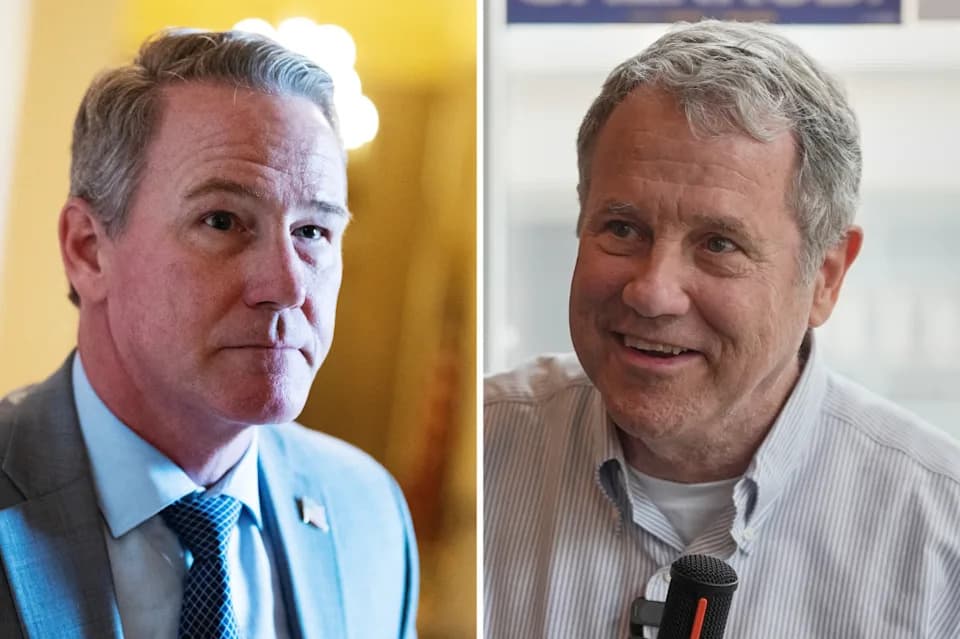
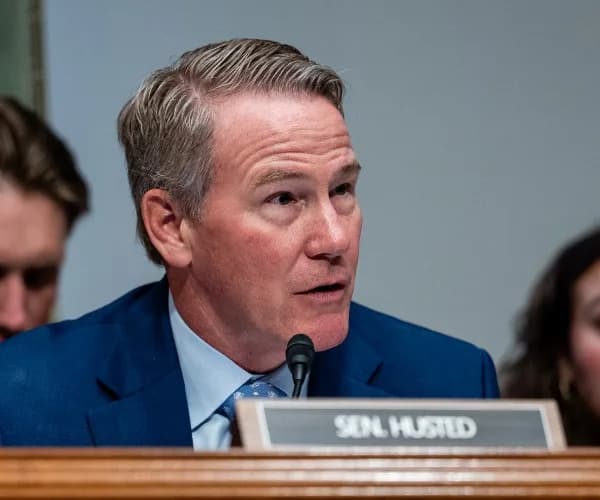
John Husted, who earlier served as Ohio's lieutenant governor, has been singled out for his role in promoting data center development. Critics say incentives and tax breaks used to attract data centers shift costs onto local communities.
To address those concerns, Husted sponsored legislation intended to require major power consumers to shoulder a larger share of the costs associated with their energy use, but the bill was blocked by Senate Democrats.
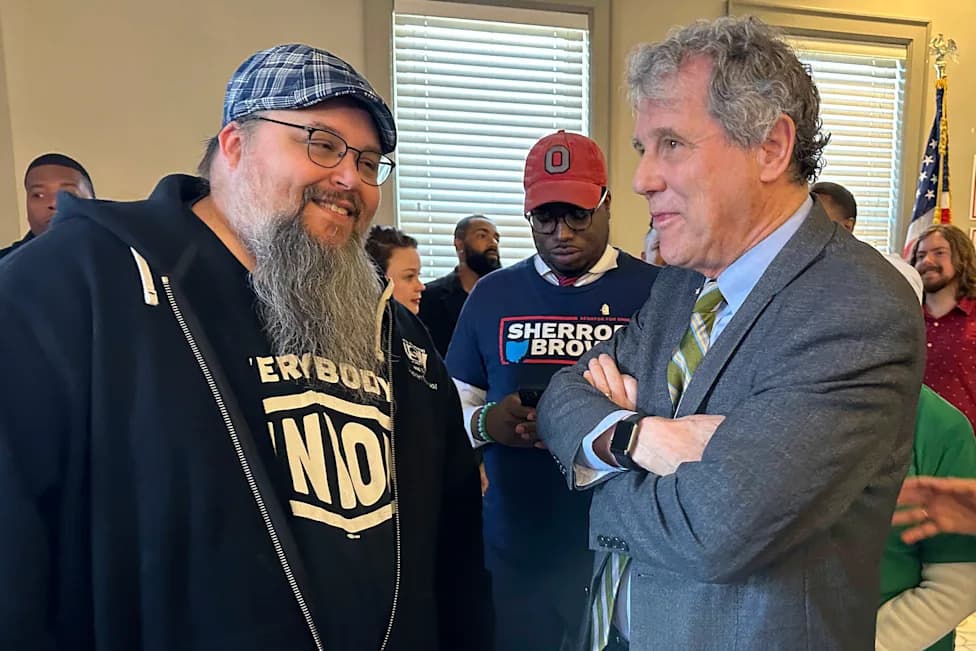
"Sen. Jon Husted gave billions in tax breaks to Big Tech to make sure they would build their data centers in Ohio. Now, he's making Ohioans foot the bill," Sen. Sherrod Brown said in a social media post, using the issue as a campaign attack.
The debate underscores a broader national tension between the economic lure of technology infrastructure and local environmental, fiscal and quality-of-life concerns as communities weigh the costs and benefits of hosting large-scale data centers.
Help us improve.