LA Metro's One Car Challenge is offering eligible Los Angeles County households up to $600 if they keep one vehicle parked at home for five weeks and use alternatives like transit, biking or walking. The expanded pilot—backed by a $2 million REAP grant—aims to enroll about 2,000 households, including single-car homes. Trips will be tracked via the GoCarma app; early results showed participants were 2.6 times more likely to forgo driving an extra vehicle and a 16.16% rise in walking, biking and transit use. Metro will use the results to evaluate long-term strategies for reducing congestion and emissions ahead of the 2028 Olympics.
LA Metro Will Pay Up To $600 If You Park One Car For Five Weeks — How The One Car Challenge Works
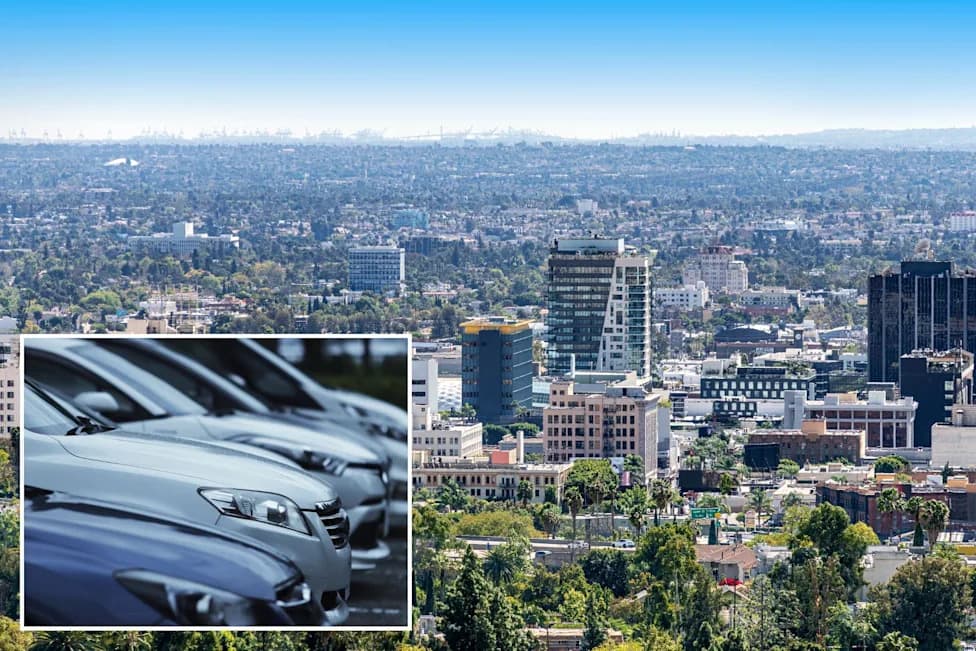
An image collage containing 2 images, Image 1 shows Downtown Santa Monica with tall buildings and green trees from Hollywood Reservoir dam, Image 2 shows Multiple cars are parked in a row, with the front ends visible
Los Angeles residents can now earn up to $600 by keeping one household vehicle parked for five weeks under LA Metro's expanded One Car Challenge. The program—now entering its second phase—encourages participants to shift trips to public transit, biking, walking, carpooling or other alternatives while Metro tracks travel using a smartphone app.
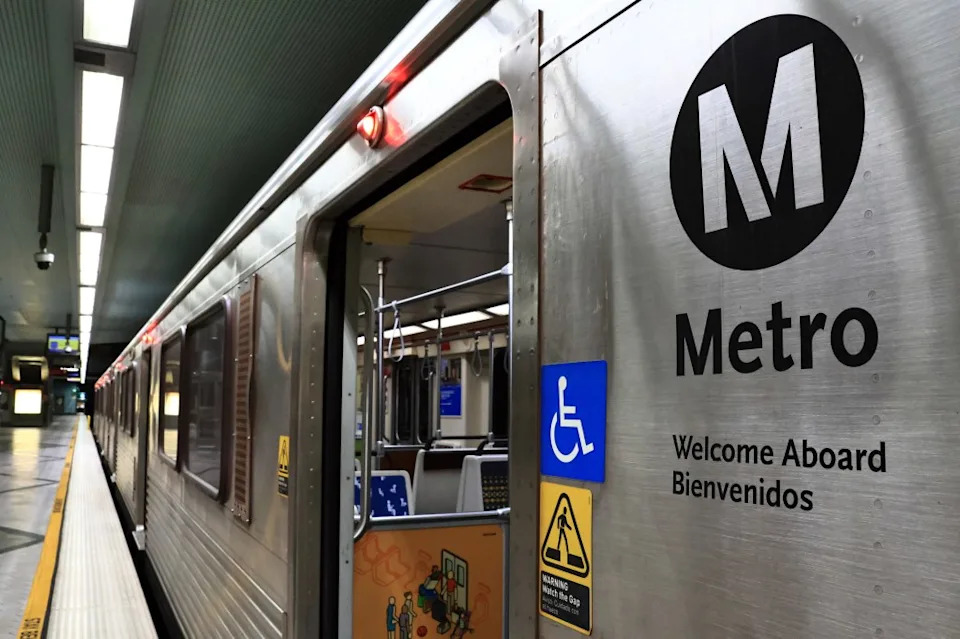
LA Metro has launched its One Car Challenge, a pilot program that will pay eligible Los Angeles County households up to $600. Getty Images
How the One Car Challenge Works
Eligible households (participants must be at least 21 years old) agree to leave one vehicle at home for a five-week period. Travel is monitored through the GoCarma app, which automatically records trips and vehicle mileage. Households that successfully complete the challenge are eligible to receive payments of up to $600.

LA Metro hopes the financial incentive will persuade residents to cut back on driving and lessen traffic and pollution. Getty Images
Scale and Support
The program expanded after a 2023 pilot in Santa Monica that involved roughly 300 multi-car households. This larger round targets about 2,000 households across Los Angeles County and—new this year—opens enrollment to single-car households as well. The expansion is supported by a $2 million Regional Early Action Planning (REAP) grant from the Southern California Association of Governments (SCAG).
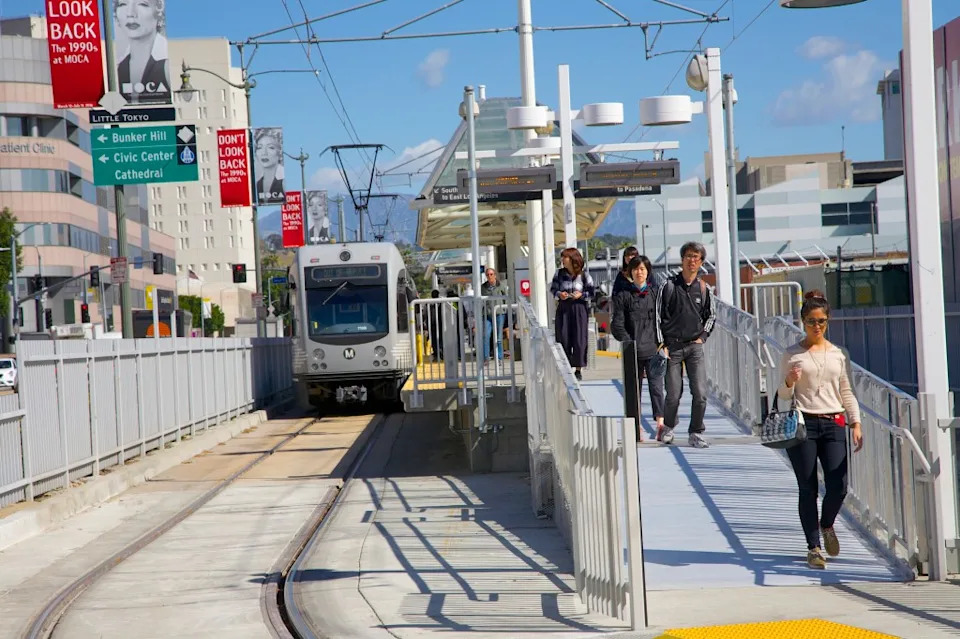
Residents that agree not to use one of their vehicles for five weeks and instead rely on public transit, biking, walking, carpooling or other transportation options will be eligible to receive the money. Getty Images
Early Results and Goals
Metro reported encouraging early results from the initial pilot. According to a statement to Spectrum News 1, participants were 2.6 times more likely to forgo driving an extra vehicle, and the pilot produced a documented 16.16% increase in walking, biking and public transit use. Metro says the study will test whether incentive payments can reduce vehicle miles traveled, ease congestion and cut emissions—insights intended to inform longer-term policy decisions ahead of the 2028 Los Angeles Olympics.
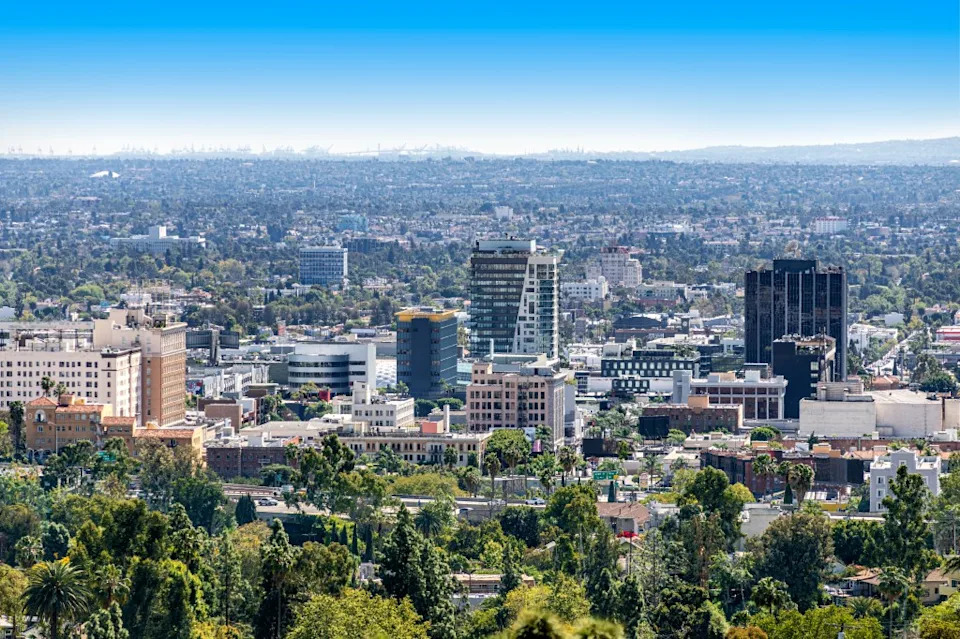
Officials say the incentive-based program could become a long-term strategy for reducing vehicles on the road in Los Angeles. Getty Images/iStockphoto
Metro: "The pilot showed a significant behavioral shift away from solo car trips, with the most notable increases seen in walking and micromobility."
Public Reaction and Practical Concerns
Online reaction has been mixed. Some commenters welcomed the cash incentive and the environmental benefits, while others said current transit options are impractical for many commutes—citing longer travel times or limited service. Supporters counter that many critics may not regularly use the system and that incentives can spur real behavior change.
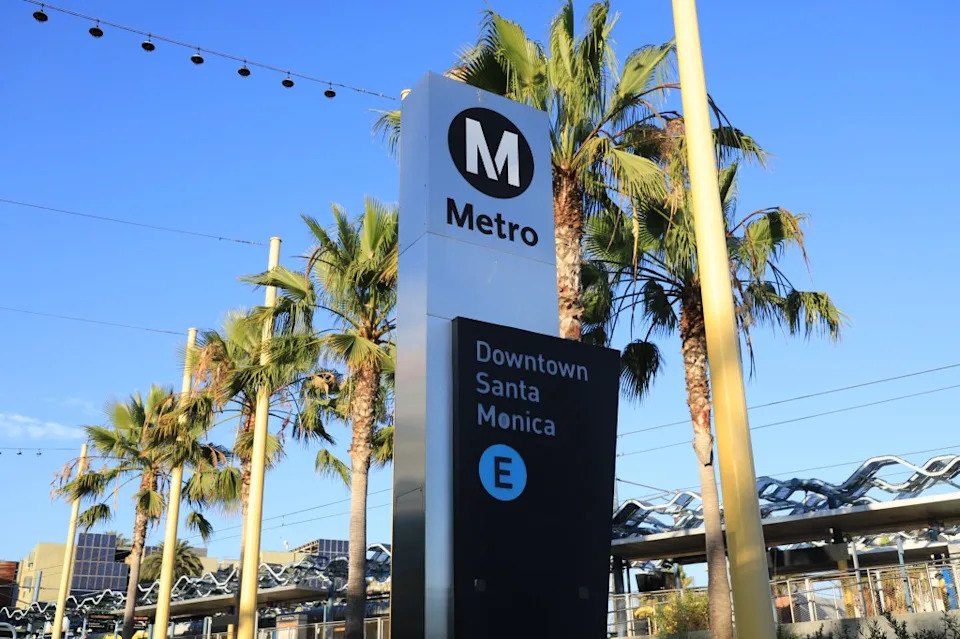
Residents who participate will have their travel habits monitored through the GoCarma smartphone app, which automatically tracks trips and vehicle mileage. Getty Images
How To Participate
Residents interested in enrolling can register through LA Metro's website. Metro will analyze the travel data collected by GoCarma to determine whether paying people to drive less could become part of California's long-term strategy for reducing congestion and pollution.
Key facts at a glance: Up to $600 payment; five-week commitment; tracked with GoCarma; targets ~2,000 households; backed by $2M REAP grant; pilot saw a 16.16% rise in walking, biking and transit use.
Help us improve.