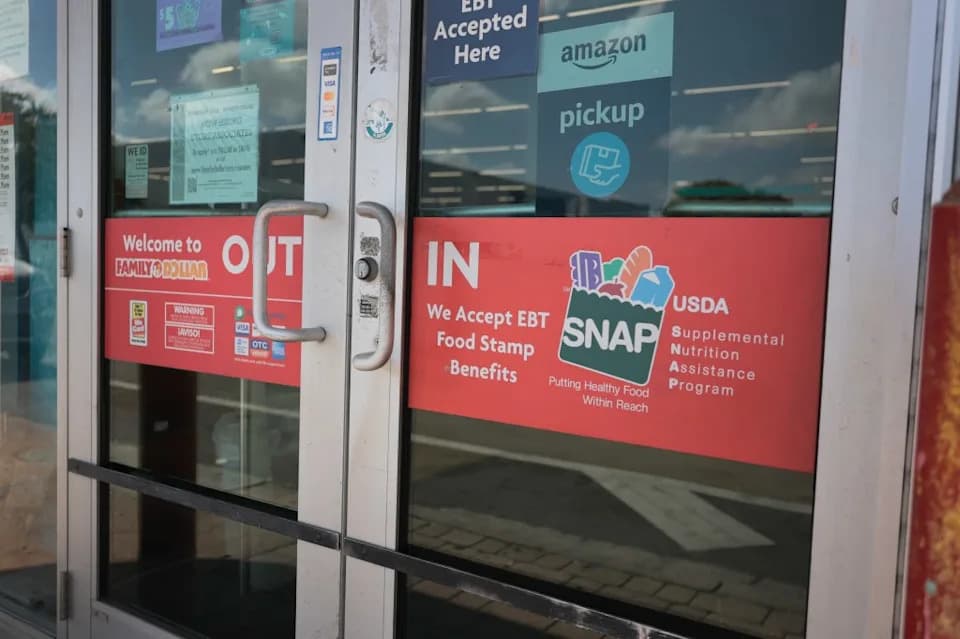
New Medi‑Cal rules will require many adults 19–64 to document 80 hours per month of work, education, volunteering, or training and will move some eligibility checks to every six months. Advocates warn the real threat is administrative: missed notices and paperwork could cause people to lose coverage even if they remain eligible. Local groups have launched the "Keep LA Covered" campaign to help residents navigate renewals, and enrollees are advised to update contact information and respond quickly to Medi‑Cal mail.
New Federal Medi‑Cal Rules Could Put Coverage At Risk for Over 1 Million in Los Angeles County
Photo Credit: iStock
A new federal change to Medi‑Cal rules could make it harder for more than 1 million people in Los Angeles County to keep their coverage by adding work‑reporting requirements and more frequent eligibility checks.
What’s Changing
Beginning Jan. 1, 2027, many Medi‑Cal enrollees aged 19 to 64 will be required to document 80 hours per month of paid work, volunteer activity, education, or job training, or otherwise provide proof of income, to retain their benefits. For some adults who enrolled through Medi‑Cal’s Affordable Care Act expansion, eligibility reviews will move from annual checks to every six months.
Who Is Exempt
Children 13 and under, pregnant people, older adults, and people with disabilities are generally exempt from the new requirements. However, advocates warn that administrative hurdles could still interrupt coverage for many who remain eligible.
Why Paperwork Is the Biggest Risk
For families balancing jobs, child care, unstable housing, and medical needs, the main danger may not be losing eligibility but missing notices or paperwork deadlines. Martha Santana‑Chin, CEO of LA Care Health Plan, told the Long Beach Post:
"One missed notice, one missed deadline, one moment of confusion can mean them losing their coverage, and it's not because they're no longer eligible. It's simply because they haven't been able to navigate the paperwork that's ahead of them."
Local Impact
About 4 million Los Angeles County residents—roughly 41% of the population—rely on Medi‑Cal for no‑cost or low‑cost coverage, so changes to enrollment rules could have wide reach. Organizers of the "Keep LA Covered" campaign estimate the new policy could affect more than 1 million people in the county.
Barriers for People Experiencing Homelessness
The 2026 Los Angeles Homeless Services Authority count found more than 73,000 people experiencing homelessness in LA County. Many of these individuals may qualify for medical exemptions, but obtaining an exemption can require clinic visits and paperwork that are difficult to manage without stable housing or reliable mail service.
Federal Rationale and Local Response
The policy traces back to H.R. 1 (the measure referenced in coverage as the "One Big Beautiful Bill"), and the Centers for Medicare & Medicaid Services (CMS) has issued the regulation implementing the work requirement. CMS Administrator Mehmet Oz said the rule is intended to "help Americans build skills and independence through work, education, job training, or community service, creating new opportunities for themselves and their families."
In response, LA Care Health Plan and local partners launched the "Keep LA Covered" campaign to train trusted community leaders—pastors, teachers, health workers—and volunteers to help residents understand renewal notices and meet documentation requirements. The first training is scheduled for Oct. 27 and will be hosted by Maternal Child Health Access.
Practical Steps for Enrollees
Medi‑Cal recipients can prepare now: confirm the county Medi‑Cal office has a current mailing address and phone number, watch for yellow or white Medi‑Cal mailers, and respond promptly to document requests. If the state cannot confirm compliance, it must send a noncompliance notice and allow 30 days for the enrollee to demonstrate compliance or request an exemption.
Broader Context
The original article also noted other California policy developments, including Kaiser nurses' concerns about AI call‑scoring and quotas, new paid sick‑day protections for farmworkers, a long‑term climate plan advanced in Santa Barbara County, and state efforts to address shrinking availability and rising costs of homeowners insurance.
Bottom line: The biggest near‑term risk for many Medi‑Cal enrollees in Los Angeles County is administrative — missed mailers, deadlines, or confusing instructions — rather than loss of eligibility based on income or medical status.
Help us improve.