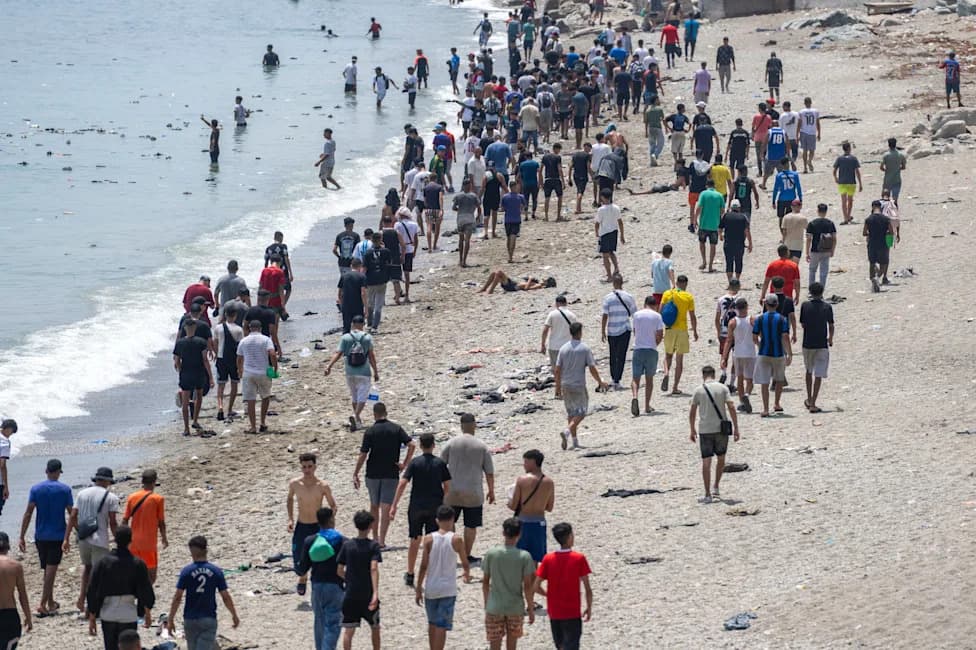
Sumar, a junior coalition partner in Spain's government, has submitted a non-binding motion asking authorities to reconsider co-hosting the 2030 World Cup with Morocco and Portugal following a deadly migration surge into Ceuta. Spain says nearly 72,000 people crossed last week and that almost all were returned; about 2,000 remain, including roughly 1,000 minors. More than 80 people died during mass crossings, prompting calls for greater clarity about Morocco's role and similar reassessment requests from Portugal's Livre party.
Spain Coalition Partner Urges Reconsideration Of 2030 World Cup Co-Hosting With Morocco After Deadly Ceuta Crisis
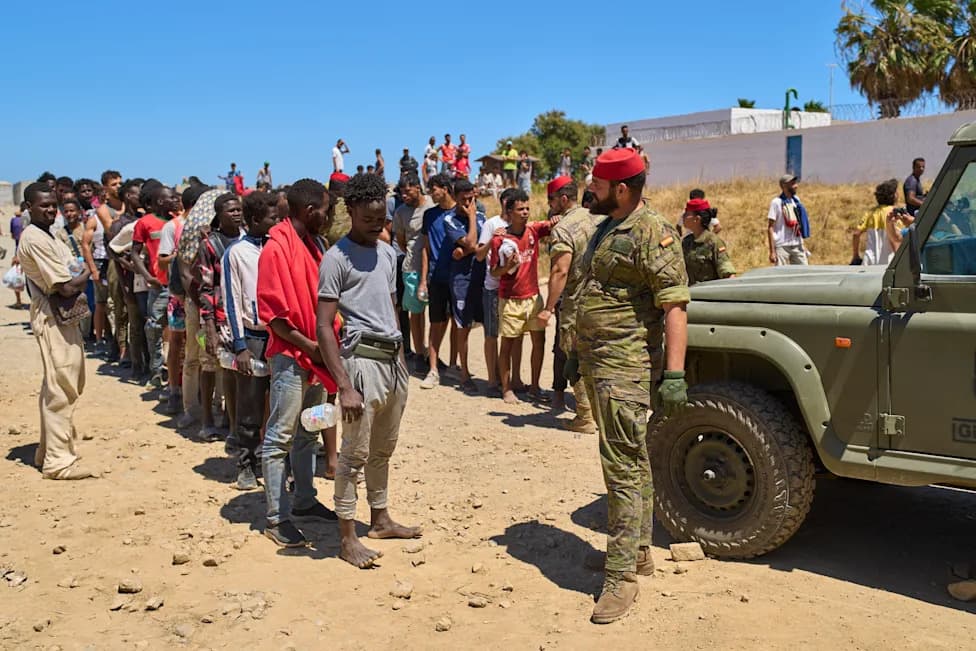
Migrants who crossed into Spain from Morocco line up for water distributed by Spanish soldiers in the Spanish enclave of Ceuta, Sunday, Aug. 2, 2026. (AP Photo/Bernat Armangue)(AP Photo/Bernat Armangue)
BARCELONA — Sumar, the small left-wing junior partner in Spain's ruling coalition, has asked Parliament to reconsider Spain's plan to co-host the 2030 FIFA World Cup with Morocco and Portugal in the wake of a deadly migration crisis in Ceuta.
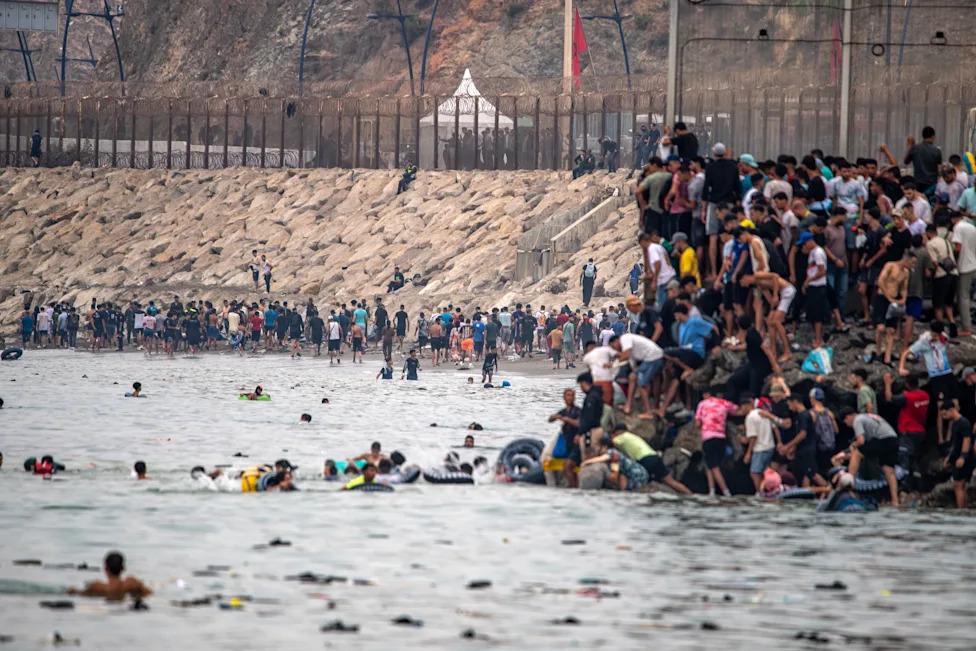
Migrants return to Morocco from the Spanish enclave of Ceuta, Friday, July 31, 2026. (AP Photo/Antonio Sempere)(AP Photo/Antonio Sempere)
Motion, Reaction and Context
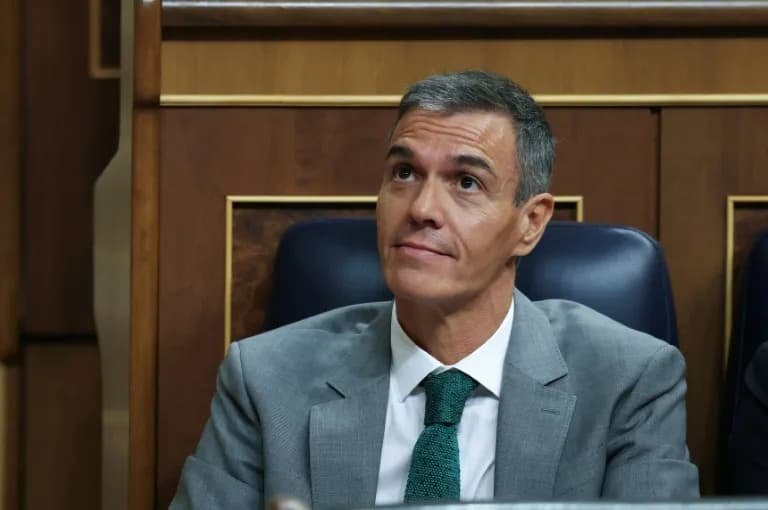
On Wednesday, Sumar presented a non-binding motion asking Spain's sports authorities to revisit the joint hosting agreement. Although the party holds just 26 of 350 parliamentary seats, its influence is amplified by its ministerial roles within Prime Minister Pedro Sánchez's government.
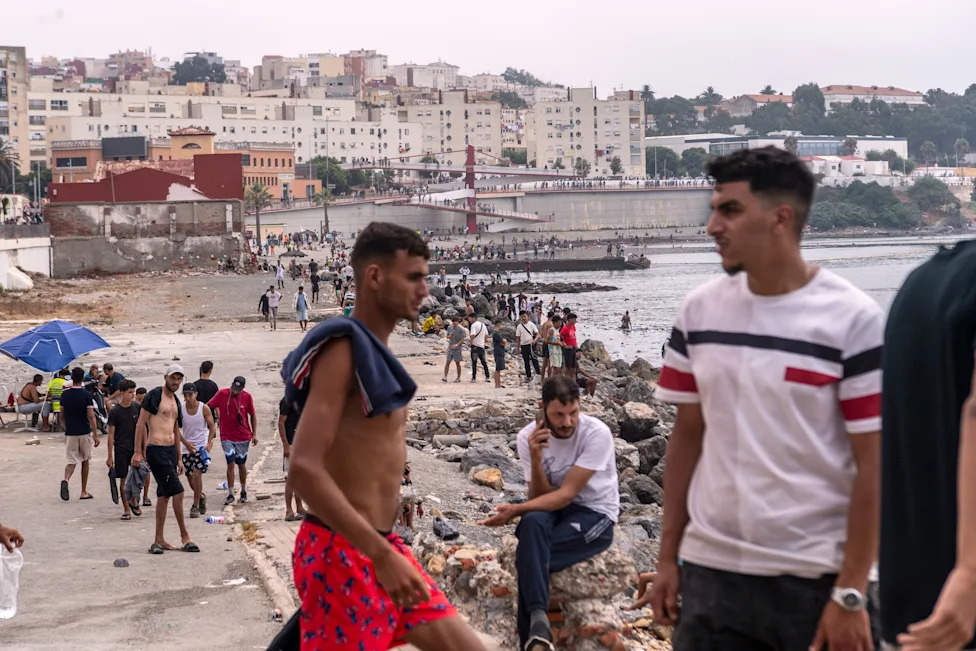
Migrants return to Morocco from the Spanish enclave of Ceuta, Friday, July 31, 2026. (AP Photo/Antonio Sempere)(AP Photo/Antonio Sempere)
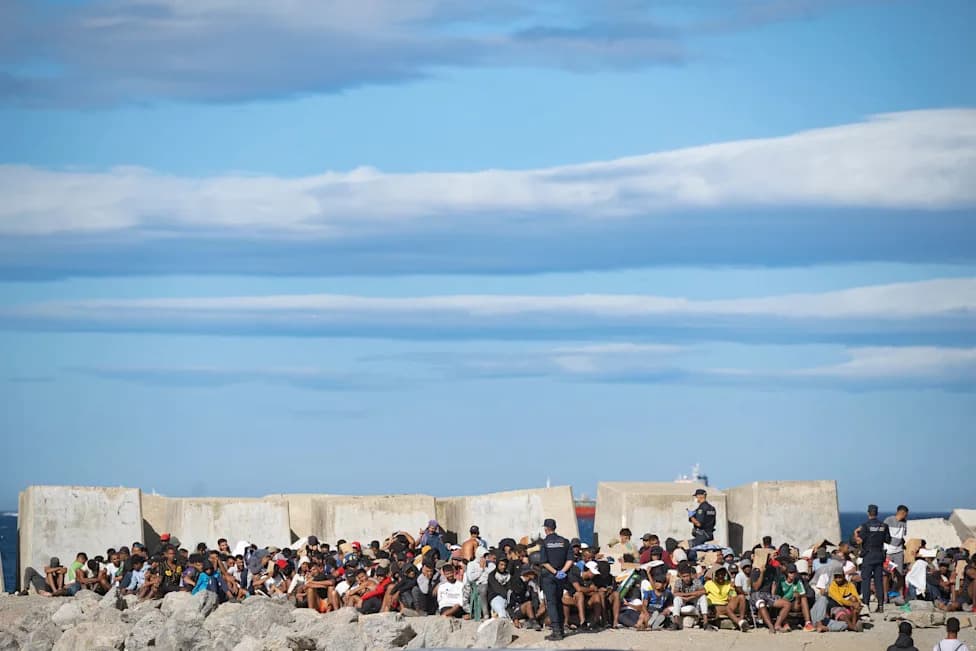
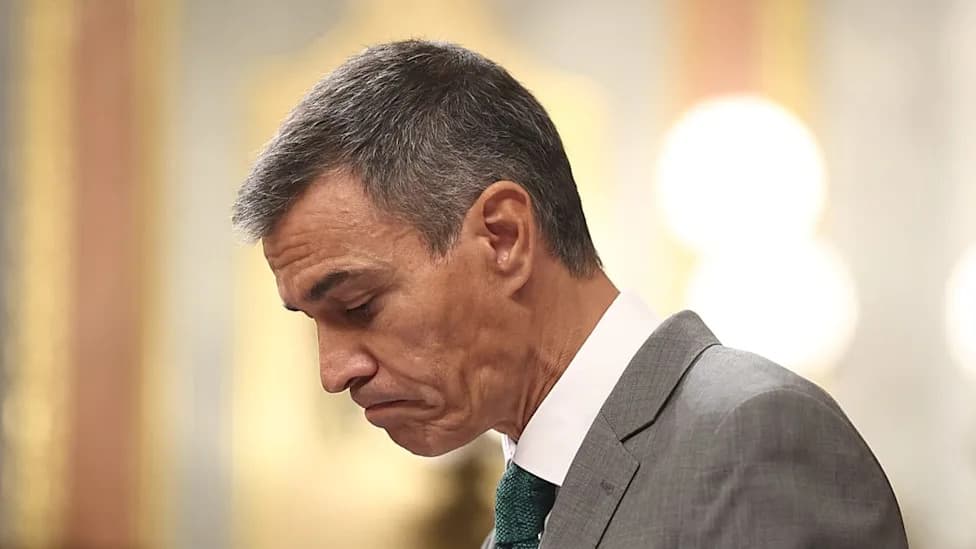
Sánchez has defended Morocco's actions during the Ceuta episode, saying Moroccan authorities helped return almost all of the roughly 72,000 people who crossed into the Spanish enclave last week. Spain's Interior Ministry says about 2,000 people remain in Ceuta, including roughly 1,000 minors.
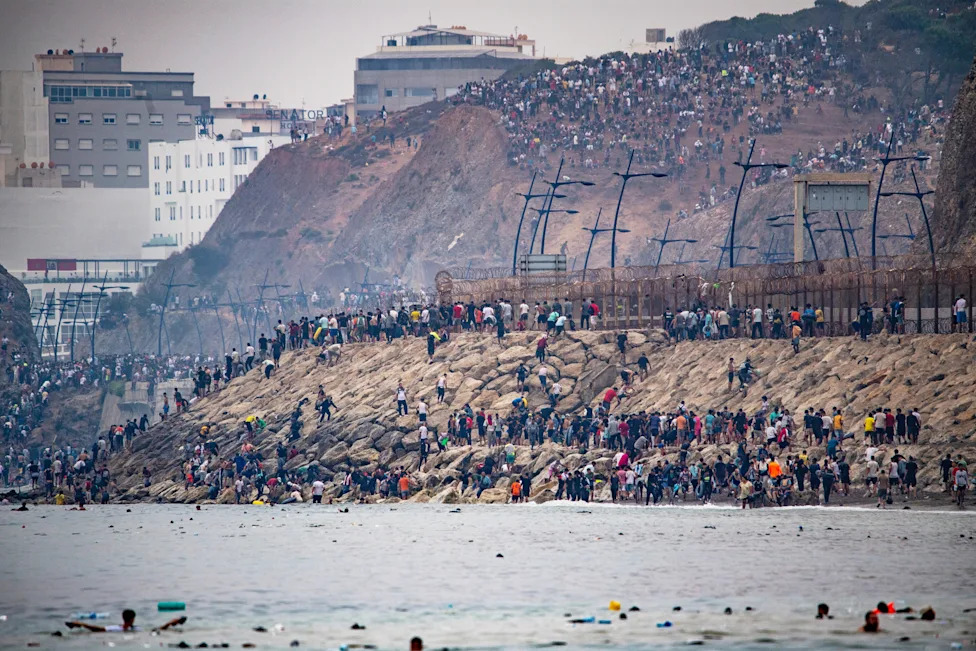
Migrants return to Morocco from the Spanish enclave of Ceuta, Friday, July 31, 2026. (AP Photo/Antonio Sempere)(AP Photo/Antonio Sempere)
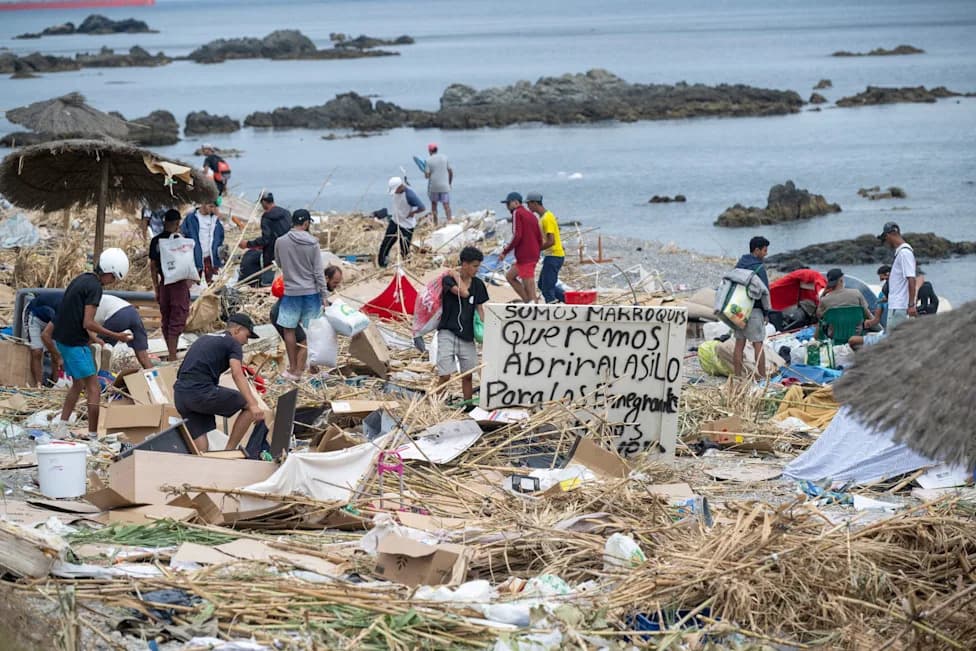
Critics across Spain's political spectrum — including the defense minister — have called on Morocco for a fuller explanation of the events, which were intensified by social media posts encouraging crossings. More than 80 people died trying to swim past a breakwater and border fence from Morocco into Ceuta during a mass crossing.
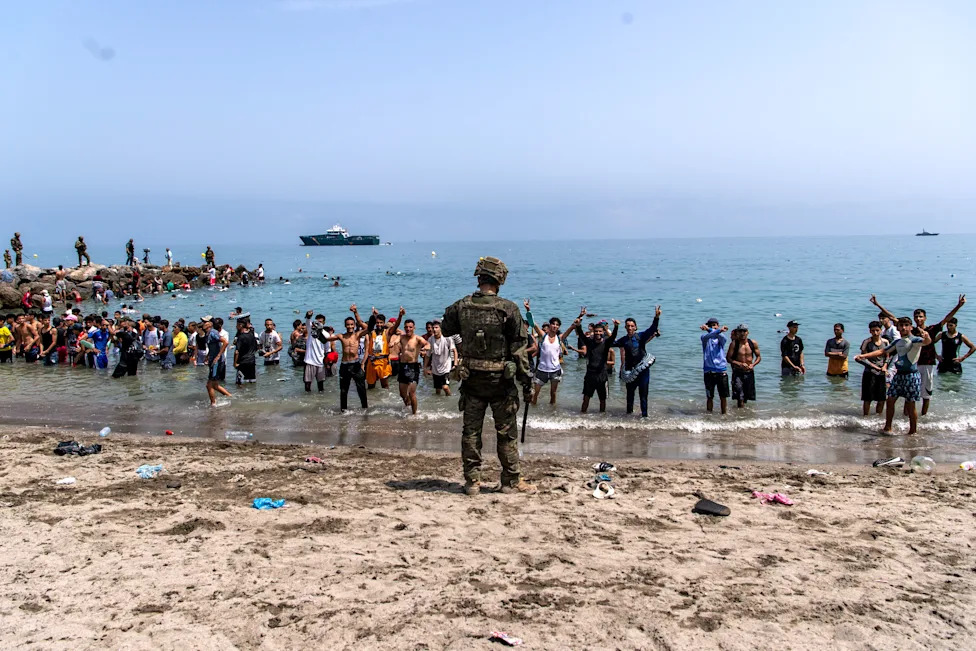
Spanish army soldiers block access to the beach for people crossing from Morocco into the Spanish enclave of Ceuta, Friday, July 31, 2026. (AP Photo/Antonio Sempere)(AP Photo/Antonio Sempere)
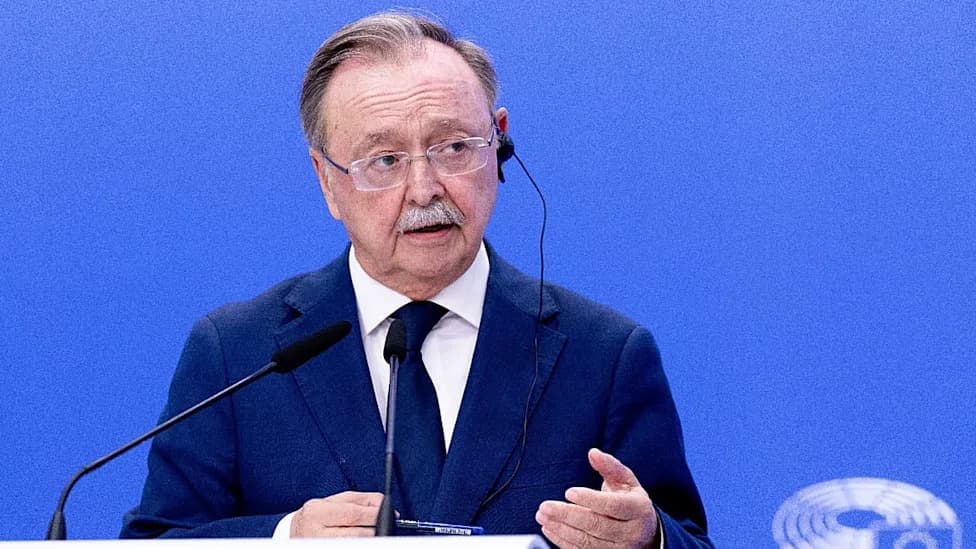
"The Moroccan state, the Moroccan monarchy, does not respect human rights; it uses migrants to exercise political pressure," said Nahuel González, one of Sumar's parliamentarians who authored the motion.
When pressed, González did not specify whether Sumar aims to strip Morocco of co-host status or to have Spain withdraw from the joint bid. The motion's authors say the request stems from concerns about human rights and the political use of migration.
Portugal's small left-wing party Livre also urged a reassessment, sending a letter to Prime Minister Luís Montenegro and to the Portuguese Football Federation calling the arrangement "unsustainable" in light of the Ceuta crisis.
What Hosting Would Look Like
The 2030 World Cup is planned primarily across Spain, Morocco and Portugal, with Argentina, Paraguay and Uruguay each scheduled to host a single match to commemorate the centenary of Uruguay's hosting of the inaugural 1930 tournament.
Sumar's motion is non-binding and faces uncertain prospects for broader support beyond other small left-leaning parties. For now, the proposal has sparked debate about the intersection of international sport, migration policy and human rights.
Videojournalist Helena Alves contributed reporting from Lisbon.
Help us improve.