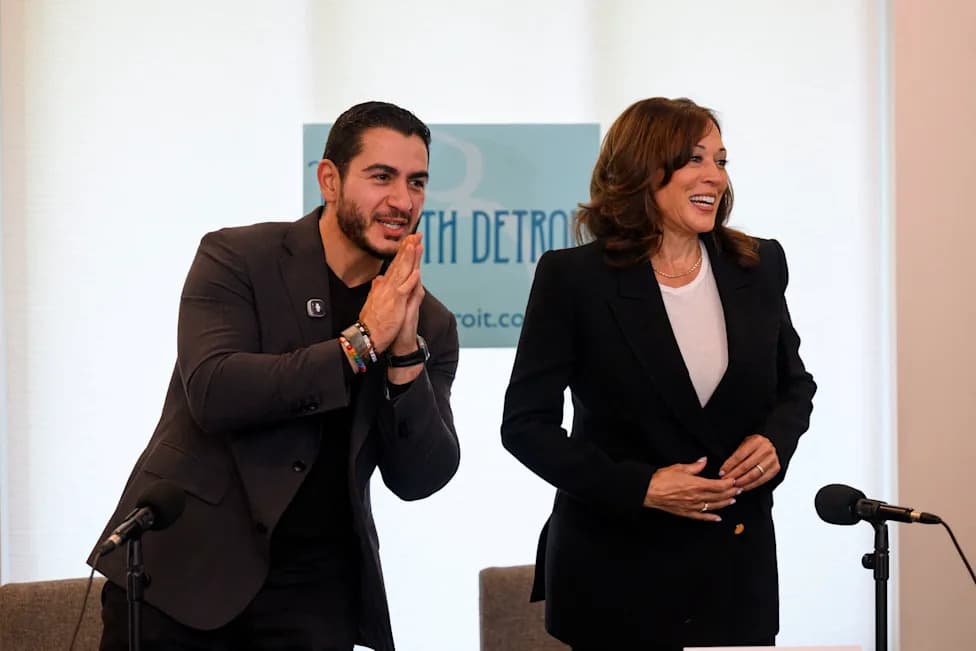
Abdul El‑Sayed narrowly defeated Rep. Haley Stevens in Michigan’s Democratic Senate primary, scoring a major win for the progressive wing. The long, expensive primary centered on economic policy, Israel, and questions of general‑election electability against Republican Mike Rogers. El‑Sayed’s victory deepens the party divide between establishment pragmatists and activists pushing for bolder change.
Abdul El‑Sayed Narrowly Wins Michigan Democratic Senate Primary, Delivering a Major Progressive Victory
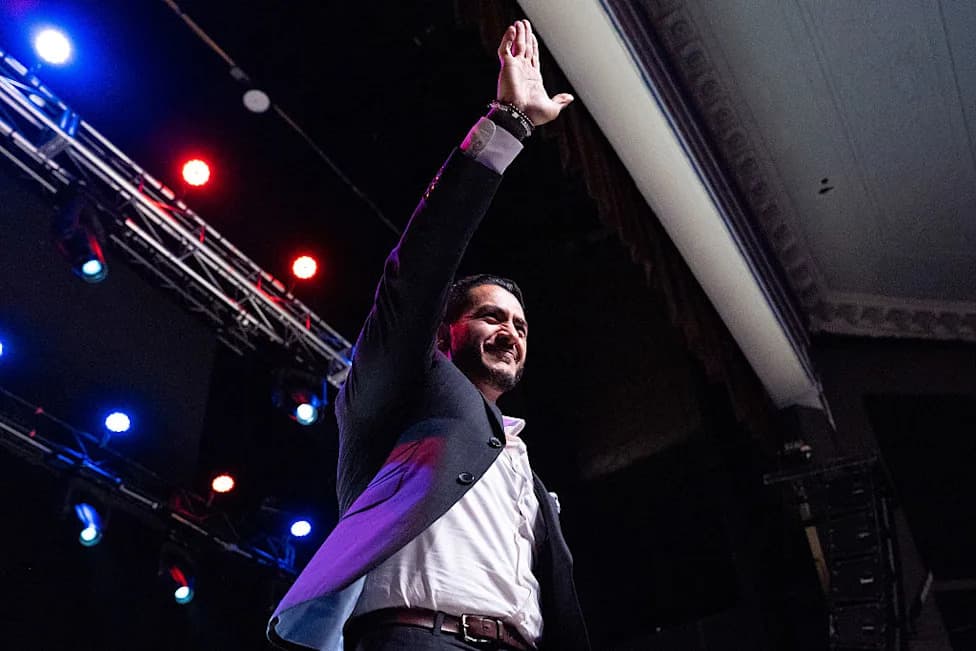
U.S. Senate candidate Abdul El-Sayed departs after speaking during a Michigan Democratic primary election night watch party at The Majestic Theatre in Detroit, early on Wednesday, Aug. 5, 2026. —Sarah Rice—Bloomberg/Getty Images
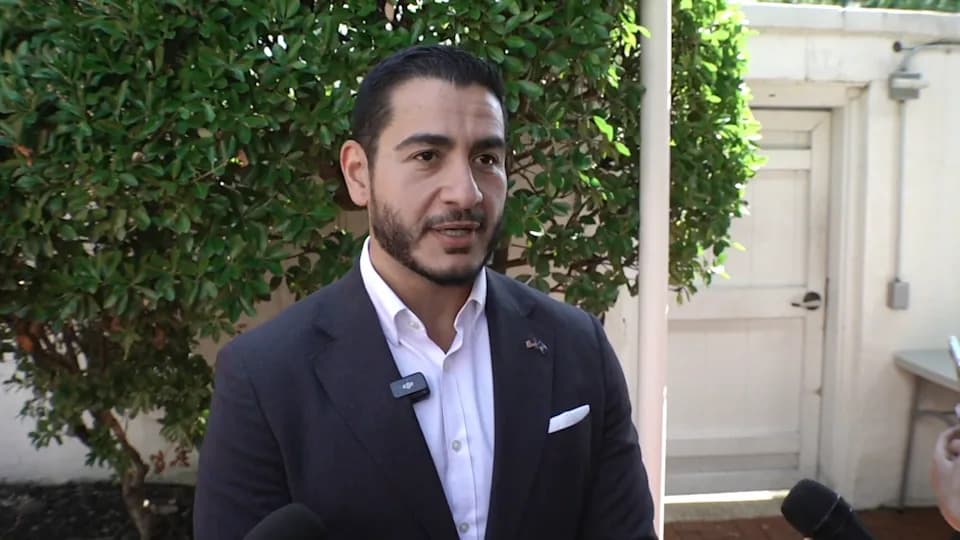
Abdul El‑Sayed, a former public‑health official, narrowly defeated Rep. Haley Stevens in Michigan’s Democratic Senate primary, handing the party’s insurgent progressive wing a high‑profile victory in a contest widely seen as a test of the party’s direction ahead of November.
The Associated Press called the race early Wednesday, bringing to a close one of the midterms’ costliest and most contentious primaries. Michigan’s open seat, vacated by Sen. Gary Peters, is considered pivotal to Democrats’ chances of retaining or regaining control of the Senate, and party strategists on both sides have warned the outcome will shape the general‑election map.
A Clear Ideological Choice
The primary evolved into a proxy fight over the future of the Democratic Party. El‑Sayed, 41, a Rhodes Scholar and Columbia Medical School graduate who built a national profile during a 2018 gubernatorial bid, ran on an unapologetically progressive platform: Medicare for All, a 7% annual wealth tax on billionaires and sweeping reforms to address economic inequality. In a TIME interview he warned, "Democrats really should be afraid of what I mean for their system of politics. When I say I'm coming for it, I'm coming for all of it."
Stevens, 43, a moderate from the Detroit suburbs first elected to Congress in 2018, positioned herself as the pragmatic choice to keep the seat in Democratic hands. She emphasized her congressional record, ties to Michigan manufacturing communities and experience working in the Obama administration during the auto bailout, arguing she was best placed to win a competitive general election.
Key Issues: Electability, Israel, And Outside Spending
Central to the contest were questions about electability and foreign policy. El‑Sayed criticized Stevens for supporting continued U.S. military assistance to Israel and for declining to label Israel's actions in Gaza a genocide. He also spotlighted her ties to pro‑Israel groups and the significant outside spending from allied super PACs.
Republicans and conservative groups sought to capitalize on El‑Sayed’s progressive stances, highlighting his criticism of Israel and his public association with commentator Hasan Piker. El‑Sayed’s decision to campaign with Piker near the primary drew sharp Republican attacks; Piker has faced scrutiny for past controversial remarks that he has since said he regretted.
What Comes Next
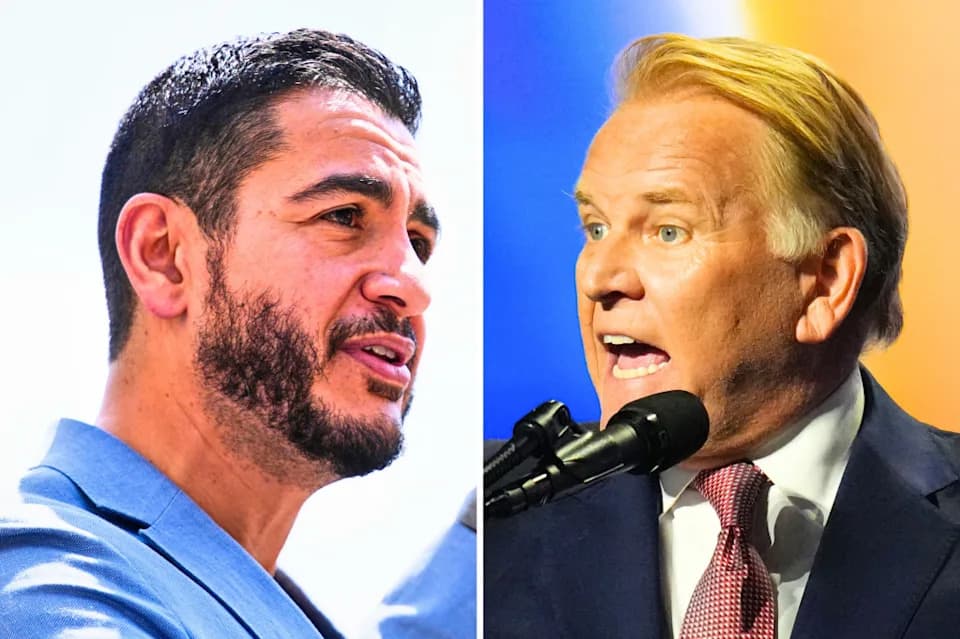
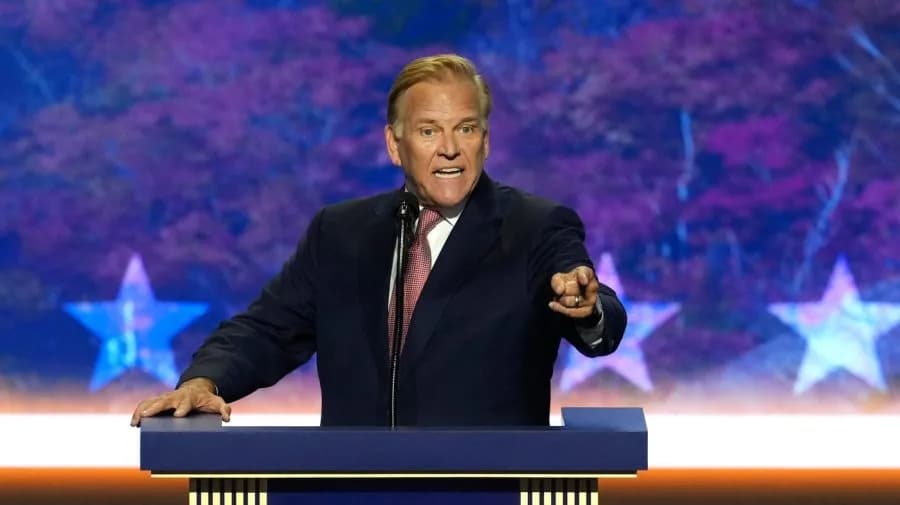
With the primary settled, attention turns to the general election matchup against Republican Mike Rogers, who ran unopposed for his party’s nomination. Some Democrats worry El‑Sayed may be a tougher general‑election candidate in a battleground state that often swings between the parties, while progressives celebrate a signal that the party’s base is moving toward candidates willing to sharply challenge the status quo.
If elected, El‑Sayed would be the first Muslim U.S. senator. His past statements on Israel and related remarks tying local incidents to broader debates about Gaza have drawn strong reactions from some Jewish and other community leaders in Michigan; he has also condemned violence and disavowed anti‑Semitism.
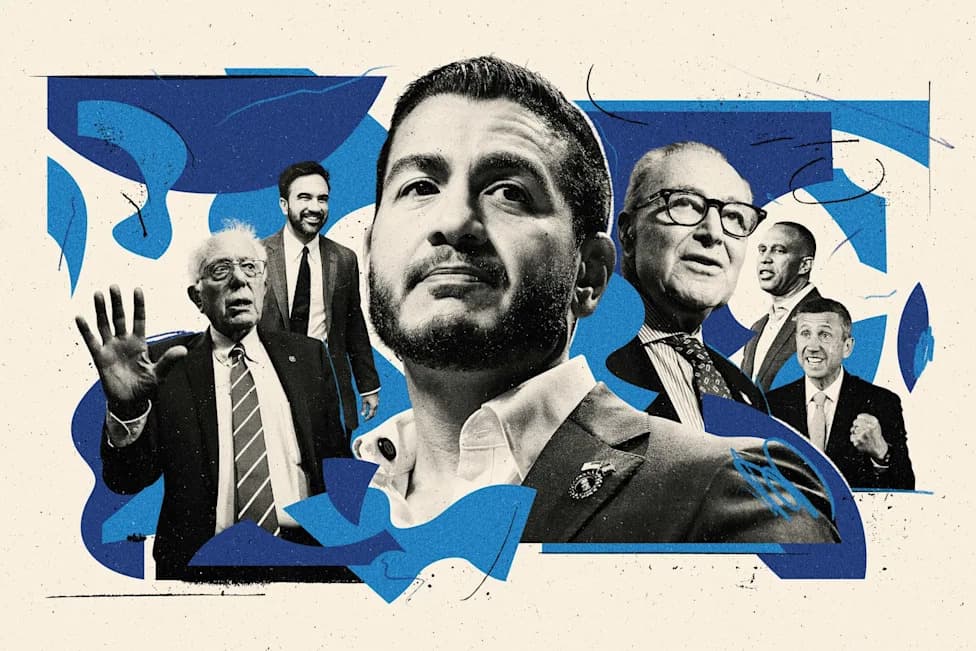
The campaign changed shape in early July when state Sen. Mallory McMorrow withdrew, leaving a head‑to‑head battle between two distinct visions for the party. Stevens drew endorsements from establishment figures including Senate Democratic Leader Chuck Schumer and Gov. Gretchen Whitmer, while El‑Sayed expanded his progressive alliances by campaigning with Sen. Bernie Sanders and Rep. Alexandria Ocasio‑Cortez.
Bottom line: El‑Sayed’s victory is likely to intensify intraparty debate over ideology versus electability as Democrats prepare for a closely watched general election in Michigan and beyond.
Help us improve.