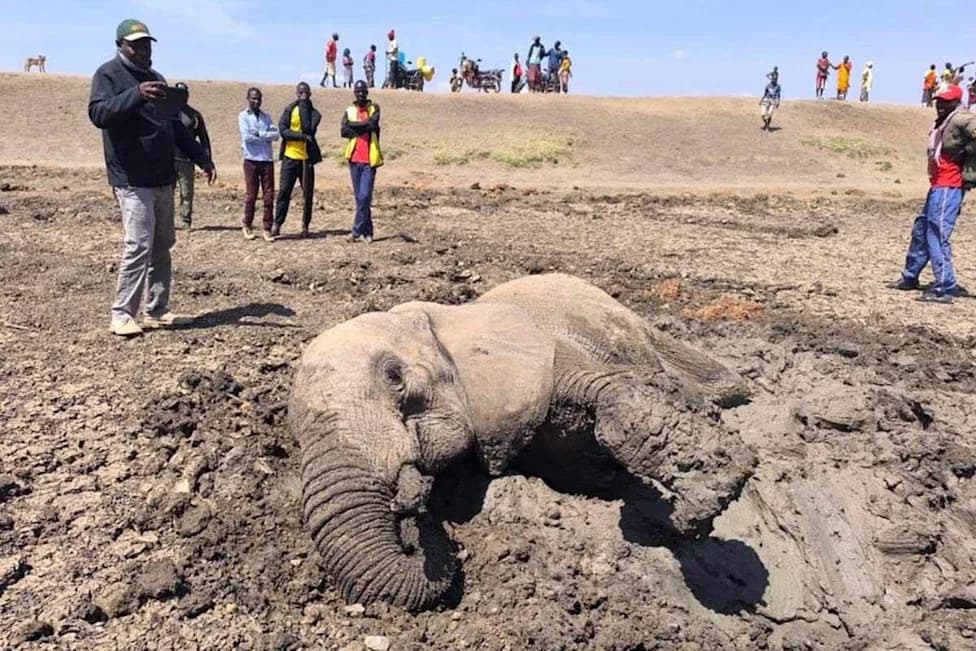
The hirola, Africa’s most endangered antelope and the only living member of the genus Beatragus, has plunged from roughly 15,000–16,000 animals to fewer than 500 today. Listed as Critically Endangered by the IUCN, the hirola depends on restored grasslands — often maintained by elephants — and cannot be rescued through captive breeding. Current recovery work focuses on in situ protections: community conservancies, expanded reserves (more than 1.2 million acres), anti-poaching patrols, and a conservation target of about 1,000 animals to restore genetic health.
From 16,000 to Fewer Than 500: Can the Hirola — Africa’s 'Ghost of the Horn' — Be Saved?
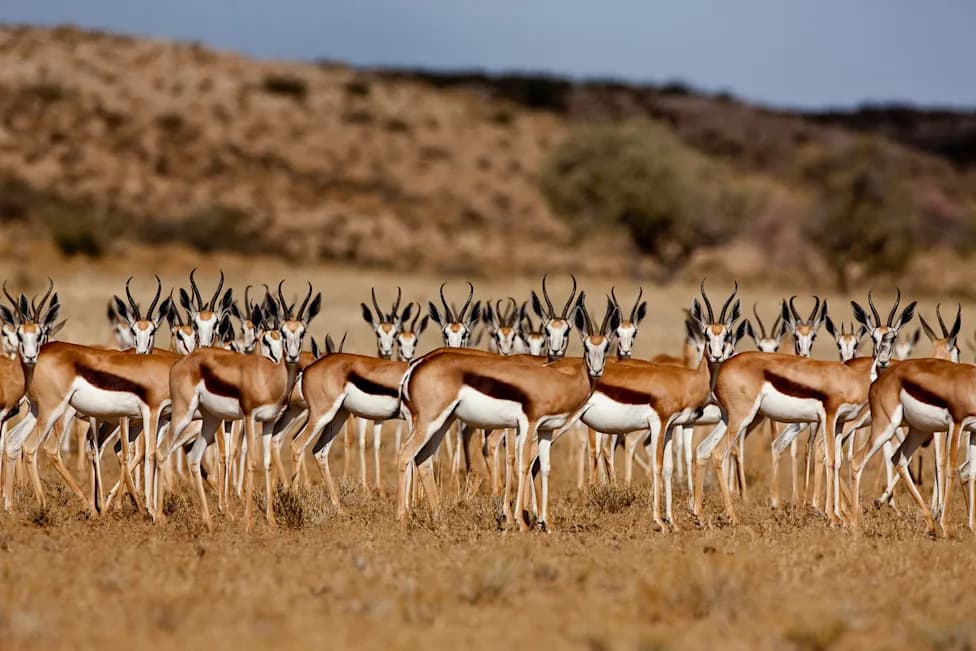
Antelope in african savannah. Tsavo national park, Kenya© travel4fishing/Shutterstock.com
The hirola is a little-known antelope native to parts of Kenya and Somalia. Often called the "ghost of the horn," it is now Africa’s most endangered antelope. Once widespread, the hirola has suffered a catastrophic decline in recent decades and today survives only in small, fragmented populations.
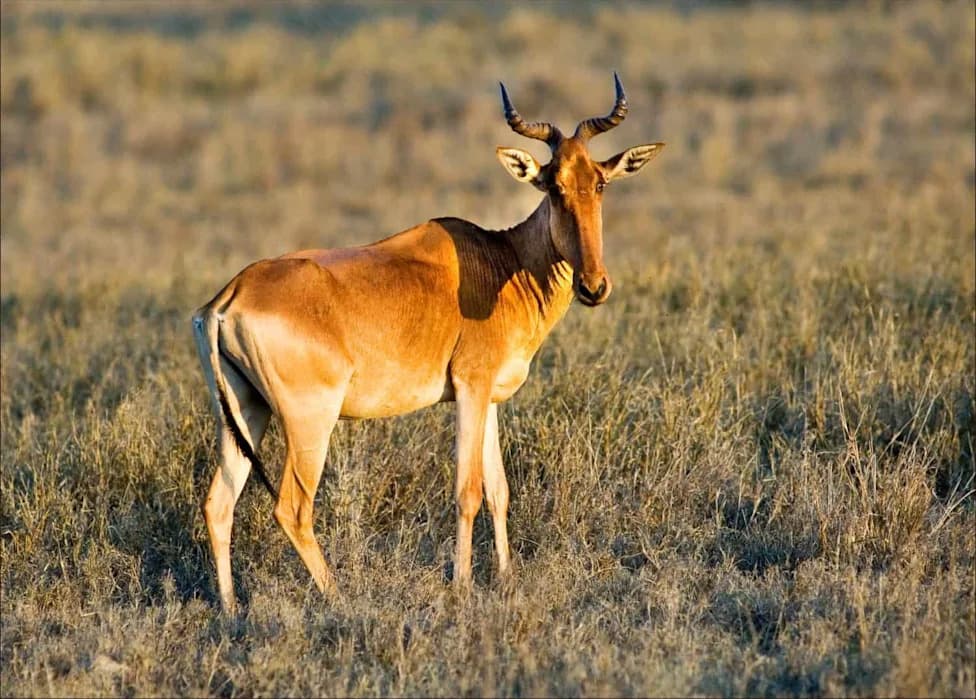
The hirola population has declined from 15,000 to fewer than 500 in less than 50 years.©OliverZeid/Shutterstock.com
Why the Hirola Matters
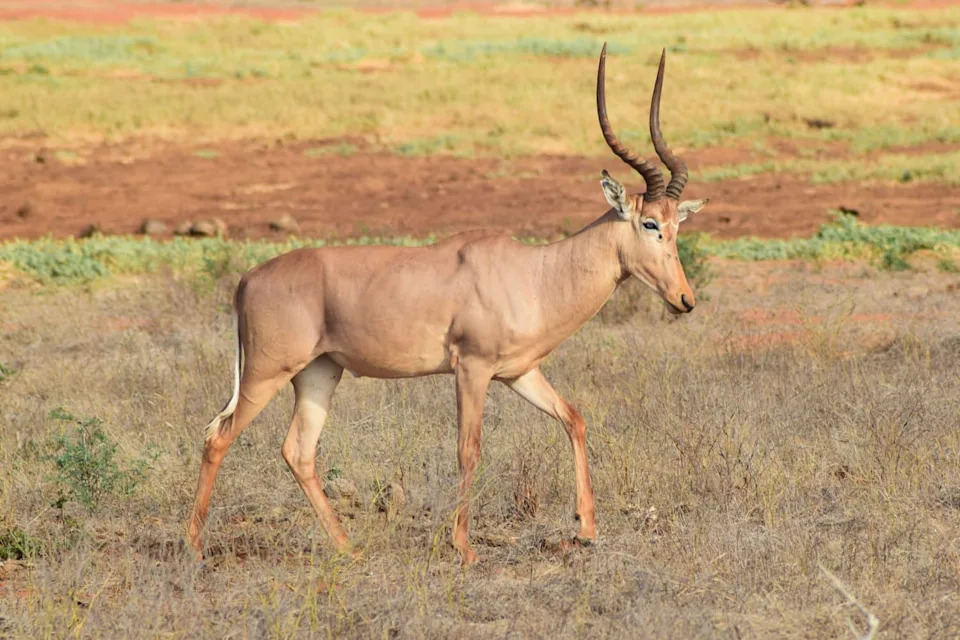
The International Union for Conservation of Nature (IUCN) lists the hirola as Critically Endangered. As the sole surviving member of the genus Beatragus, its extinction would erase a unique evolutionary lineage. The hirola’s distinctive appearance — including pre-orbital scent glands beneath each eye (earning it the nickname “four-eyed antelope”) — and its ecological role in East African grasslands make it important both scientifically and environmentally.
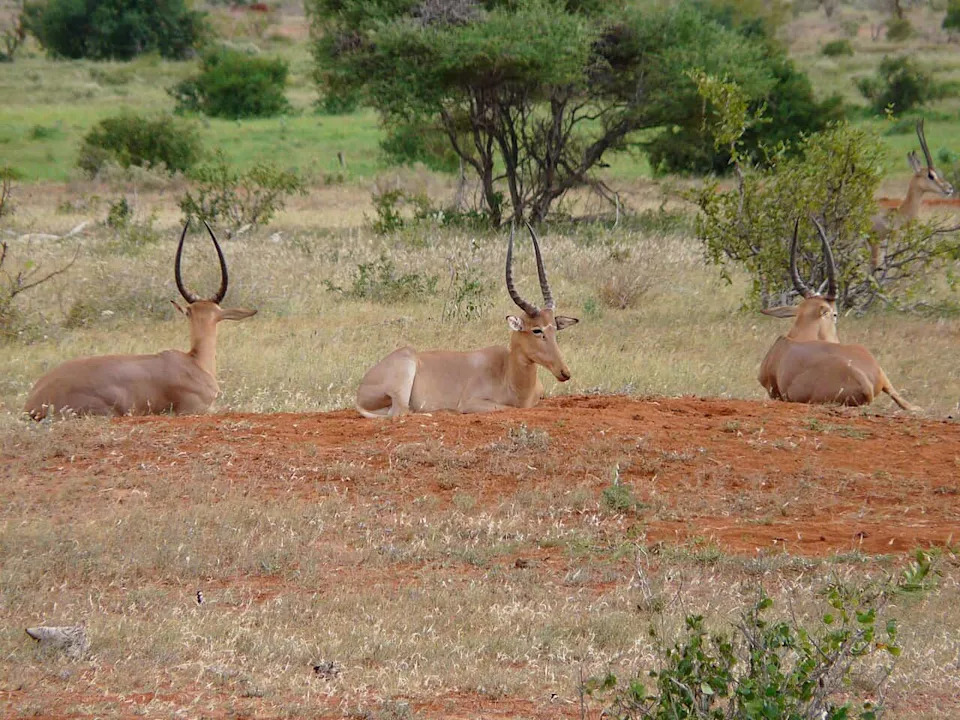
The hirola is a unique-looking antelope, given the pre-orbital glands beneath its eyes.©JRProbert/CC BY-SA 4.0 –Original/License
Range and Population Collapse
First described in 1888, the hirola once ranged across large swathes of Kenya and Somalia. Historical estimates suggest ranges of roughly 111,000 square miles in Kenya and about 127,000 square miles in Somalia. Today, Kenya’s hirola range is estimated at under 750 square miles, and reliable figures for Somalia are limited by conflict. Population estimates have fallen from roughly 15,000–16,000 in the late 20th century to fewer than 500 individuals today.
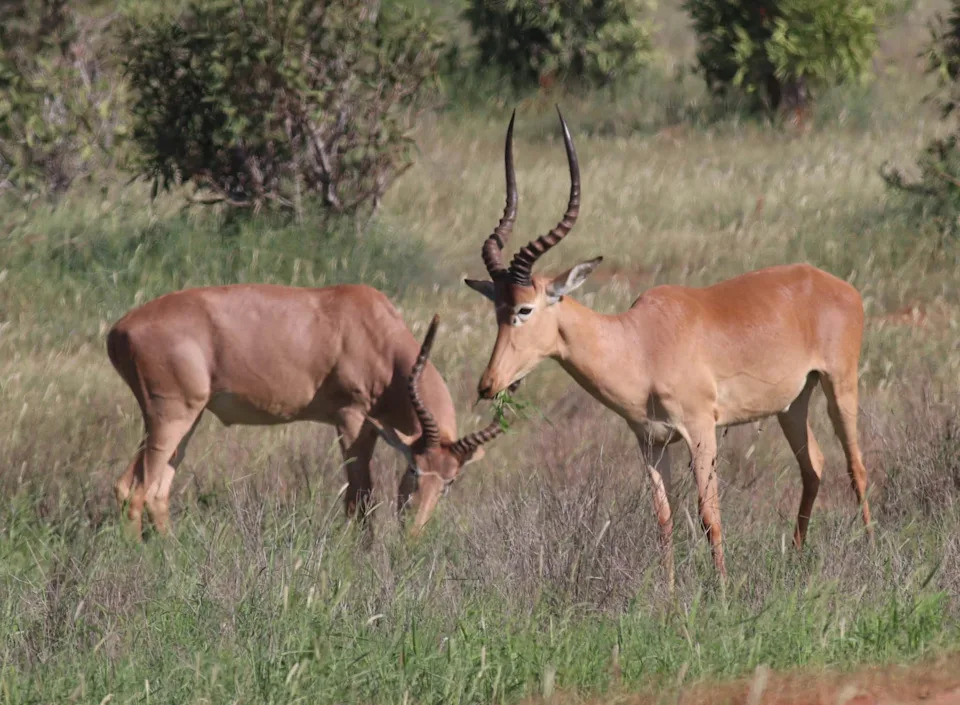
Hirola are critically endangered as a result of decades of habitat loss and degradation, competition for resources, disease, poaching, and drought.©Jan Ebr/CC BY 4.0 –Original/License
Main Threats
The rapid decline has been driven by a combination of pressures, including:
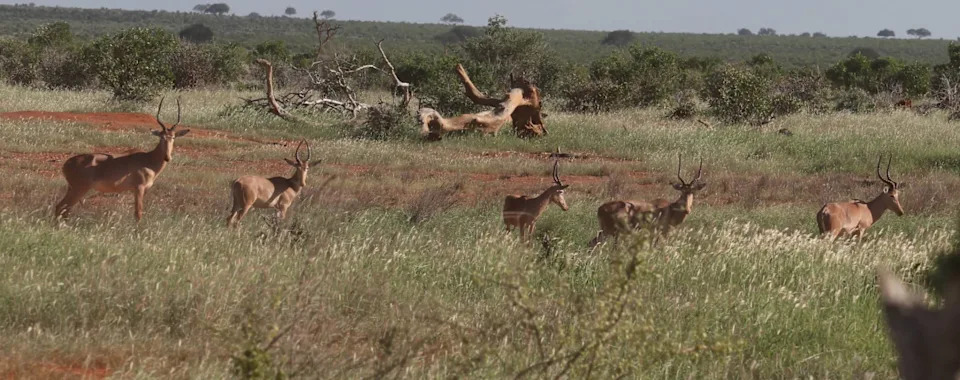
The hirola continues to face threats of poaching, overgrazing, habitat loss, habitat degradation, and more.©Jan Ebr/CC-BY-4.0 –Original/License
- Habitat loss and degradation
- Competition with livestock for grazing
- Disease and predation
- Poaching
- Climate change and drought
One important ecological link is the role elephants play in maintaining open grasslands. Where elephants were driven away by poaching, trees and shrubs encroached on grasslands, reducing the hirola’s food sources. The gradual return of elephants in some Kenyan areas has helped restore grassland habitat, benefiting hirola and other grazers.
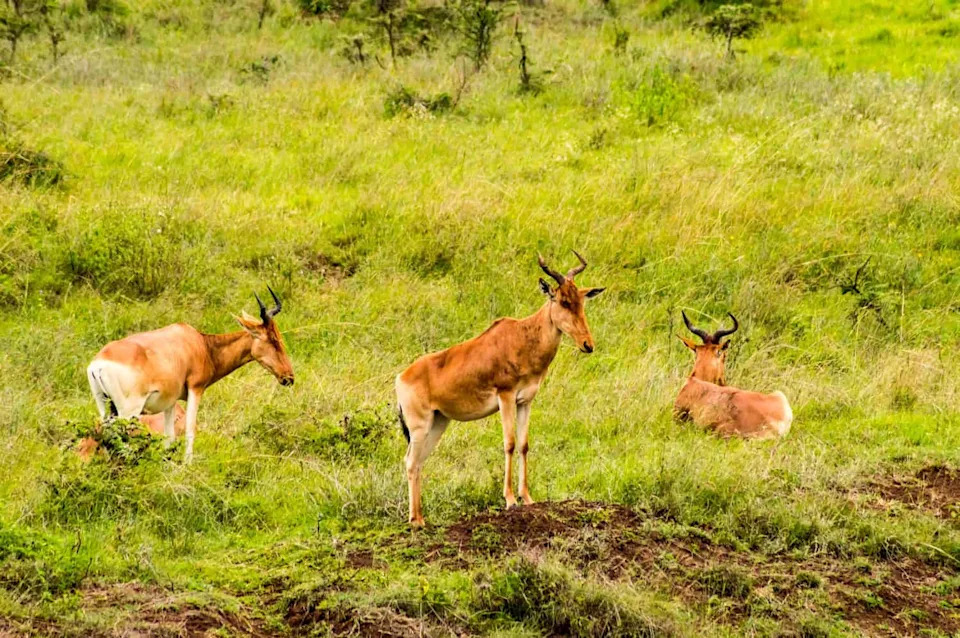
Conservation programs are slowly increasing the hirola population while also expanding the size of its habitat.©Philou1000/Shutterstock.com
Why Captive Breeding Is Not the Answer
Unlike many endangered mammals, hirola do poorly in captivity and have not thrived in traditional zoo-based breeding programs. That means conservation must focus on in situ approaches — protecting and managing animals in secure areas within their native range rather than relying on ex situ breeding.
Conservation Efforts and Progress
Conservation action has been underway for decades. In 1964 a small group was moved to Tsavo East National Park as an early attempt to safeguard a remnant population. More recently, in 2012 the Ishaqbini Hirola Community Conservancy fenced about 6,000 acres to protect a small breeding herd of 48 hirola; by 2020 that herd increased to roughly 140 animals. To reduce overcrowding and encourage dispersal, conservation partners collared and released a group of males, with mixed results: some joined wild herds, some returned to the conservancy, and a few fell to predation.
Large-scale habitat protection has also expanded: with support from groups including the Rainforest Trust, more than 1.2 million acres along Kenya’s border with Somalia have been designated as reserves. Conservation organizations aim to grow the hirola population to around 1,000 individuals to improve genetic diversity and long-term viability.
What Still Needs To Be Done
Saving the hirola requires coordinated, sustained efforts focused on:
- Protecting and restoring grassland habitat — including supporting elephant restoration where appropriate
- Strengthening anti-poaching patrols and law enforcement
- Working with local pastoralist communities to reduce livestock pressure and build incentives for co-existence
- Monitoring disease and managing health risks
- Expanding protected, well-managed conservancies and improving connectivity between populations
Because captive breeding is not a viable fallback, these on-the-ground measures are the only realistic path to prevent the hirola’s extinction. While the species remains critically endangered — and some projections warn numbers could fall dramatically if threats persist — recent habitat-protection gains and community partnerships offer reasons for cautious optimism.
Protecting the hirola is not only about saving a single species; it is about preserving an entire evolutionary lineage and the grassland ecosystems that support many forms of life.
Help us improve.