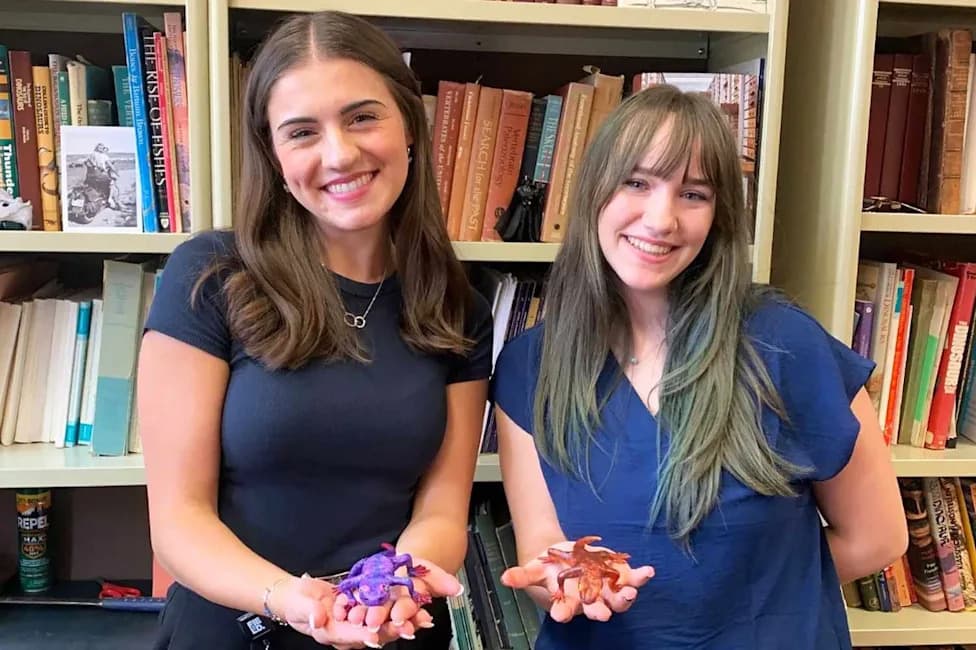
Researchers reexamining La Brea Tar Pits collections have identified a new Pleistocene spadefoot toad, Spea labreae, based on an incomplete sacro-urostyle bone collected in the 1950s. The study—published in the Journal of Vertebrate Paleontology—also documents the first southwestern U.S. Pleistocene record of the Mexican burrowing toad (Rhinophrynus), indicating major range shifts since the last Ice Age (~10,000 years ago). These small amphibian fossils act as fine-scale climate proxies and may offer insights for conserving modern amphibians under rapid human-driven climate change.
Forgotten 1950s Fossil Reveals New Ice Age Spadefoot Toad, Spea labreae
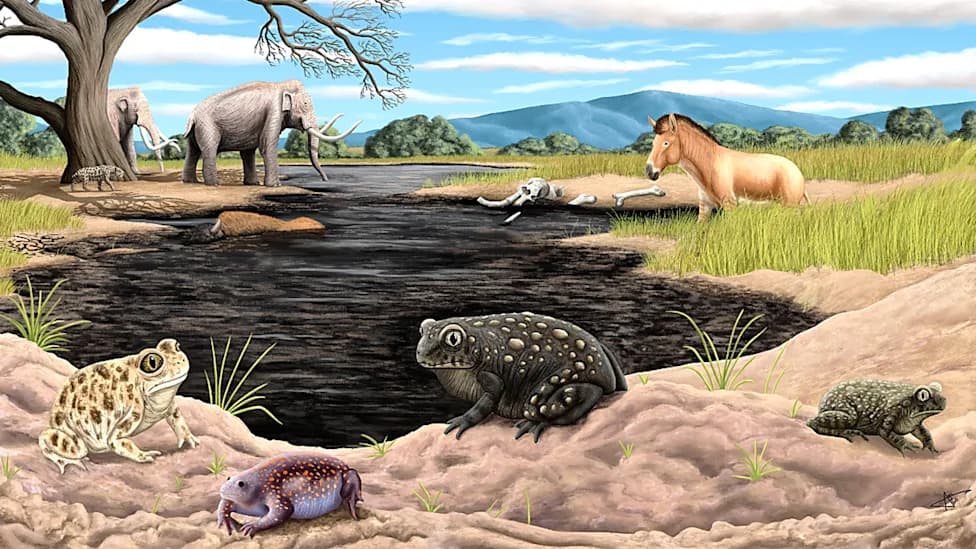
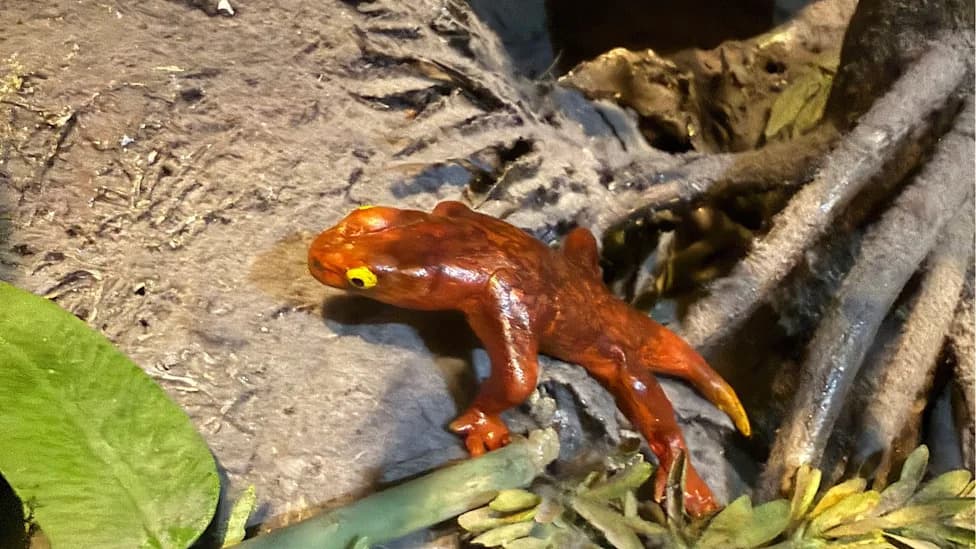
Reconstruction of 'Spea labreae, sp. nov.' (dark spadefoots, center and right) in La Brea Tar Pits compared with 'Spea hammondii' (light spade-foot, left), the species currently present in the area, and the presence of the Mexican burrowing toad ('Rhinophrynidae,' bottom). Courtesy of La Brea Tar Pits.
Paleontologists reworking archived material from Los Angeles' La Brea Tar Pits have identified a previously unrecognized Ice Age amphibian: a new spadefoot toad named Spea labreae. Although the Tar Pits are famous for large Pleistocene mammals such as direwolves, saber-toothed cats and mammoths, small and fragile animals—like amphibians—are far less common and often overlooked.
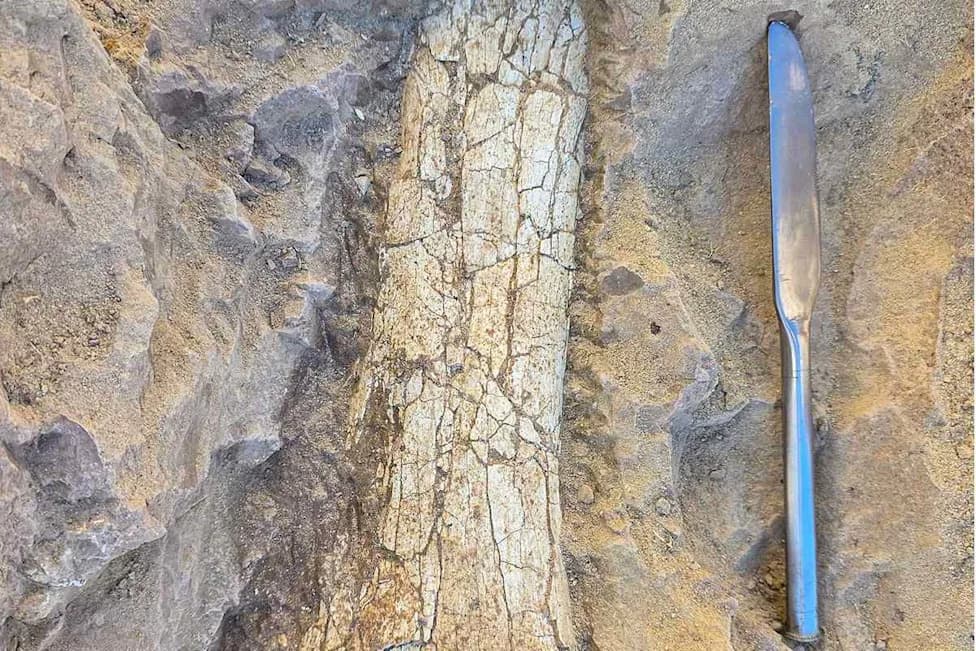
The species is described in a study published in the Journal of Vertebrate Paleontology. According to the authors, Spea labreae is only the second Pleistocene amphibian species recorded for North America. The holotype is an incomplete sacro-urostyle (the base of the spine that connects to the hips), material originally collected in the 1950s and recently reexamined.
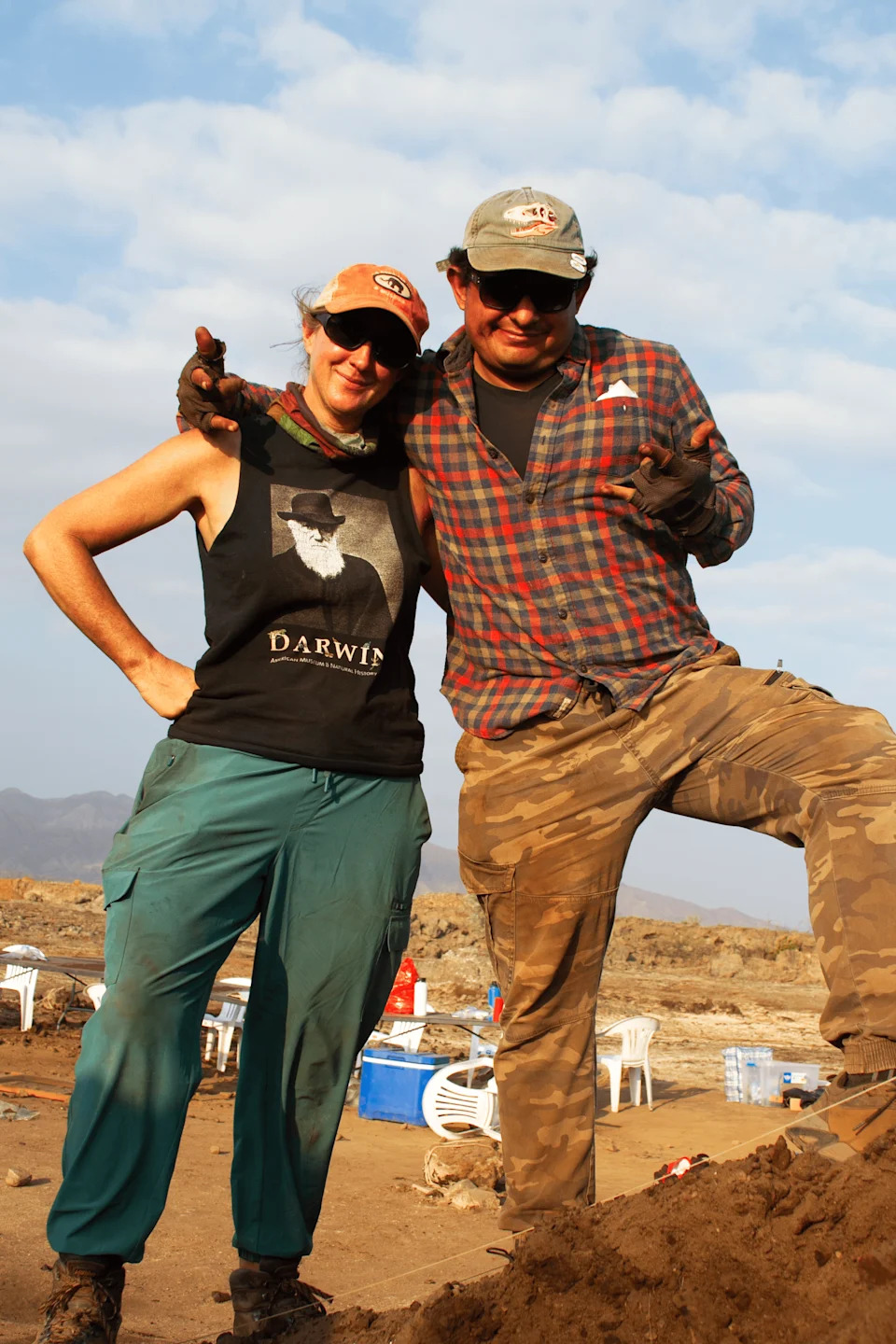
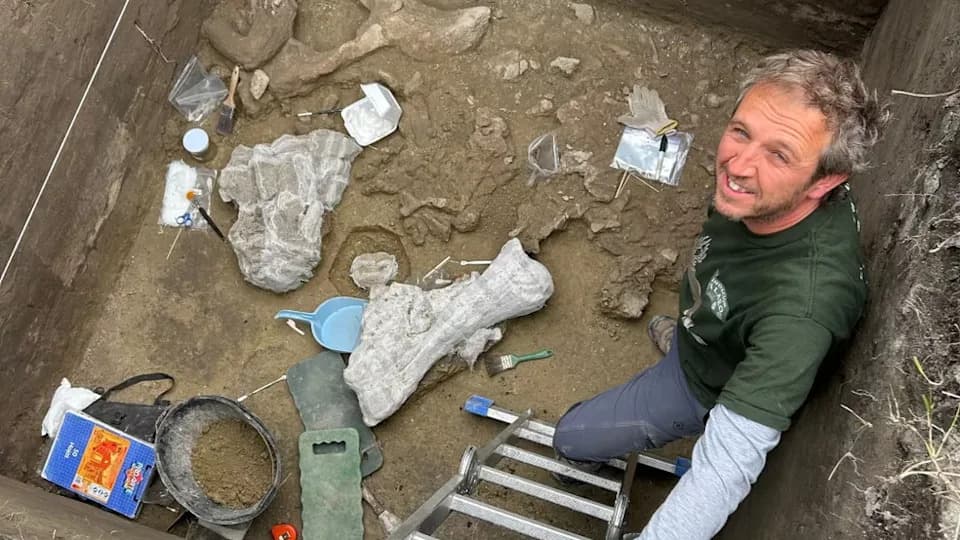
Co-authors Dr. Alberto Cruz (right) and Dr. Emily Lindsey (left) at the Talara asphaltic site in Piura, Peru, looking for more amphibians, reptiles, and other climate-sensitive microvertebrates. Courtesy of La Brea Tar Pits.Image: Tyler Hayden
Dr. Alberto Cruz, a co-author of the study and a researcher with ties to La Brea Tar Pits and Mexican institutions (SECIHTI—CIPAQ and INAH), discovered the specimen while studying understudied amphibian and reptile holdings. At first he suspected the unusual bone features reflected paleopathology—an injured or diseased individual—but detailed comparisons with modern spadefoot specimens showed consistent differences indicative of a distinct species.
"I reviewed and reviewed a lot of specimens until I was convinced. I thought, 'Oh my gosh, this is a new species.' This material is originally from the 1950s, but when you study it again, you can find gold in these specimens," said Dr. Cruz.
Co-author Dr. Emily Lindsey, Curator and Excavation Site Director at the Samuel Oschin Center for Global Ice Age Research at La Brea Tar Pits, emphasized that the find shows there is still new science to be derived from long-studied collections. Cruz compared the Tar Pits specimens with roughly 80 reference specimens housed at the Natural History Museum of Los Angeles County and the Museum of Vertebrate Zoology at UC Berkeley to confirm the diagnosis.
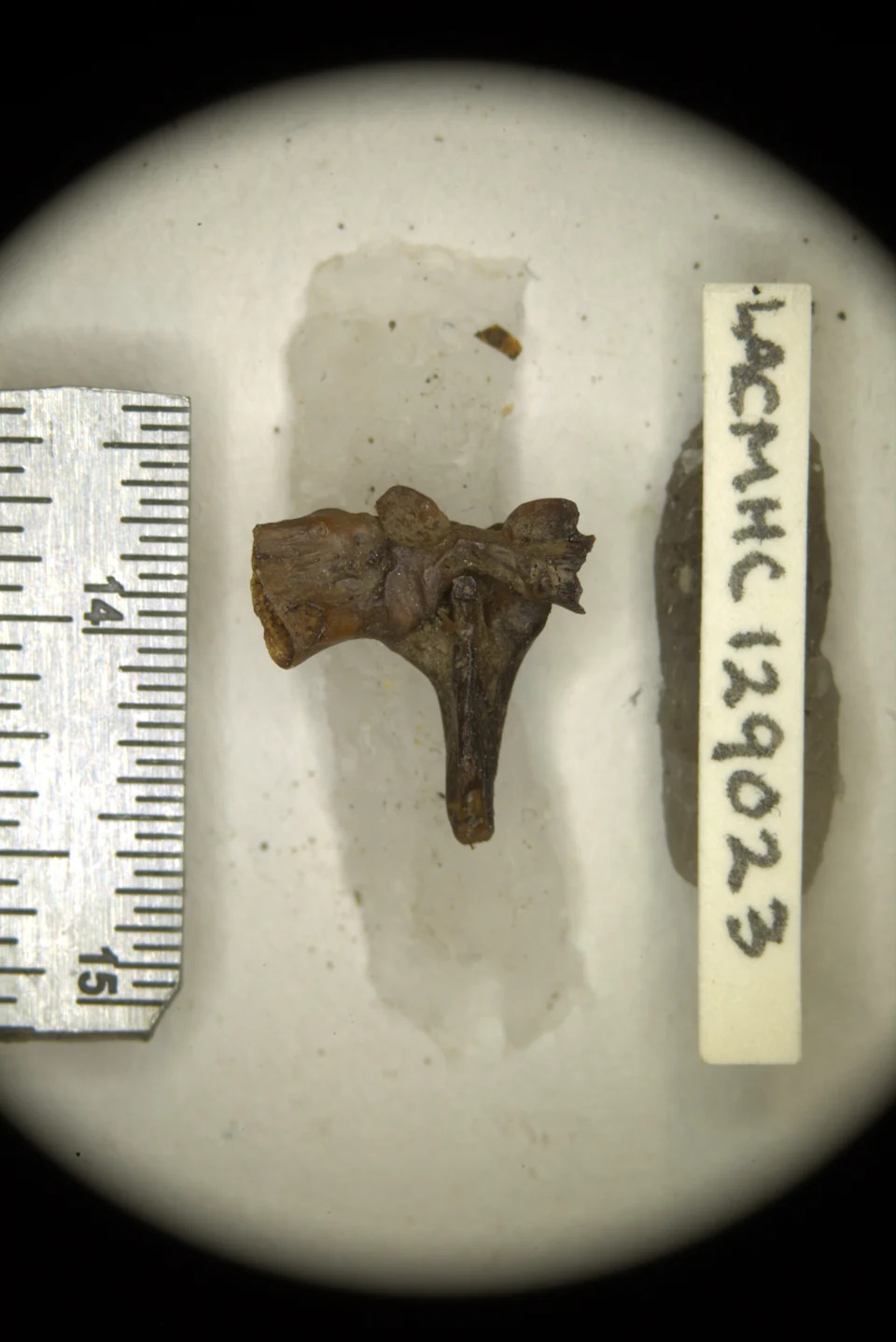
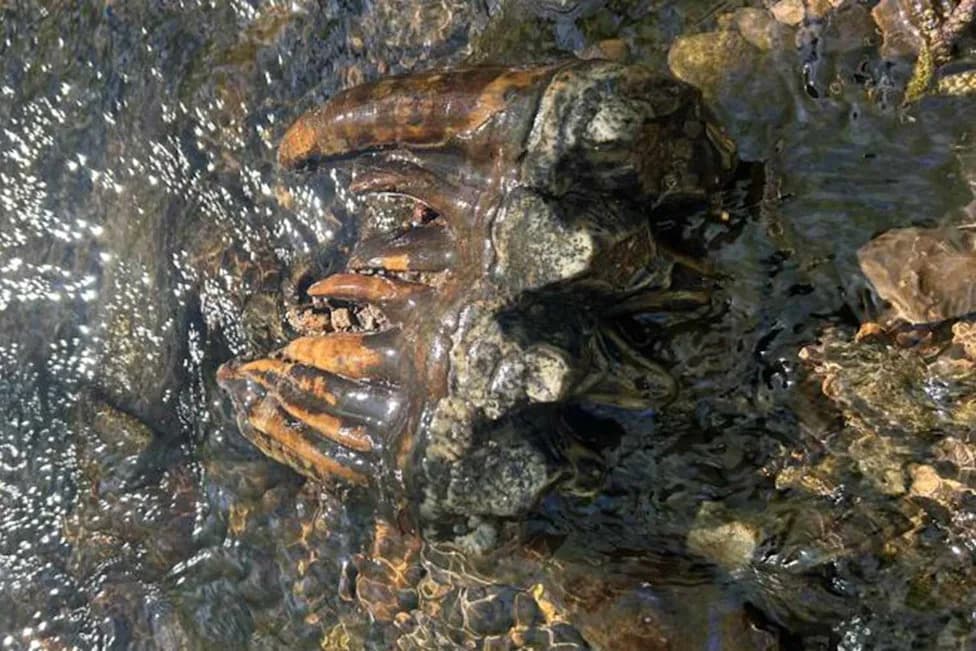
This incomplete sacro-urostyle bone (base of the spine that connects to the hips) is the holotype specimen used to describe the new species,Spea labreae. Courtesy of La Brea Tar Pits.Image: Dr. Alberto Cruz.
In addition to naming Spea labreae, the paper reports the first Pleistocene record in the southwestern United States of the Mexican burrowing toad (genus Rhinophrynus). Modern populations of Rhinophrynus are not found near Los Angeles; their closest living populations are nearly 1,500 miles away in southern Mexico. Together, these records document significant range shifts and extinctions that illuminate environmental changes around the end of the last Ice Age (~10,000 years ago).
Amphibians move relatively short distances in their lifetimes and are highly sensitive to local environmental conditions. That limited mobility and ecological sensitivity make amphibians excellent fine-scale climate proxies—their presence or absence can reveal localized changes in habitat and climate that larger mammals may not capture.
Because amphibian skeletons are fragile, their fossils are scarce. That makes the discovery of Spea labreae particularly valuable: it expands the Pleistocene amphibian record and provides data useful for understanding how past climate shifts affected vulnerable vertebrates. The authors note that lessons from past climate upheavals can help improve conservation strategies for amphibians, which are among today's most climate-threatened vertebrates.
Image note: The holotype sacro-urostyle bone used to describe Spea labreae comes from La Brea Tar Pits' collections and was originally excavated in the 1950s. Courtesy of La Brea Tar Pits. Image: Dr. Alberto Cruz / Tyler Hayden.
Help us improve.