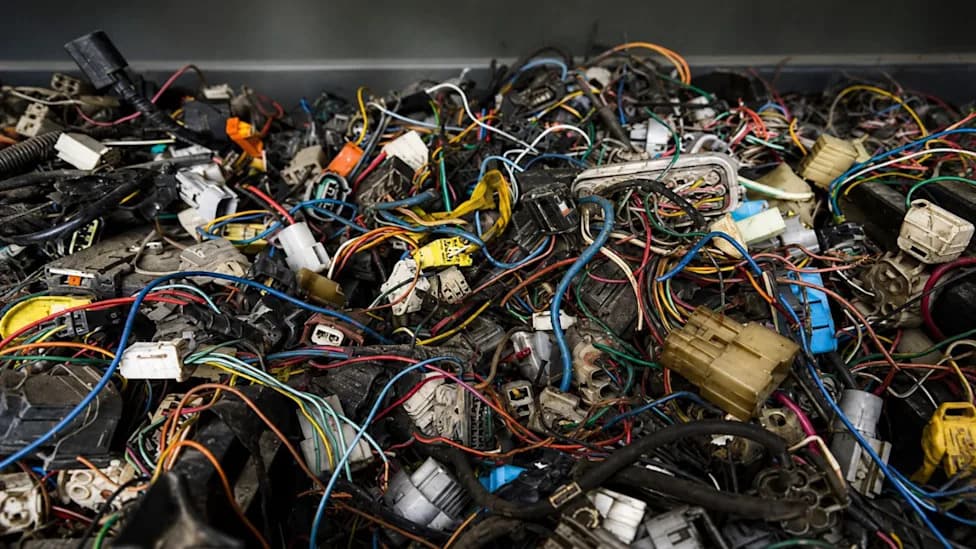
The Royal Mint's Wales plant dismantles electronics and uses a patented, room-temperature chemical process to dissolve and recover gold without high-heat smelting. Opened two years ago, the facility can handle about 4,000 tonnes of e-waste annually and is estimated to recover around 400 kg of gold for the Mint's "886" jewellery line. Experts welcome the environmental benefits but warn extraction methods must avoid increasing energy use or emissions. Global e-waste recycling remains low, at 22.3% in 2022.
Royal Mint Turns E-Waste Into Gold Jewellery Using Patented Room-Temperature Process
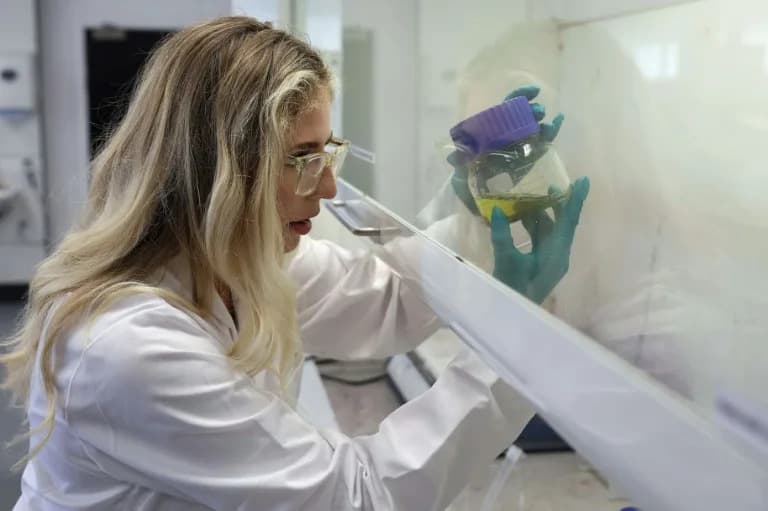
Kate Griffiths, a chemical analyst at the Royal Mint, agitating an electronic component in chemicals to remove the gold (Darren Staples)
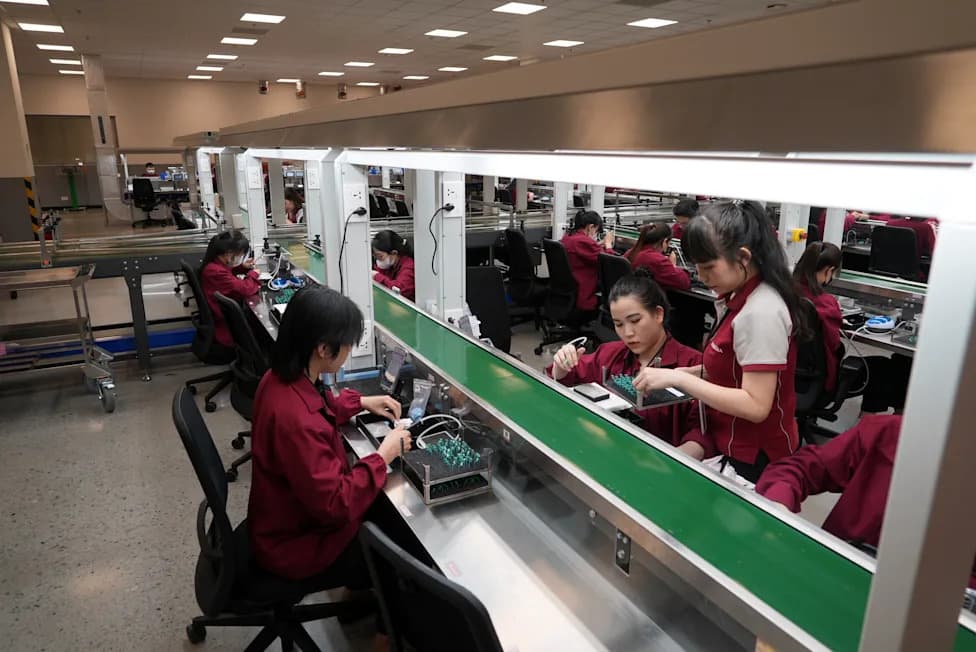
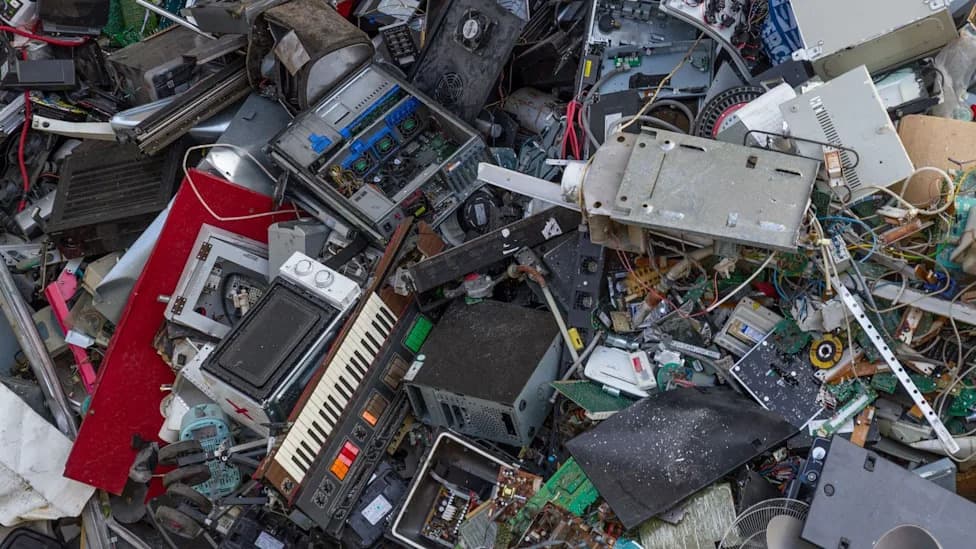
Inside the Royal Mint's secure site near Cardiff, retired Bank of England office phones and other discarded electronics are dismantled and their circuit boards submerged in chemical baths to reclaim the gold within. Behind barbed wire and coded gates, the state-owned institution has opened a plant that converts electronic waste into refined precious metals and high-end jewellery.
Opened two years ago, the facility can process about 4,000 tonnes of electronic waste a year—material the Mint estimates contains roughly 400 kilograms of recoverable gold. The largely automated line of chemical tanks that performs the extraction is off-limits to cameras because the method is patented by Canadian firm Excir.
How The Process Works
Rather than melting mixed e-waste in bulk, the Royal Mint first dismantles devices. Valuable components such as copper, tantalum and plastics from circuit boards are separated and sold to specialist recyclers. Gold recovery traditionally relies on very high-temperature smelting or corrosive acid baths, both of which have environmental and safety drawbacks.
The Mint instead uses a chemical process that dissolves gold at room temperature. "There's no external energy input and it can be reused for batch after batch of feedstock," says Kate Griffiths, a chemical analyst at the Royal Mint. In demonstrations, electronic components are placed into a chemical bath and reagents are added sequentially until a fine gold precipitate forms, which is then refined to improve purity.
From Scrap To The '886' Jewellery Line
After refinement, the recovered gold is fashioned into pieces for the Royal Mint's "886" jewellery brand—a nod to the Mint's founding year. The facility also recovers silver from old radios and other sources, some supplied by British hospitals. In the jewellery workshop, experienced craftsmen polish rings and other items; one worker said he could not tell the recycled metal from conventional sources.
Why It Matters: Proper recycling prevents hazardous substances such as lead and mercury from entering the environment and reduces the carbon impact of mining new metals.
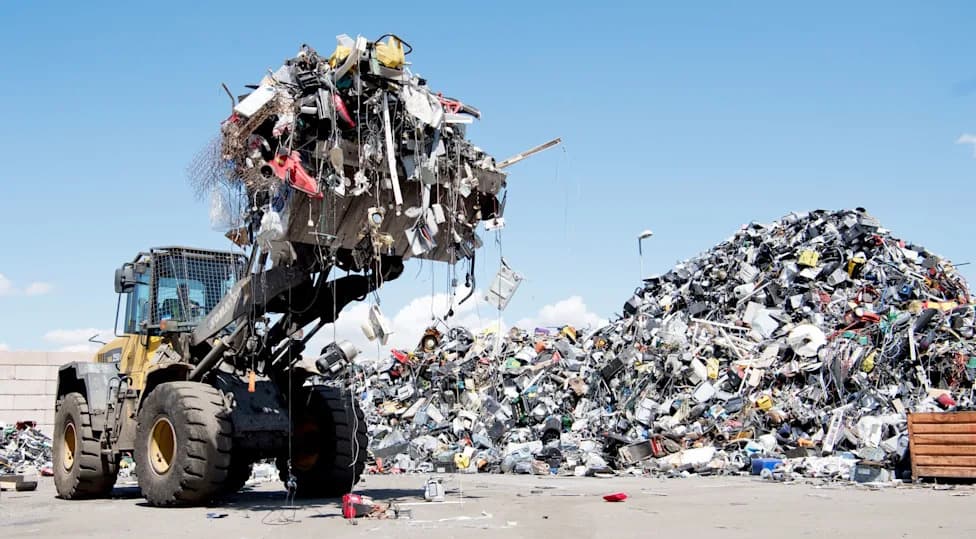
Globally, only 22.3% of electronic waste was properly collected and recycled in 2022, according to a United Nations report. Improper recycling can release toxins and plastics and contribute to climate change, the report warns.
Rising gold prices have also increased the commercial appeal of recovery: the metal briefly reached a record near $5,600 an ounce at the end of January before easing to around $4,000. "When the price of gold is really high, the cost of processing the waste to recover the gold is irrelevant," says Jason Hallett, professor of sustainable chemical technology at Imperial College London. He cautions, however, that the overall environmental benefit depends on ensuring extraction methods do not drive up energy use or emissions.
Numbers To Note: Each recycled Bank of England office phone contains about 30 milligrammes of gold—roughly £3 ($4) at current prices—while an average modern smartphone can contain a few pounds' worth of gold by value. The plant's annual throughput (4,000 tonnes) is estimated to yield roughly 400 kilograms of gold.
Help us improve.