The article examines reported instances of noncitizen names appearing on New Jersey voter rolls — with more than 6,600 names flagged and roughly 400 of those registrants reportedly casting ballots since 2023 — and explains why those figures matter given several New Jersey contests decided by single-digit margins. It also reviews recent administrative errors in Wisconsin, Nevada and Pennsylvania that have disrupted voting and forced thousands to use provisional ballots. The piece urges greater transparency and careful investigation to determine whether ineligible votes affected close races and to restore public confidence in elections.
Noncitizens On Voter Rolls, Tight Local Races, And Questions About Transparency
AP
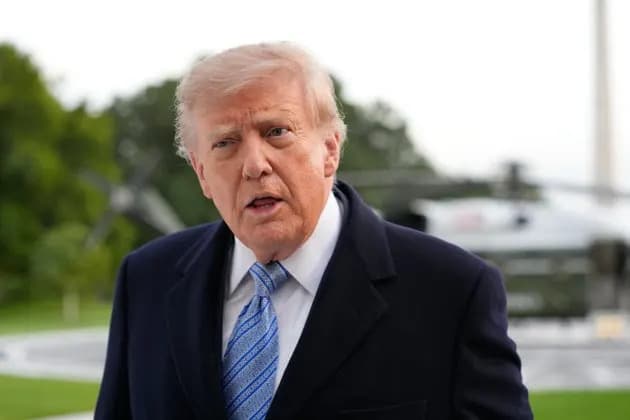
On July 16, former President Donald Trump delivered a lengthy address alleging multiple ways noncitizens have affected American elections. The speech drew swift criticism from Democrats, who dismissed the claims and questioned the evidence. Days later, reporting on New Jersey voter rolls intensified the public debate about registration accuracy, ballot integrity and transparency.
What was reported in New Jersey
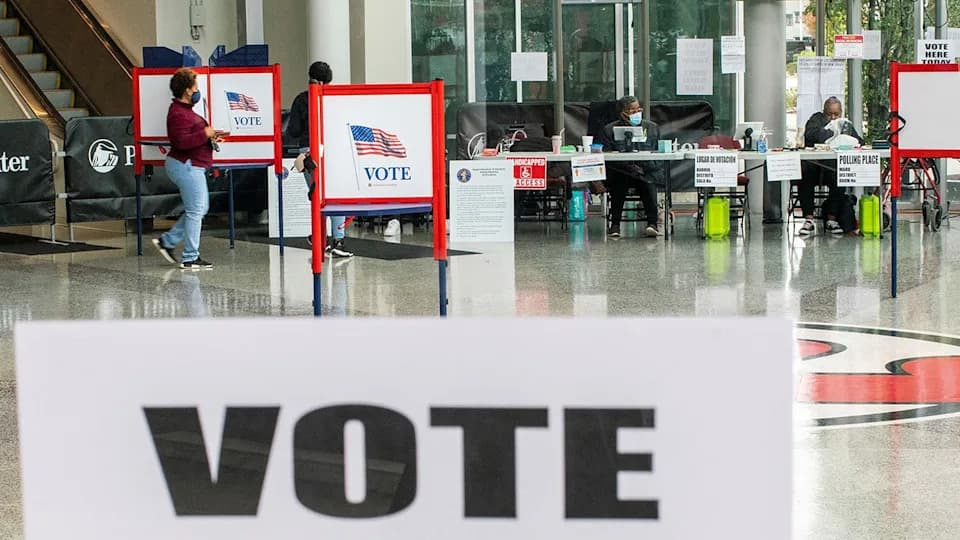
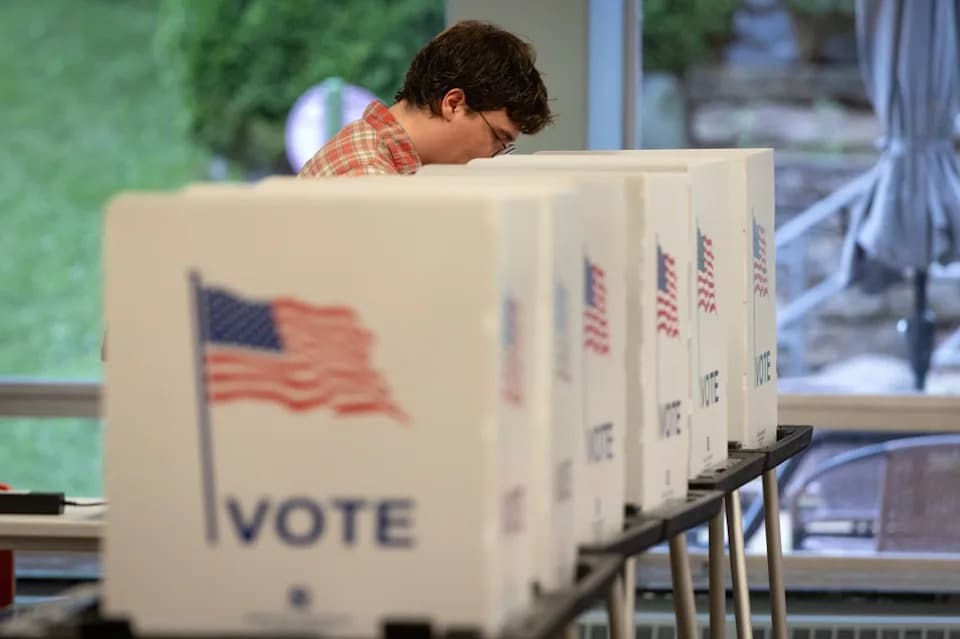
State officials and members of Congress reported that more than 6,600 names believed to belong to noncitizens appeared on publicly available New Jersey voter registration lists, and that roughly 400 of those registrants were recorded as having cast ballots in contests dating back to 2023. Separately, federal records were reported to match as many as 19,500 noncitizen names to publicly available New Jersey registration records, suggesting the scope of the issue could be larger.
New Jersey authorities announced a state-led investigation. According to news reports, state officials have so far declined to provide immediate access to the full voter rolls to the Department of Justice, citing the pending state inquiry.
Why the numbers matter
Critics noted that many local New Jersey races during the affected period were decided by very small margins — in some cases by a single vote or ties — raising the possibility that improper ballots, if confirmed, could have altered outcomes in close contests. Examples cited in reporting include a 2023 township school district bond referendum decided by one vote, multiple council and local races won or certified by one vote, and other municipal contests decided by fewer than 40 votes.
Other recent election-administration errors
Officials in several other states have also reported administrative problems that risk confusing or disenfranchising voters. The Wisconsin Elections Commission opened an investigation into repeated incidents of duplicate mail-in ballots in Green Bay municipal elections; the Green Bay city clerk was placed on administrative leave. In Carson City, Nevada, some primary candidates were left off ballots, effectively moving several uncontested races to the general election. And in 2025, Chester County, Pennsylvania, election workers omitted more than 75,000 unaffiliated or third-party voters from printed poll lists, forcing about 12,600 people to use provisional ballots — roughly 6.4% of votes in that municipal cycle.
Transparency, safeguards and the public debate
These incidents have renewed calls from some election-integrity advocates for greater transparency — including access to voter rolls for federal investigators, routine audits, and laws proponents say would reduce improper voting such as robust voter identification requirements. Others argue that safeguards must balance privacy, the risk of disenfranchising eligible voters, and the need for careful, evidence-based investigations before attributing outcomes to alleged irregularities.
Voters and officials face two central questions: How many ineligible registrations exist, and whether any improper ballots changed election results in close races. The answers will depend on the findings of state and federal investigations, public disclosure of records where legally permitted, and careful review of ballots in specific contests.
Author
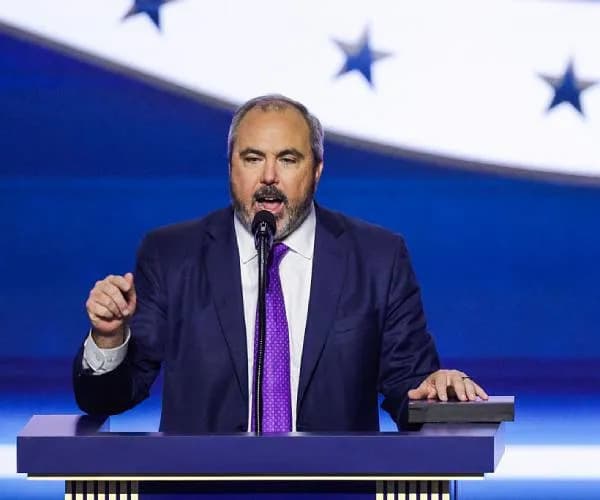
This commentary was originally published by Michael Thielen, president and executive director of the Republican National Lawyers Association; this version refines language for clarity and corrects titles where reporting was uncertain.
Help us improve.