On July 30, 2026, a coalition of major waterfowl groups sent an urgent letter to Interior Secretary Doug Burgum and five congressional leaders urging protection of conservation easements in the Prairie Pothole Region. The letter responds to a DOI RFI about the USFWS's 2024 drain-tile setback rule and warns that loosening setbacks could "starve" small breeding wetlands. The groups note that hunters and anglers have invested hundreds of millions of dollars in these easements and urge the DOI to preserve longstanding protections. The public comment period is short—14 days ending Aug. 7—and the coalition is calling for public input in support of the current rule.
Waterfowl Coalition Urges Interior Secretary Burgum To Protect Prairie Pothole Easements
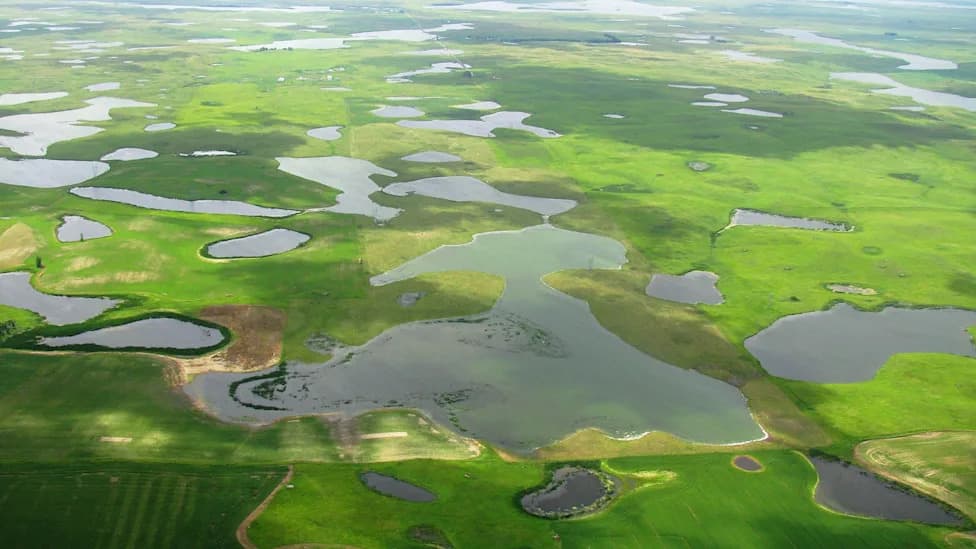
Wetland easements in the PPR have been bought and funded by waterfowlers through duck stamps.
A coalition of major waterfowl conservation organizations sent an urgent letter on July 30, 2026, to U.S. Secretary of the Interior Doug Burgum and five congressional leaders asking the Department of the Interior to preserve conservation easements in the Prairie Pothole Region (PPR).
Why This Matters
The groups are responding to a Department of the Interior Request for Information (RFI) about wetland easements in the Northern Great Plains and drainage on lands adjacent to those wetlands. Their letter specifically addresses concerns about the U.S. Fish and Wildlife Service's (USFWS) 2024 drain-tile setback rule, which regulates the placement of subsurface agricultural drainage relative to wetlands.
What The Letter Says
Signed by Delta Waterfowl donor and director John Childs and the chief executives of Delta Waterfowl (Jason Tharpe), Ducks Unlimited (Adam Putnam), California Waterfowl (Jake Messerli) and the South Carolina Waterfowl Association (David Wielicki), the letter warns that changes that facilitate wetland drainage would undermine decades of investment in habitat conservation.
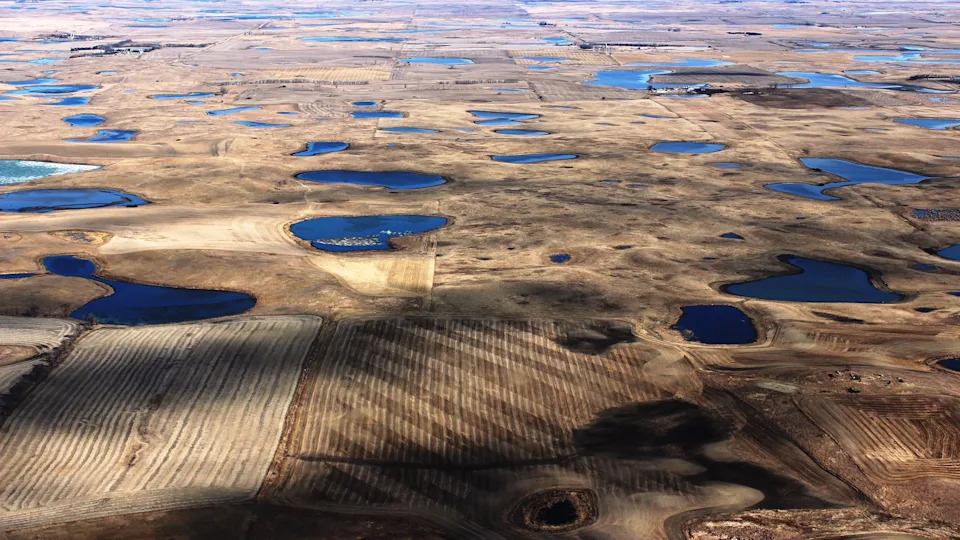
The Prairie Pothole Region of the U.S. and Canada is where more than half of North America's waterfowl nest. Changes to drainage regulations on private land adjacent to wetland easements have the potential to drastically reduce existing wetlands there.Photo by Krista Lundgren / USFWS
"Our members — primarily hunters and anglers — have invested hundreds of millions of dollars in these easements through private philanthropy and Duck Stamp purchases to conserve prairie wetlands," the letter states. "Any action that facilitates wetland drainage would disregard those investments, leading to fewer wetlands, fewer ducks, and the erosion of our hunting heritage."
Concerns About Drain-Tile Setbacks
Although technical, drain-tile setback rules affect the amount of water that reaches small, shallow wetlands—habitat critical to breeding ducks. Delta Waterfowl's chief policy officer John Devney warned that some proposed approaches could "starve" wetlands by reducing water inputs rather than by digging ditches.
Broad Support and Call to Action
Ducks Unlimited communications director Parker Williams described the coalition's unified response as evidence of the issue's urgency. The letter asks the DOI to uphold what signers describe as 60 years of precedent protecting publicly funded, voluntary conservation easements and the wildlife habitat they secure.
The coalition copied the letter to congressional leaders: Senator John Thune (Majority Leader), Senator Rick Scott, Senator Tom Cotton, House Speaker Mike Johnson and House Majority Leader Steve Scalise.
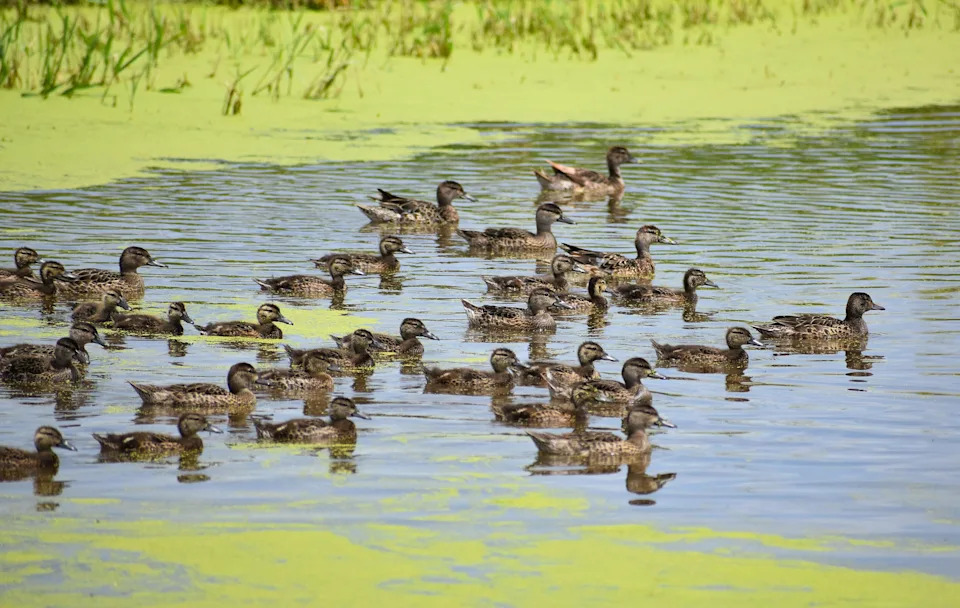
A brood of blue-winged teal on a pothole in South Dakota.Photo by Marcie Hebert / USFWS
How You Can Help
Public input is time-sensitive: the comment window is 14 days and closes on Aug. 7. The groups are urging hunters, conservationists and other citizens to submit comments to the U.S. Fish and Wildlife Service in support of protections for easements and the current drain-tile setback rule.
Context: The Prairie Pothole Region — spanning parts of the northern U.S. and Canada — produces more than half of North America’s nesting waterfowl, making protections for its wetlands critical to continental waterfowl populations and hunting traditions.
Photo: A brood of blue-winged teal on a pothole in South Dakota (photo credit: USFWS).
Help us improve.