The USDA has proposed rescinding the 2001 Roadless Area Conservation Rule, threatening protections for roughly 45 million acres of undeveloped national-forest lands. Public comments on the Forest Service's draft environmental impact statement are due by Oct. 6, 2026. Supporters of the rule warn that removing it could open remote forests to roads and development, harming wildlife, watersheds, recreation and local economies; the USDA says the change would give local managers more tools to address wildfire risk.
USDA Move Risks Roadless Protections for 45 Million Acres — Public Comment Open Through Oct. 6
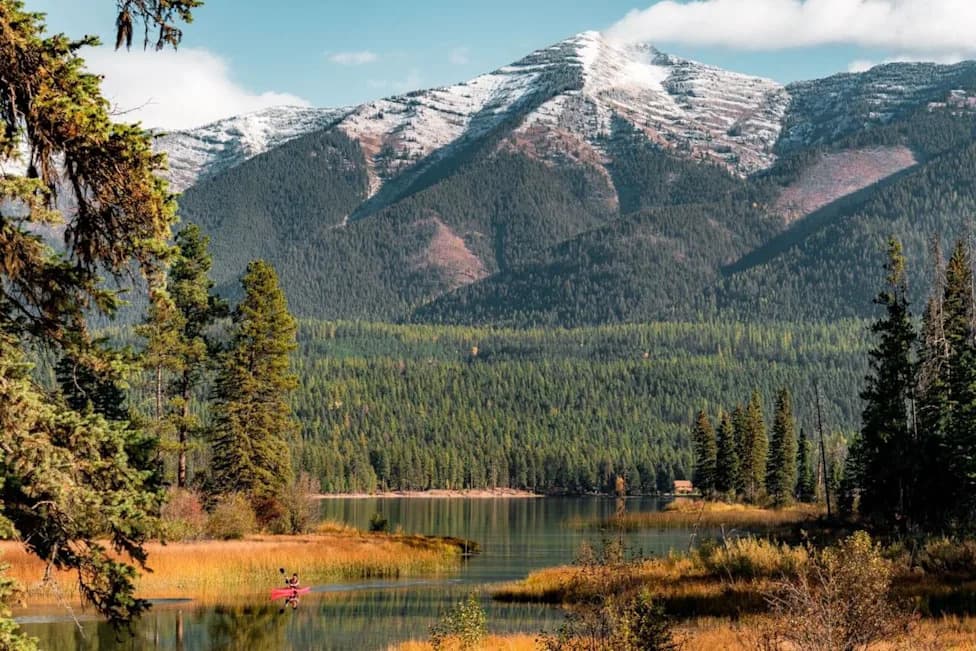
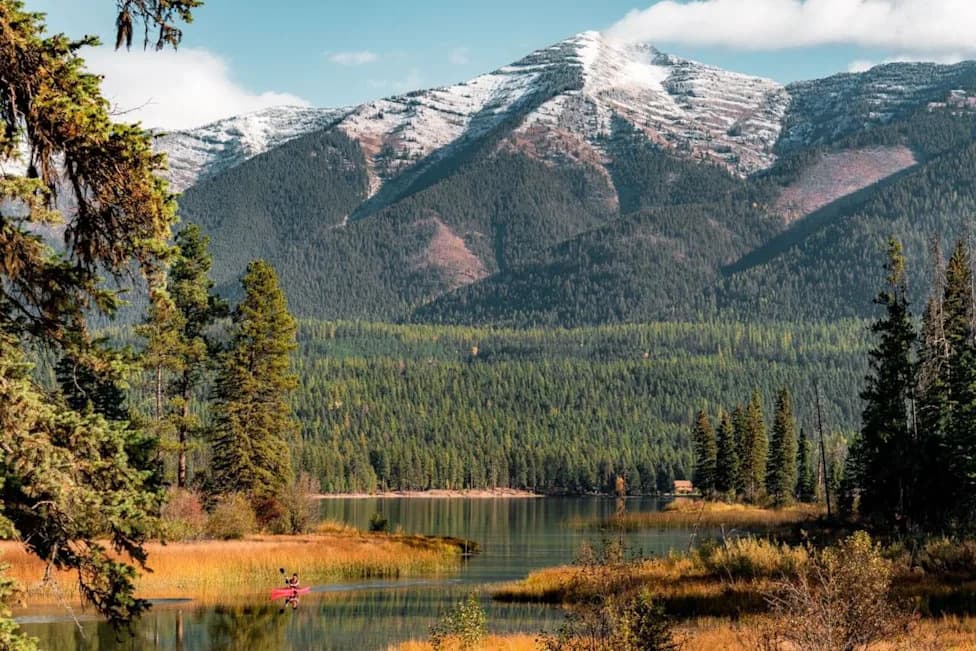
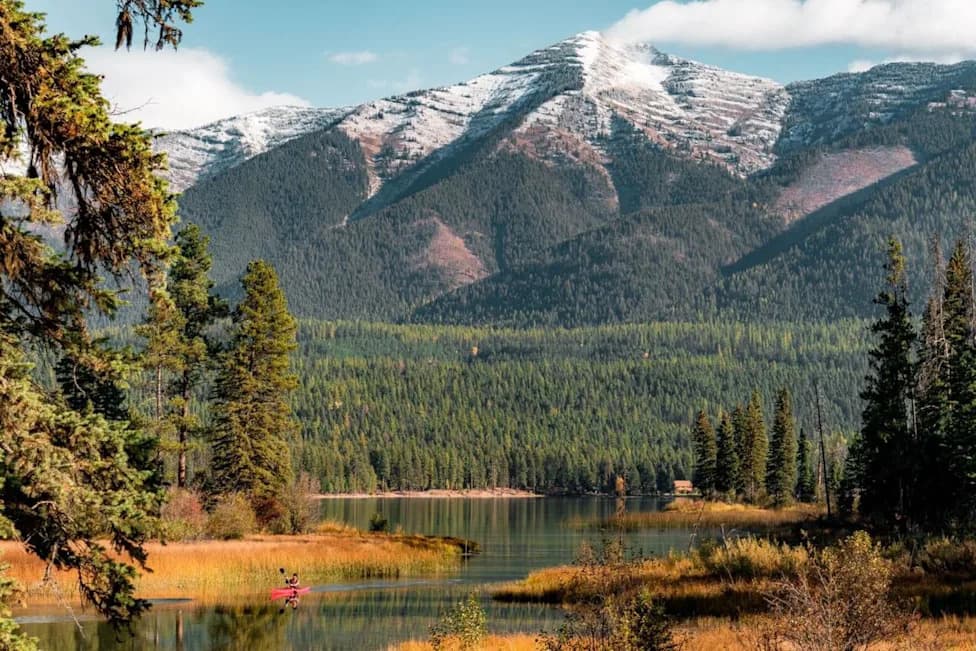
Flathead National Forest in Montana. Photo credit: Your Forests Your Future / US Forest Service
The U.S. Department of Agriculture has proposed rescinding the 2001 Roadless Area Conservation Rule, which currently shields roughly 45 million acres of the nation's most undeveloped national-forest lands from new road construction and large-scale timber harvest. The Forest Service published a draft environmental impact statement on August 18, 2026; public comments on the proposal are due by October 6, 2026 after the agency extended the comment period from Sept. 21.
What the USDA Says
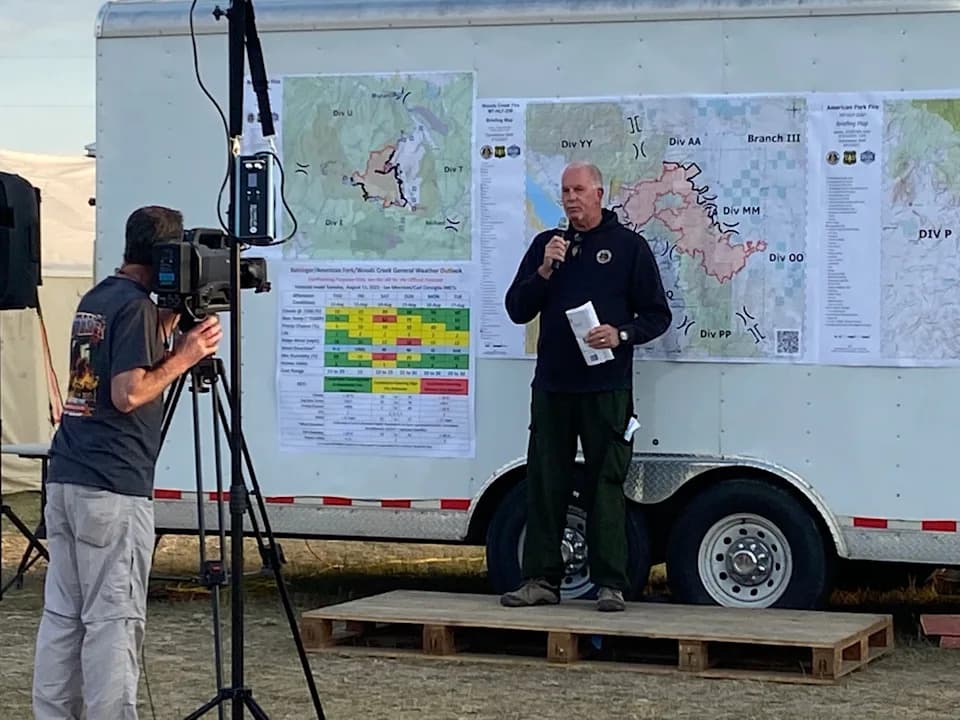
USDA Secretary Brooke L. Rollins first announced plans to rescind the rule on June 23, 2025. The agency argues that the Roadless Rule limits local managers' ability to respond to growing wildfire risk, citing overgrown stands, insect outbreaks and disease as drivers of rising fire danger. The USDA says removing the federal restriction would return flexibility to local managers to build roads or apply other active treatments where needed.
Concerns From Conservationists and Local Economies
Conservation groups, recreation advocates and many wildland firefighters strongly oppose the change. Tim Preso, an attorney at Earthjustice, said the Roadless Rule “has proved to be one of our nation’s most successful conservation measures,” protecting wildlife habitat, drinking-water sources and world-class recreation. Abigail Dillen, Earthjustice’s president, warned the group will continue to defend the rule.
“Once these lands are developed, their wild character will be gone forever. If you care about these lands, the time to defend them is now,” Tim Preso said in an interview.
Local business leaders in areas such as Alaska’s Tongass National Forest emphasize economic risks. Hunter McIntosh of The Boat Company said tourism and commercial fishing depend on intact watersheds and undeveloped scenery, and that renewed logging and road-building could harm those industries and salmon habitat.
Wildfire Risk: A Disputed Rationale
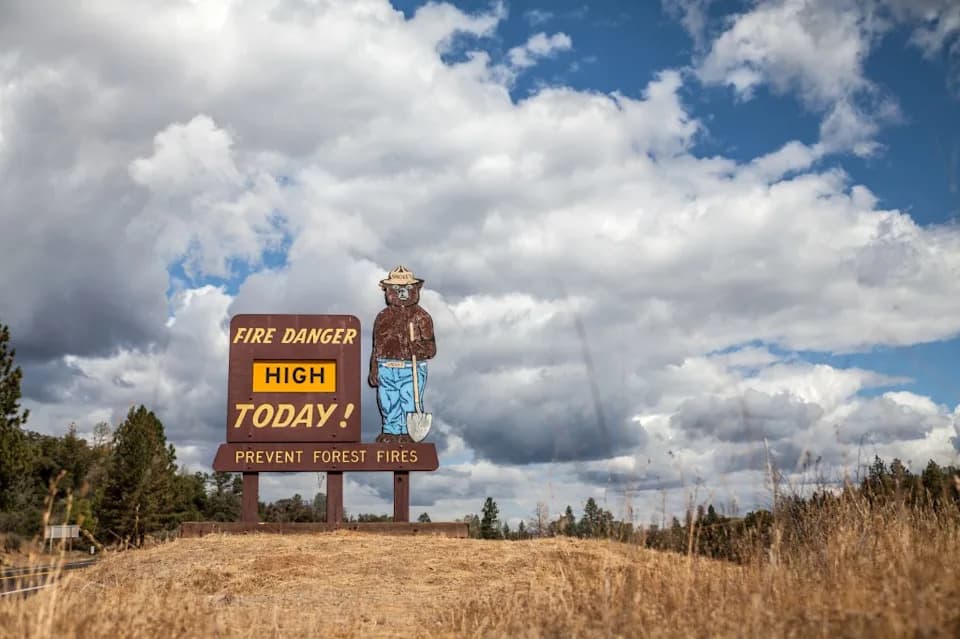
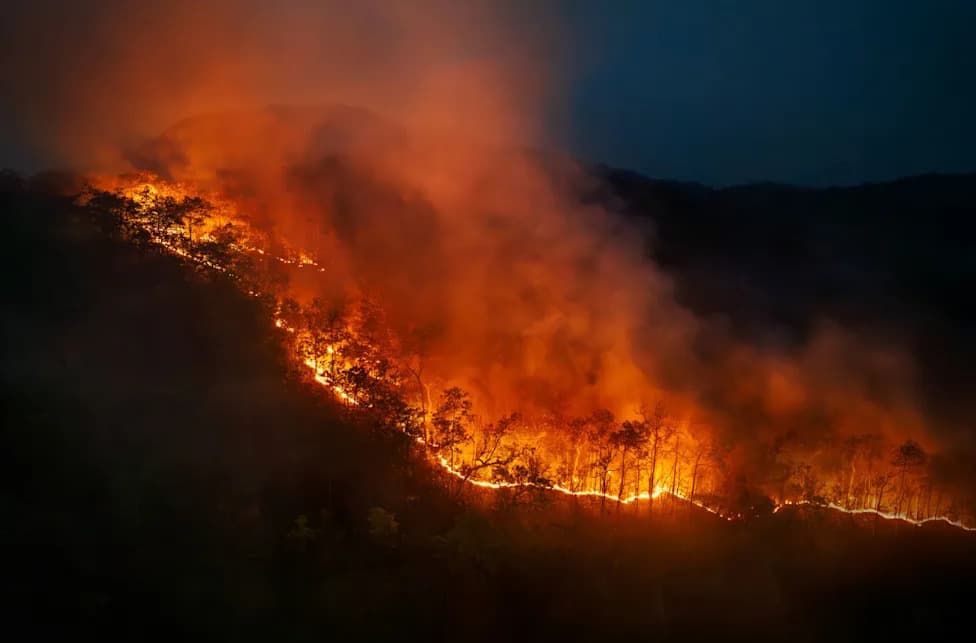
The Forest Service reports that more than 40% of inventoried roadless areas have high or very high wildfire-hazard potential, yet only about 5% of those areas have received hazardous-fuel treatments since 2014. The USDA contends that building roads would allow managers to treat fuels more effectively. But the agency’s own draft environmental analysis acknowledges trade-offs: as road density increases, so does the probability, number and frequency of wildfire ignitions.
Research cited by conservation groups supports caution. A January 2026 study by Gregory H. Aplet, Phil Hartger and Matthew S. Dietz found that ignition density on national-forest lands was roughly four times higher within 50 meters (164 feet) of roads than in inventoried roadless areas. The Western Fire Chiefs Association also notes that nearly 90% of U.S. wildfires are human-caused, with common sources including discarded cigarettes, unattended campfires and vehicle-related sparks.
Recreation, Ecology and Management
Outdoor Alliance CEO Adam Cramer says the Roadless Rule has long offered a practical balance: protecting backcountry landscapes from development while allowing for active management and diverse recreation. The group estimates that the affected roadless areas include more than 25,000 miles of trails, nearly 1,000 miles of whitewater and more than 10,000 miles of mountain-biking routes.
NRDC’s Bobby McEnaney argues that keeping large ecosystems intact gives land managers more long-term options to confront drought, wildfire and other climate stresses, and cautions that fragmenting landscapes with roads and pipelines reduces those options.
How to Comment
October 6 is the deadline to submit comments on the USDA’s proposal and the draft environmental impact statement; it is not the date the rule would be rescinded. The Forest Service will review public input before deciding whether to finalize the rescission or modify the proposal.
The USDA prefers electronic comments via docket FS-2025-0001 or RIN 0596-AD66. Mailed comments may be sent to: Director, Ecosystem Management Coordination, 201 14th Street SW, Mailstop 1108, Washington, DC.
Note: This story was sponsored by Earthjustice. The Roam Report maintains full editorial independence; the sponsor did not review or approve the editorial content before publication.
Help us improve.