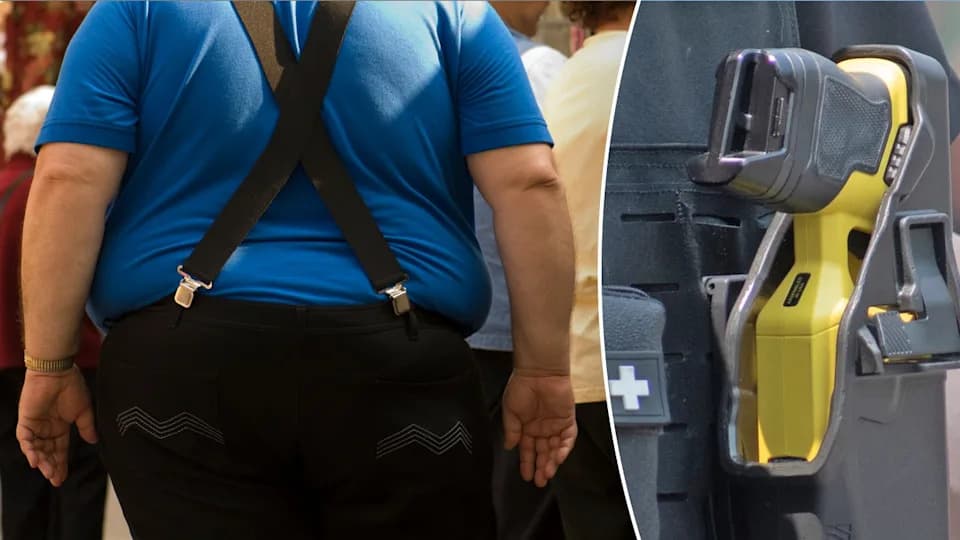
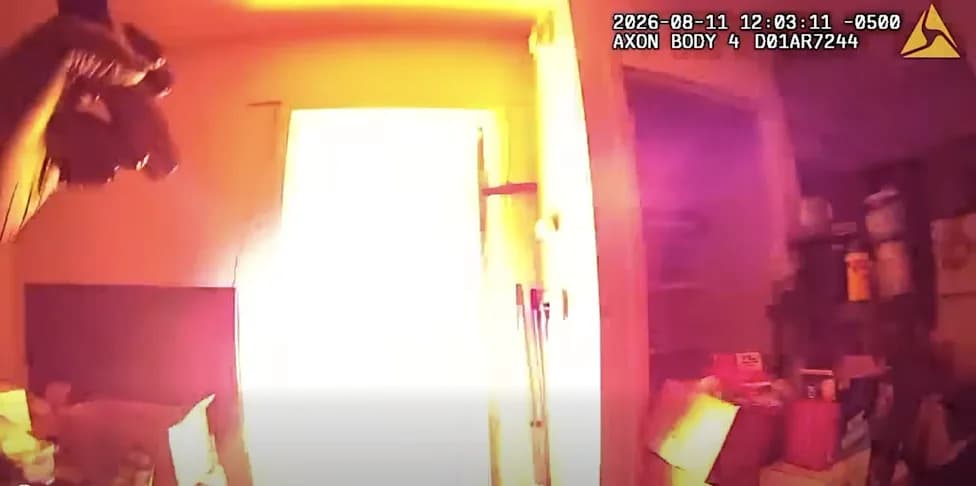
Body-camera footage from an Arizona gas station showed a man catching fire moments after an officer deployed a Taser. Investigators point to ignition of gasoline vapors — not a device malfunction. Experts, training materials and lawsuits have long documented that electrical arcs from conducted electrical weapons can ignite volatile vapors. The case renews calls for clearer policies, scenario-based training and heightened caution when using Tasers near known ignition sources.
Why Tasers Can Ignite Gasoline Vapors — The Arizona Gas-Station Fire That Reopened Warnings
Christopher Furlong / Getty Images
Body-camera footage from an Arizona gas station this month captured a frightening sequence: an officer deployed a Taser near active fuel pumps and, moments later, a man’s clothing and body erupted in flames. Investigators say the likely cause was ignition of gasoline vapors, not a mechanical malfunction of the device. The incident has put renewed focus on a hazard that experts have warned about for decades.
How a Taser Can Start a Fire
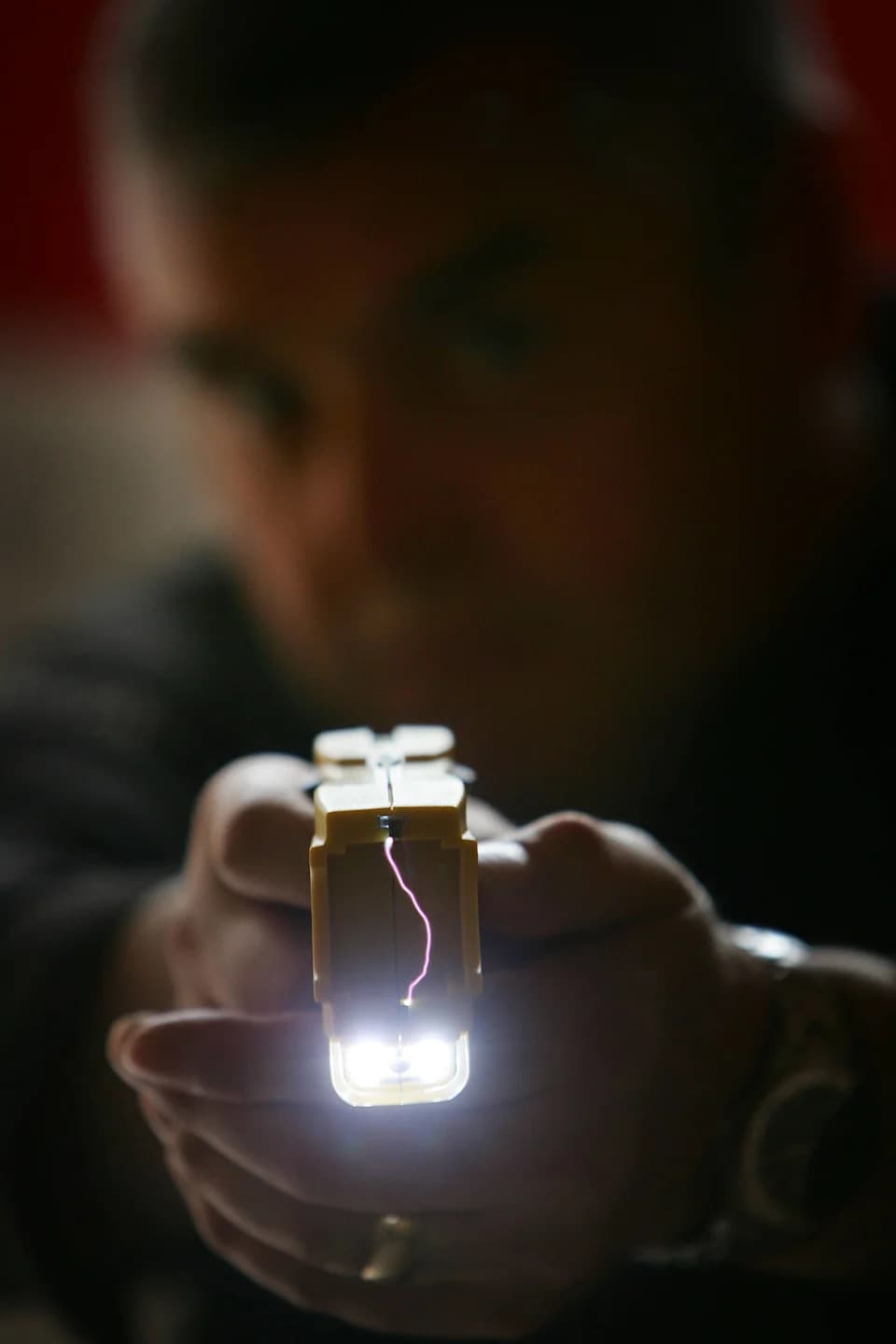
Conducted electrical weapons such as Tasers are designed to deliver short pulses of electricity that incapacitate through neuromuscular disruption rather than heat. Yet those pulses create high voltages and can produce tiny electrical arcs from probes, wires or gaps. Under the right conditions — when flammable vapors are present and within their combustible concentration range — those arcs can provide the small ignition source needed to start a fire.
Gasoline Vapors, Not Liquid Fuel
Liquid gasoline is less likely to ignite directly; the primary hazard is the invisible vapor it produces as it evaporates. During fueling, after spills, or when clothing is contaminated with fuel, gasoline vapor mixes with air. If the vapor concentration falls into a flammable range, an otherwise trivial spark — from static electricity or an electrical arc — can trigger combustion.
FOX 10 [Phoenix/YouTube.
What Happened In Arizona
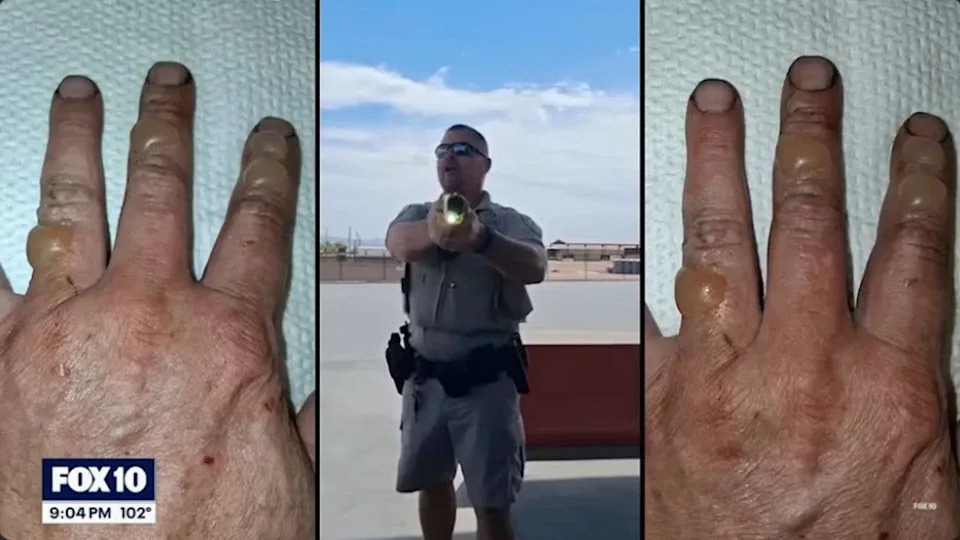
According to released footage and police statements, officers approached a man near active pumps and deployed a Taser. Almost immediately, flames appeared on the man’s clothing and body. Officers and bystanders extinguished the fire and emergency personnel transported the victim to a hospital with severe burns. Investigators have not indicated a device malfunction; the available evidence points toward ignition of gasoline vapors present at the scene or on clothing.
What Science, Training, And Litigation Show
Laboratory tests, forensic reconstructions and multiple lawsuits over the past two decades have shown that electrical discharges from conducted electrical weapons can ignite volatile vapors in specific circumstances. In response, many law enforcement training manuals explicitly warn officers to avoid deploying Tasers near gasoline, propane, alcohol-based solvents and other combustible atmospheres. Manufacturers also include cautionary language in product documentation.
Why These Incidents Still Occur
The risk is uncommon relative to the millions of deployments worldwide, but it is not negligible. Several factors contribute to continued incidents:

FOX 10 Phoenix/YouTube.
- Gasoline vapor is invisible and disperses unevenly, especially outdoors, making it hard to detect during a rapidly evolving encounter.
- Officers often have only seconds to assess a scene under stress, which can reduce attention to environmental hazards.
- Training emphasis varies widely between agencies; some stress ignition hazards strongly, others far less so.
Policy And Training Implications
Critics and safety advocates say the Arizona case should prompt renewed reviews of Taser policies, stronger scenario-based training that includes ignition-risk environments (gas stations, fuel storage areas, chemical spills), and clearer guidance on safer alternatives when ignition hazards are present. For departments that already include these cautions, the challenge is ensuring the guidance is practiced under realistic, high-stress scenarios.
Bottom Line
The physics are straightforward: electrical arcs can ignite vapors; gasoline produces those vapors where fuel is handled; and Tasers can create arcs that act as sparks. The remaining question is operational — whether policies, training and on-scene judgment are sufficient to prevent another devastating outcome when seconds matter.
This story was originally published by Men's Journal on Aug 3, 2026, where it first appeared in the News section.
Help us improve.