Cornell University denies it performed DNA testing or produced the report linked to a carcass Charles Stuart — aka "Snake the Bigfoot Hunter" — claims is a Sasquatch found in the Adirondacks. Stuart published alleged DNA results saying the specimen, nicknamed "Dack," was about 58.5% Neanderthal and displayed it at the New York State Fair. Cornell says the documents are not from the college; Stuart insists the university is trying to suppress the findings. Independent verification of the tests and the individuals named in the report has not been established.
Cornell Denies 'Bigfoot' DNA Tests — Claims Over Specimen 'Dack' Ignite Fresh Controversy
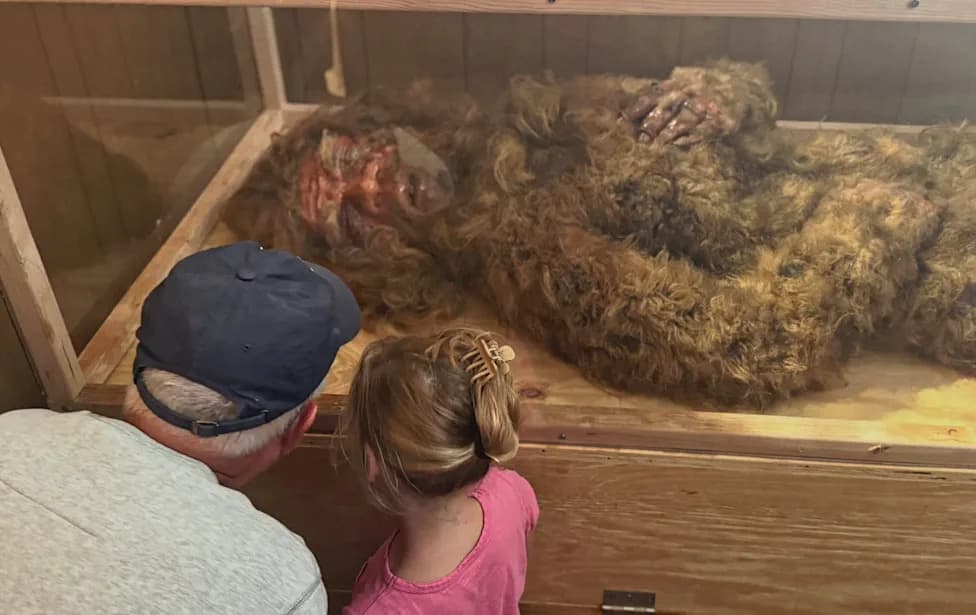
Charles Stuart's Bigfoot exhibit at the Great New York State Fair in 2025
Cornell University says it did not perform DNA analysis on remains that Charles Stuart, who calls himself "Snake the Bigfoot Hunter," claims are those of a Sasquatch found in New York's Adirondacks. The dispute over the provenance of the tests and the authenticity of the specimen — nicknamed "Dack" — has generated widespread scepticism and a public back-and-forth.
In July, Mr Stuart published what he described as DNA results for an 8 ft, 300 lb carcass he discovered in the woods. He asserted the report, which he linked to a lab affiliated with Cornell, showed the body to be about "58.5% Neanderthal … mixed with 41.5% human, and some of that's indigenous." He also displayed the specimen at the New York State Fair, saying roughly 60,000 people saw it.
Cornell's Response
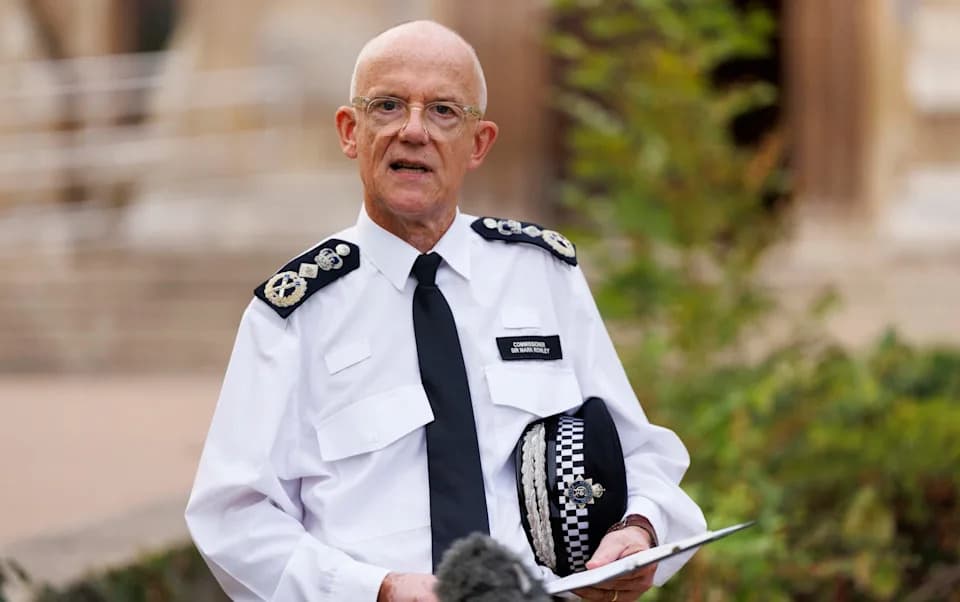
Cornell has posted a statement saying, unequivocally, that the university "did not conduct any testing for [Mr Stuart] or present a report." A university spokesman added that the documents Mr Stuart published are not from Cornell. Journalists have been unable to verify that the name on the report — a purported PhD candidate, Misty Pichard — is affiliated with the university.
Mr Stuart's Reaction
Mr Stuart has publicly rejected Cornell's denial. In comments to the New York Post he accused the university of trying to suppress the results and said he released the unredacted report "because I believe in transparency and the intelligence of the public."
"Cornell is flat out lying — I will not be silenced," Mr Stuart told the New York Post.
Claims About the Find
Stuart described finding the decaying body in a poison-ivy patch and estimated it had been dead about two days. He said larger footprints near the carcass suggested it may have been "bludgeoned to death" by a larger member of the species, possibly in a territorial or mating dispute. He also asserted the specimen had anatomical features suggesting an unusual reproductive biology and argued the animals are nomadic rather than familial.
Reactions From Researchers
Other Bigfoot researchers have been sharply critical. Matthew Moneymaker of the Bigfoot Field Researchers Organization called the specimen a "cheesy fake dead Bigfoot." Independent verification of the DNA results, the chain of custody of the samples, and the identity of the lab personnel named by Mr Stuart remain unconfirmed by credible third parties.
Next Steps
Mr Stuart self-published a book in May titled THE BIGFOOT BIBLE: How I Found Bigfoot and plans to return the specimen to the New York State Fair from Aug 26 to Sept 7. The Telegraph said it contacted Mr Stuart for comment; Cornell declined to add further comment beyond its public denial.
Note: Extraordinary claims require independent, verifiable testing. As of this reporting, no independent laboratory with confirmed credentials has authenticated the DNA report publicly linked to this case.
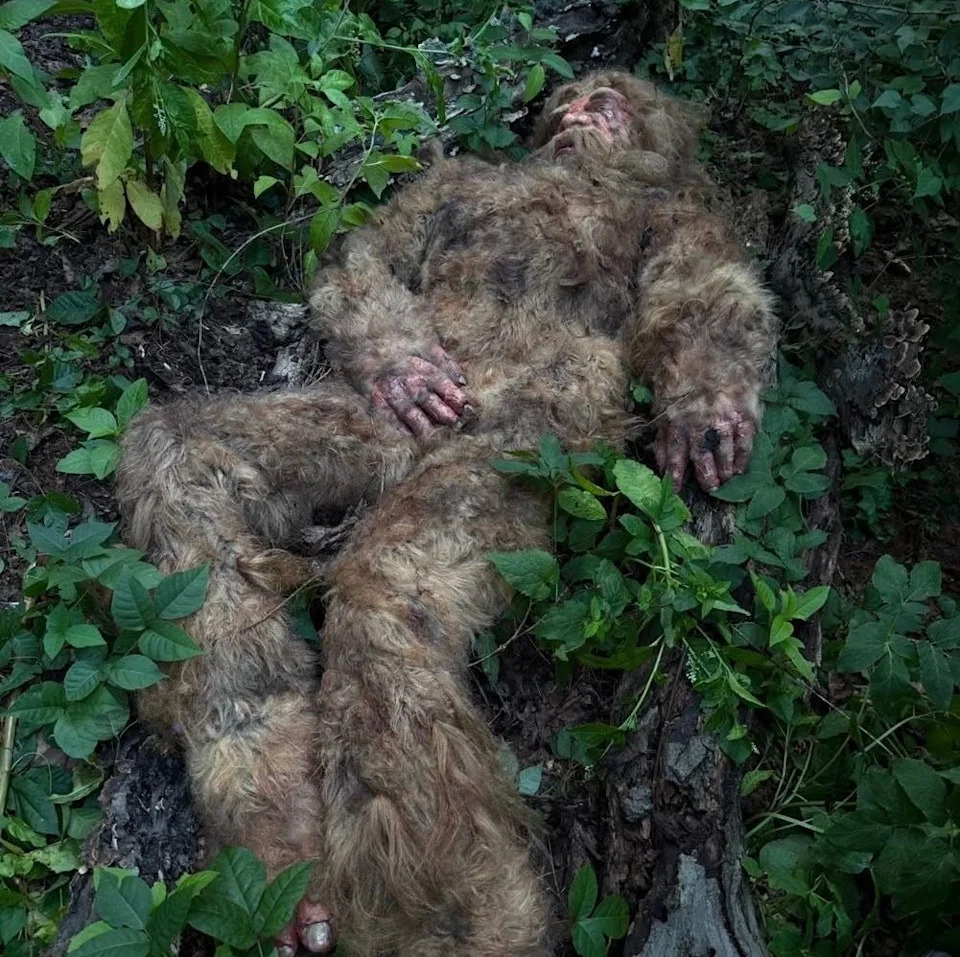
Mr Stuart posted pictures of a creature lying in some bushes - Facebook
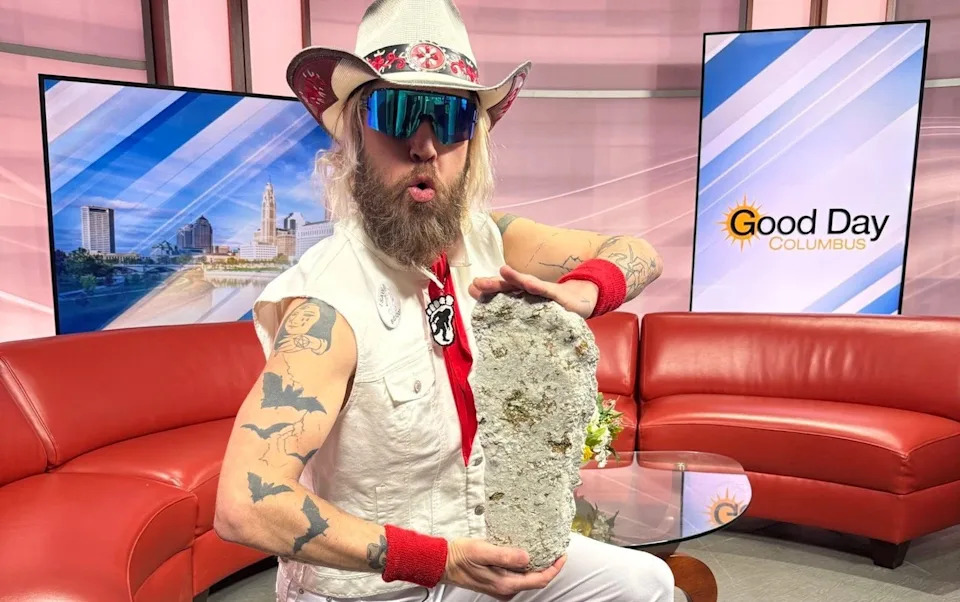
Mr Stuart said Cornell University was responding in 'panic' to his findings - Facebook
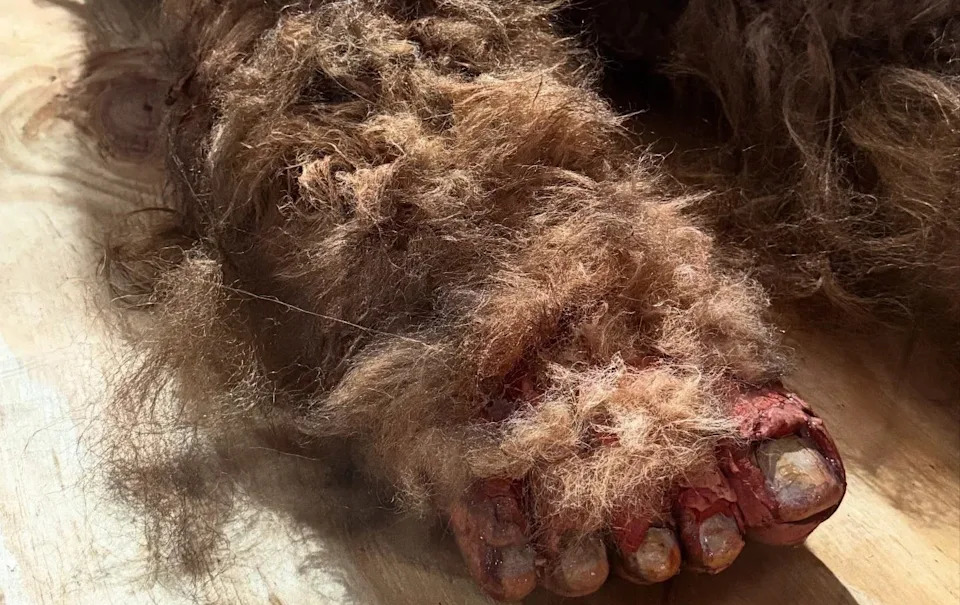
Mr Stuart claimed his specimen was probably 'bludgeoned to death' by a bigger Bigfoot - Facebook
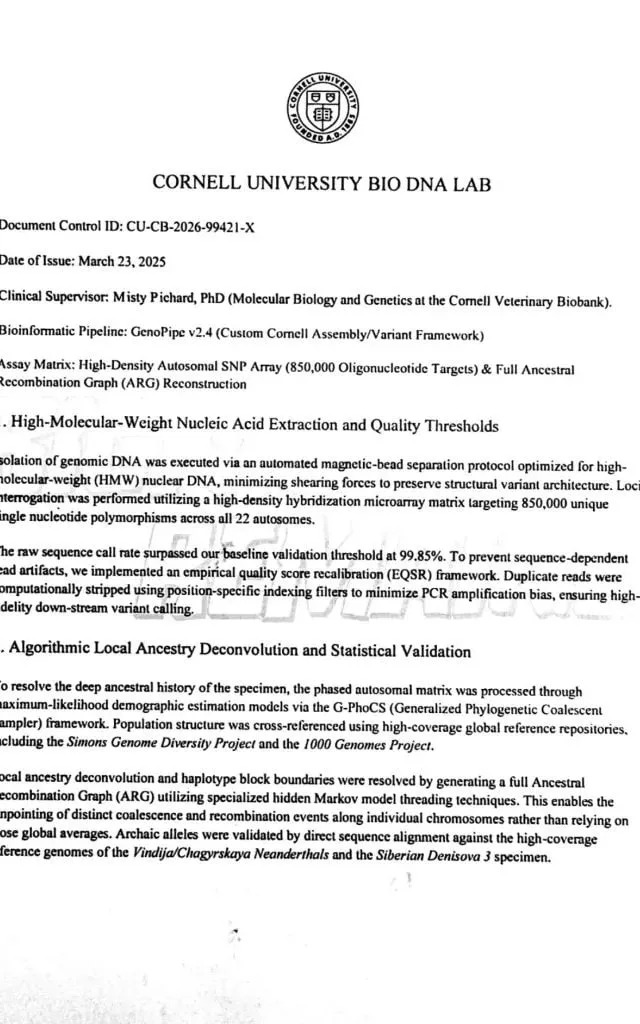
The report published by Mr Stuart - Facebook
Help us improve.