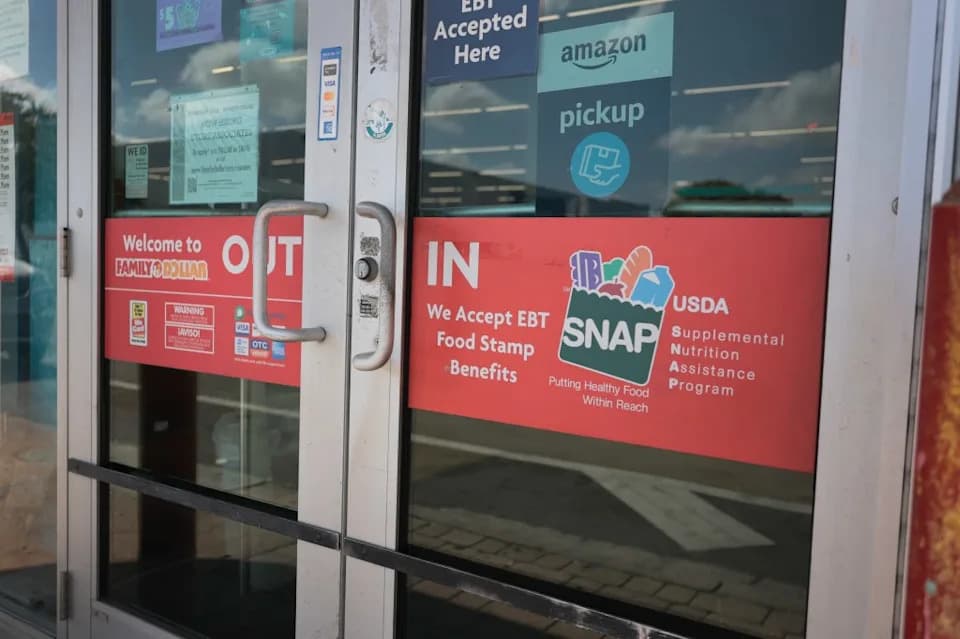
Late Friday, the Senate Agriculture Committee released a revised Farm Bill 2.0 (Agricultural Act of 2026), adding more than 80 pages to the initial draft. The update authorizes year-round E15 sales and extends timelines for state SNAP administrative changes intended to reduce payment errors. The bill also introduces new conservation initiatives, tweaks the Conservation Reserve Program for drought resilience, expands support for local processors, and funds specialty crop mechanization research. Advocacy groups criticized the draft for cutting conservation investments and failing to restore SNAP reductions affecting over one million children.
Senate Ag Committee Publishes Revised Farm Bill 2.0: E15, SNAP Changes and New Conservation Initiatives

Image by photo.ua, Shutterstock
Late Friday evening, the Senate Committee on Agriculture, Nutrition, and Forestry released the legislative text for Farm Bill 2.0 — the Agricultural Act of 2026. The revised draft, issued after normal business hours, expands the initial discussion paper by more than 80 pages and introduces changes across nearly every title of the farm bill.
Key provisions include authorization for year-round sales of E15 fuel and an extended timetable for states to update SNAP administrative procedures, a change Sen. John Boozman says will help reduce payment error rates. Boozman, the committee chair, framed the bill as a bipartisan effort to support farm families, strengthen rural communities and protect U.S. food security.
A committee business meeting to mark up the bill is scheduled for Thursday morning this week.
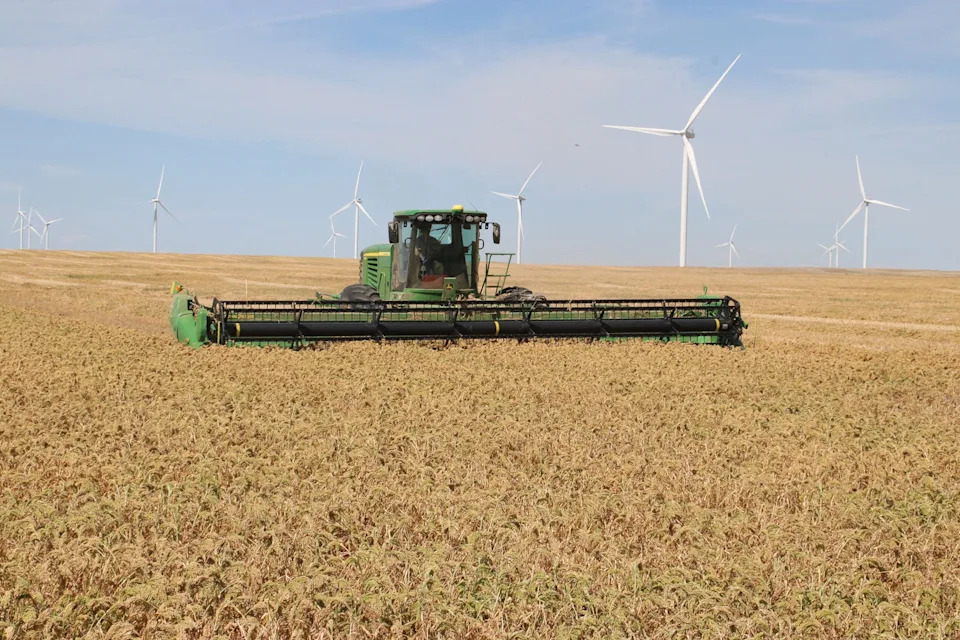
A farmer harvests proso millet in Matheson, Colorado. (Image by Bailey Sieren, Dryland Genetics)
Image: A farmer harvests proso millet in Matheson, Colorado. (Image by Bailey Sieren, Dryland Genetics)
What’s New In This Draft
- E15 Sales: Language authorizes year-round sales of E15 fuel.
- SNAP Administration: Extends the timeline for states to rework administrative procedures for SNAP benefits, intended to lower payment error rates.
- Conservation Programs: Streamlines and strengthens existing programs and creates two new initiatives: a Forest Conservation Easement Program and a State Conservation Assistance Program.
- Conservation Reserve Program (CRP): Adjusts CRP rules to improve grazing options, explicitly supporting producers during drought conditions.
- Buy American: Bolsters Buy American requirements across federal nutrition programs to increase procurement of U.S.-produced food.
- Local Processing & Markets: Expands support for local and regional meat and poultry processors through new funding opportunities and regulatory guidance for small processors and renderers.
- Mental Health and Rural Support: Expands the Farm and Ranch Stress Assistance Network to increase access to mental-health services in rural communities.
- Farm Loans and Innovation: Modernizes farm loan programs, strengthens market-development efforts, and creates a specialty crop mechanization and automation research program with dedicated funding.
Reactions
Advocacy organizations raised immediate concerns over the draft. Mike Lavender, policy director for the National Sustainable Agriculture Coalition, said the proposal "comes up short on delivering the stability and level playing field that are so badly needed," arguing it reduces conservation investments and fails to enact crucial safety-net reforms.
"No one should support a farm bill that fails to support family farmers, feed hungry children, support farmers adopting regenerative practices, or build healthy diets," said Scott Faber, senior vice president of government affairs at the Environmental Working Group. He warned the bill does not close loopholes disadvantaging small farms, does not restore cuts to SNAP affecting more than one million children, and does not reverse an estimated $2 billion reduction to stewardship programs.
The updated draft reshapes provisions across conservation, nutrition, research, and local and regional food programs. The committee will consider the text in its scheduled markup, where amendments and further revisions are likely.
What Comes Next: Lawmakers will debate and amend the draft during the committee markup. Any changes there could alter funding levels and program language before the bill moves to the Senate floor.
Help us improve.