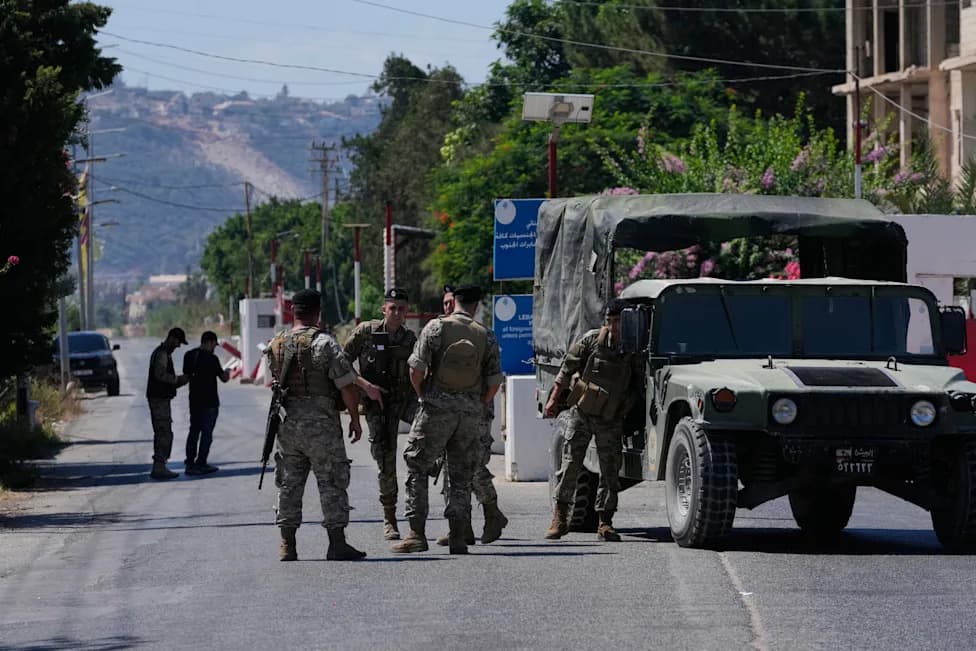
UNIFIL will remain active until Dec. 31, 2026, but major questions linger about who will secure southern Lebanon afterward. The UN secretary-general proposed three smaller deployment options on June 2, while European states have floated follow-on multinational or EU missions and the EEAS has proposed a three-year civilian-military effort. Key issues — including verification of Israeli withdrawals from agreed 'pilot zones' and whether the Lebanese Armed Forces can assume full responsibility with international training and support — remain unresolved.
UNIFIL’s Final Months: Who Will Secure Southern Lebanon After Dec. 31, 2026?
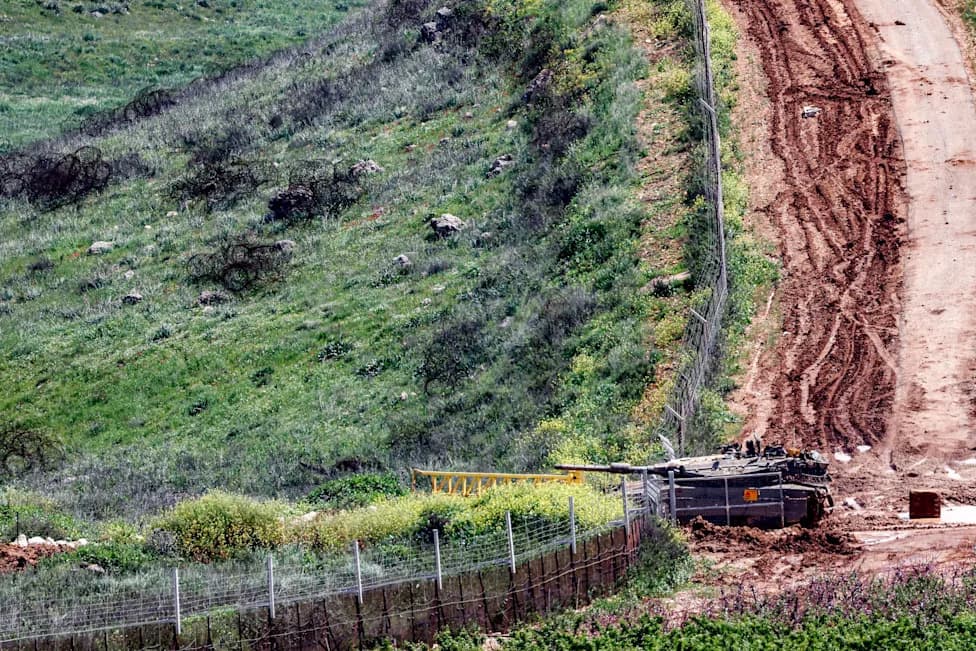
An Israeli army Merkava main battle tank moves at a position in southern Lebanon by the border with northern Israel on March 27, 2026. (Jalaa Marey/AFP via Getty Images)
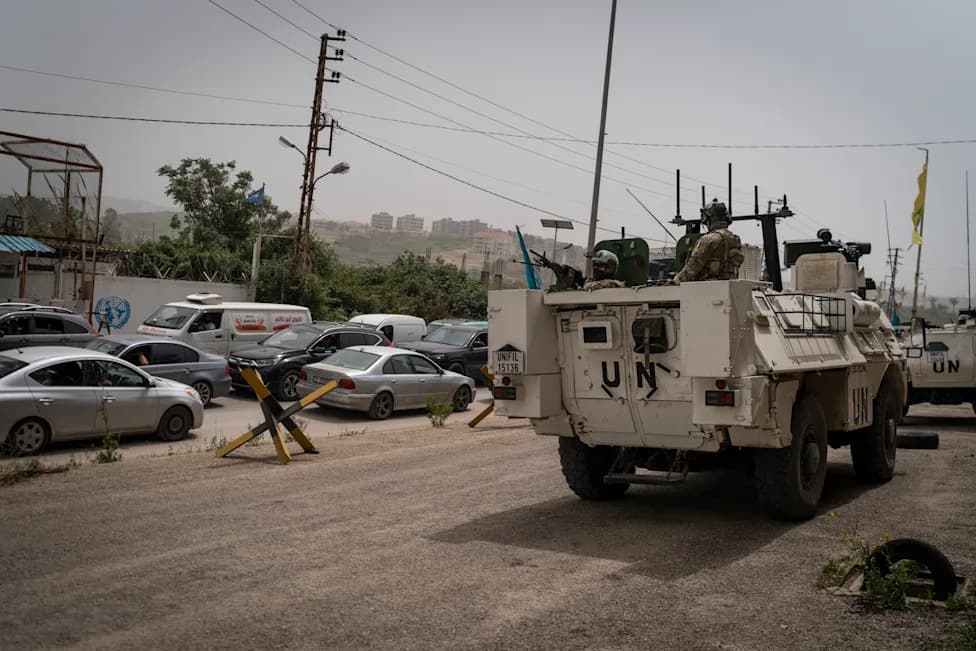
The United Nations Interim Force in Lebanon (UNIFIL) is entering the final months of its mandate while parts of southern Lebanon remain under Israeli occupation. With the mandate due to expire on Dec. 31, 2026, the shape of security arrangements after that date is still unsettled and several competing proposals are under consideration.
What’s at stake
Some international civilian staff were evacuated during the March 2 escalation, though military personnel have largely stayed in place to continue day-to-day operations. The UN secretary-general submitted three downsized deployment options to the Security Council on June 2, but the council has not yet taken a decision. Officials warn that without a clear follow-on arrangement, southern Lebanon risks a security vacuum when UNIFIL withdraws.
Three Options From the Secretary-General
Secretary-General António Guterres proposed three scaled-down force configurations described as light, medium and more substantial. The scenarios would reduce troop levels to roughly 900, 1,500 or about 3,000, with varying numbers of military observers and reserve forces. The Security Council may accept one of these options or chart a different course.
'The Security Council is currently examining the options. We will wait and see what decision it makes,' UNIFIL spokesperson Kandice Ardiel said, adding that UNIFIL's priority remains carrying out its mandate and preparing for an orderly transition.
Alternative Proposals and European Interest
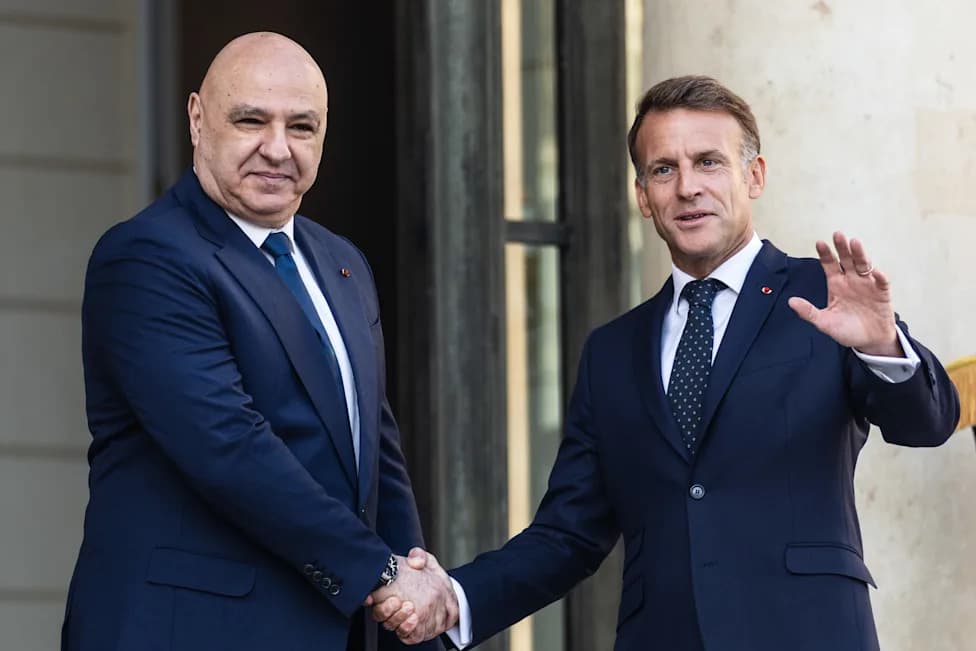
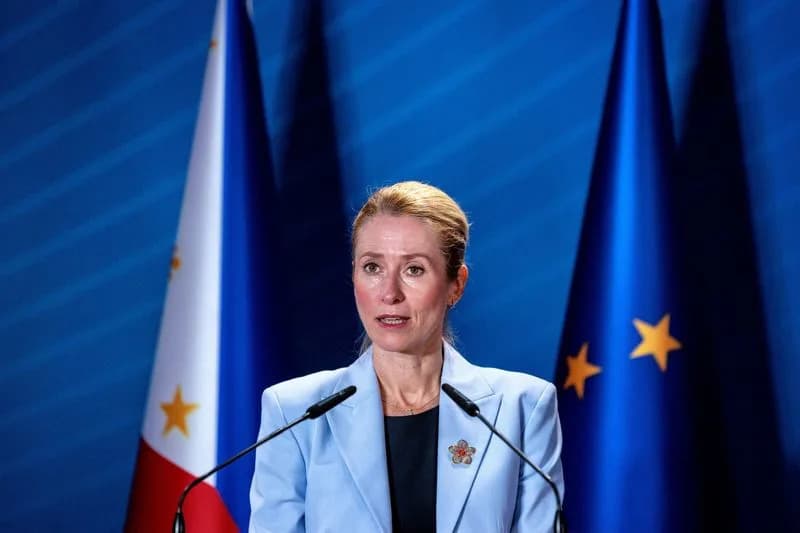
Italy and France proposed a multinational coalition at their late-June summit in Antibes, and Germany has signalled support for an EU-led mission to follow UNIFIL. The European External Action Service (EEAS) has offered a three-year civilian and military mission intended to bolster the Lebanese state and the Lebanese Armed Forces (LAF), not to directly replace UN peacekeepers but to strengthen local capacity for border security and territorial control.
Pilot Zones, Verification and Israeli Withdrawals
The Washington framework agreement between Lebanon and Israel envisions 'pilot zones' in southern Lebanon to be cleared of Hezbollah fighters and weapons and placed under LAF control before the Israeli withdrawal is verified. How that verification should be conducted remains unresolved, and UNIFIL has not been formally integrated into those discussions. To date, Israel has withdrawn from only one of the two agreed pilot zones. Israeli and Lebanese delegations are scheduled to meet again in Rome on Aug. 4.
What Happens After Dec. 31, 2026?
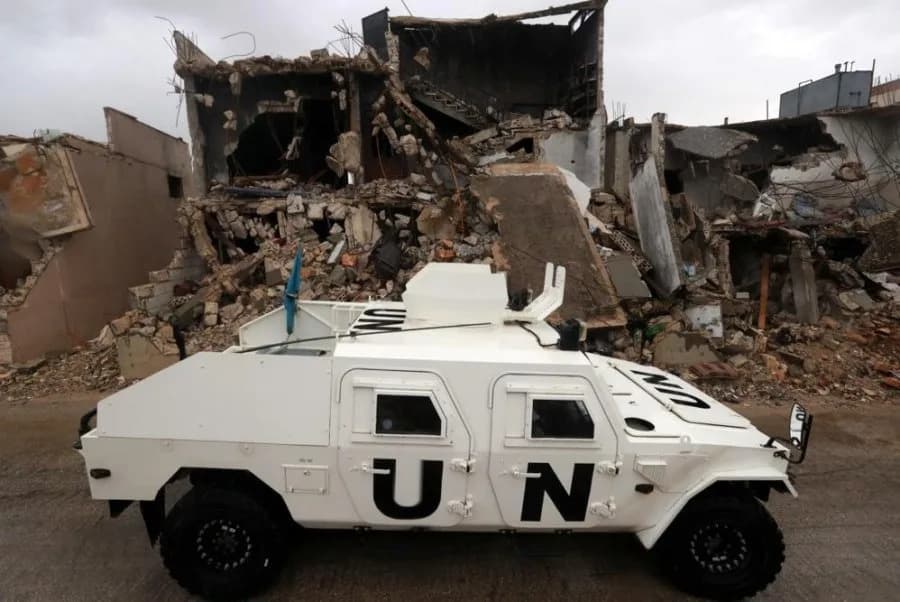
When UNIFIL's mandate ends in practice, its routine monitoring, reporting and day-to-day coordination role will cease even though the relevant Security Council resolutions would technically remain on the books. The force will dismantle bases and withdraw after nearly five decades on the ground, leaving the question of who will monitor ceasefires and assist the deployment of the Lebanese army south of the Litani River.
Lebanese Views and the Role of the LAF
The Lebanese government and many parliamentarians have publicly urged continued international support. A delegation representing 86 members of parliament presented a petition to the UN seeking renewal of UNIFIL's mandate and warning of the risks of withdrawal.
'The time to rely on others is over,' said Paul Salem, a senior associate at the Center for Strategic and International Studies. 'The LAF should be supported in gradually assuming full responsibility for security.' Salem argued that international partners should focus on training, equipment and resources for the LAF rather than simply maintaining another on-the-ground international presence.
Salem also noted operational limitations: around half of UNIFIL’s positions are sited in areas currently occupied by Israel, which complicates freedom of movement and constrains effectiveness on the ground.
Outlook
Multiple trajectories remain possible: a reduced UN presence, a new multinational or EU-led mission, a strengthened civilian-military EU/EEAS effort, or a gradual transfer of responsibility to the Lebanese state and LAF backed by international assistance. The Security Council's decision and the outcome of the Rome talks on Aug. 4 will be pivotal in shaping what follows.
Help us improve.