European and Arab military chiefs are meeting in Paris to plan how to support the Lebanese Armed Forces should UNIFIL — an almost 50‑year UN peacekeeping mission with about 7,500 personnel — withdraw in January. France and Lebanon favour extending the mandate, but the US and Israel have not backed prolongation, prompting talks of a non‑UN mission backed by France and Italy or a possible EU‑led force. Proposals would focus on training, equipment, intelligence sharing and mentoring rather than combat roles. The talks follow deadly Israeli strikes in southern Lebanon that killed at least 13 people, including six children, and come amid fears of renewed military escalation.
Paris Hosts Security Talks to Plan for Post‑UNIFIL Options as Tensions Rise in Southern Lebanon
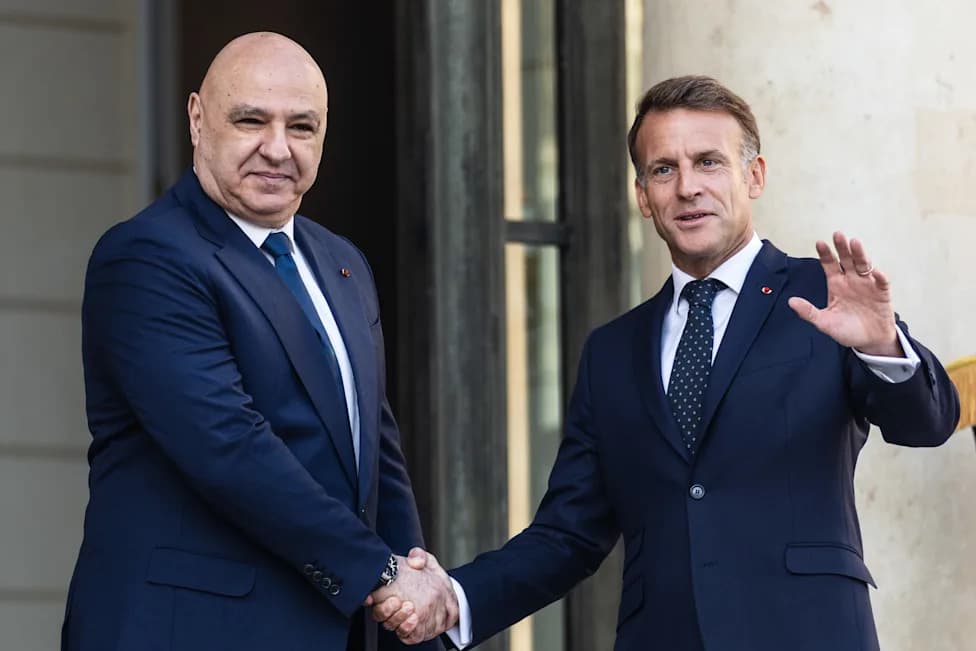
French President Emmanuel Macron (right) welcomes Lebanese President Joseph Aoun at the Elysee Palace in Paris for security talks [Mohammed Badra/EPA]
European and Arab military leaders are meeting in Paris to assess the needs of the Lebanese Armed Forces and to consider alternatives as the long‑running United Nations Interim Force in Lebanon (UNIFIL) approaches a planned withdrawal in January, amid mounting fears of renewed Israeli military operations in southern Lebanon.
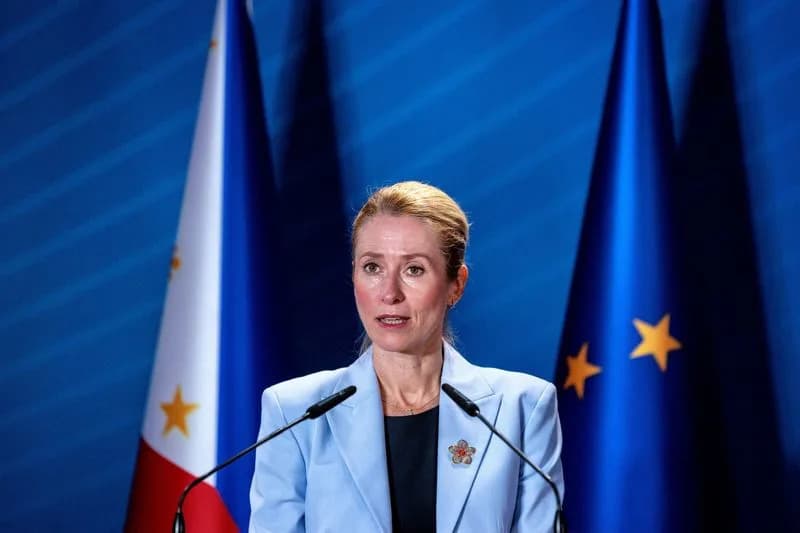
Who Is Meeting: Thursday's sessions are co‑chaired by French President Emmanuel Macron together with Lebanese President Michel Aoun and Jordan's King Abdullah II. The United States is sending a senior military official involved in Middle East security issues, Reuters reported.
Background and Recent Violence
The talks follow several rounds of US‑brokered discussions between Israel and Lebanon aimed at easing tensions along the shared border. A US‑mediated framework agreement reached in June did not require Israel to withdraw from the large area of southern Lebanon it occupies, and strikes have continued.
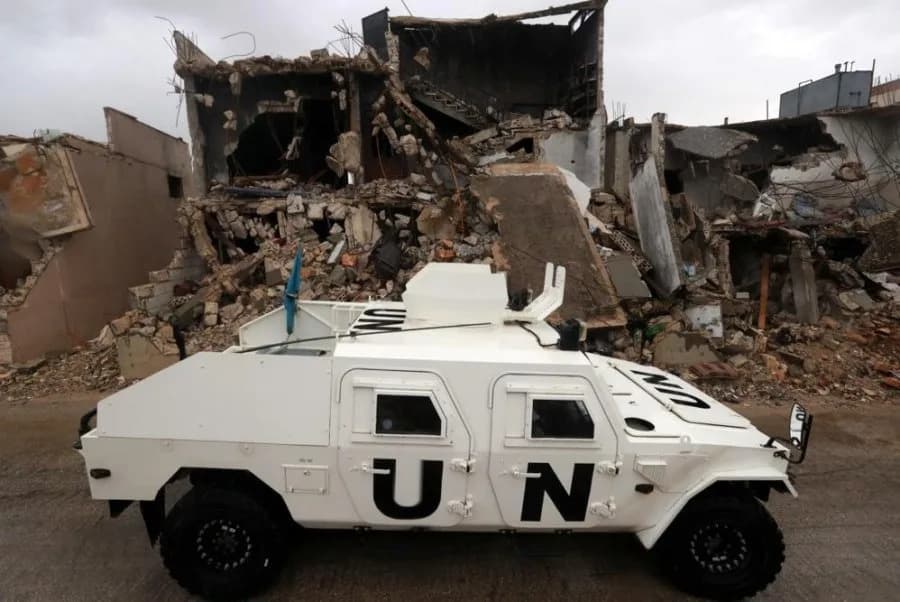
On Wednesday night, Israeli forces carried out a series of strikes across southern Lebanon, according to local reports. Last week, Israeli air attacks killed at least 13 people — including six children — in a southern Lebanese town, the Lebanese Ministry of Public Health said, marking one of the deadliest days of bombardment in recent weeks.
Why the Paris Talks Matter
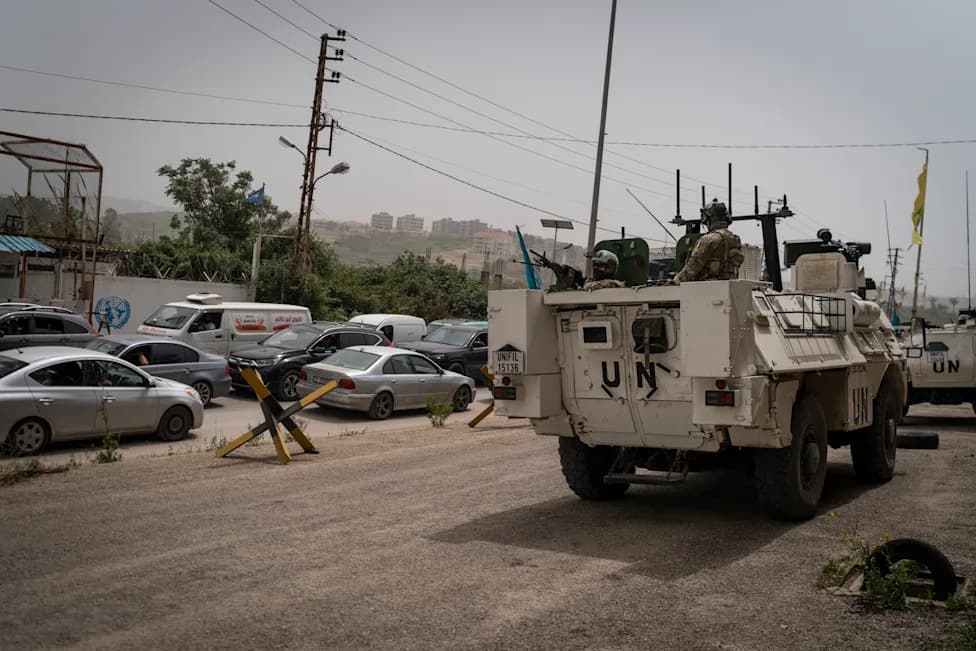
UNIFIL, an almost 50‑year mission that currently numbers about 7,500 personnel, is due to leave in January. Officials in Paris say the most immediate priority is handling the security vacuum the departure could create and ensuring the Lebanese Armed Forces are prepared to maintain stability.
France and Lebanon favour extending the UN mandate, but neither the United States nor Israel has signalled support for prolonging UNIFIL. In response, Paris and Rome have reportedly explored options for a new international deployment operating outside a UN mandate, and officials are also considering a possible European Union‑led mission.
Proposed Roles and Priorities
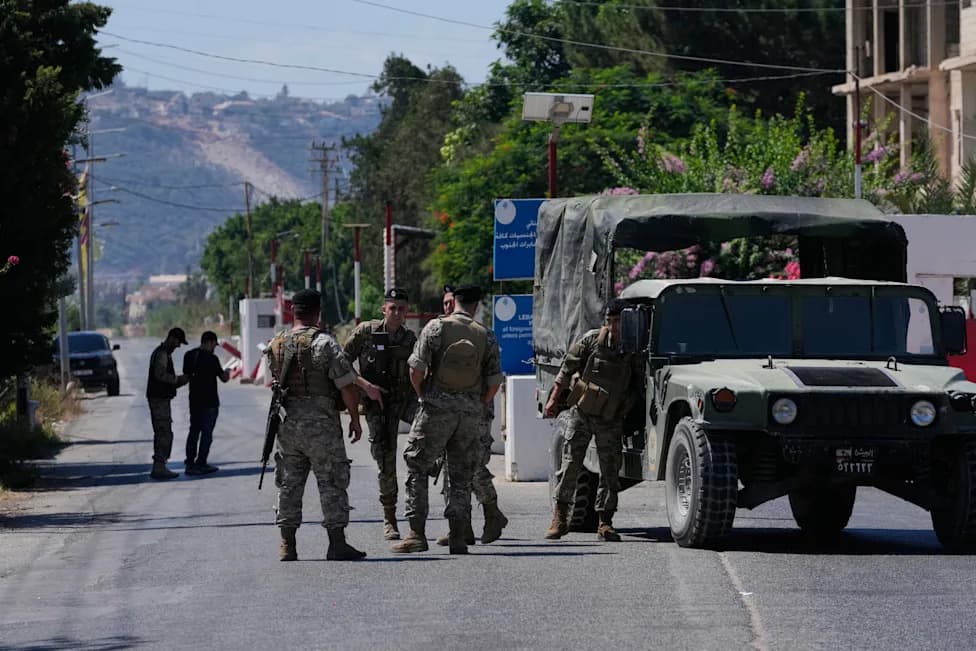
Both the non‑UN and EU‑led concepts emphasise training, provision of equipment, intelligence sharing and mentoring support for the Lebanese Armed Forces rather than large combat deployments. Paris has said it wants the "operational context, parameters and modalities" of any new deployment clarified during the talks as a prerequisite for robust international backing.
Disarming Hezbollah remains a central condition for Israel under the framework agreement. President Aoun has reiterated his intention to pursue disarmament "without confrontation," underscoring the political complexities on the ground.
The Paris discussions aim to map viable international support options to prevent a deterioration of security in southern Lebanon and to reduce the risk of a wider escalation between Israel and Lebanese armed groups.
Help us improve.