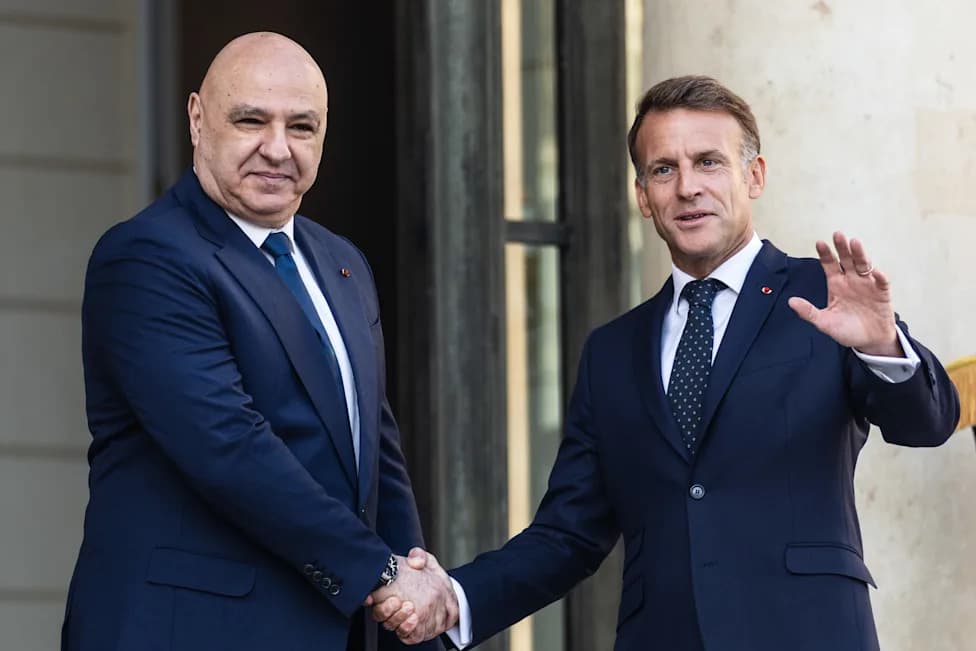
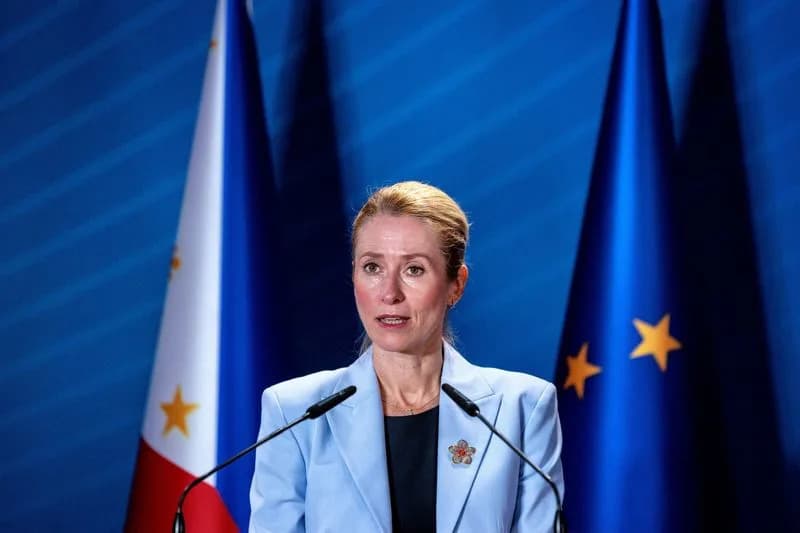
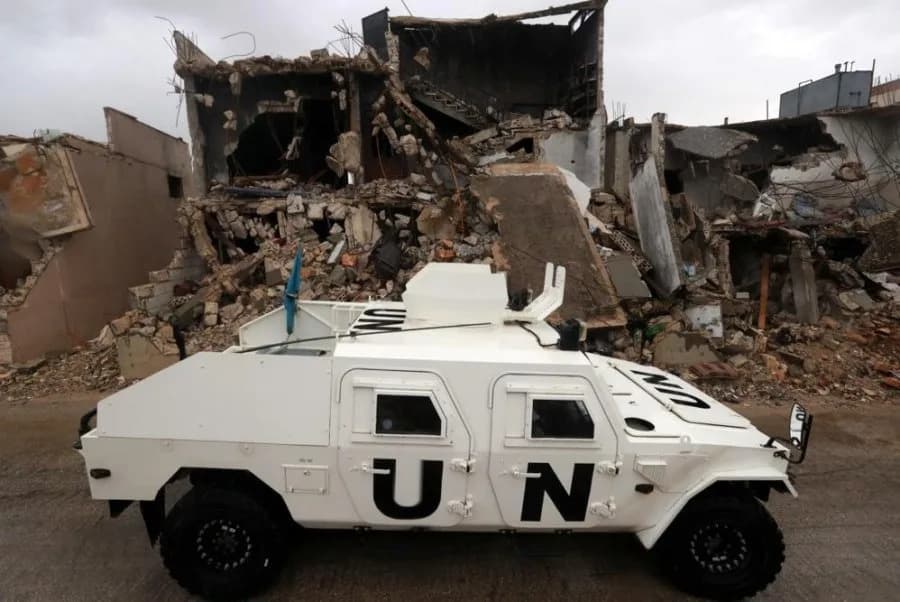
Leaders from Lebanon, France and Jordan meet in Paris to prepare a postponed donor conference aimed at strengthening Lebanon's underfunded army. Talks will also address stalled plans to transfer security in southern Lebanon from Israeli forces to the Lebanese army, and consider an international role after UNIFIL's mandate expires at year-end. Lebanese officials argue a larger, better-equipped army is needed to avoid an escalation with Hezbollah and to protect civilians nationwide.
Paris Summit to Rally Support for Lebanon’s Cash-Strapped Army
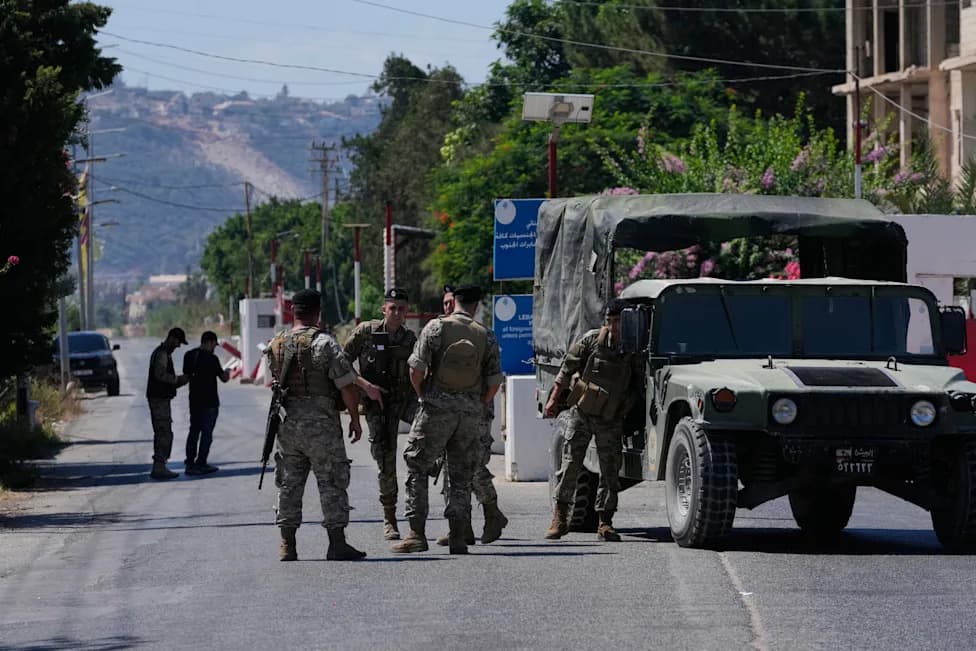
Lebanese army soldiers stand guard at a checkpoint near the border with Israel in the southern village of Mansouri, Lebanon, Friday, Sept. 4, 2026. (AP Photo/Mohammed Zaatari)
Leaders from Lebanon, France and Jordan are scheduled to meet in Paris on Thursday to coordinate international support for Lebanon's struggling military and to pave the way for a donor conference.
The donor conference — originally planned for February and to be co-led by France, Saudi Arabia and the United States — was postponed after the outbreak of the Iran war and a fresh escalation in the Israel–Hezbollah conflict. Thursday's talks aim to relaunch that diplomatic effort and map out concrete donor commitments.
Security and the South
The Lebanese Armed Forces increasingly find themselves squeezed between Israeli forces, which now control large parts of southern Lebanon, and Hezbollah, which has repeatedly resisted calls to disarm. In June, Beirut and Jerusalem announced a framework agreement that envisaged a phased Israeli withdrawal, a transition of security responsibility to the Lebanese army and the disarmament of Hezbollah; implementation of that framework has since stalled.
Officials said the Paris meeting will also focus on the volatile security situation in southern Lebanon and on plans for an international role there after the U.N. peacekeeping mandate for UNIFIL expires at the end of the year, the office of President Aoun said in a statement.
Political Context and Military Needs
Hezbollah emerged from the war that ended in November 2024 significantly weakened, and Lebanon subsequently elected President Aoun and Prime Minister Nawaf Salam, both of whom pledged to disarm Hezbollah and other non-state armed groups. Israel and the United States have criticized Lebanon for not taking direct military action to compel Hezbollah to disarm.
Lebanese officials say they are wary of a direct confrontation between the army and Hezbollah, warning that such a clash could escalate into civil war. Their argument is that a larger and better-equipped national army is needed to assume security responsibilities nationwide and to convince Hezbollah supporters that state forces can protect them.
Funding Challenges
For years, Lebanon's armed forces have been chronically underfunded and under-equipped, relying heavily on foreign donors including the United States, the United Kingdom, France and Italy. Saudi Arabia had pledged $3 billion in 2013 to help arm the Lebanese military with French equipment, but Riyadh froze that assistance in 2016 as Hezbollah's political influence grew and ties between Lebanon's government and Saudi Arabia deteriorated.
Lebanon's fiscal collapse in late 2019 battered state institutions, cut wages and left millions' savings locked in banks. As inflation soared and budgets shrank, many soldiers left the service or took second jobs, leaving the military stretched thin and struggling to pay adequate salaries.
Why the Paris meeting matters: It seeks to relaunch donor efforts, address the security vacuum in southern Lebanon, and define what international support might look like after UNIFIL’s mandate ends.
Help us improve.