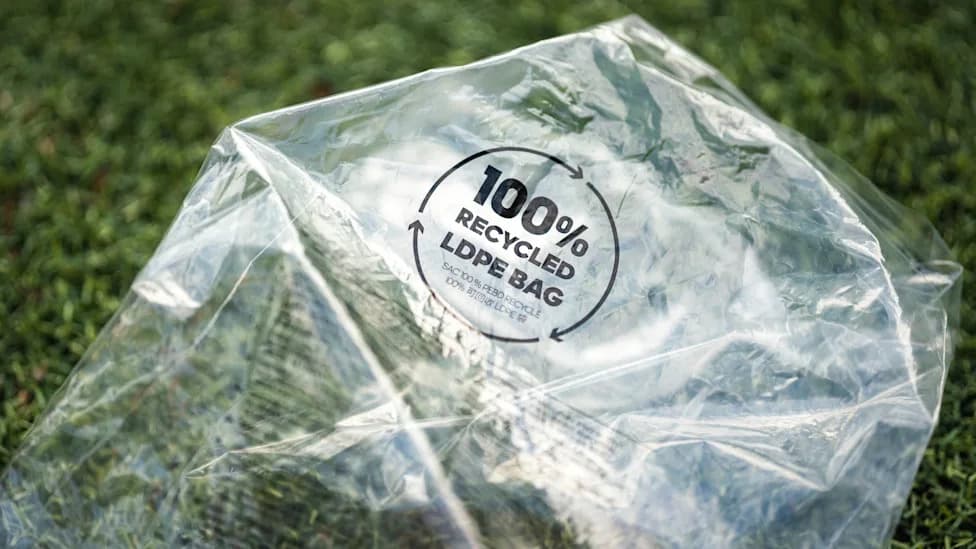
Judge William Hayes issued a preliminary injunction blocking SB 343, a California law that would have limited the recycling chasing-arrows symbol to items recycled by programs serving at least 60% of residents and actually sorted for recycling. The court found key provisions likely unconstitutionally vague and probably in conflict with the First Amendment, arguing the law might drive companies to remove the symbol rather than provide clearer labeling. Supporters warn that lax labeling fuels contamination and operational problems; opponents say the injunction protects truthful commercial speech. The decision could affect California's producer-responsibility policies and influence similar laws elsewhere.
Judge Temporarily Blocks California Ban On Recycling Symbol, Citing First Amendment Concerns
Is the recycling symbol free speech? A judge just ruled it could be.
A federal judge has temporarily blocked California's landmark law limiting use of the familiar "chasing arrows" recycling symbol, ruling that key provisions likely conflict with the First Amendment and are unconstitutionally vague. The preliminary injunction pauses enforcement of SB 343, a 2021 statute designed to restrict the symbol to products and packaging truly recycled by programs that serve at least 60 percent of Californians and actually sort those items for recycling.
What the Law Would Have Done
SB 343 aimed to curb misleading recycling claims by allowing the chasing-arrows emblem only on items accepted by recycling programs serving >=60% of California residents and that are actually sorted for recycling rather than simply collected and landfilled. The law was intended to help consumers make better choices and reduce contamination in curbside streams caused by nonrecyclable materials.
The Court's Ruling
In a preliminary injunction issued earlier this month, U.S. District Judge William Hayes applied the standard four-part test for limits on commercial speech. He found the law satisfied the first two prongs: it targets potentially misleading speech and addresses legitimate state interests in reducing consumer confusion and improving recycling outcomes.
Hayes concluded, however, that SB 343 likely fails the remaining steps because it may not materially advance California's goals and could be more restrictive than necessary. He reasoned that the law might prompt companies to remove the recycling symbol altogether rather than provide clearer context, which could unintentionally reduce recycling rates for affected items.
'The First Amendment protects free expression, not a corporation's right to commit consumer fraud,' said Nick Lapis, director of advocacy at Californians Against Waste, expressing frustration with the ruling.
Responses From Both Sides
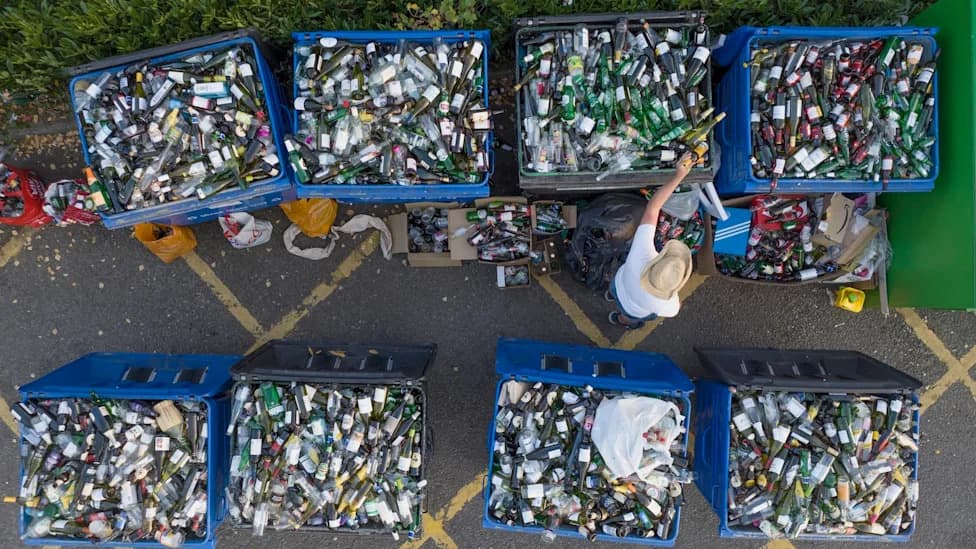
Environmental advocates warned that vague or permissive use of the symbol fuels 'wish-cycling'—consumers putting nonrecyclable items into curbside bins—which can jam sorting equipment, slow operations and increase costs. Heidi Sanborn, executive director of the National Stewardship Action Council, said contamination is labor-intensive to remove and raises household bills.
'People are wish-cycling, they're so desperate to recycle,' Sanborn told Grist. 'We have to pull all this contamination out, which is very labor-intensive, and then everybody wants to know why their bills go up.'
Industry groups hailed the injunction as a protection of truthful commercial speech and a safeguard against overly broad regulation. Scott Hochberg of Earth Island Institute noted that First Amendment challenges to environmental rules are not new and warned that successful challenges could impede future state-level efforts to tighten labeling.
Legal Context And Implications
Hayes suggested narrower alternatives that could achieve California's objectives without outright banning the symbol on lower-recycled items. For example, the state might require contextual qualifiers alongside the symbol — such as noting regional limitations on recycling acceptance — a type of labeling SB 343 would have prohibited.
The injunction complicates California's broader extended producer responsibility (EPR) framework, which shifts costs and responsibilities for packaging recycling to producers and relies on similar definitions of recycling. A separate lawsuit already challenges that program. If the injunction stands, other states considering similar labeling restrictions could face added legal hurdles.
Next Steps
California can appeal the preliminary injunction or amend SB 343 to address the court's concerns about vagueness and narrowly tailoring restrictions. On July 27, Earth Island Institute and Californians Against Waste said they would join California as defendants to provide technical evidence about how recycling systems work, hoping to clarify the law's real-world impacts if the case proceeds.
Whatever the outcome, the dispute highlights a growing legal and policy tension: how to balance truthful, non-misleading environmental claims with free-speech protections for commercial actors, while also protecting the integrity of recycling systems.
This story was originally published by Grist with the headline 'Is the recycling symbol free speech? A judge just ruled it could be.' on Aug 3, 2026.
Help us improve.