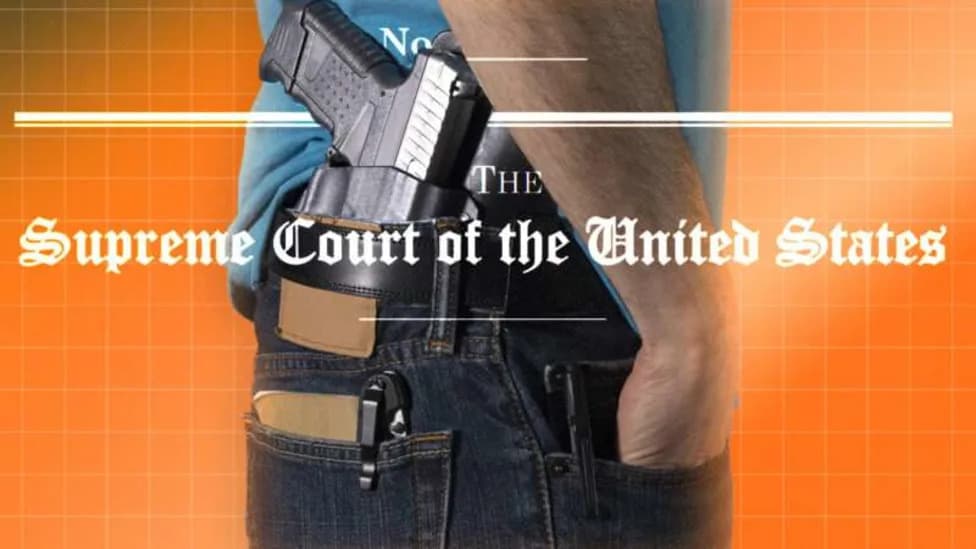
The Long Beach citation of Michael Wasserman over vehicle displays has evolved into a federal constitutional challenge to a 1989 municipal sign ordinance. At issue is whether the ordinance's exemption list—which includes flags and corporate insignia but not political candidates—creates an unconstitutional, content-based distinction under Reed v. Town of Gilbert. Both parties have filed for summary judgment after Wasserman rejected a $50,000 settlement offer, meaning a federal judge may issue a written ruling with broader implications for local regulation of vehicle signage.
From Flags to First Amendment: How a 1989 Sign Law Put Long Beach in Federal Court
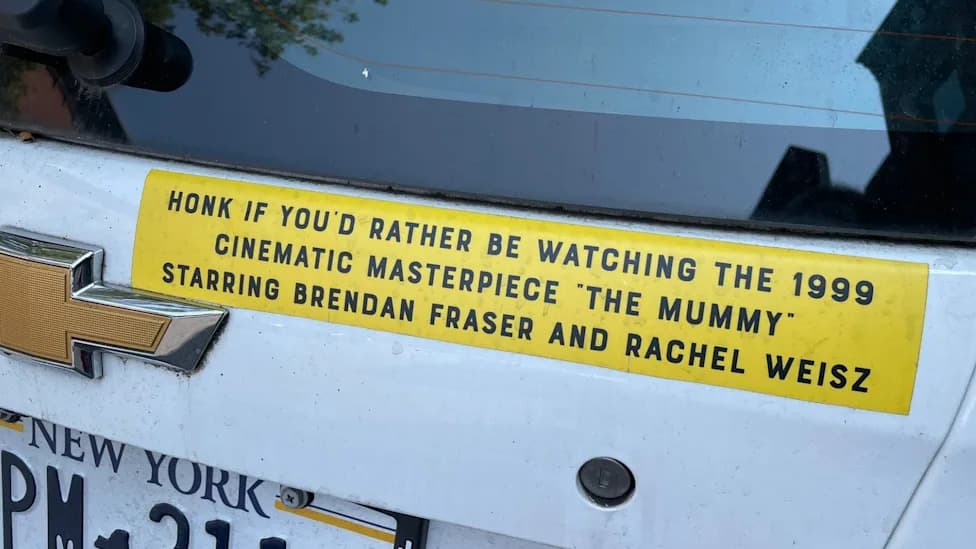
The 'Trump Car' Case Stopped Being About Flags. It's Now About a Sign Law From 1989
A seemingly obscure municipal sign rule from 1989 has become the central legal question in Wasserman v. City of Long Beach (No. 2:21-cv-02466), a federal civil-rights case that could reshape how cities regulate vehicle displays.
Case Background
Hidden in Chapter 3 of Long Beach's municipal code—titled "Advertising, Signs and Posting Bills"—is a list of exempted flags and emblems. Section 3-7(d) generally bans signs on public streets and property; section 3-3(e) exempts flags, emblems, and insignia belonging to nations, governmental subdivisions, religious or fraternal organizations, and corporations. Notably absent are political candidates, which is the source of the current dispute after Michael Wasserman was cited in March 2021.
Why It Matters
The constitutional issue flows from the Supreme Court's decisions in Reed v. Town of Gilbert (2015) and Walker v. Texas Division, Sons of Confederate Veterans (2015). Reed holds that laws that treat signs differently based on their message are presumptively content-based and therefore subject to strict First Amendment scrutiny. Walker held that certain license-plate designs are government speech, illustrating a boundary between government-controlled and private expression on vehicles.
Long Beach framed the citation as ordinary code enforcement focused on location and safety. Critics say the exemption list is content-based because it privileges some speakers (e.g., corporations, churches) while excluding political candidates—an omission that could trigger strict scrutiny under Reed if enforcement depends on reading the message.
Procedural Posture
The complaint was filed on May 3, 2021. After multiple amendments and counsel changes, both parties filed summary-judgment motions on August 31, 2023, moving the dispute beyond settlement. Earlier this year, the City Council authorized a $50,000 settlement offer, which Wasserman declined; that refusal appears to have ensured a judicial ruling rather than a quiet payout.
Broader Consequences
If a municipal sign code can be applied to flags and signs on vehicles, it affects a wide range of drivers: rideshare operators with ad panels, hobbyists with sponsor decals, dealers flying pennants, and tradespeople with lettered vans. A municipal order to remove an unauthorized wrap or decal can impose substantial removal costs on vehicle owners. New York law (Vehicle and Traffic Law §375 and §1600) focuses on sightlines and expressly limits conflicting local regulation, which further complicates the legal analysis.
What’s Next
Summary-judgment briefing asks the court to decide the case on the written record and the ordinance's meaning, rather than on contested facts. A written opinion would create binding precedent that outlasts any one City Council vote. The court's ruling could clarify where the line between city control and private expression on vehicles should be drawn.
Question to readers: If every window still allows an unobstructed view, should a city be allowed to regulate what you display on your own vehicle? Where would you draw that line?
Help us improve.