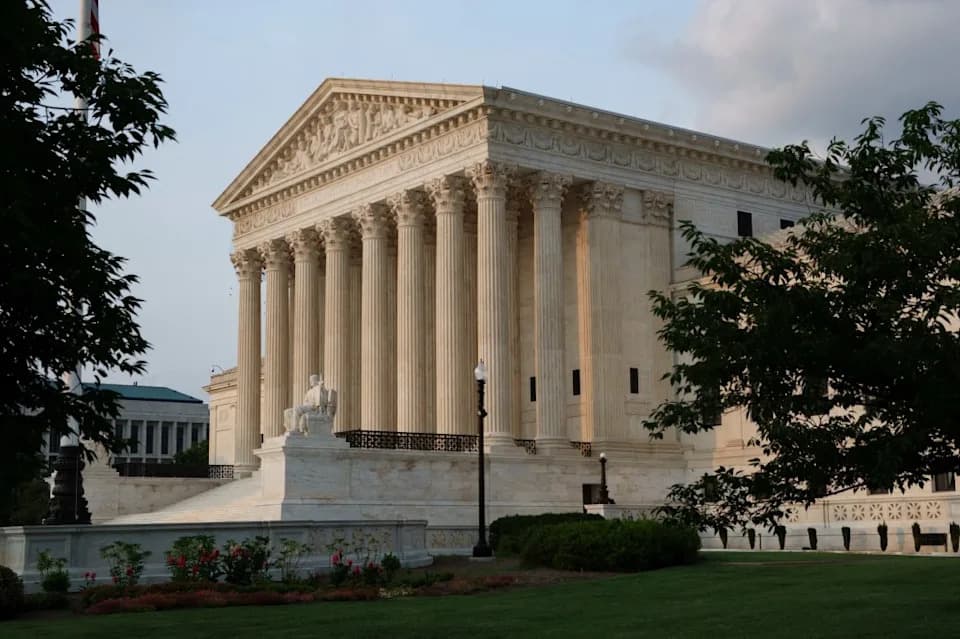
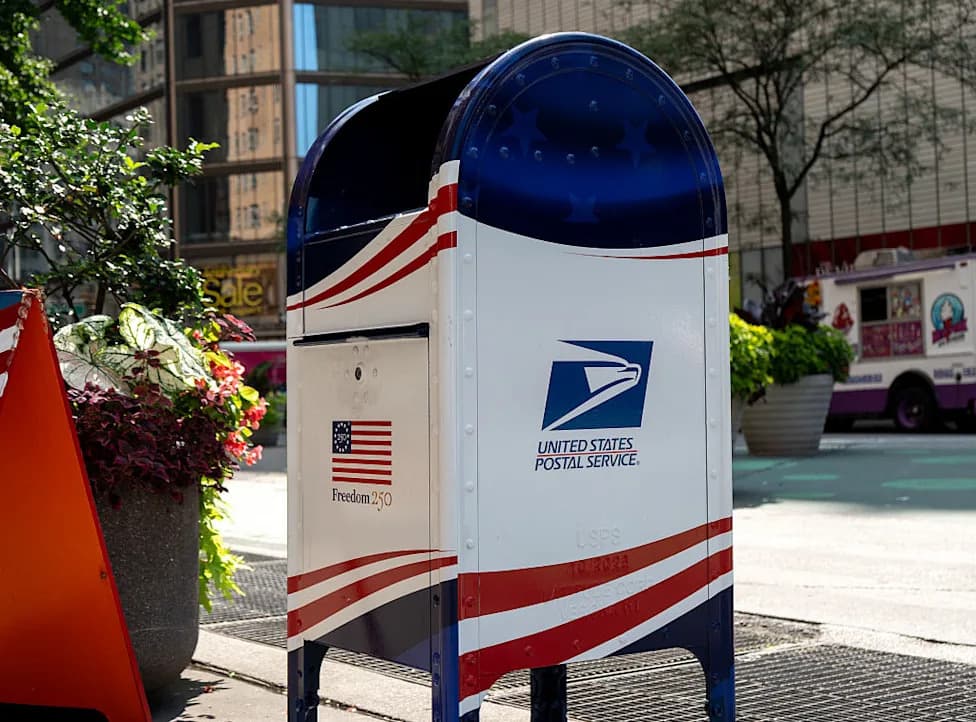
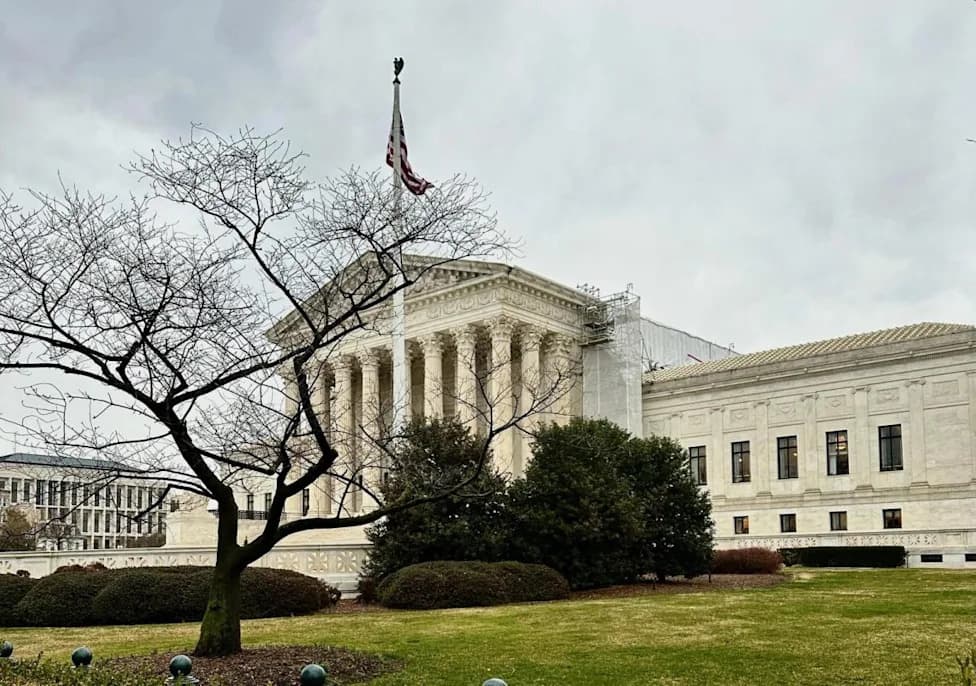
The Supreme Court's brief order in USPS v. California blocked a Postal Service rule that would have required barcodes on ballot envelopes, approval of designs, and uploading voter lists to a USPS portal — requirements the agency could not operationalize in time. The district court found the rule likely exceeded USPS authority and would impose severe burdens; the high court agreed, prioritizing equitable concerns over the government's fraud-prevention claims. Justices Alito and Thomas dissented; Kavanaugh concurred in part. The decision narrowly averted a potential mass disenfranchisement ahead of the 2026 midterms.
Supreme Court Blocks USPS Rule That Could Have Disenfranchised Millions Ahead Of 2026 Midterms
Let’s Celebrate the Supreme Court Not Outright Rigging the 2026 Election
The Supreme Court's terse three-sentence order in USPS v. California halted a Postal Service rule that, if enforced, likely would have prevented millions of Americans who rely on vote-by-mail from having their ballots counted in the 2026 midterms. The decision is narrow but consequential: the court found the government was unlikely to win on the legal question of USPS authority and that the practical burdens of the rule outweighed the government's fraud-prevention argument.
What the Rule Would Have Required
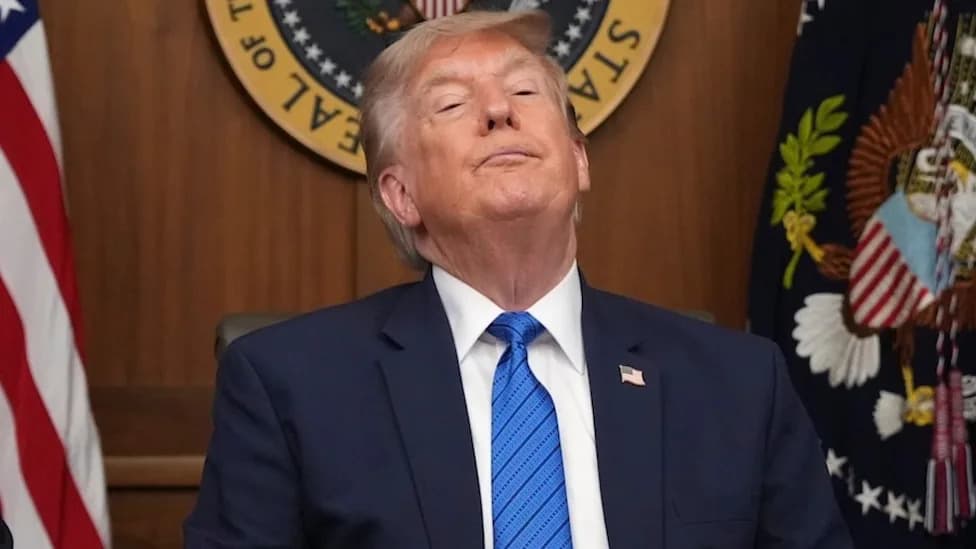
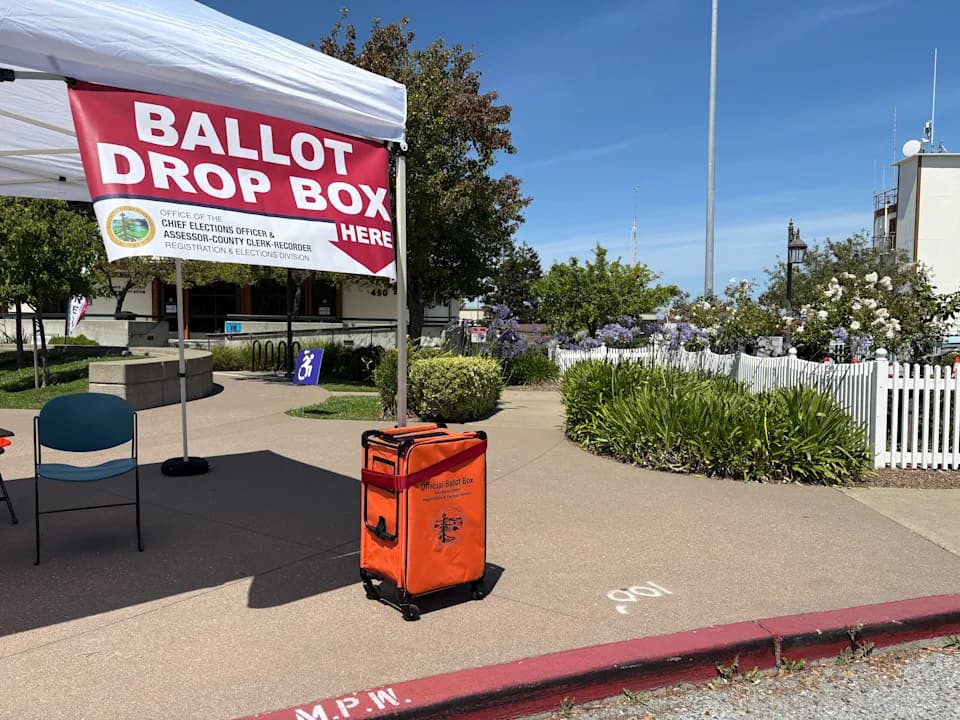
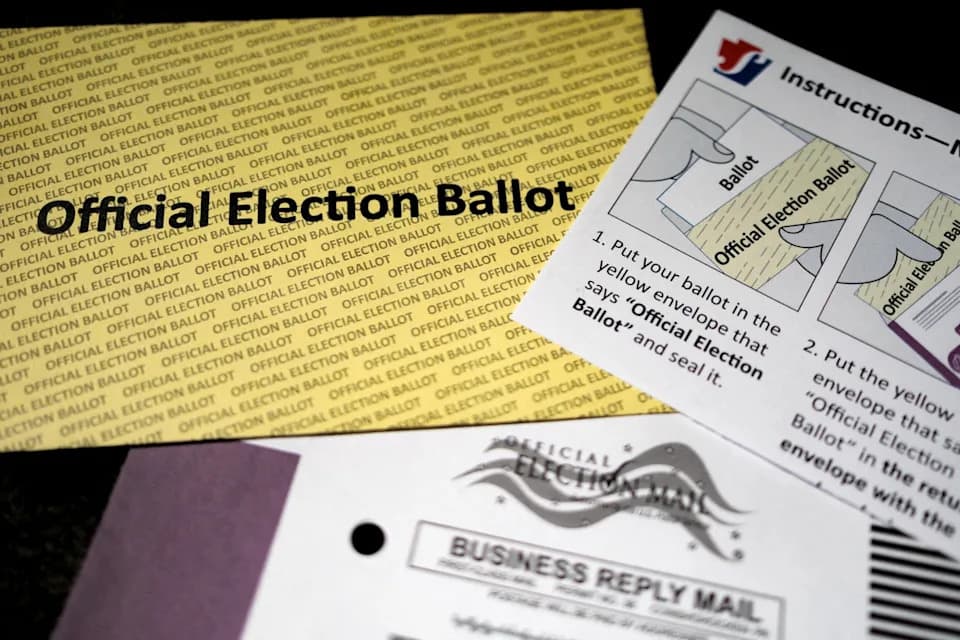
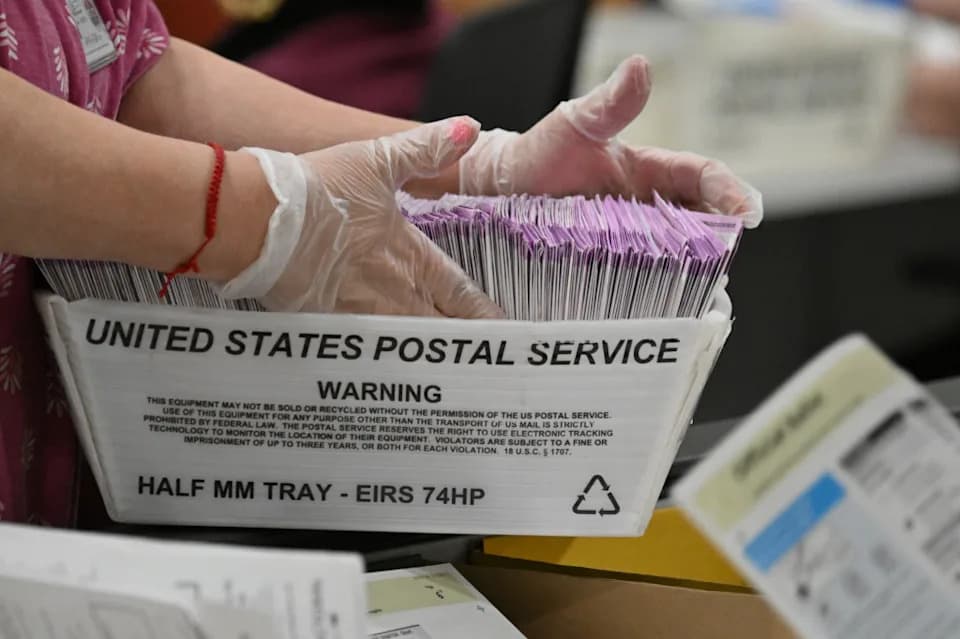
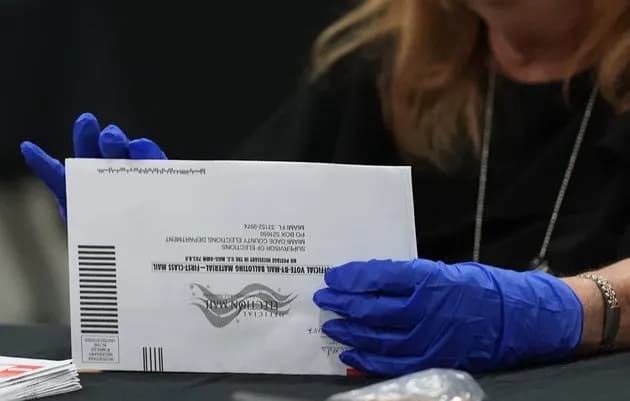
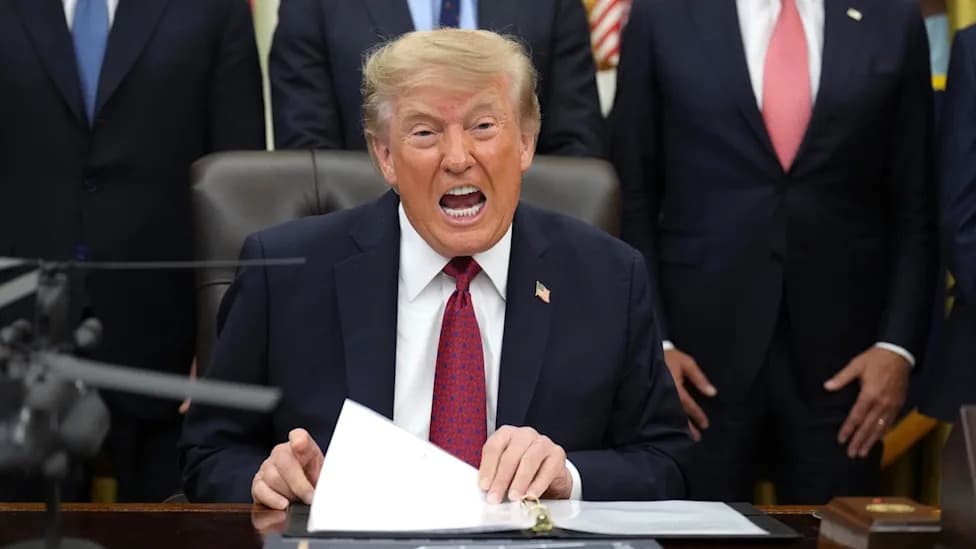
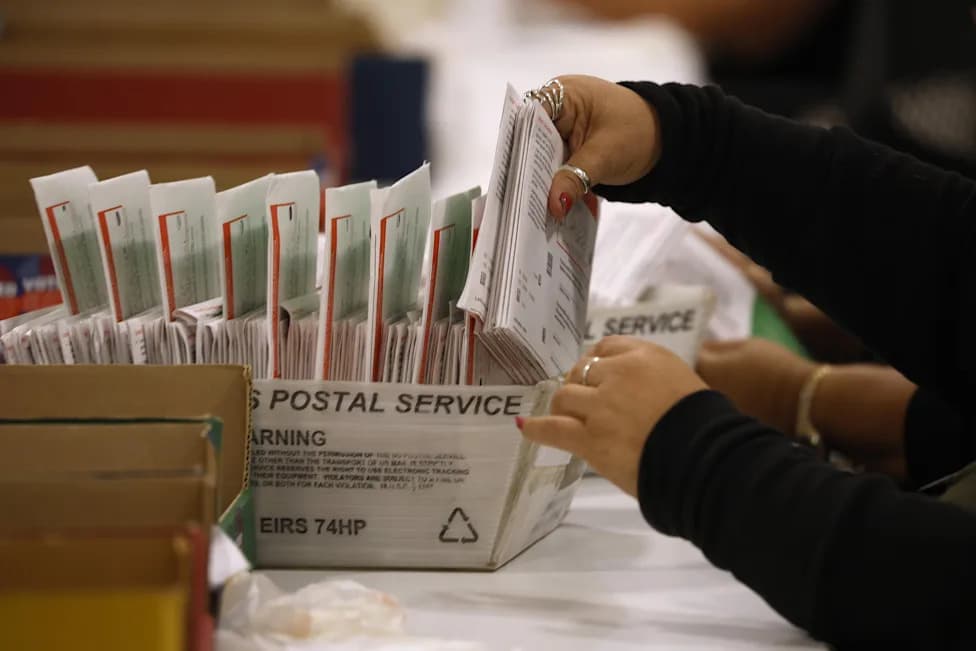
In late August, the Postal Service adopted a rule — prompted by a March executive order from President Trump — that required states to obtain USPS approval for new ballot envelope designs with "intelligent" barcodes, place those barcodes on every envelope, upload state voter lists to a USPS portal, and submit ballots so USPS could check encoded names against those lists. The rule instructed USPS to reject an entire batch of ballots if a single potential mismatch was detected.
Why Courts Stopped It
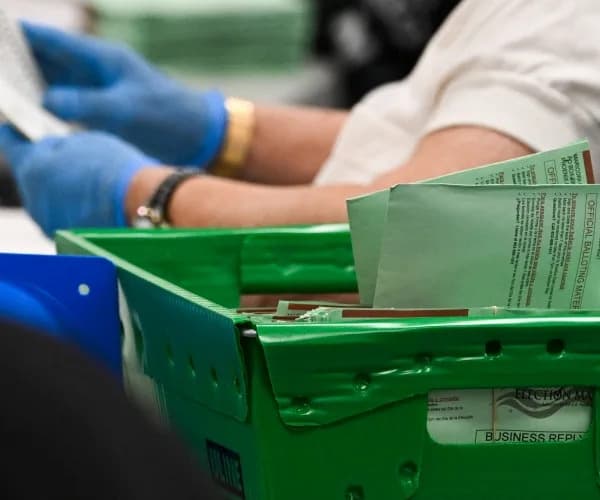
Election officials were already in the middle of mailing ballots: North Carolina began mailing on September 4, and other states had envelopes stuffed and addressed. USPS did not have a functioning portal to accept voter lists when the rule was announced, and in one instance rejected Leon County, Florida's envelope over a printed return-mail notation being 0.014 inches too close to other text. The federal district court granted a preliminary injunction, finding the rule likely exceeded USPS’s statutory authority and would impose severe administrative burdens and public-interest harms. The Supreme Court agreed.
How the Justices Split
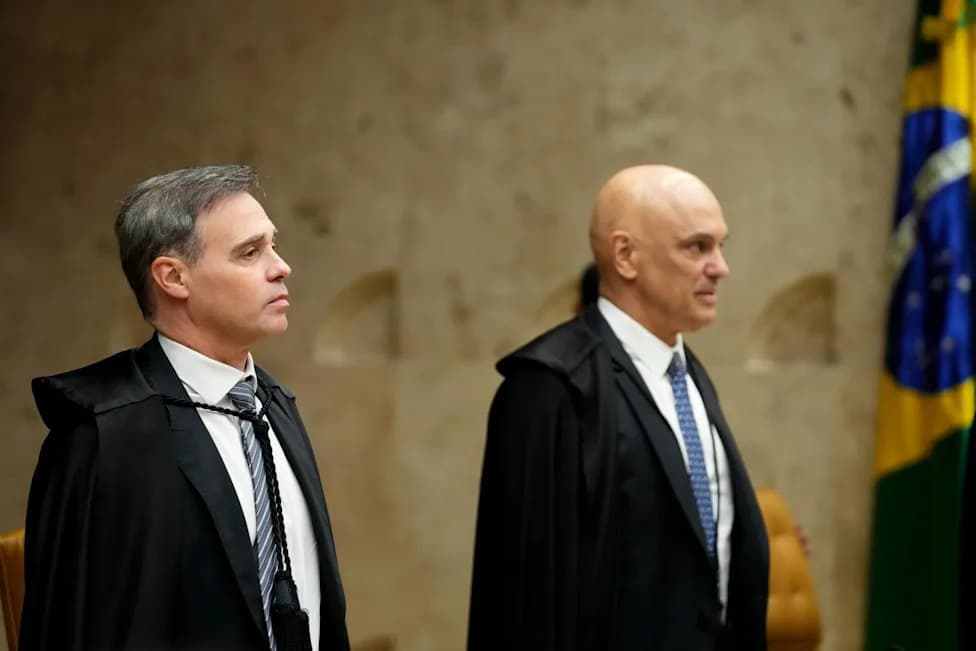
The court's majority concluded that both the legal and equitable factors favored blocking the rule. Justices Samuel Alito and Clarence Thomas dissented. Justice Brett Kavanaugh wrote separately, suggesting the government might prevail on the legal merits but agreeing that, in his view, the equities in this instance favored protecting voters. At least two other conservative justices joined the majority on the equitable ruling alongside the court's three liberals.
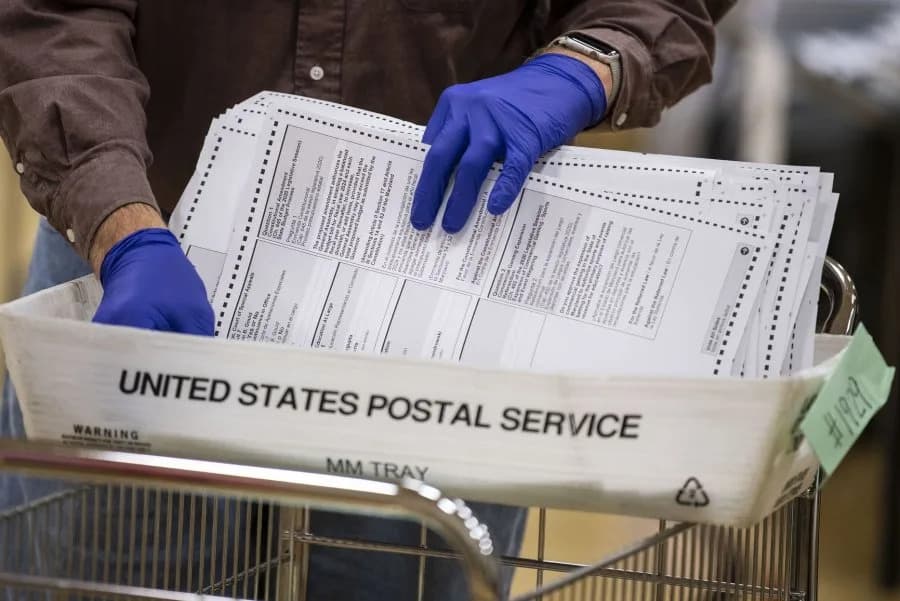
Practical Impact: Had the rule been allowed to stand, millions of elderly, disabled, military, rural, Native American and other voters who rely on mail ballots could have been disenfranchised because USPS lacked the systems and lead time to implement the requirements.
Why This Matters
This outcome is a narrow but meaningful check against an effort that would have altered how mail ballots are validated across states on the eve of a major election. It underscores that even a court with a strong conservative majority can balk at immediate rules that risk widespread disruption to voting. At the same time, the episode highlights ongoing threats to voting access and foreshadows further litigation and political battles ahead of 2026 and 2028.
Bottom line: The Supreme Court prevented an imminent, administratively driven risk of mass disenfranchisement — a limited victory that nonetheless protects voters this cycle while leaving broader questions about voting rights and USPS authority unsettled.
Help us improve.