Robert F. Kennedy Jr., U.S. health secretary and long‑time vaccine skeptic, told CNN viewers that parents should vaccinate their children against measles as cases hit 2,371 this year — above the 2025 total of 2,289. His brief endorsement of the MMR vaccine came amid a combative interview in which he denied responsibility for the outbreaks and repeated several disputed public‑health claims. Experts welcomed the vaccination message but warned that much of his broader commentary was inaccurate; officials say urgent outreach is needed to protect children and preserve the nation's measles‑elimination status.
RFK Jr. Urges Parents To Vaccinate Children Against Measles As U.S. Sees Highest Outbreak In 35 Years
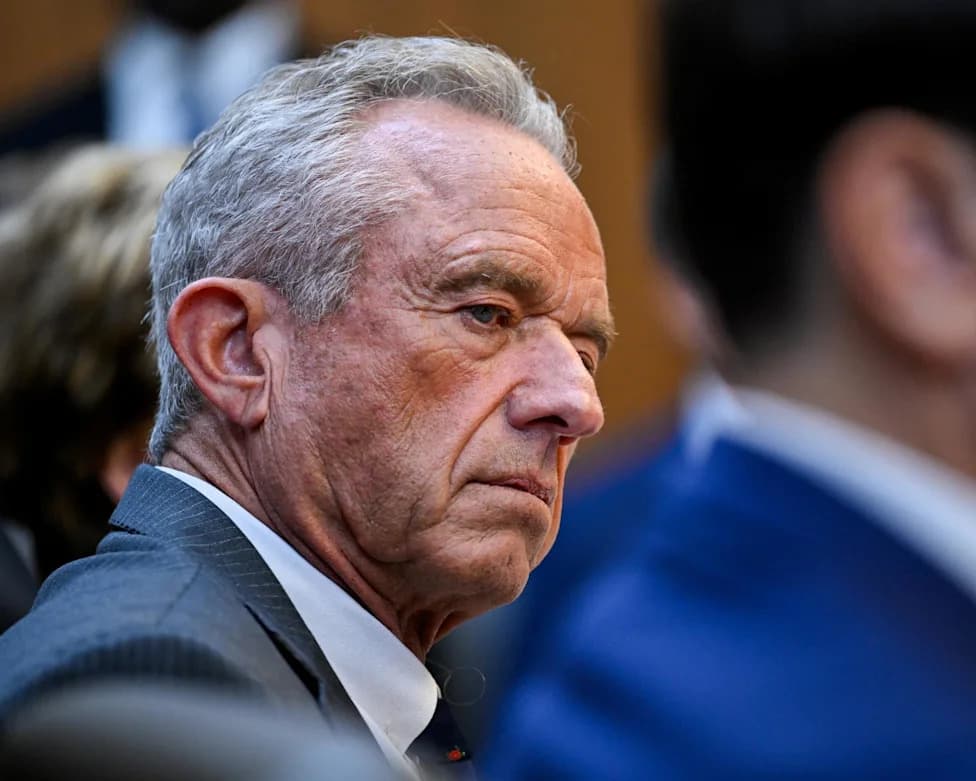
Robert F Kennedy Jr participates in a cabinet meeting at Camp David in Thurmont, Maryland, on 31 July.Photograph: Daniel Heuer/Reuters
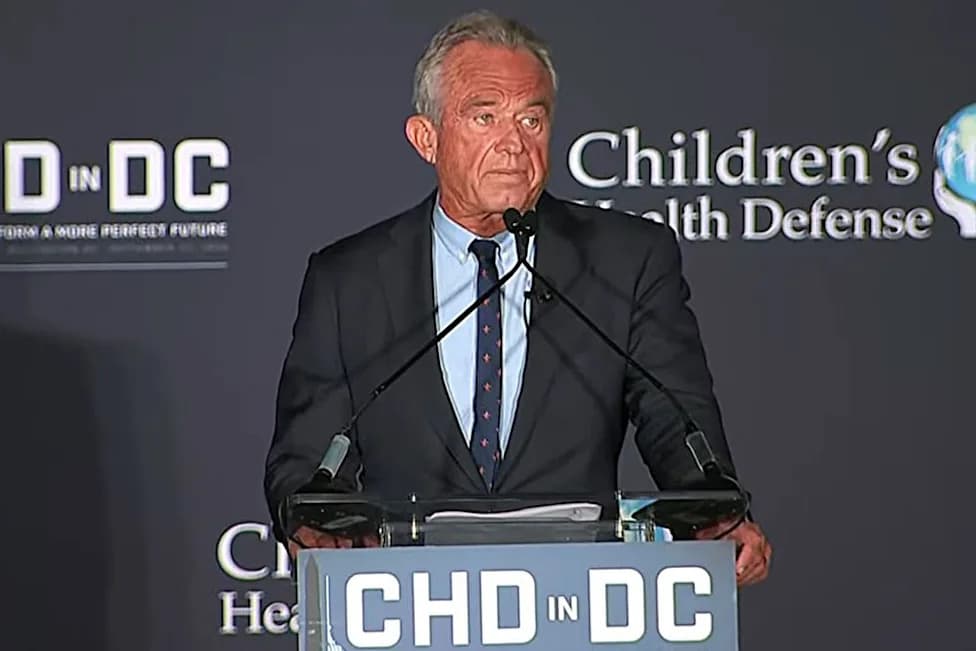
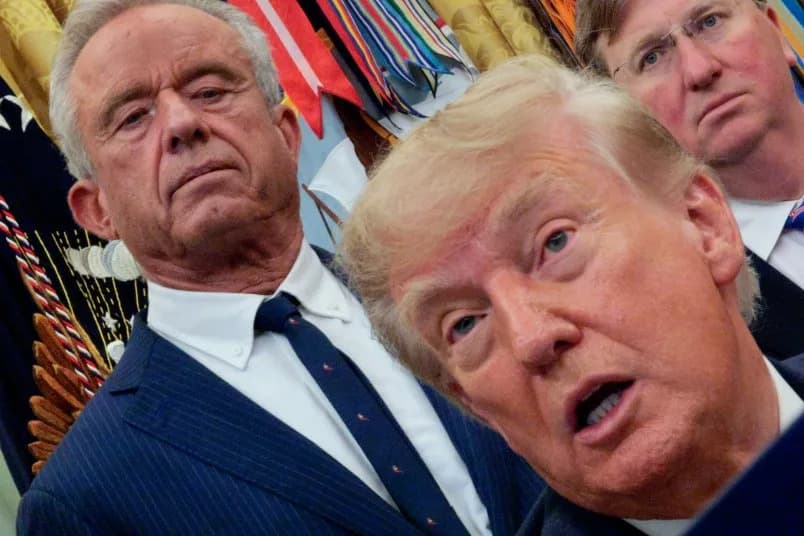
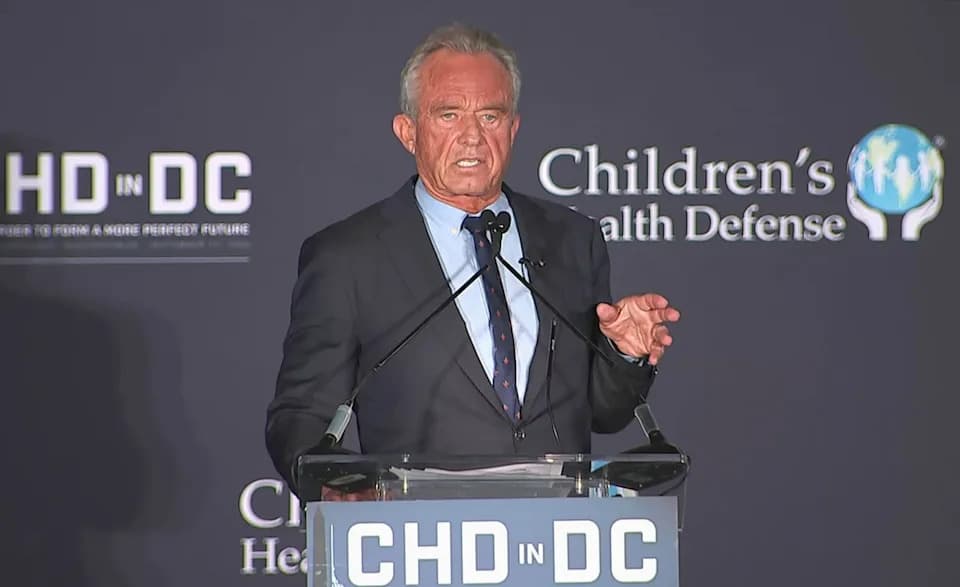
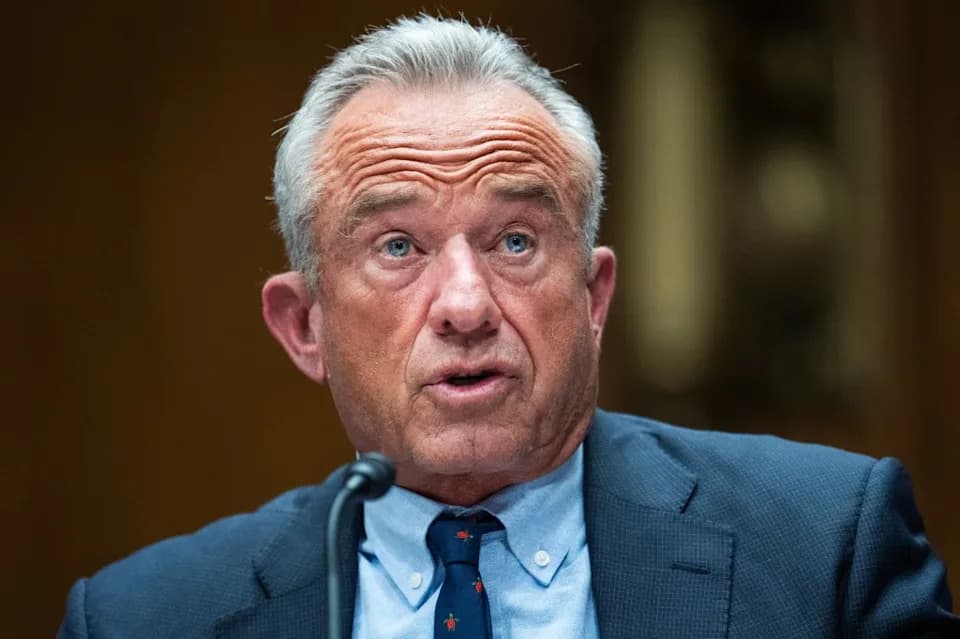
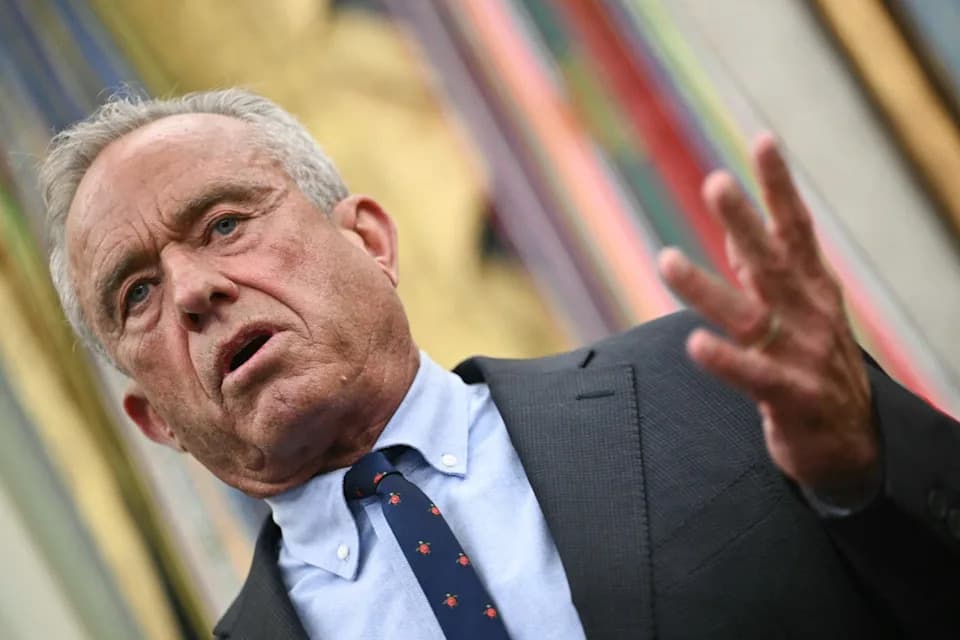
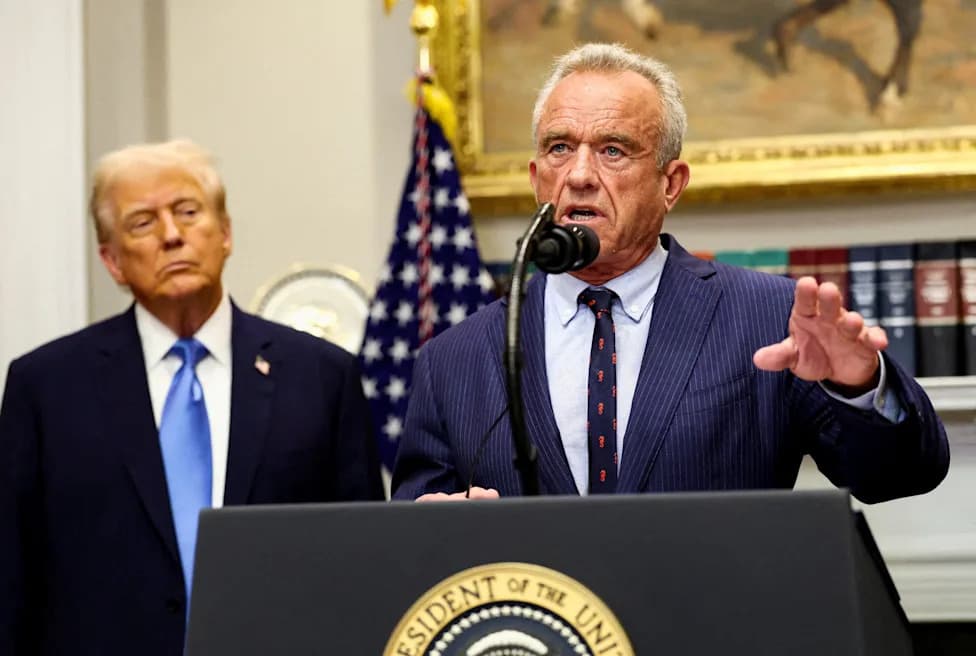
Robert F. Kennedy Jr., the U.S. secretary of health, told parents on CNN Sunday that they should vaccinate their children against measles as the country confronts its largest outbreak in decades.
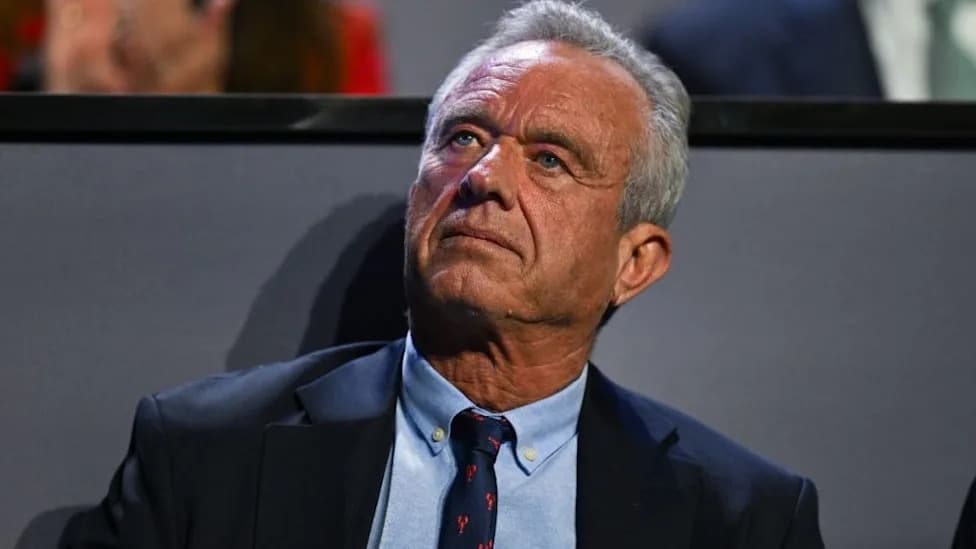
Kennedy — long known as a leading vaccine skeptic who has amplified misinformation about immunizations, including the combined measles, mumps and rubella (MMR) vaccine — made the comment during a combative interview on CNN's State of the Union.
Case Numbers and Context
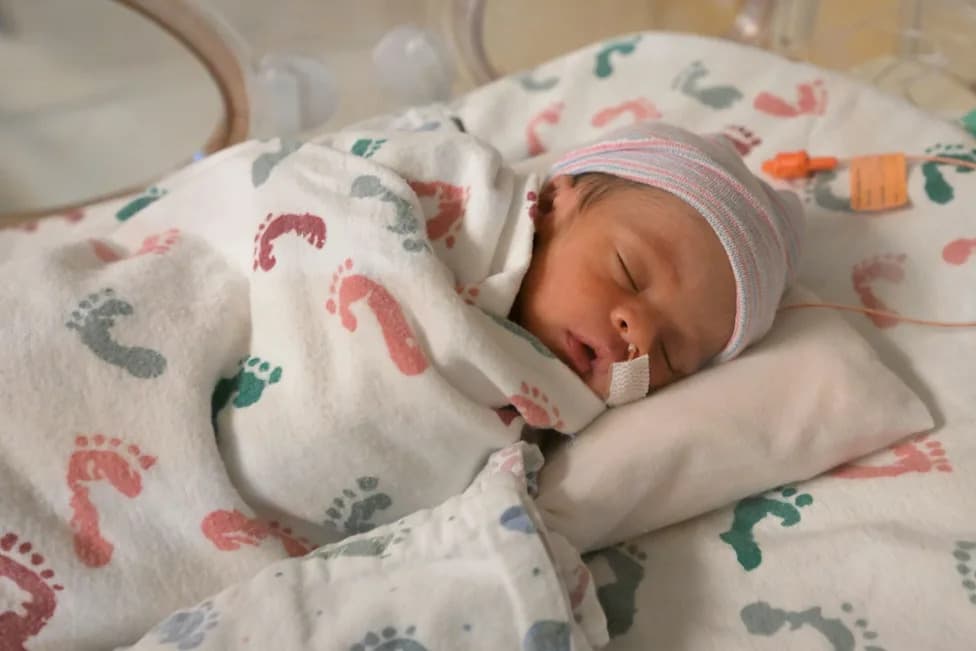
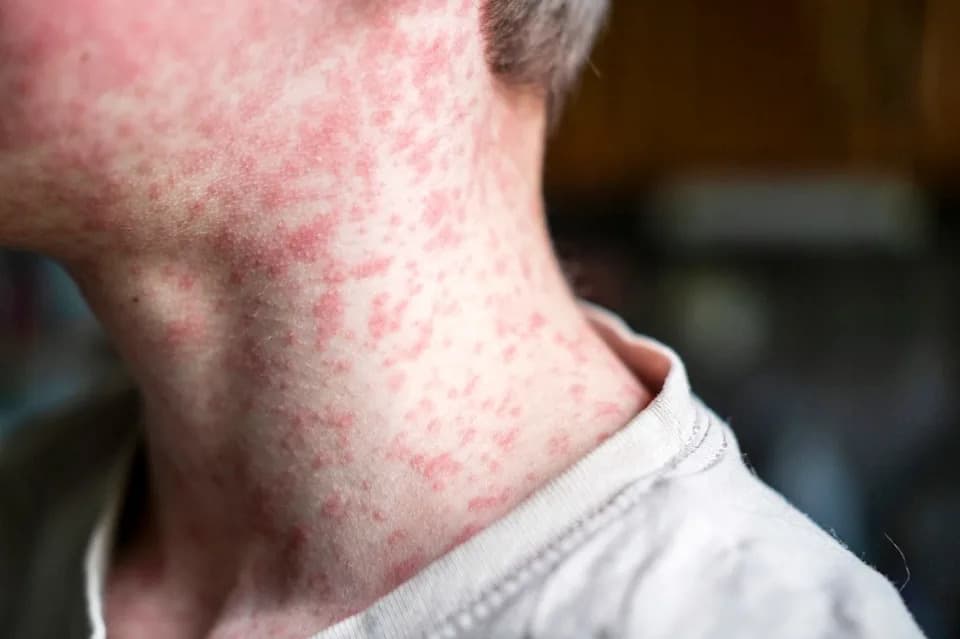
Public-health data show the United States has recorded 2,371 confirmed measles cases so far this year, surpassing the 2025 total of 2,289. Combined, the past two years have produced more measles infections in the U.S. than the rest of the 21st century to date, and the last larger single-year total dates to 1991. Officials have logged 37 distinct measles outbreaks this year, putting the nation's measles-elimination status — held since 2000 — at risk.
What Kennedy Said
"Parents should get their children vaccinated for measles. A measles vaccine is effective; it stops measles in about 97% of the cases. People should get vaccinated."
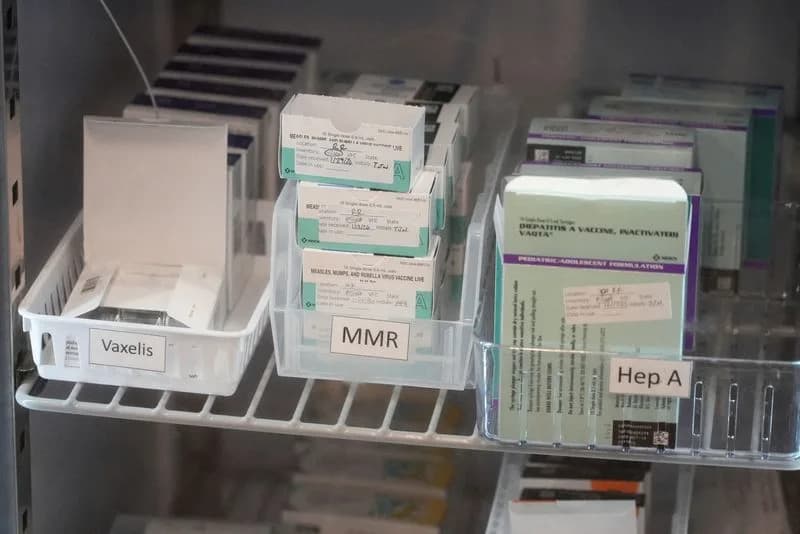
He also recommended the combined MMR vaccine, the primary protection against measles, mumps and rubella.
Tension With The Interviewer And Follow‑Up Claims
CNN host Dana Bash pressed Kennedy to use his platform to tell parents directly that measles vaccination is safe and life‑saving. While Kennedy offered that endorsement, much of the interview remained contentious: he denied responsibility for the outbreak, blamed religious communities and global conditions, and repeatedly launched personal attacks at Bash, calling some of her questions "nonsense" and suggesting she was "flustered." Bash responded that she was frustrated because his statements can increase vaccine hesitancy.
Observers noted the aggressive tone. Commentators and some public‑health experts criticized other claims Kennedy made during the interview — including suggestions that respiratory syncytial virus (RSV) and Lyme disease arose from laboratory manipulation, and a repeated, unfounded link between Tylenol use during pregnancy and autism. These assertions contradict decades of scientific evidence indicating natural origins for RSV and Lyme disease and lack robust support.
Public‑Health Reaction
Dr. Ashish Jha, who advised the White House on the COVID response, said he was heartened to hear Kennedy encourage MMR vaccination — "every kid in America should be getting the MMR vaccine" — but added that "much else of what the health secretary had said just isn't true." Senator Andy Kim (D‑N.J.) said the interview suggested the administration has not done enough to prepare for future pandemics or promote vaccination.
Why Vaccination Matters
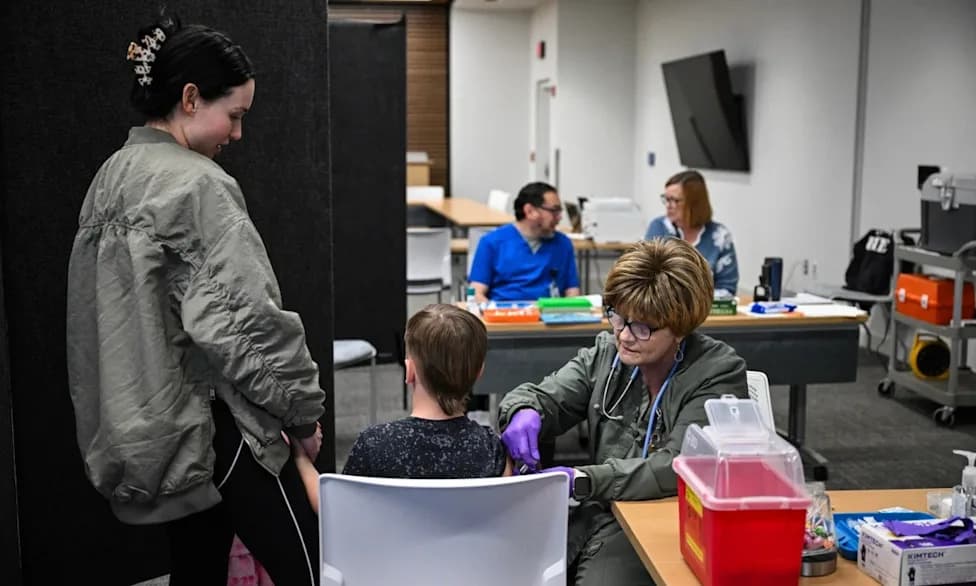
Public‑health officials emphasize that vaccination remains the most effective defense against measles. Two doses of MMR provide about 97% protection against measles and are a key tool for protecting children, preventing outbreaks and preserving the country's measles‑elimination status.
Takeaway: Kennedy's MMR endorsement is notable given his history as a vaccine skeptic, but broader concerns remain about his other claims and the administration's approach to promoting vaccination in the face of rising measles cases.
Help us improve.