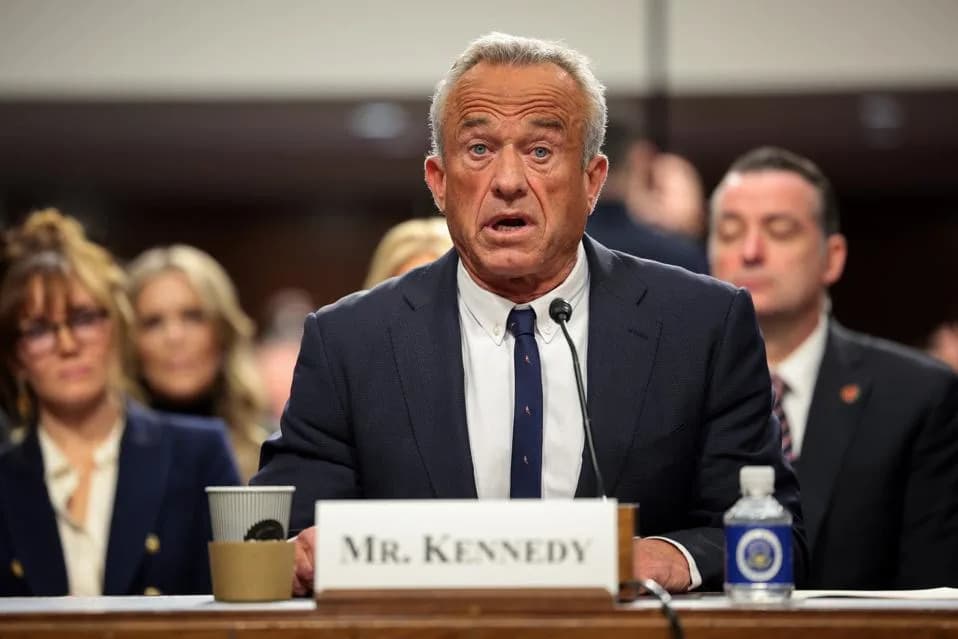
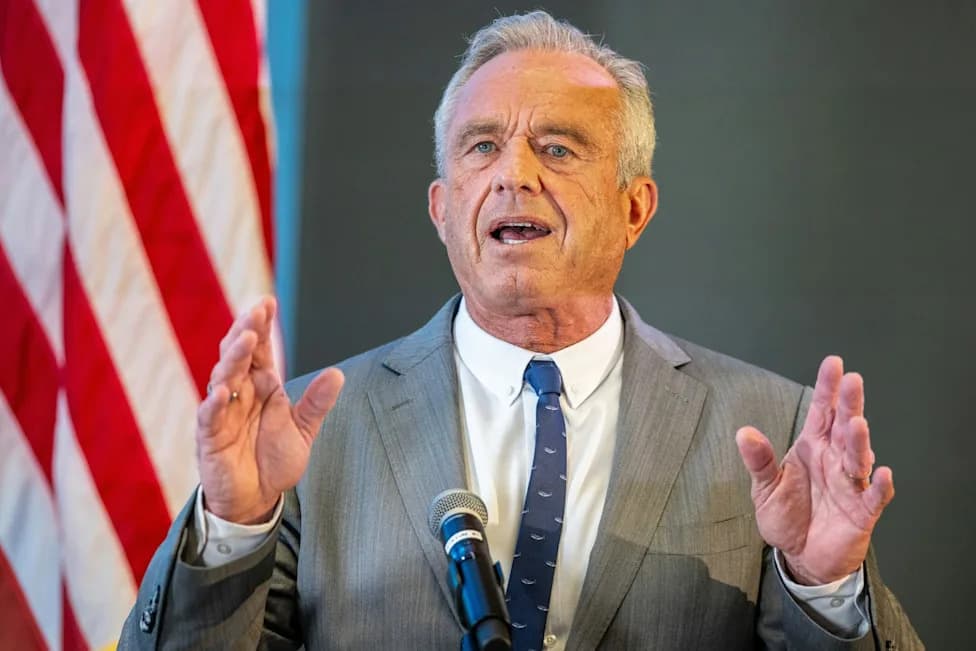
Robert F. Kennedy Jr. told attendees at a Children's Health Defense conference that vaccine skeptics have an ally in the White House, pointing to recent federal actions as evidence of influence. Speakers highlighted an Aug. 10 executive order directing separate medical visits for the three MMR doses, a move criticized by medical groups for potentially adding cost and burden. Kennedy's effort to replace all 17 ACIP members with critics was temporarily blocked by a federal judge for procedural violations. The remarks followed Senate questioning of Surgeon General nominee Dr. Nicole Saphier, who said she has not seen repeatable evidence linking vaccines to autism.
RFK Jr.: 'You Have Friends in the White House' — Vaccine Policy Shifts Ignite Debate
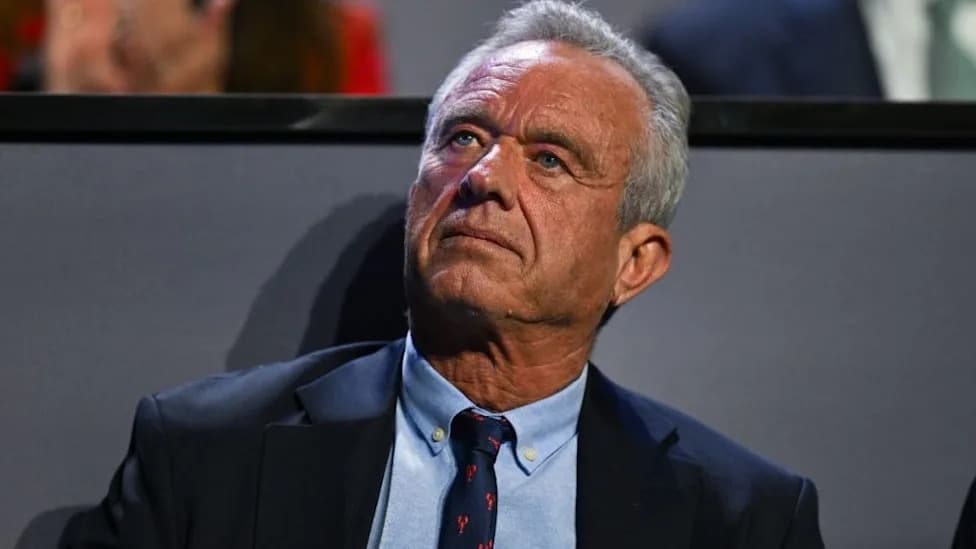
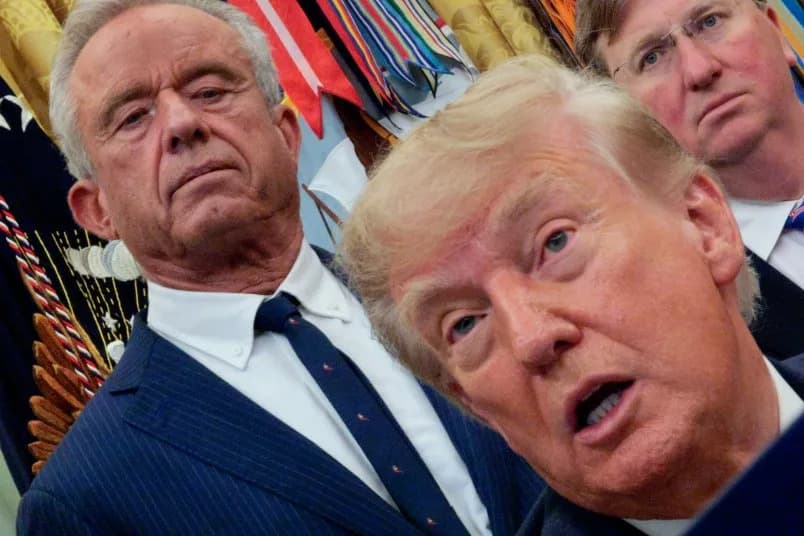
Photo Credit: Brandon Bell/Getty Images
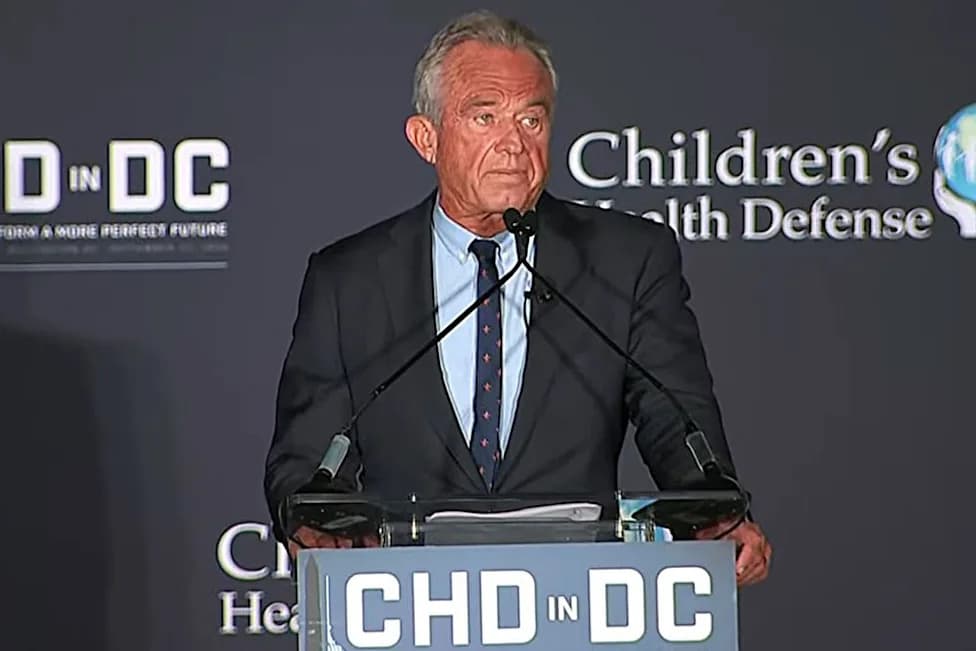
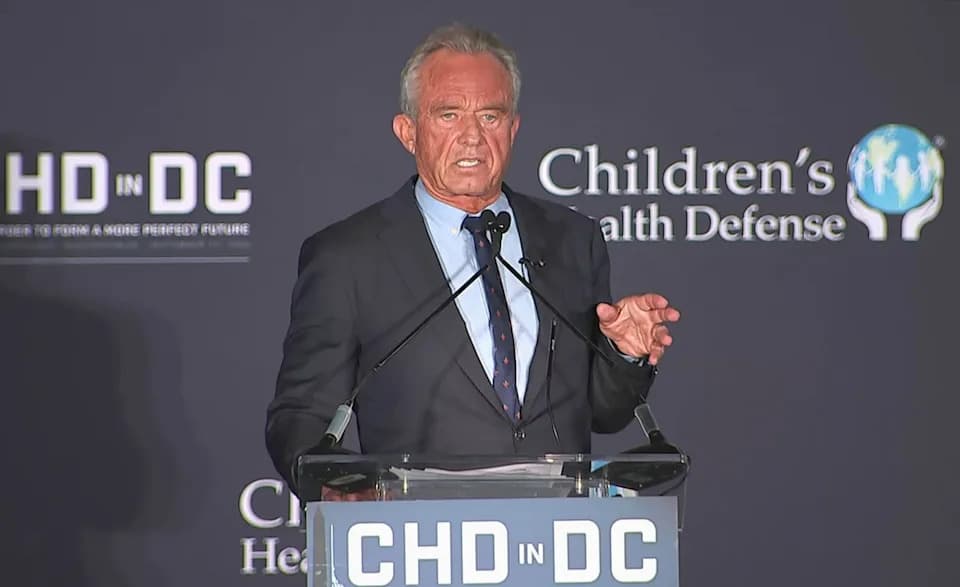
Robert F. Kennedy Jr. told vaccine skeptics on Sept. 17 that their concerns now have a direct ally inside the White House, speaking at a Children's Health Defense conference in Washington. Kennedy, who helped launch the organization and previously served as its chair and chief legal counsel, pointed to recent federal actions as evidence of the movement's growing influence.
Policy Changes Highlighted
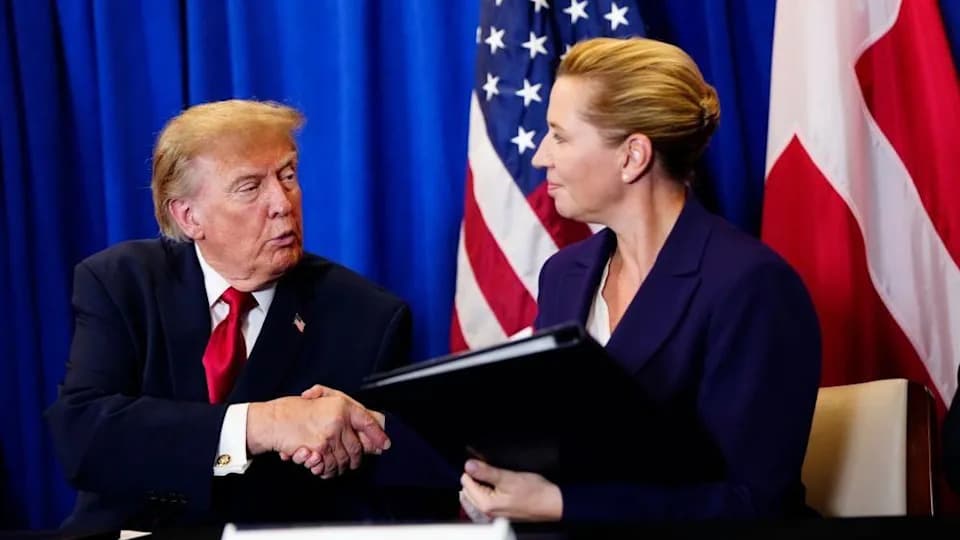
Speakers at the event cited an Aug. 10 executive order from President Trump that changed how the measles, mumps and rubella (MMR) vaccine schedule is administered, directing that the three MMR doses be given during separate medical visits. Medical groups, speaking to PEOPLE, warned that splitting doses into additional appointments could raise costs and create logistical burdens for families and health-care providers.
Legal Push and Court Response
Kennedy told attendees the administration has revised how it responds to parents who question vaccination guidance and insisted, 'We have not taken vaccines away from anybody.' He has also sought to replace all 17 members of the Advisory Committee on Immunization Practices (ACIP) with critics of current vaccine policy. A federal judge temporarily blocked those replacements after finding procedural violations in the effort.
Context and Public-Health Perspective
Kennedy said President Trump asked him to explore whether childhood vaccines could contribute to chronic disease, according to AP News. His remarks came a day after President Trump's Surgeon General nominee, Dr. Nicole Saphier, told senators she does not believe childhood vaccines cause autism: 'Humbly, I don't know what causes autism, but I have not seen repeatable evidence that would suggest that vaccines cause autism.'
Major medical organizations and public-health agencies, including the Centers for Disease Control and Prevention, maintain that childhood vaccines are safe and that the bulk of scientific evidence does not support a link between routine vaccination and autism.
What This Means Going Forward
The episode underscores tensions between political influences, advocacy groups, and established public-health institutions. Changes to federal policy or committee membership can have practical implications for vaccination programs, access, and public trust, and any proposed changes are likely to face scrutiny from courts, medical groups, and public-health experts.
Help us improve.