The Brontanax unmanned "loyal wingman" demonstrator — promoted as the UK’s domestic drone entry — will initially use a US‑made engine after a pricing dispute between BAE Systems and Rolls‑Royce. BAE judged Rolls' Orpheus demonstrator engine too expensive and selected a Williams International powerplant for cost reasons, while saying the engine can be swapped later. Rolls insists it remains capable and expects future opportunities to supply sovereign propulsion for autonomous systems.
‘All‑British’ Brontanax Drone to Use US Engine After BAE–Rolls Pricing Dispute
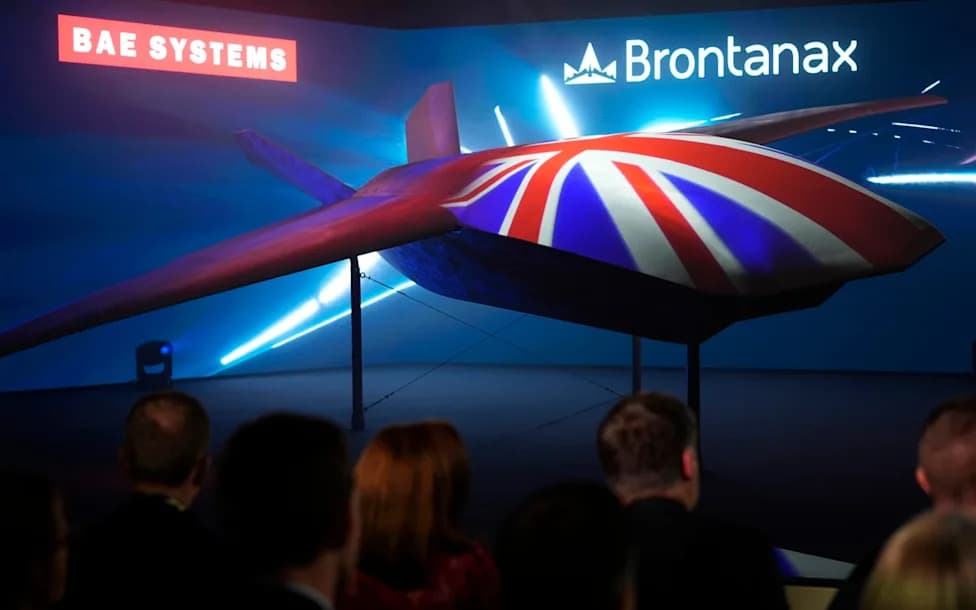
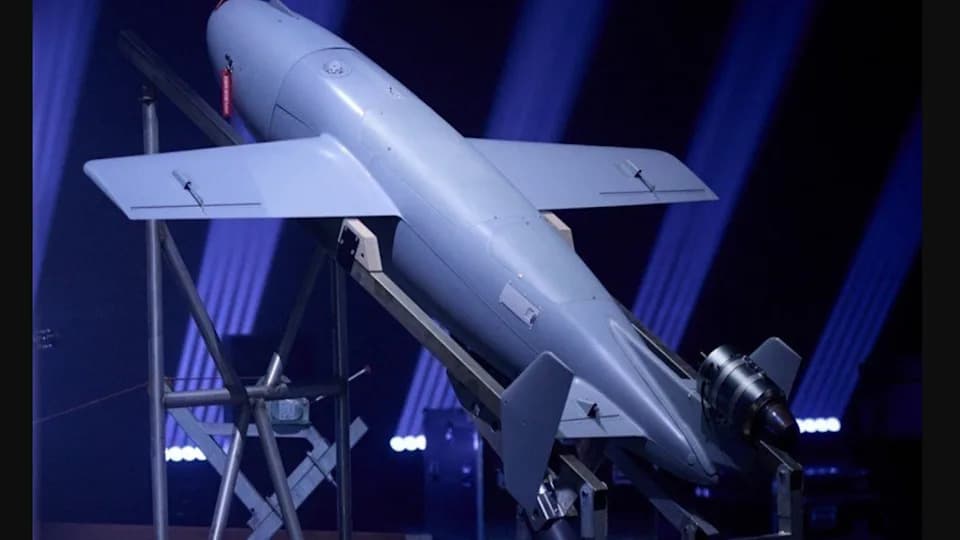
The Brontanax drone was unveiled at the Farnborough International Airshow on July 22 - Andrew Matthews/PA
An autonomous fighter drone promoted as an "all‑British" project will initially be fitted with an American engine after a commercial dispute between BAE Systems and Rolls‑Royce over pricing and programme priorities, sources tell The Telegraph.
The Brontanax unmanned aircraft, unveiled last week, is being positioned as the UK’s domestic contender for the RAF's "loyal wingman" programme. BAE is developing a demonstrator with backing from a consortium of more than 70 British suppliers, but the demonstrator will use a propulsion system supplied by US firm Williams International rather than Rolls‑Royce's Orpheus demonstrator engine.
According to people briefed on negotiations, BAE judged Rolls‑Royce's Orpheus offering to be too expensive for the demonstrator phase and found Williams' powerplant more cost‑effective at this stage. BAE has described the engine as a "swap item" that could be replaced later in the programme if a suitable domestic alternative is agreed.
What Rolls‑Royce Says
Rolls‑Royce chief executive Tufan Erginbilgic told The Telegraph the company remained "absolutely" capable of supplying engines for drones such as Brontanax. He said the firm expected future opportunities to provide sovereign propulsion for autonomous systems and stressed that Rolls retained a "very close" relationship with BAE.
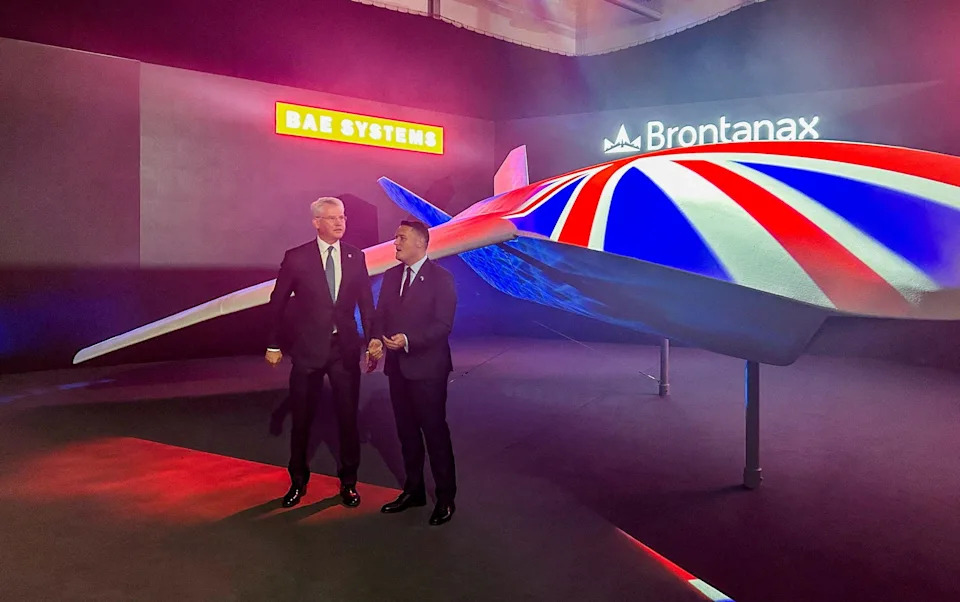
Charles Woodburn, the chief executive of BAE, and Wes Streeting, the Defence Secretary, stand in front of Brontanax at the Farnborough International Airshow - Sarah Young/Reuters
"You should ask BAE that, but it's a demonstrator," Mr Erginbilgic said when asked why Rolls was not involved. "How we ended up here, I don't want to speculate. But going forward, that opportunity definitely exists."
Programme Priorities And Political Stakes
BAE has emphasised cost control for the Brontanax demonstrator: the company says the platform can deliver roughly 70–80% of a Typhoon fighter's capabilities at around 25% of the cost. Officials at the Ministry of Defence, in the Defence Investment Plan, have signalled a preference for a "sovereign, world‑leading propulsion system" for the RAF's unmanned aircraft and ministers have pledged to "buy British" where practicable.
At the same time, Rolls‑Royce is engaged in partnerships abroad and is also pressing the UK government for funding to develop a domestic short‑haul aircraft engine, warning some work could move to Germany without support. The absence of Rolls from the Brontanax demonstrator has prompted calls from industry analysts for ministers to intervene to resolve the dispute.
Independent analyst Francis Tusa said Rolls had "overplayed its hand" and urged ministers to "knock heads together", arguing the project is of national importance.
Next Steps
BAE says it is continuing discussions with Rolls‑Royce, and BAE representatives have indicated efforts to "upscale" the Orpheus design to meet both thrust and price requirements. For now, the Brontanax demonstrator will proceed with the Williams powerplant while the broader strategic debate over sovereign propulsion and industrial policy continues.
Implications: The episode highlights the tension between cost control in demonstrator programmes and wider government ambitions to preserve and promote sovereign defence supply chains. It also underscores the challenges of aligning commercial incentives with national industrial policy.
Help us improve.