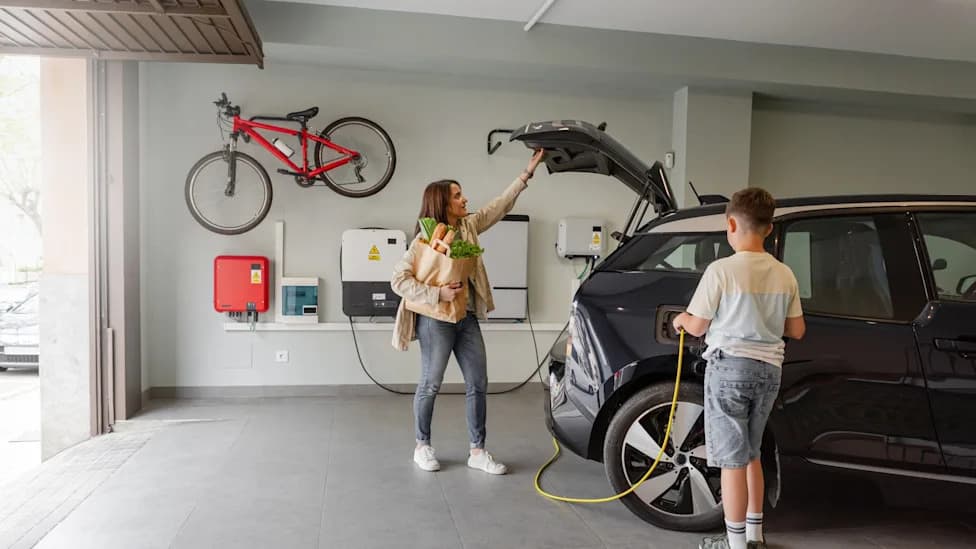
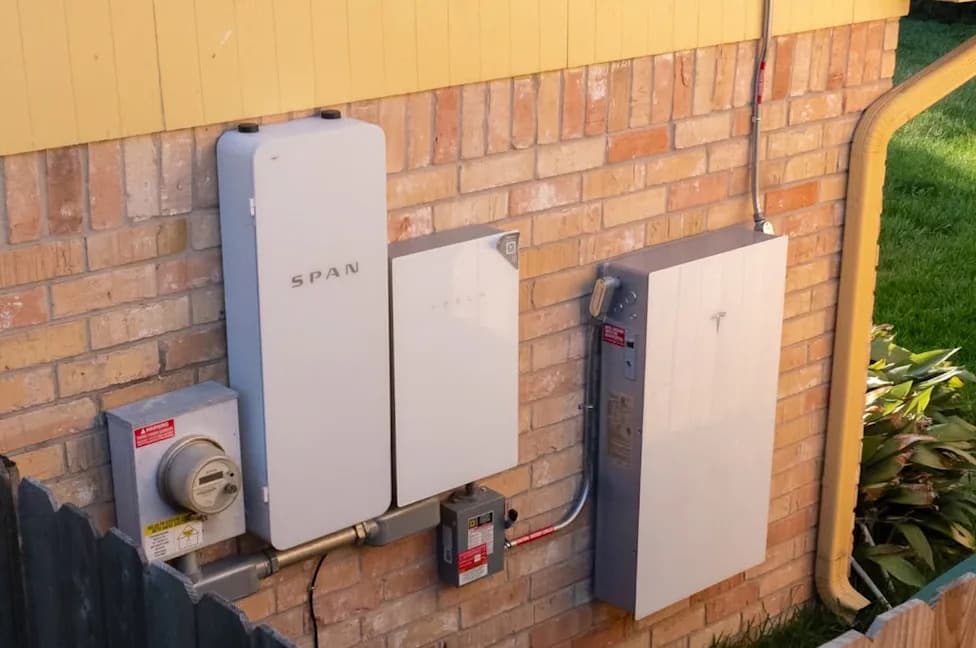
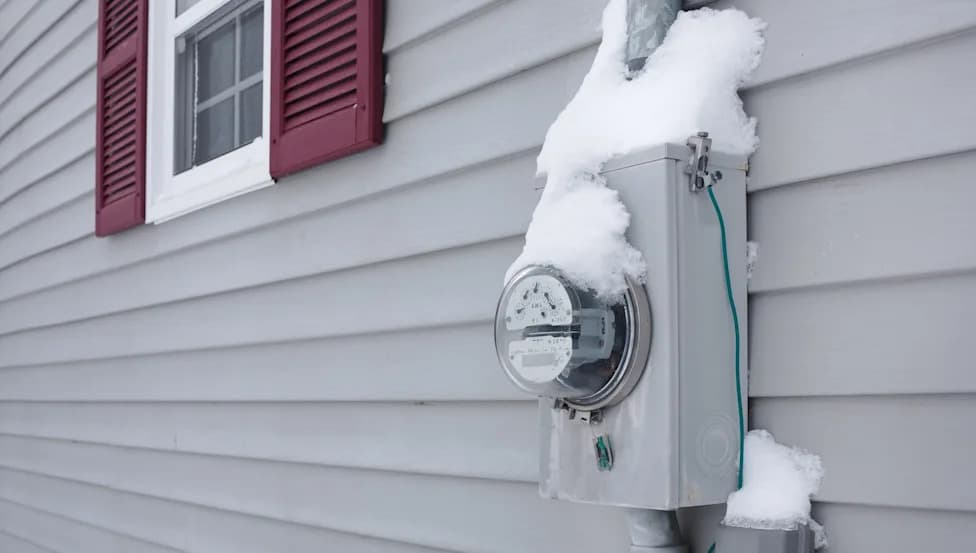
Massachusetts plans to expand its ConnectedSolutions virtual power plant to allow residential vehicle-to-grid (V2G) participation, enabling homeowners to sell electricity from EV batteries back to the grid. The state’s fleet of 150,000+ EVs represents roughly 12 GWh of potential storage, and participating owners could receive about $1,375–$2,750 under existing summer-event rates. The pilot will use bidirectional chargers and orchestration platforms from firms such as The Mobility House, EnergyHub and Sunrun to coordinate dispatch and payments.
Massachusetts May Pay EV Owners Up To $2,750 To Feed Power Back To The Grid
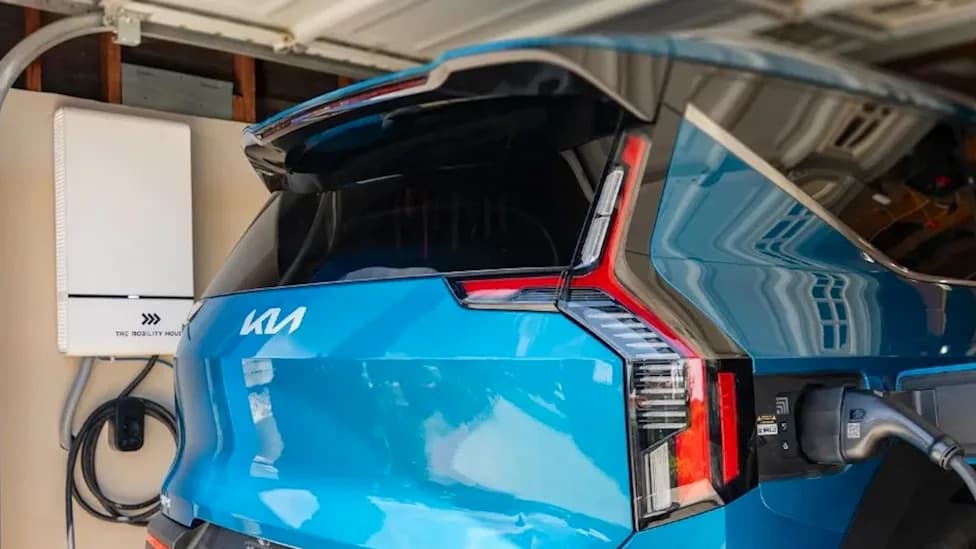
Photo Credit: The Mobility House
Massachusetts is moving beyond treating electric vehicles (EVs) as just cleaner transportation. State officials are preparing to expand the ConnectedSolutions virtual power plant so residential EVs can take part in vehicle-to-grid (V2G) programs and be paid for exporting stored energy back to the grid.
How the Program Would Work
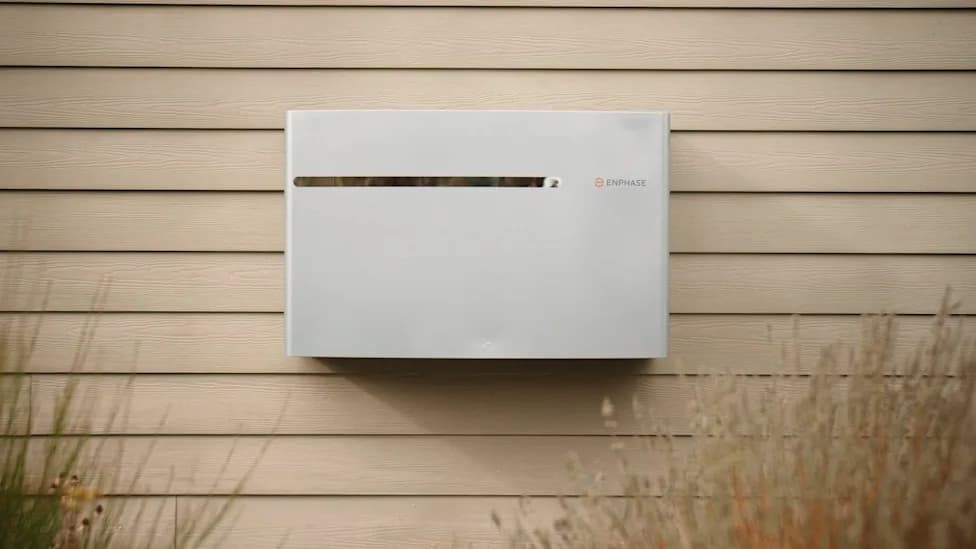
ConnectedSolutions already enrolls residential devices such as thermostats, water heaters and home batteries and integrates larger commercial systems across Massachusetts, Connecticut and New Hampshire. The planned change would allow qualifying passenger EVs to participate in residential events, discharging electricity during periods of peak demand and earning seasonal payments under the same structure used for stationary batteries.
Scale And Potential
Massachusetts reports more than 150,000 EVs on its roads. Using a 75 kWh average battery size, that fleet represents roughly 12 gigawatt-hours (GWh) of theoretical storage capacity—far larger than the roughly 1.6 GWh of statewide battery deployment reported in June 2026 by the Solar Energy Industries Association.
Who Could Participate
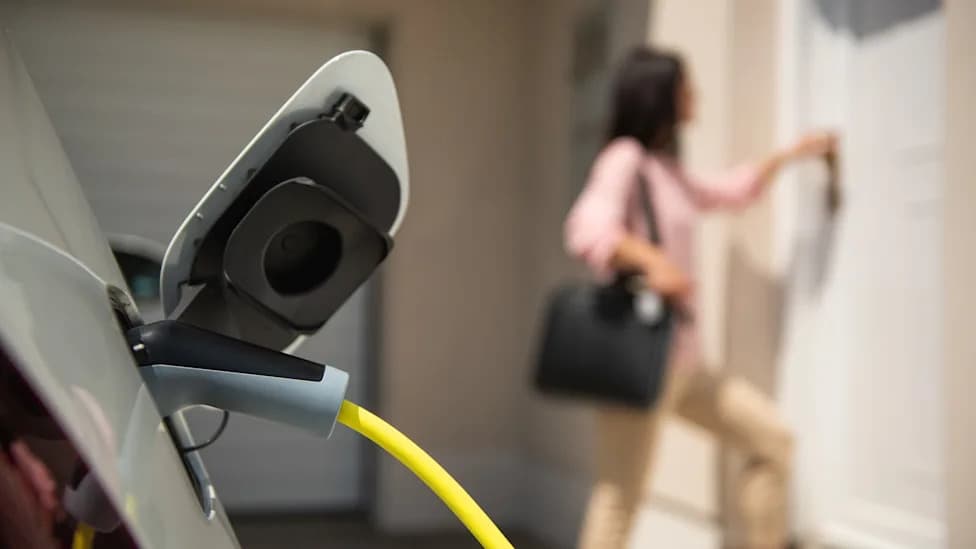
A program spokesperson told Electrek that initial eligible models in the pilot include the Ford F-150 Lightning, Nissan Leaf, Kia EV9, Polestar 3 and Volvo EX90. The pilot will rely on bidirectional chargers and coordination platforms to manage charging and discharging safely and predictably.
Payments And Track Record
Mass Save lists a payment rate of $275 per average kilowatt contributed during summer events. Under that structure, participating homeowners could receive roughly $1,375 to $2,750 in seasonal payments, depending on their vehicle and how much capacity they offer. Home-battery participants have already seen meaningful payouts: preliminary filings to the Massachusetts Energy Efficiency Advisory Council show 5,251 participants received more than $5.4 million in 2025.
Grid Benefits
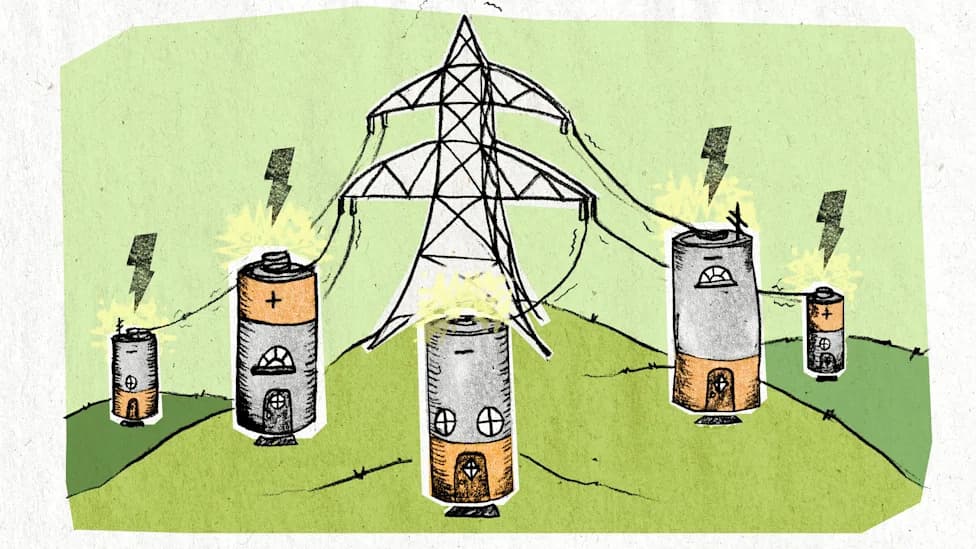
ConnectedSolutions delivered roughly 40 megawatts (MW) of net summer capacity savings in Massachusetts in 2025, with residential systems providing 28.9 MW. During the June 2024 heat wave, program operators said the broader ConnectedSolutions virtual power plant reduced demand on the New England grid by more than 375 MW—illustrating how distributed resources can lower peak demand, improve reliability and reduce reliance on the most expensive generators.
Technology Partners And Next Steps
PV Magazine reported The Mobility House is installing bidirectional chargers at homes, school buses and other sites; EnergyHub’s Edge DERMS platform will orchestrate dispatch during events; and Sunrun already offers V2G service for Ford F-150 Lightning owners. For 2025–2027 the program targets about 125 MW of battery performance capacity. If the residential V2G rollout proves successful, Massachusetts drivers may soon be paid not only for driving electric but also for helping keep the lights on during peak summer days.
Bottom line: Residential V2G could unlock large, flexible storage capacity from existing EVs, provide new income streams for owners, and help stabilize the regional grid—if technical, regulatory and consumer-adoption challenges are addressed.
Help us improve.