Forbes has ranked 20 historically Black colleges and universities for strong post-graduation outcomes, splitting the list into public and private schools to reflect different funding realities. Howard University tops the private list while North Carolina A&T leads the public institutions; Spelman, Morehouse, Xavier, Hampton, FAMU and Prairie View also placed highly. The ranking weighs earnings, student debt, graduation and retention and arrives amid debates over campus policies and administrative practices. Overall, Forbes’ list spotlights HBCUs that advance economic mobility while reminding readers to consider institutional context.
Forbes Names 20 HBCUs With Strong Graduate Outcomes — Howard, NC A&T Lead the Lists

BATON ROUGE, LOUISIANA : In this image released on February 26, 2026 - Southern University's The Human Jukebox performs at A.W. Mumford Stadium in Baton Rouge, Louisiana. (Photo by Erika Goldring/Getty Images for Lionsgate)Photo by: Erika Goldring / Getty Images
Forbes has released a new ranking highlighting 20 historically Black colleges and universities that deliver strong post-graduation results for alumni. The list separates public and private institutions to reflect differences in financial structure and resources, and it emphasizes outcomes such as alumni earnings, student debt, graduation and retention rates, and return on investment.
Top-Ranked Schools
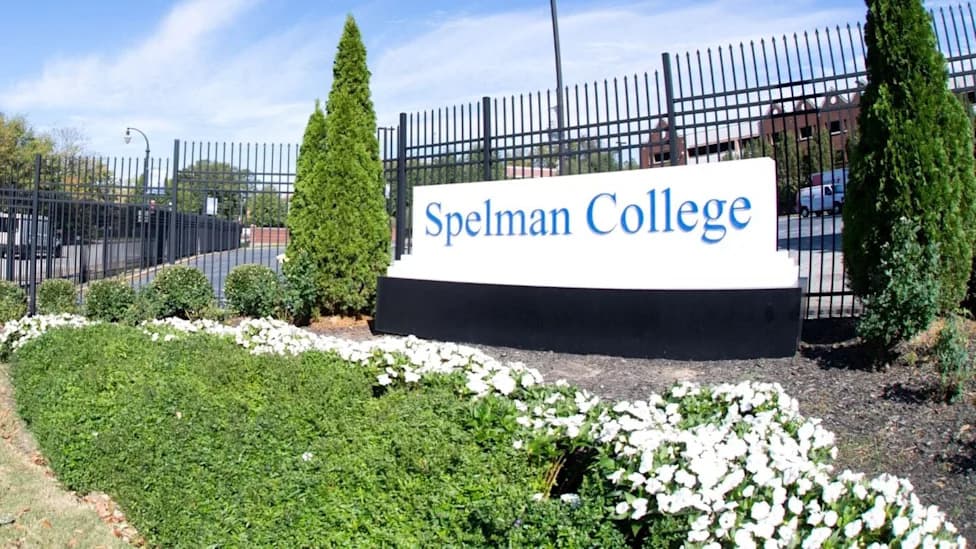
Private HBCUs: Howard University placed No. 1 among private institutions, followed by Spelman College at No. 2. Morehouse College, Xavier University of Louisiana and Hampton University round out the top five, with Tuskegee University at No. 6.
Public HBCUs: North Carolina A&T State University led the public list. Florida A&M University (FAMU) ranked second among publics, and Prairie View A&M University — founded in 1876 and noted as the oldest public HBCU in Texas and the state's second-oldest public institution — placed third.
What the Ranking Measures
The Forbes evaluation draws on its broader college rankings and weights factors including alumni earnings, student debt burden, graduation and retention rates, and return on investment. Howard’s top placement on this HBCU list follows its designation as Forbes’ top HBCU in the 2026 America’s Top Colleges rankings, marking two consecutive years of high recognition.
Context Behind the Numbers
These outcome-based measures matter as many students and families weigh rising college costs against expected financial stability after graduation. For Black families, that calculus is often shaped by the racial wealth gap, which can increase reliance on scholarships, grants and loans. Schools that help students graduate, launch careers and manage debt effectively create tangible pathways to economic mobility.
“Context matters,” said critics and advocates who note that HBCUs frequently enroll high shares of first-generation and Pell-eligible students—populations that face more barriers to college completion than students at wealthier institutions.
Recent Campus Conversations
The list arrives amid broader debates about how HBCUs support students. Howard University drew scrutiny after more than 500 incoming first-year students were initially removed from the fall roster over outstanding financial, administrative or immunization requirements; university officials later readmitted more than 200 of those students while continuing to work with affected families. The episode highlighted the importance of clear communication, accessible financial-aid processes and responsive administration in student success.
Tuskegee University also sparked national conversation after updating dress, attendance and cellphone policies that restrict items such as bonnets, du-rags, pajamas and bedroom shoes in certain campus spaces. The measures prompted debate about professionalism, Black cultural expression and respectability politics, and critics argued that isolated policy disputes should not be conflated with broader institutional outcomes.
Why This Matters
Rankings cannot capture every barrier HBCUs and their students face, but Forbes’ focus on post-college outcomes highlights institutions that help graduates succeed in the workforce while managing debt. The list also expands the set of HBCUs that prospective students and families might consider, showcasing diversity in region, campus size, academic strengths and traditions.
HBCUs remain vital engines of Black social and economic mobility despite chronic underfunding and political challenges. Recognition of strong outcomes need not preclude careful scrutiny—students and families deserve institutions that both achieve measurable results and communicate, support, and adapt to student needs.
Bottom line: Forbes’ ranking reaffirms that many HBCUs are delivering real value for graduates and underscores the continued importance of these institutions in cultivating Black talent, leadership and opportunity.
Help us improve.