This first-person report links Princeton University’s campus and collections to Liberia’s history, the American Colonization Society and the Firestone rubber concession. The author recounts meeting Liberian scholar Dr. Artemus Gaye, touring campus sites tied to that history, and learning how plantation labor contributed to institutional wealth. The piece highlights student activism, recent debates over campus monuments, declining Black enrollment after the 2023 affirmative-action ruling, and argues for remembrance and institutional reckoning.
A Princeton Student’s Call to Remember the University’s Ties to Liberia, Firestone and the ACS
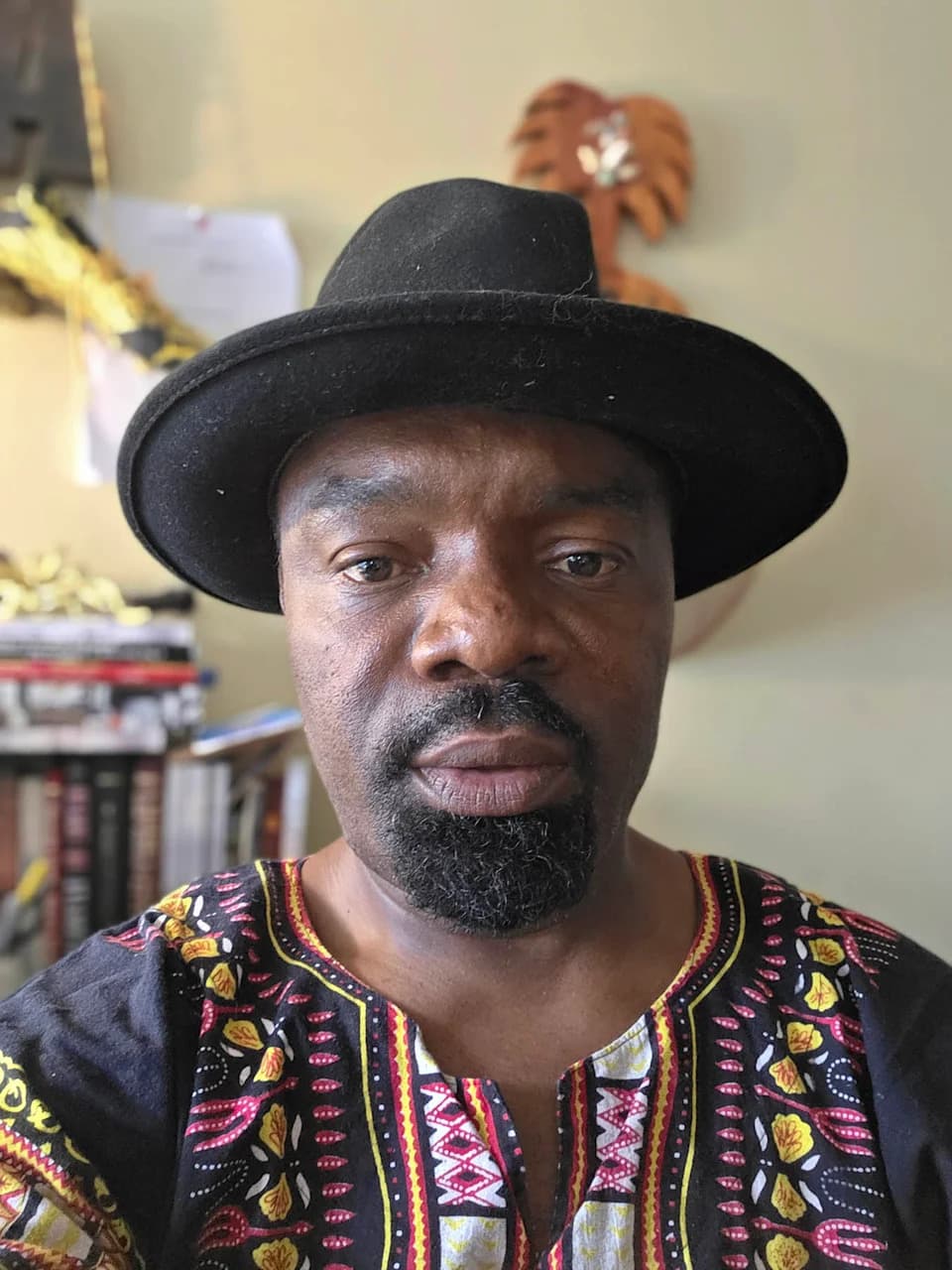
Dr. Artemus Gaye's family worked on the Firestone rubber plantation, whose profits funded the Princeton University library.
Editor's note: This story is part of a special series by Princeton University journalism students reporting on the discovery of an African burial ground in Key West, Florida, and how the legacy of slavery still reverberates there and beyond.
When I opened my Princeton acceptance letter in the fall of 2023, I sat in my family’s living room in Pennsylvania and stared at the tiger head on my laptop. I felt disbelief and pride, but above all relief: my parents’ sacrifices amid Liberia’s violent 1990s were bearing fruit. I came to Princeton determined to use the university’s resources to help Liberia and other nations facing similar struggles.
Personal Encounter, Campus Tour
During my sophomore year I took a journalism class that explored a little-known 19th-century story about trafficked people freed in Key West and resettled in West Africa, many to Liberia. Ten weeks in, our class met Dr. Artemus Gaye, a scholar and activist from Monrovia who had guided our professor to descendants of those freed people. Dr. Gaye opened with an emotional account of his life and led us across campus to point out Princeton’s historical links to Liberia.
At Pyne Hall we stood beneath the nearly 18-foot statue of John Witherspoon, Princeton’s president from 1768–1794. Witherspoon expanded the college and signed the Declaration of Independence, but he also owned enslaved people and opposed emancipation. Following student protests in 2022, Princeton trustees in October 2024 concluded his legacy was "nuanced" and kept the statue in place — a decision that remains controversial.
We then walked to Firestone Plaza and the university’s Firestone Library — "Stone" to undergraduates. For many students it is a study sanctuary; for Dr. Gaye and his family the name evokes Harbel, Liberia, where his grandparents and relatives worked on the massive Firestone rubber plantation.
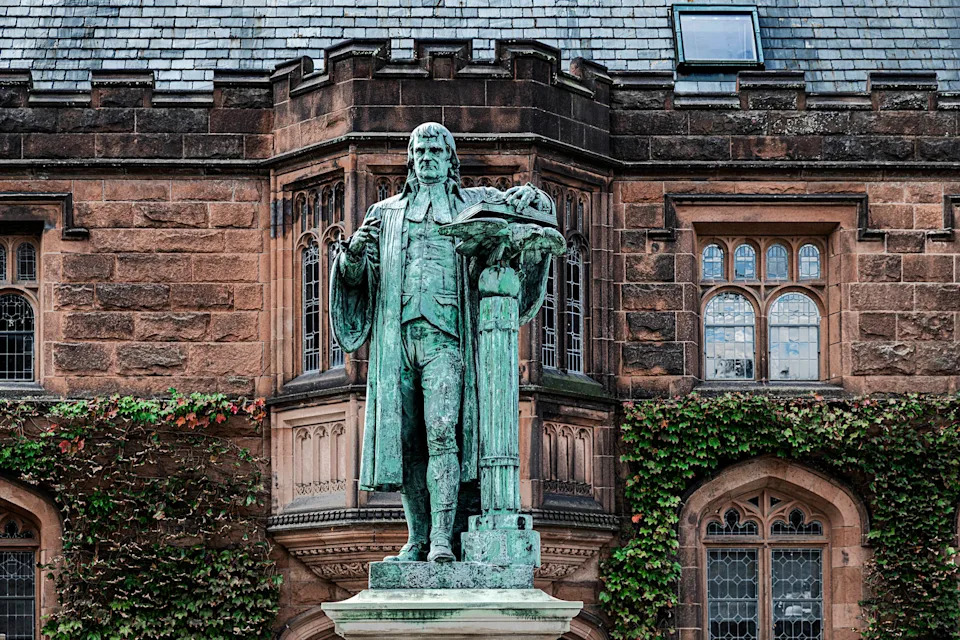
Statue of John Witherspoon, Princeton University president from 1768 to 1794 who was also a slaveowner.
From Harbel to Firestone Library
The Firestone Company established its Liberian concession in 1926, acquiring roughly one million acres under terms that historians have called exploitative. The plantation in Harbel grew rubber that helped fuel American industry and military needs, and profits from that global enterprise are tied to philanthropy and institutional development — including gifts that funded Firestone Library, dedicated in 1947 with a bust of Harvey Firestone Sr.
Dr. Gaye’s cousin recalled parents who earned the equivalent of about $10 a month, shouldered heavy bars and buckets of latex, and worked amid the stench of burning rubber. Contemporary accounts and scholarship document that indigenous communities were displaced, controlled burns destroyed housing, and many workers lived in single-room huts with minimal amenities. Wages for some plantation laborers were reported as low as 18 cents per day, often managed through local chiefs, and critics likened the system to an antebellum plantation in its exploitation of labor.
Colonization, Princeton Affiliations
Princeton figures were also connected to the American Colonization Society (ACS), a 19th-century movement that helped found Liberia between 1821 and 1822. The ACS promoted resettlement of free Black Americans to Africa in language that ranged from paternalistic to openly racist, arguing that white American society could not accept Black equality and that Black Americans should "civilize" indigenous Africans. Prominent ACS supporters included alumni and affiliates such as Charles Mercer, Elias Caldwell and Reverend Robert Finley. Military officer Robert F. Stockton — connected to a well-known Princeton family — has been accused by historians of seizing land at Cape Mesurado and coercing local leaders during early negotiations.
These connections — intellectual, political and financial — link parts of Princeton’s institutional history to colonization projects and corporate extraction in Liberia.
Campus Debate and Calls for Reckoning
On campus, student organizers such as the Black Justice League have driven conversations about institutional memory and accountability. Their demands helped prompt changes including renaming the Woodrow Wilson School to the Princeton School for Public and International Affairs. Yet, there has been no comprehensive institutional reckoning with Princeton’s ties to the ACS or the Firestone concession in Liberia.
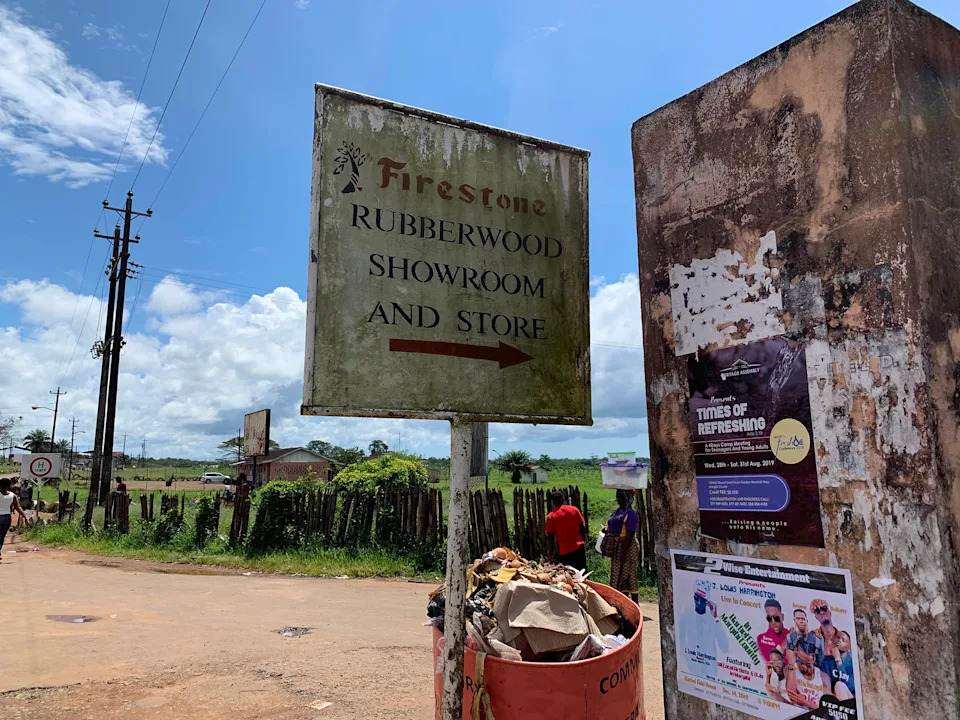
The Firestone farm in Harbel, Liberia, is still the world's largest rubber plantation.
Those conversations come as Princeton and other elite universities confront declines in Black undergraduate representation after the 2023 Supreme Court decision in Students for Fair Admissions v. Harvard. Princeton’s reported Black undergraduate enrollment fell from about 9% in 2023 to roughly 5.4% last academic year — a drop that mirrors broader national trends following the end of race-conscious admissions policies.
Remembering to Move Forward
I discussed these histories with Eddie Glaude Jr., the James S. McDonnell Distinguished University Professor of African American Studies. In his Morrison Hall office, Glaude — who often faces threats for his candor — stressed memory’s central role in freedom. Quoting a line that frames much of his thinking, he said:
"If one cannot use the past, one cannot function in the present, and so one can never be free."
For Dr. Gaye, as his family’s griot, telling these stories is an act of preservation. For me, as a Liberian-American and African American Studies major, the lesson is clear: institutions must remember and reckon with how colonization and corporate exploitation have shaped wealth, scholarship and opportunity.
I plan to return to Liberia to visit Monrovia and Harbel, to meet communities whose labor and loss helped build resources now housed in institutions like Princeton, and to explore how those stories might be acknowledged and addressed.
How institutions remember matters: recounting the full story — including colonization, corporate extraction, and institutional silence — is essential to understanding how historical injustices continue to shape present inequalities and educational opportunity.
Help us improve.