Pennsylvania has launched the Pennsylvania Wildlife Connectivity Work Group — an 11-agency coalition co-led by PennDOT and DCNR — to plan and expand wildlife crossings across the state. A federal $840,000 grant will support a statewide strategic plan to reduce animal-vehicle collisions and protect habitat. From 2021–2025, deer crashes caused 78 fatalities and 2,913 injuries; State Farm reported more than 150,000 wildlife-collision claims in a recent 12-month period. Officials and conservation groups say coordinated planning will speed construction of crossings and improve road safety and ecosystem connectivity.
Pennsylvania Launches 11-Agency Work Group to Expand Wildlife Crossings and Cut Vehicle Collisions
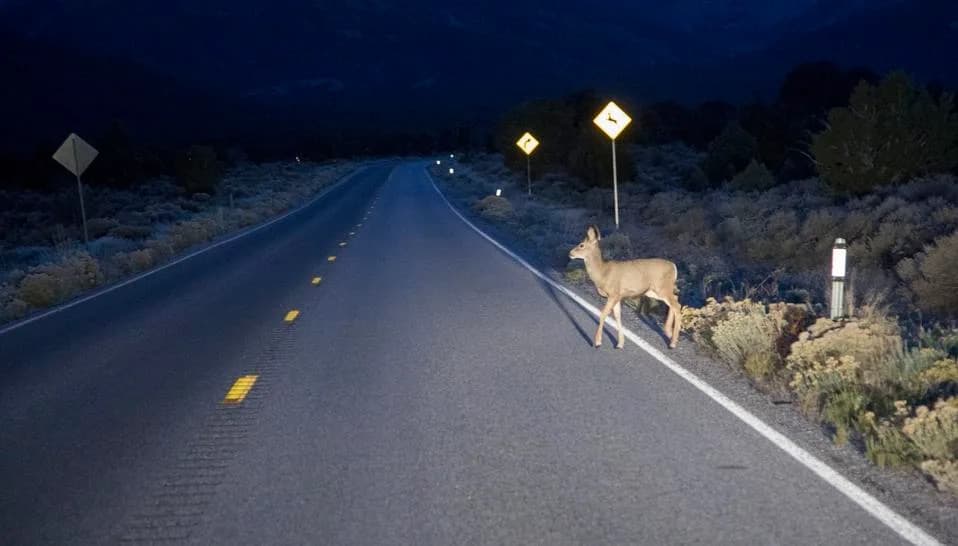
A deer crossing the road in front of a car at night.getty
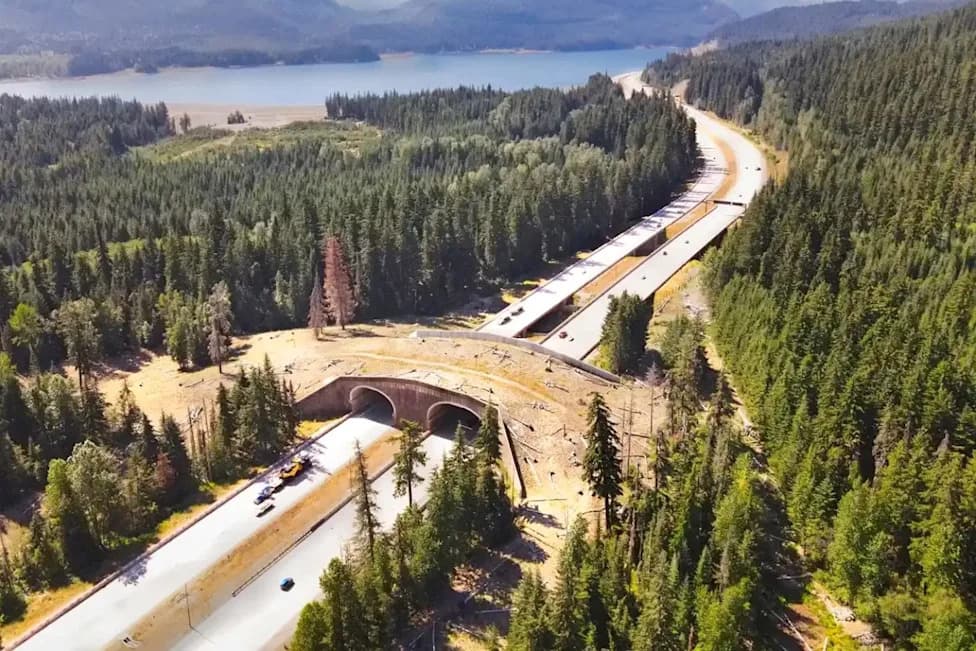
Pennsylvania has formed a formal coalition of 11 state agencies to coordinate investments in wildlife crossings — a move state leaders say will improve road safety, protect habitat connectivity, and reduce costly insurance claims from animal-vehicle collisions.
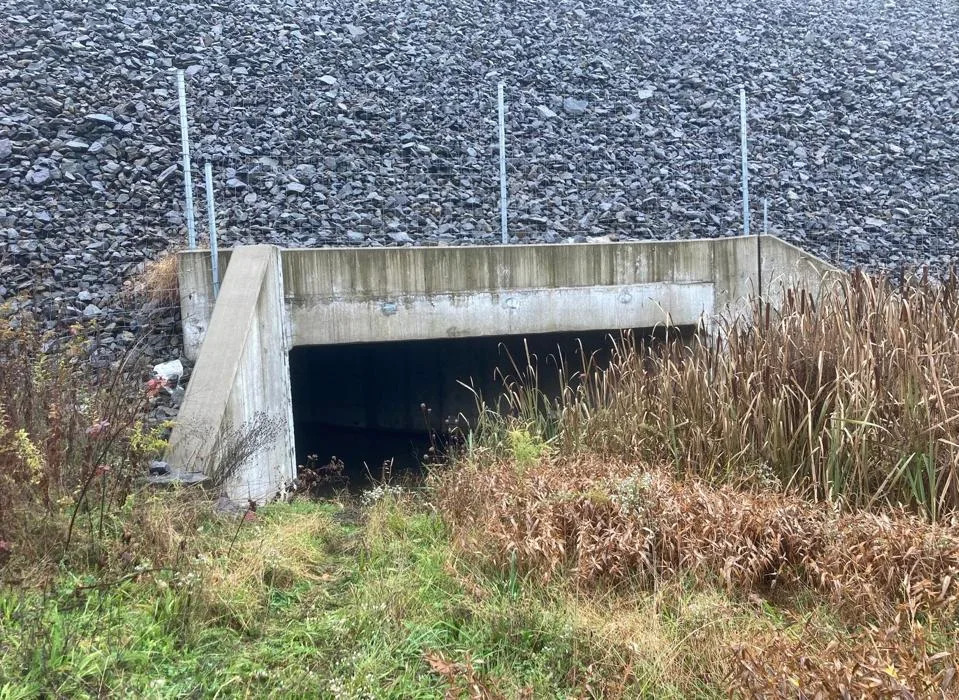
This large mammal Warrior Creek underpass is a box culvert with a terrestrial shelf for animals to safely pass under the road in Luzerne County.
Why This Matters
The commonwealth manages roughly 3.9 million acres of public land through the Department of Conservation and Natural Resources (DCNR) and the Pennsylvania Game Commission, including about 2.2 million acres of state forest, 1.5 million acres of game land and nearly 295,000 acres of state parks. As development and fragmented habitat increase, strategic crossings can reconnect landscapes for wildlife and reduce crash risk for drivers.
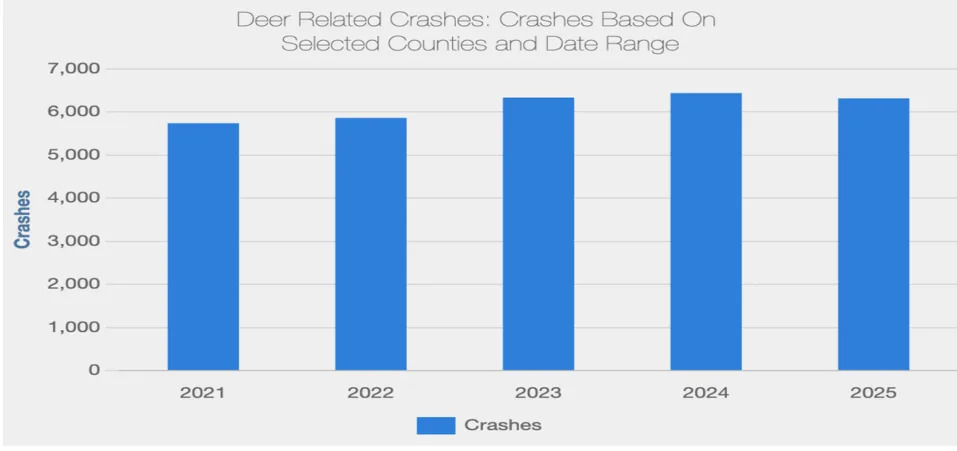
Pennsylvania's deer-related collisions with vehicles from 2021 through 2025.
New Work Group and Funding
PennDOT and DCNR will co-lead the new Pennsylvania Wildlife Connectivity Work Group. Participating agencies include the Pennsylvania Historical and Museum Commission; the departments of Agriculture, Community and Economic Development, Environmental Protection, General Services, and Insurance; the Fish and Boat Commission; the Game Commission; and the Pennsylvania Turnpike Commission.
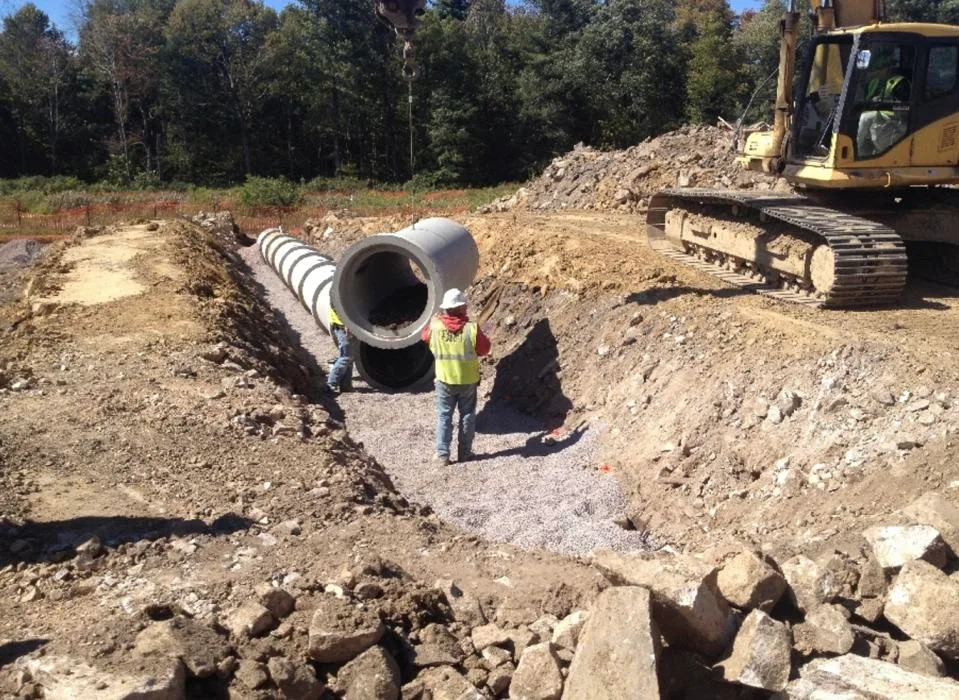
This reptile and amphibian tunnel in Somerset County was built in 2018 to aid in crossings in surrounding wetlands.
Pennsylvania's Department of Transportation received a federal planning grant of $840,000 to develop a statewide strategic plan for wildlife crossings. The Shapiro administration called the interagency effort "an important investment in both roadway safety and conservation," noting the state ranks among the highest in the nation for wildlife-vehicle collisions.
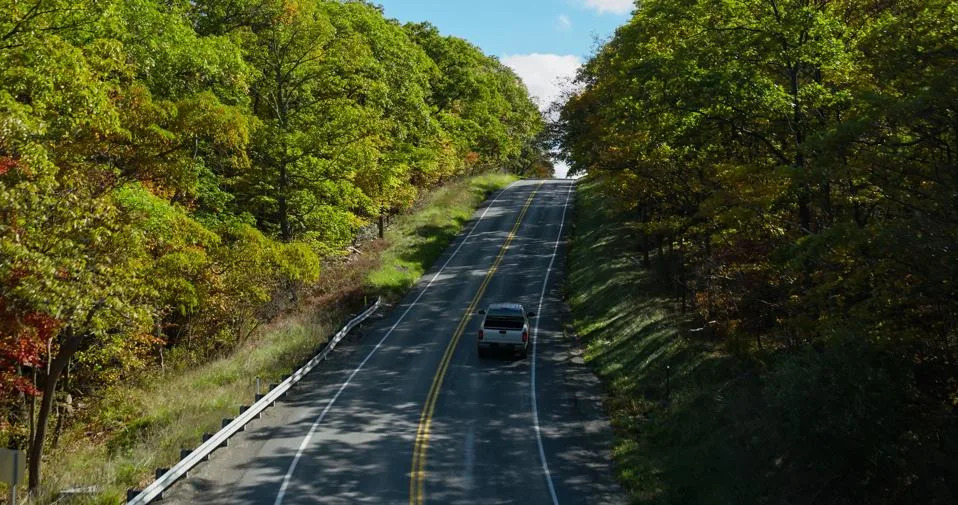
A pickup truck driving along a rural Milton, Penn. on a clear day in the Fall.
Recent Data and Trends
Between 2021 and 2025, vehicle collisions with deer in Pennsylvania resulted in 78 fatalities and 2,913 injuries, according to PennDOT crash data. Two years ago, deer-related crashes reached a five-year peak with 6,426 reported collisions. In a separate measure of the national problem, State Farm reported that Pennsylvania had more than 150,000 auto-insurance claims for animal collisions from July 1, 2023 to June 30, 2024.
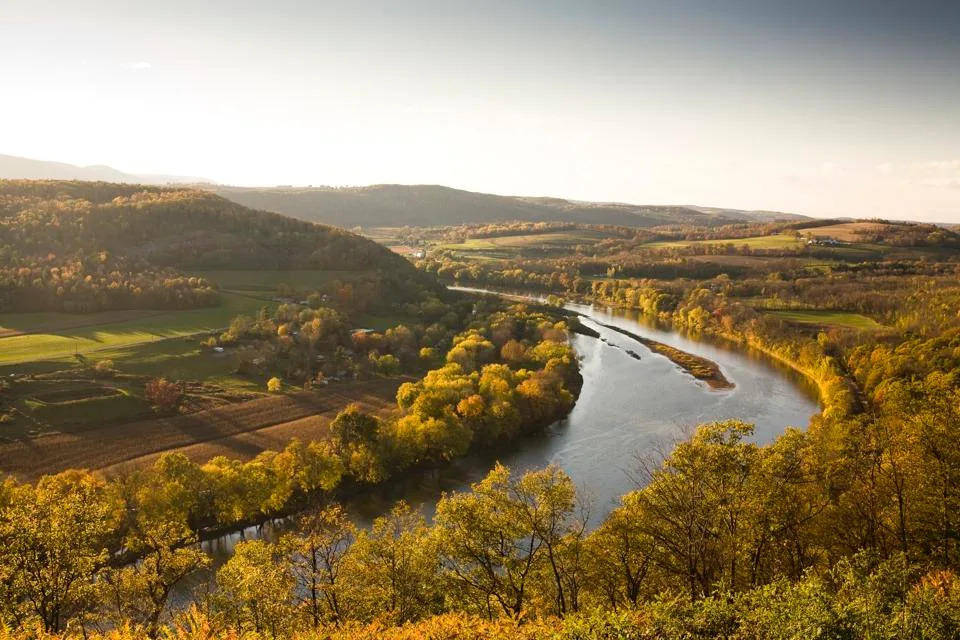
A Pennsylvania valley in autumn.
Existing Infrastructure and Next Steps
PennDOT has already built more than 30 wildlife crossings statewide, including species-specific tunnels such as a 2018 reptile and amphibian tunnel in Somerset County and the Warrior Creek underpass in Luzerne County, which features a terrestrial shelf to help large mammals pass beneath a roadway. The new work group is expected to accelerate planning, prioritize locations using data, and integrate crossings into long-range transportation projects.
Guidance and Recommendations
A 2024 Legislative Budget and Finance Committee report, "The Current Status of Conservation Connectivity in Pennsylvania," recommended appointing a statewide coordinator to work across agencies and independence commissions to direct connectivity projects and urged PennDOT to adopt wildlife crossings in its long-term plans.
Voices From Officials and Conservationists
"Protecting Pennsylvania's natural resources and keeping travelers safe go hand in hand," PennDOT Secretary Mike Carroll said, adding that the work group will enable "smart, data-driven investments" to reduce wildlife-vehicle collisions and protect habitat.
DCNR Secretary Cindy Adams Dunn said the effort will help "produce a statewide strategy that better protects wildlife, strengthens our public lands, and ensures infrastructure supports both conservation and community needs."
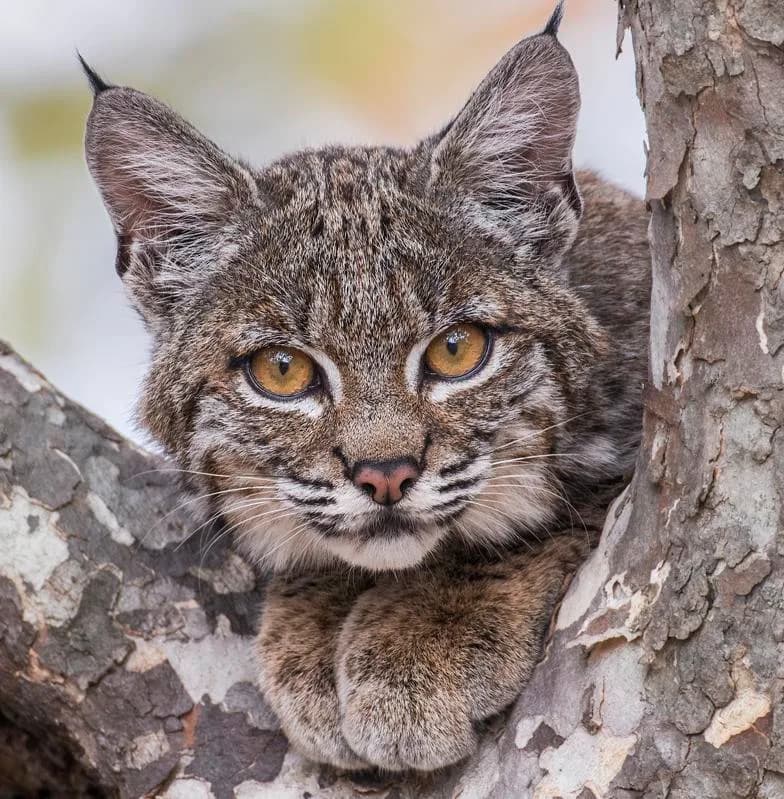
Conservation advocates stressed the benefits beyond safety. Stephanie Wein of the PennEnvironment Research & Policy Center said the interagency approach will reconnect habitats for species from bobcats and black bears to turtles and migratory songbirds. Lori Brennan of The Nature Conservancy in Pennsylvania added, "The more we help nature move, the safer and stronger our communities become."
Tips For Drivers
Deer collisions are most common in October–December and during dawn and dusk. Drivers should reduce speed, use high beams where appropriate at night, watch for animals near road shoulders, and remain extra vigilant during peak months and commute times.
Originally published on Forbes.
Help us improve.