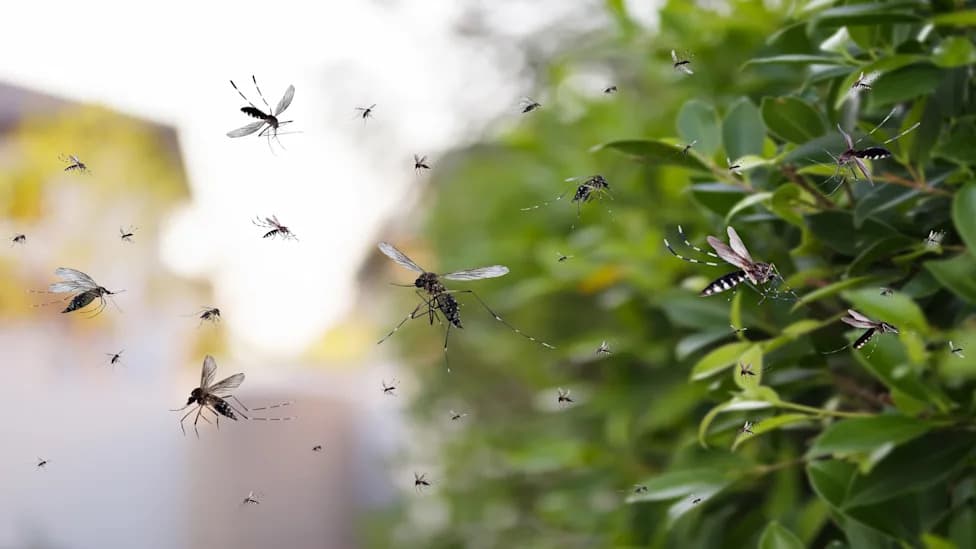
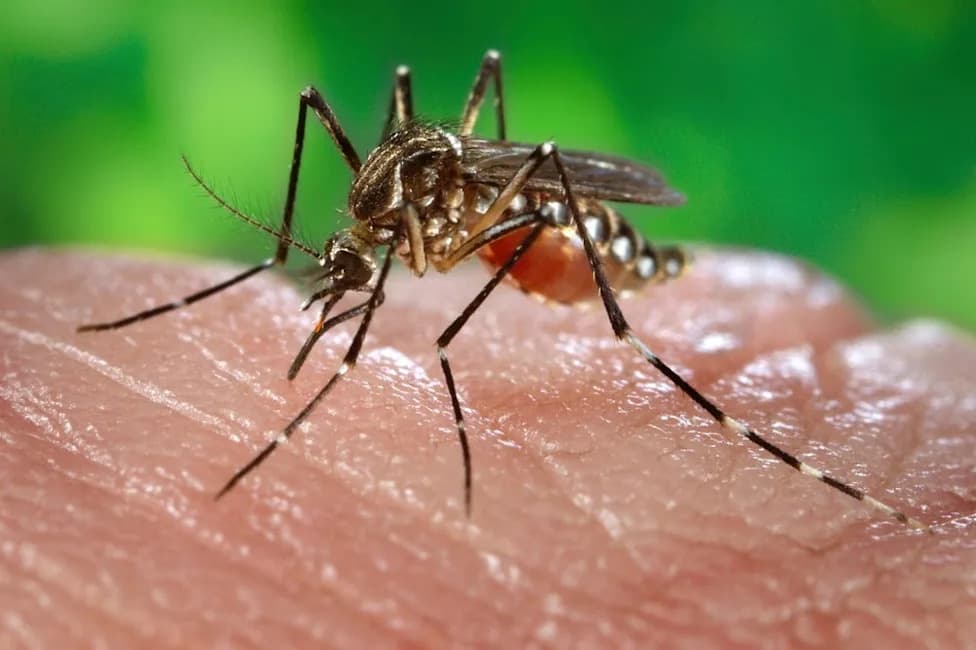
Bee Safe Mosquito Control plans to release about 600,000 male mosquitoes across parts of Maryland and Washington, D.C., aiming to reduce future populations of biting mosquitoes without broad chemical spraying. The males — which do not bite — carry a harmless bacterium that causes eggs from mated females to fail to hatch, cutting the next generation. The company currently serves roughly 25 homes, sending each about 1,500 males per week over the summer. The approach is targeted and eco-focused but remains limited in scale and more complex than standard treatments.
600,000 Male Mosquitoes Released Across Maryland and D.C. — They Don’t Bite, and Here’s Why
Photo Credit: iStock
A private pest-control company is releasing hundreds of thousands of male mosquitoes across parts of Maryland and Washington, D.C., this summer in an effort to reduce local populations of biting mosquitoes without relying on broad chemical spraying.
What’s Happening
Silver Spring–based Bee Safe Mosquito Control plans to release roughly 600,000 male mosquitoes in and around Bethesda, Silver Spring, Takoma Park and Washington, D.C., according to FOX 5 DC. Rather than working through municipal spray programs, the company is partnering directly with homeowners: it currently serves about 25 properties, and each enrolled yard receives roughly 1,500 male mosquitoes per week over the summer.
How The Method Works
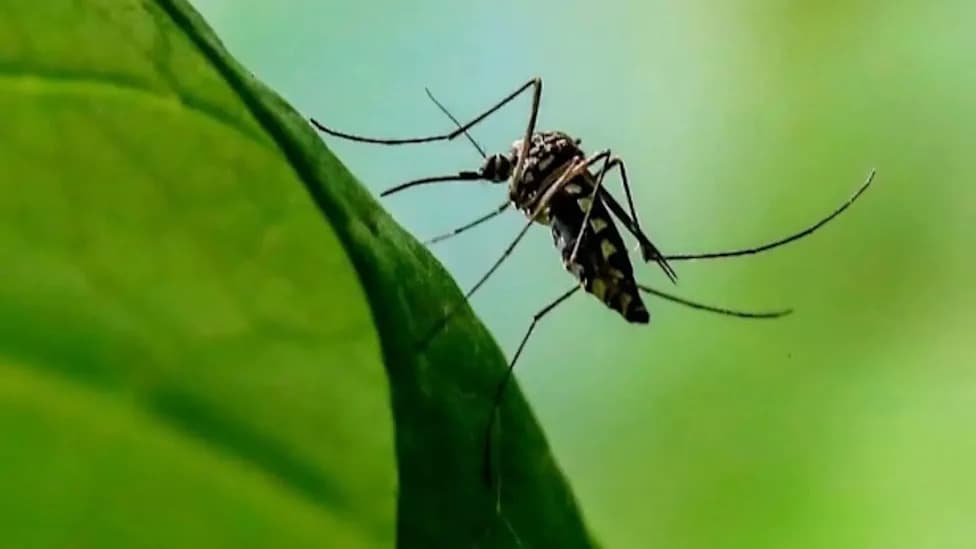
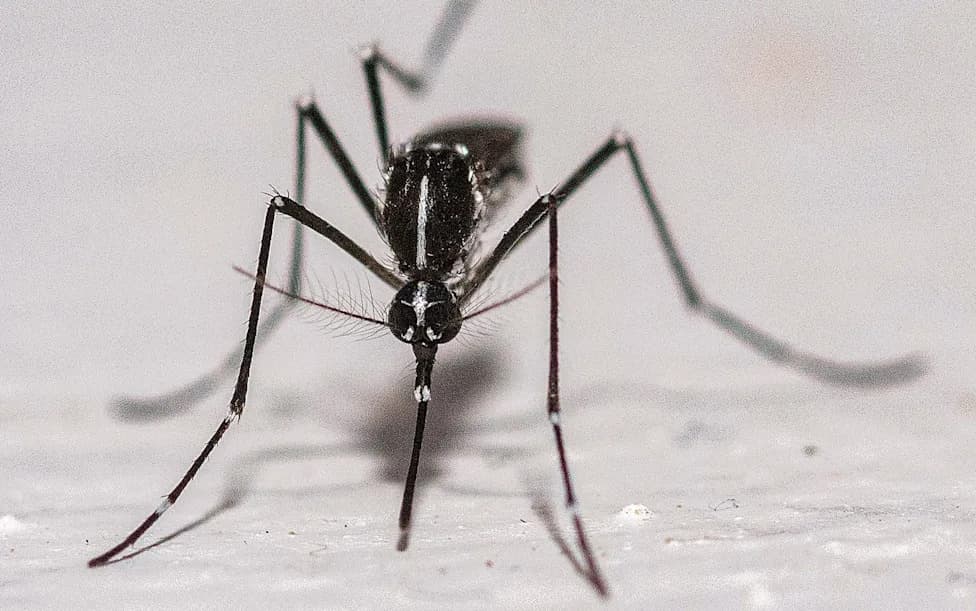
The released insects are male mosquitoes, which do not bite people — only females take blood meals. These males carry a harmless bacterium that interferes with reproduction. When they mate with local females, the resulting eggs fail to hatch, reducing the next generation of biting mosquitoes in treated areas.
Benefits Compared With Traditional Spraying
Targeted approach: Releases focus on reproductive disruption rather than blanket chemical applications across broad areas. That can mean fewer pesticides in the environment and more precise reductions in local mosquito abundance.
Immediate payoff for residents: Participating homeowners should notice fewer bites and more comfortable outdoor spaces. There is also a potential public-health benefit because lower mosquito abundance can reduce the risk of mosquito-borne disease transmission.
Limits And Practical Challenges
This technique is more specialized and costly than typical backyard treatments. Insects must be reared under controlled conditions and carefully sorted by sex before release, which raises logistical challenges and limits scale. Bee Safe’s program currently covers a relatively small number of homes, and critics note the approach’s limited reach unless production and deployment are expanded.
Proponents say the method balances comfort, safety and environmental concerns; critics warn that the logistical and cost hurdles constrain wider use for now.
With repeated, targeted releases over time, the company hopes to drive down nuisance mosquito numbers in treated neighborhoods without widespread pesticide spraying.
Help us improve.