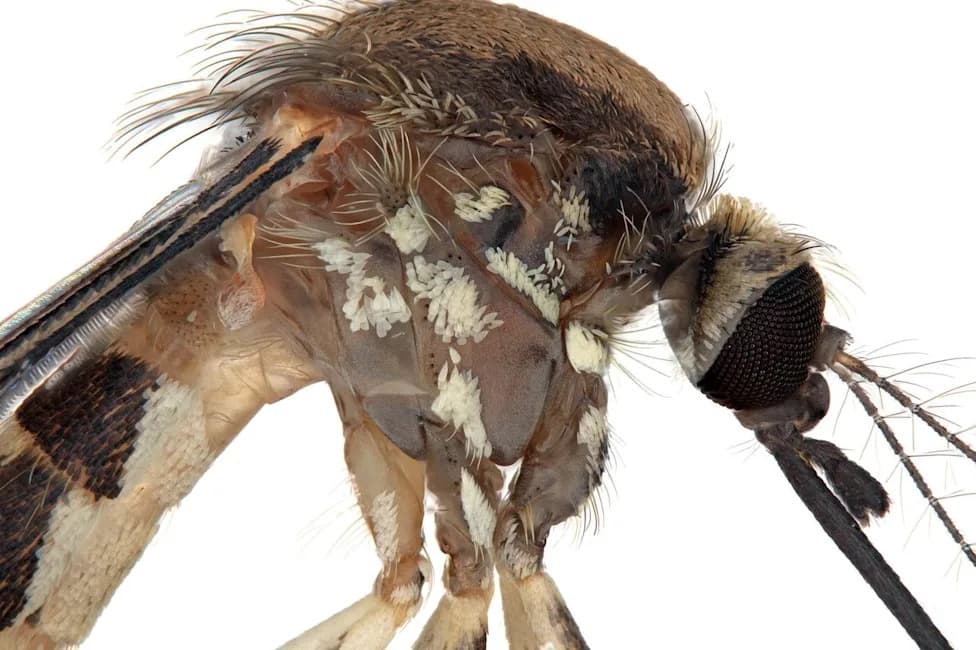
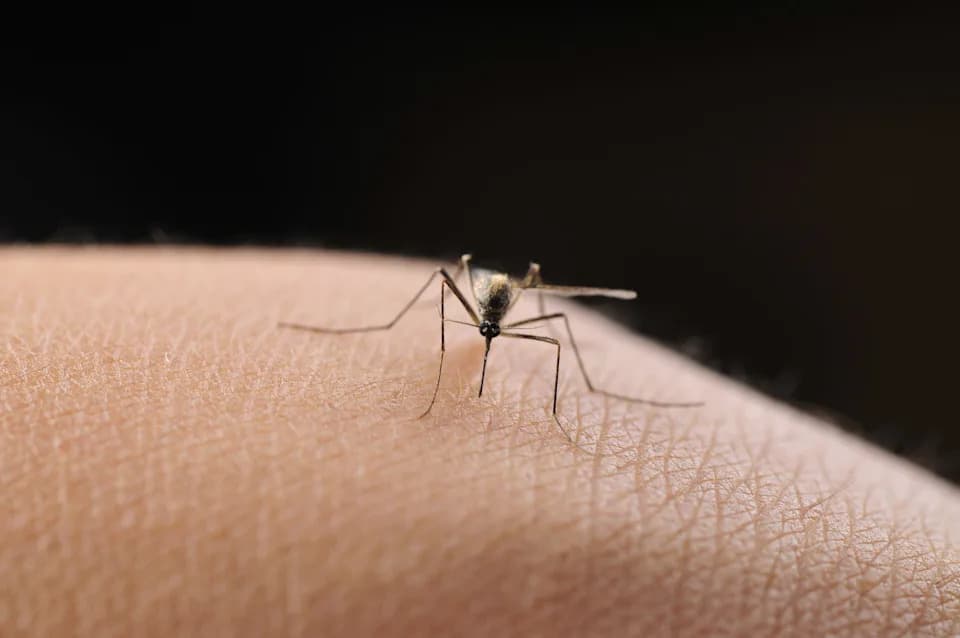
Florida International University researchers tested 119 Miami volunteers to measure attractiveness to three disease-carrying mosquito species: Aedes aegypti, Aedes albopictus, and Culex quinquefasciatus. Using nylon sleeves for nocturnal Culex scent collection and an olfactometer for daytime Aedes, the team analyzed skin-emitted chemicals. They found no single scent cue that predicted attraction to all three species; each species favored different odor profiles. The results suggest bite risk is species-specific and influenced by skin chemistry and the skin microbiome.
No Universal 'Mosquito Magnet': Attraction Depends on Mosquito Species, Study Finds
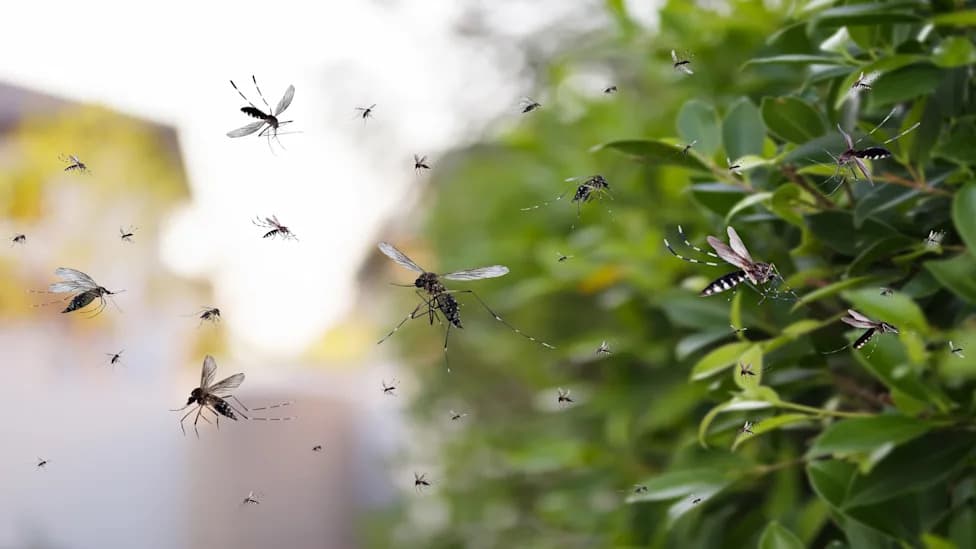
Photo Credit: iStock
New research from Florida International University suggests that there is no single "mosquito magnet" trait that makes someone universally irresistible to every mosquito species. Instead, whether a person draws bites appears to depend largely on the species of mosquito present and each species' unique odor preferences.
Published in iScience, the study tested 119 volunteers in Miami to measure attractiveness to three common, disease-carrying mosquito species: Aedes aegypti, Aedes albopictus, and Culex quinquefasciatus. The researchers combined behavioral assays with chemical analysis of skin-emitted volatile compounds to probe what drives those preferences.
Because Culex mosquitoes are primarily nocturnal, volunteers wore nylon sleeves for 12–16 hours to collect their scent for later tests. For the two daytime-biting Aedes species, participants used an olfactometer that let mosquitoes fly toward the odor of a forearm without allowing bites. The team then analyzed volatile chemicals produced by each participant’s skin.
The results showed little concordance across species: being highly attractive to one mosquito type rarely predicted attractiveness to another, and no volunteer ranked as highly attractive to all three species. Rather than a single shared scent cue driving attraction, each mosquito species responded to different odor profiles.
That species-specific behavior helps explain a common experience: two people sitting side by side can have very different outcomes, with one person receiving many bites while the other is largely left alone. The authors point to a combination of individual skin chemistry and the skin microbiome—the bacteria that break down sweat and oils into airborne compounds—as likely contributors to those differences.
"We want to understand what people's risks are for being bitten because all of these mosquitoes that we studied are vectors of disease," said Matthew DeGennaro, a neurogeneticist and the study's senior author, in remarks reported to Science News.
These findings refine earlier work on so-called "mosquito magnets" by showing bite risk is complex and species-specific. The study has practical implications for designing targeted repellents and public-health strategies: interventions effective against one mosquito species may not work as well against another.
Implications: Understanding species-specific odor cues could improve repellent design and help public-health officials tailor strategies in areas where particular mosquito vectors are most common.
Help us improve.