Willington Wetlands in Derbyshire has taken in three juvenile white storks bred at Celtic Rewilding as part of a programme to reintroduce the species to the Midlands after more than 600 years. The birds are being held in a protective enclosure while staff monitor their acclimatisation and work to create a "magnet flock" to attract other storks. The 100-acre restored reserve — where beavers have also been reintroduced — is backed by a £309,000 grant and aims to support broader ecological recovery and community engagement.
Three White Storks Return to Derbyshire Wetlands — A Milestone in Rewilding the Midlands After 600 Years
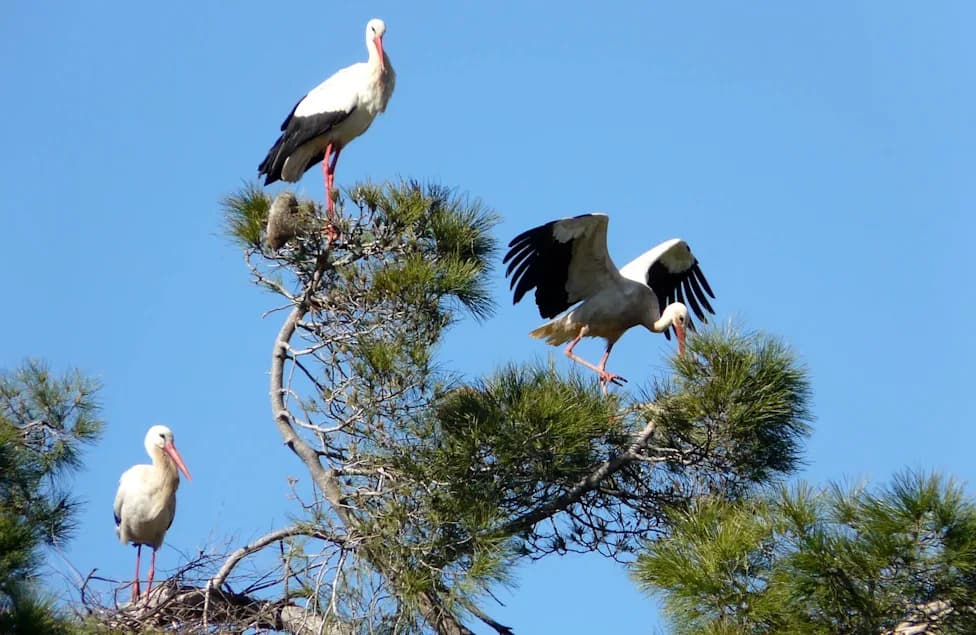
Photo Credit: iStock
Three juvenile white storks have arrived at Willington Wetlands in Derbyshire as part of a conservation programme aimed at re-establishing the species in the English Midlands after an absence of more than 600 years.
What Happened
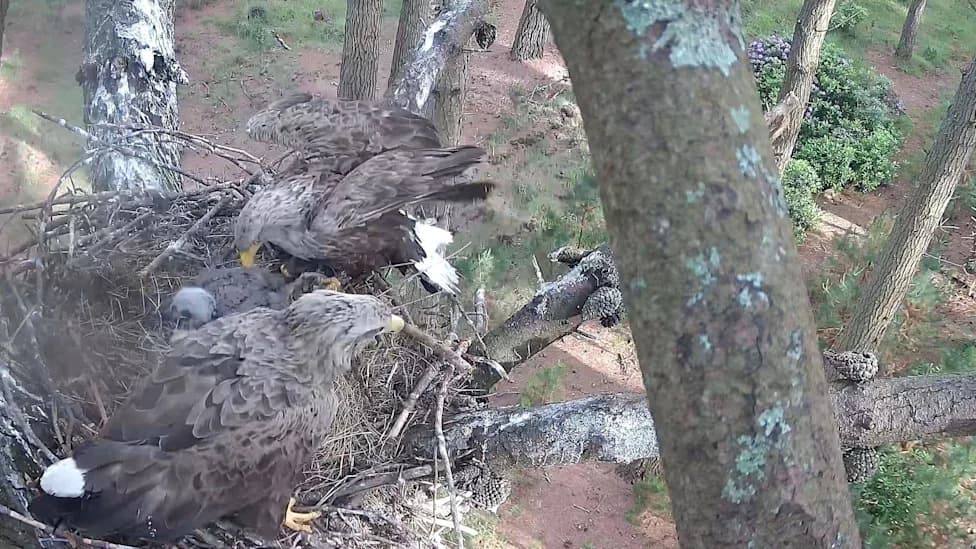
The birds — one male, one female and a third of undetermined sex — were bred at Celtic Rewilding's facility in Staffordshire and placed in a purpose-built enclosure at the restored reserve while they acclimatise. The release is intended as the first step in creating a local population that will attract other storks passing through the Trent Valley.
Why It Matters
White storks disappeared from the Midlands in the 14th century because of habitat loss and hunting. Returning them to Willington is both a biodiversity objective and a cultural restoration: storks feature in English folklore, and their visible presence can strengthen community connection to nature.
Site and Protection Measures
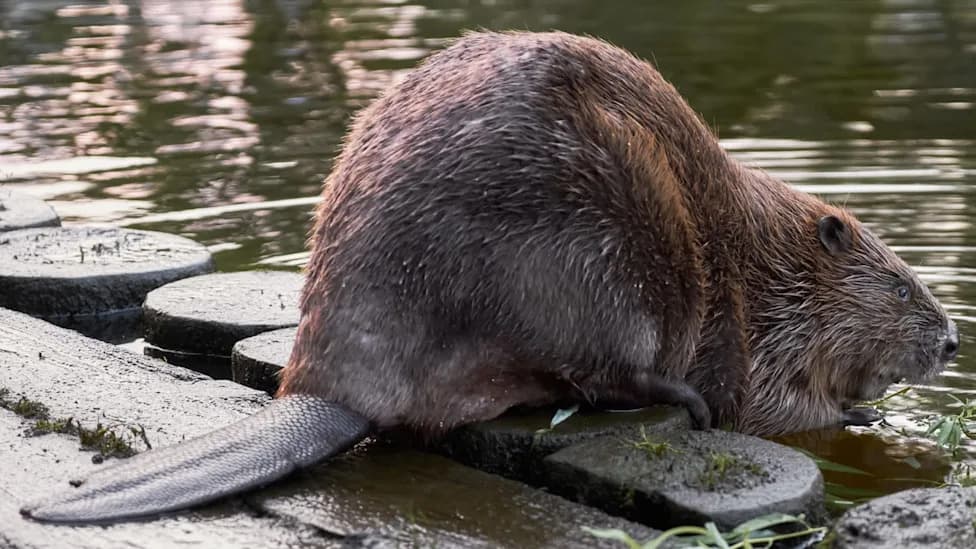
Once a gravel pit, Willington Wetlands now covers about 100 acres of wet grassland, reed beds and open pools. The reserve has also reintroduced beavers, whose engineering has helped create a fluid, dynamic wetland habitat. The storks' enclosure is designed to deter foxes and mink and uses fine netting to reduce contact with smaller wild birds and lower avian influenza risk.
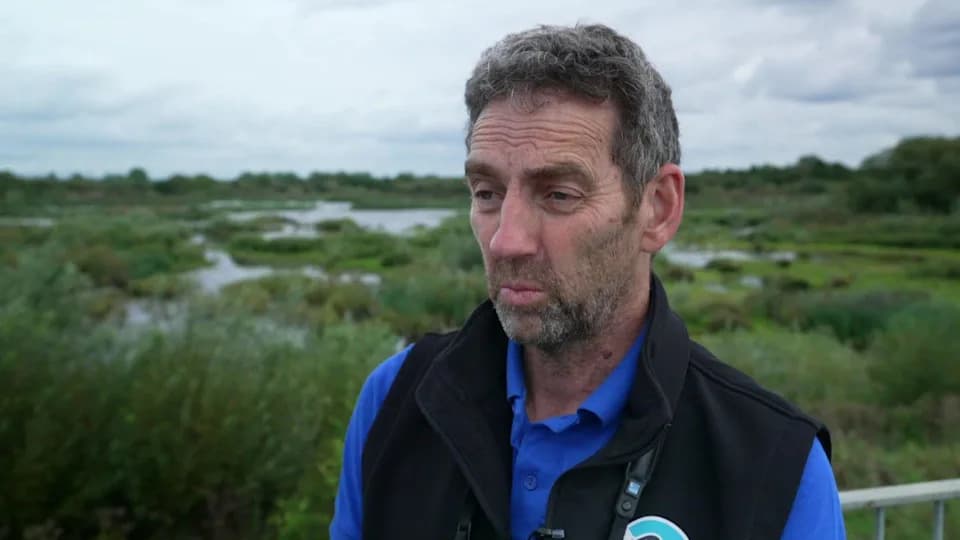
It feels absolutely incredible, Katie Last, living landscape officer for Derbyshire Wildlife Trust, said. To see white storks back at Willington feels like a real milestone.
Funding and Future Plans
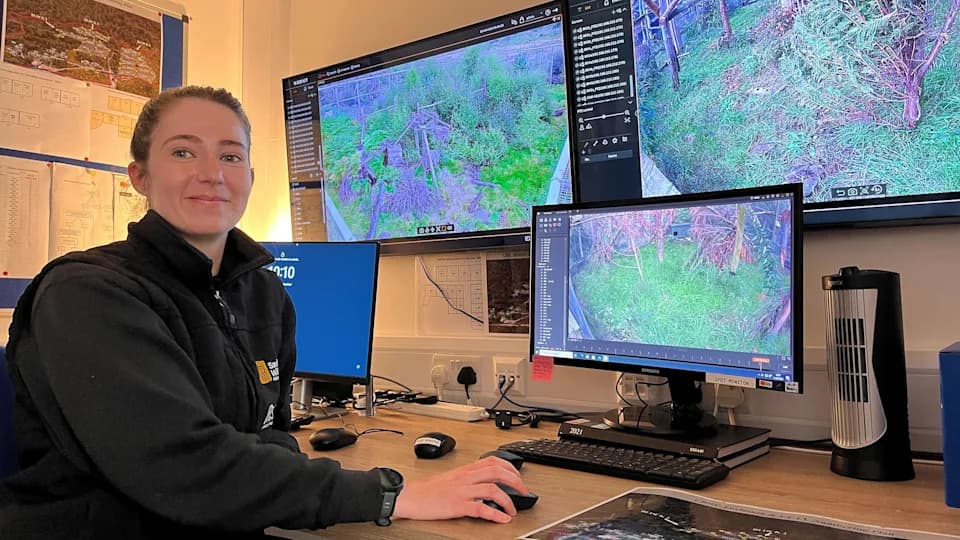
The project is backed by a £309,000 grant (about $411,838) from the Veolia Environmental Trust through the Landfill Communities Fund. Staff will monitor the birds closely as they settle; organisers may add more storks later if the initial release succeeds. The reserve will also install artificial nesting platforms to encourage visiting storks to stay and breed.
Success means thriving wetlands, more wildlife across the landscape, and communities that feel connected to nature and invested in its future, Rachel Bennett, director of wilder landscapes and wilder communities at Derbyshire Wildlife Trust, told The Guardian.
What To Watch For
- Whether passing storks use Willington as a stopover or breeding site.
- How the beavers and wetland management continue to shape habitat quality.
- Potential future releases and the rollout of nesting platforms to encourage colonisation.
Help us improve.