Senate Vote Falls 49-50: The Senate narrowly blocked a war-powers resolution aimed at limiting President Trump's authority to conduct military operations against Iran, with three Republicans—Murkowski, Rand Paul and Collins—breaking with most of their party to support the oversight effort. Democrat John Fetterman joined Republicans in defeating the measure. Public opinion polls show rising opposition (64% in an AP-NORC poll), lawmakers questioned a $37.5 billion cost, and 18 U.S. service members have died—factors that increase political pressure ahead of November.
Senate Blocks War-Powers Measure 49-50 as Three GOP Senators Break Ranks
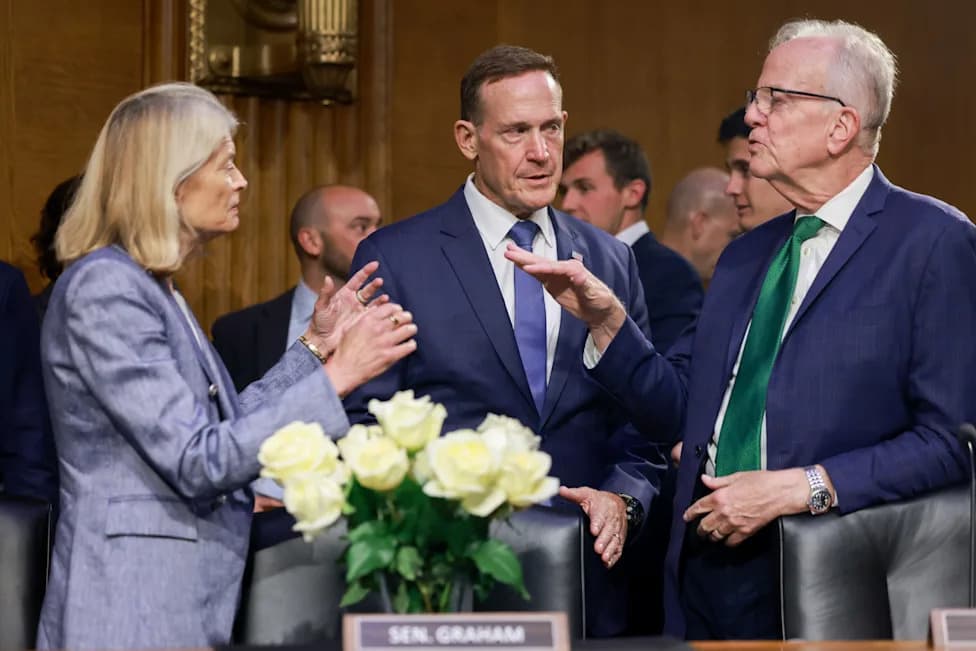
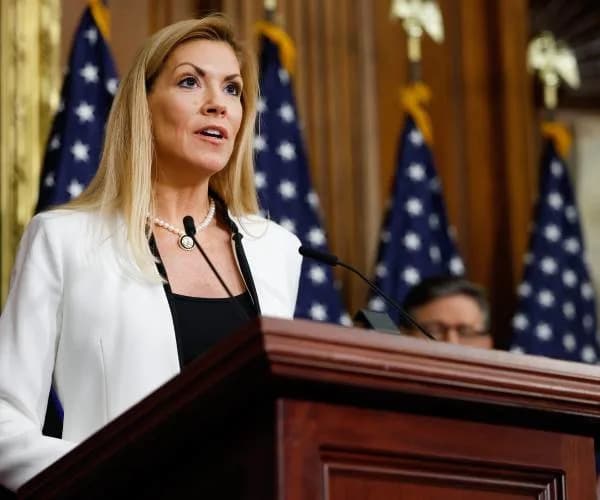
Senators Lisa Murkowski, Ted Budd, and Jerry Moran, gather for a Senate Appropriations Committee hearing in Washington, D.C. on July 21, 2026. —Tierney L. Cross—Getty Images
The U.S. Senate narrowly rejected a largely symbolic resolution intended to limit President Trump's authority to conduct military operations against Iran, with a procedural vote falling 49-50. While most votes followed party lines, three Republican senators—Lisa Murkowski (Alaska), Rand Paul (Kentucky) and Susan Collins (Maine)—joined Democrats pressing for greater congressional oversight of the renewed campaign against Iran. In an unusual twist, Democratic Sen. John Fetterman (Pennsylvania) voted with most Republicans to block the measure.
What Happened
The Thursday procedural vote failed to advance the war-powers resolution, marking the second such setback in two weeks. Supporters framed the measure as a congressional check on the executive branch, arguing that sustained hostilities require explicit authorization from Congress. Opponents dismissed the resolution as largely symbolic and insufficient to guide policy.
Key Senators And Positions
Rand Paul has consistently criticized the operation and said last week the conflict has left the U.S. "worse off," pointing to the growing militarization of the Strait of Hormuz and ongoing disruptions to a vital trade route. Paul was the only Republican to back an earlier effort in March to restrict the president's ability to use force against Iran without congressional approval.
Lisa Murkowski reversed her earlier stance in May and pledged to support measures "to officially end hostilities and bring our men and women home." Susan Collins, who initially opposed a prior resolution on the grounds it might send the wrong message to troops and Tehran, also changed course and voted to support the oversight effort.
Congress, Public Opinion And Costs
Democrats in both chambers have repeatedly brought forward war-powers resolutions to record their opposition and to force votes on the issue. Last week, the House approved a symbolic resolution to curb the war by a 214-208 margin; in June, both chambers passed War Powers Act-style measures aimed at limiting continued hostilities without explicit congressional authorization.
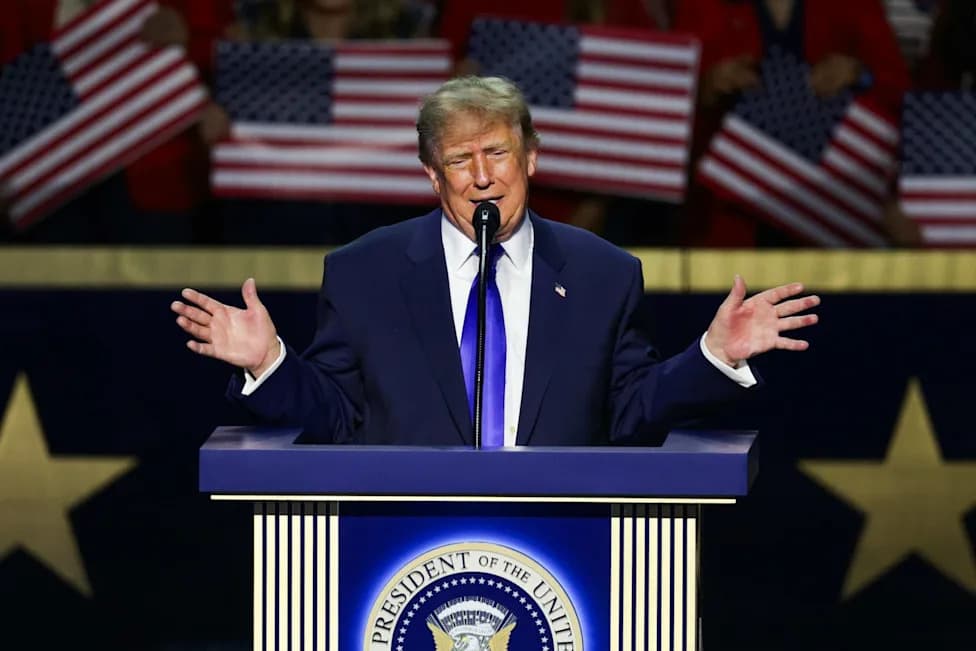
President Trump dismissed the June votes as "meaningless" and has indicated he will not abide by the resolutions, saying in late June, "These Senators have just made my job more difficult, but I will get it done, one way or the other, because I always get it done."
Outside Capitol Hill, public sentiment appears to be turning against the conflict. An AP-NORC poll (July 23–27) found 64% of Americans believe the war with Iran has not been worth fighting. An earlier Reuters/Ipsos survey (June 18–22, n=1,262) reported just 24% of respondents thought the war was worth the costs.
Budget And Human Toll
Lawmakers pressed Defense Secretary Pete Hegseth on July 21 over the operation's estimated $37.5 billion cost, and congressional concern has been sharpened by the human toll: 18 American service members have died in the conflict so far. Those financial and human costs, combined with shifting public opinion, create political pressure for Republican lawmakers ahead of the November midterm elections.
Bottom line: The vote underscored deep divisions in Congress and growing public unease about the Iran campaign, even as legal and practical limits on presidential war powers remain contested.
Help us improve.