The NHTSA granted Zoox a two-year exemption to operate up to 2,500 robotaxis per year, expanding commercial tests beyond demonstration rides in Las Vegas and San Francisco. The agency plans to simplify Part 555 exemptions, partner with SAE on a three-year effort to create national A.V. standards, and fund a $5 million expert consortium. While officials promise technology-neutral rules and self-certification, critics warn that favoring the first commercial grantee could lead to regulatory capture and reduced competition.
NHTSA Clears Zoox For Limited Commercial Robotaxi Service — Raises Competition Concerns
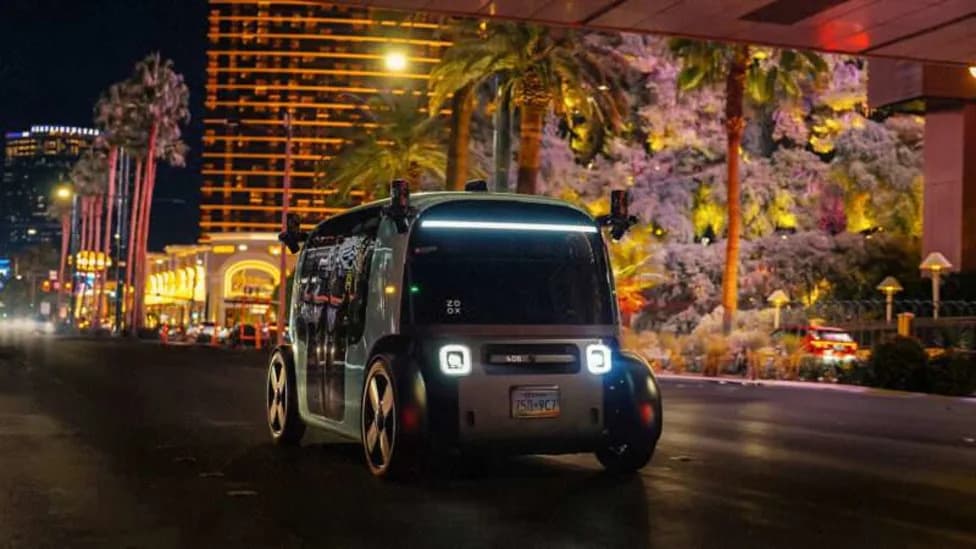
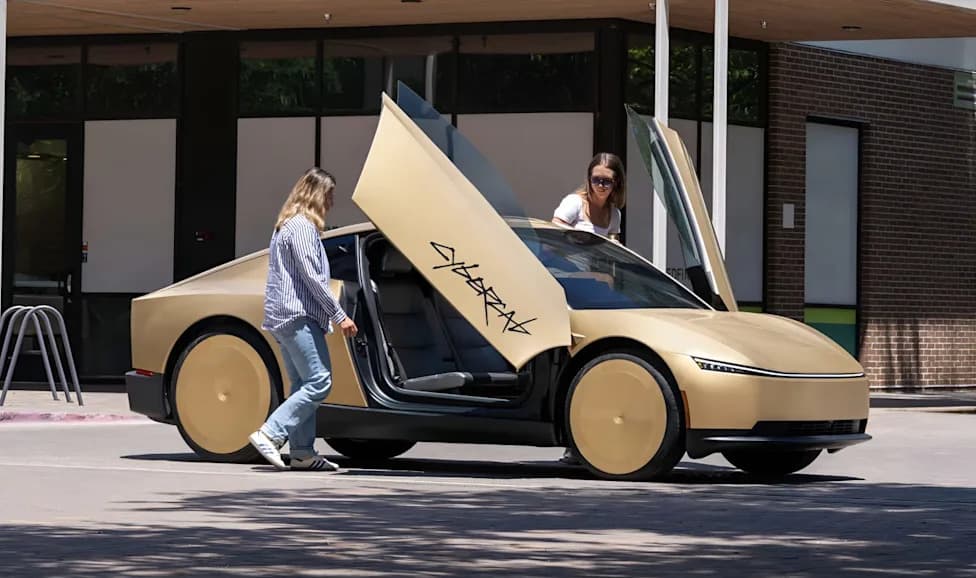
Photo courtesy of Zoox, Inc.
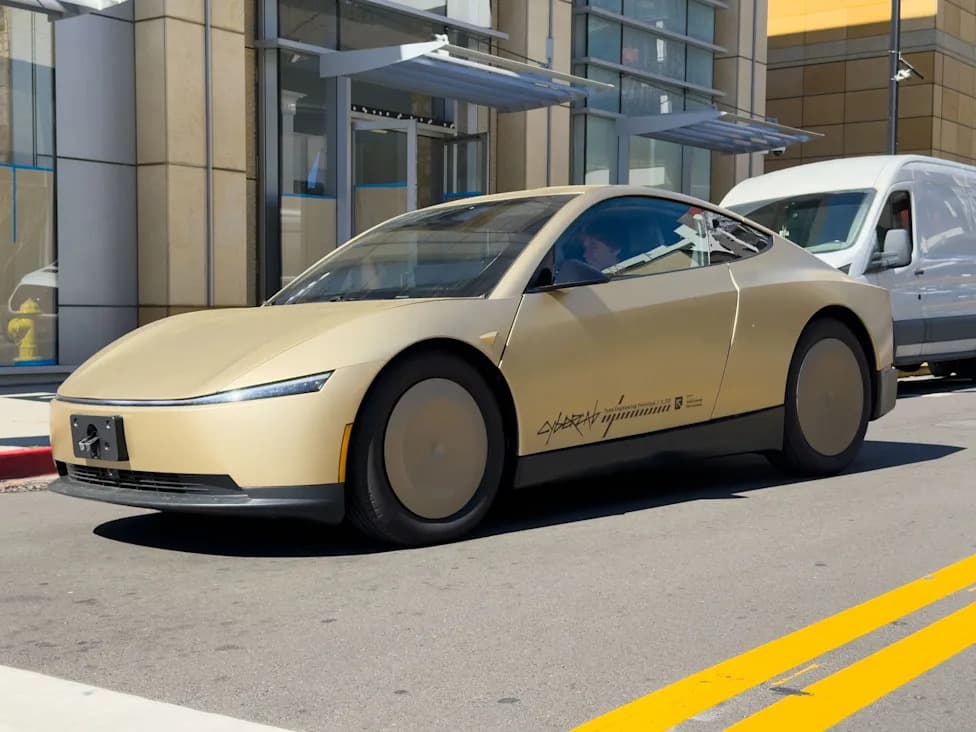
Passengers riding in vehicles without conventional controls — no steering wheel or brake pedal — could soon become a familiar sight in Las Vegas and San Francisco.
On Thursday, the U.S. Department of Transportation's National Highway Traffic Safety Administration (NHTSA) announced a two-year temporary exemption for autonomous-vehicle developer Zoox that permits the company to commercially operate up to 2,500 robotaxis per year.
What the Exemption Allows
Zoox, which received a demonstration exemption last August, has been offering free public rides in Las Vegas and San Francisco and plans to expand to Austin and Miami. The new exemption is intended to allow limited commercial deployment while regulators continue to evaluate safety and performance.
Policy Context and Standards Work
The decision is part of Transportation Secretary Sean Duffy's "transportation innovation agenda," aimed at modernizing vehicle standards and lowering regulatory barriers to accelerate autonomous vehicle (A.V.) deployment. As part of that effort, NHTSA said it will streamline the Part 555 exemption process — a regulatory pathway that lets manufacturers test novel vehicle designs in limited numbers — to make it easier for other A.V. developers to demonstrate commercial readiness.
In the same announcement, NHTSA said it will enter a three-year partnership with the SAE Industry Technologies Consortia to "gather data and accelerate creation" of a national safety standard for autonomous vehicles. The agency also said it will provide funding for a $5 million consortium of experts charged with making recommendations to replace the current patchwork of state rules.
Regulatory Changes Under Consideration
Federal motor vehicle standards have long assumed human drivers and therefore require features such as rearview mirrors, foot pedals, manual transmission shifters, steering wheels, and front-facing seats. NHTSA acknowledged those mismatches and said it intends to remove mandates that apply only to human-operated vehicles — for example, rules for "manual brake pedals, transmission shifters, and windshield wipers and defrosters."
The agency also plans to update standards for controls and displays, vehicle lighting, mirrors and rearview displays, electronic stability control systems, and warning labels. NHTSA emphasized the new rules will be "technology neutral" and will permit A.V. developers to self-certify compliance. NHTSA Administrator Jonathan Morrison described the approach as "balanced," focused more on removing obstacles than adding new mandates.
Support, Concerns, and Competition Risks
The move drew support from diverse groups, including cyclists, some women's groups, road safety organizations, and disability rights advocates, who cited increased mobility and accessibility benefits. Transportation workers' unions, however, warned of job losses and raised public-safety concerns.
Critics have also raised a different concern: because Zoox is the first — and so far only — company to receive this commercial exemption, it gains an incumbency advantage that could shape future federal standards. Observers noted that parts of the agency's oversight approach appear designed to "evolve as Zoox's technology advances," a detail that fuels worries about regulatory capture and whether the resulting rules will be broadly technology-neutral.
What Comes Next
Thursday's decision is a milestone for the autonomous-vehicle industry and could accelerate commercial deployments in the U.S. Regulators, industry groups, and advocacy organizations will now weigh in as NHTSA and its SAE consortium develop recommendations and more companies seek exemptions or approvals.
Bottom line: The NHTSA exemption fast-tracks real-world deployment for Zoox but also raises important questions about competition, oversight, and how national A.V. standards will be written.
Help us improve.