Zoox paused its Atlanta test fleet after multiple safety drivers reported symptoms consistent with exposure to gases such as carbon monoxide, carbon dioxide, or hydrogen sulfide. An OSHA inquiry followed a contractor complaint; OSHA reviewed the case and later closed its inquiry. Zoox identified 28 employees tied to six vehicles with an unexplained odor, said CO2 was the only gas detected in inspections, and plans to add CO2 monitors while quarantining impacted vehicles and pausing operations in the market.
Zoox Pauses Atlanta Testing After Safety Drivers Report Possible Toxic Gas Exposure
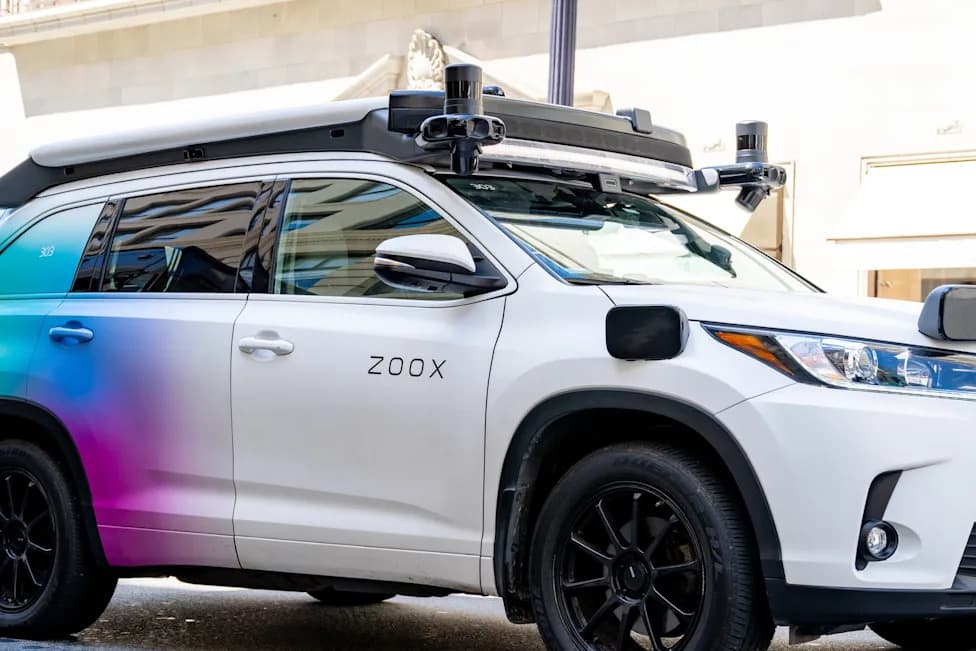
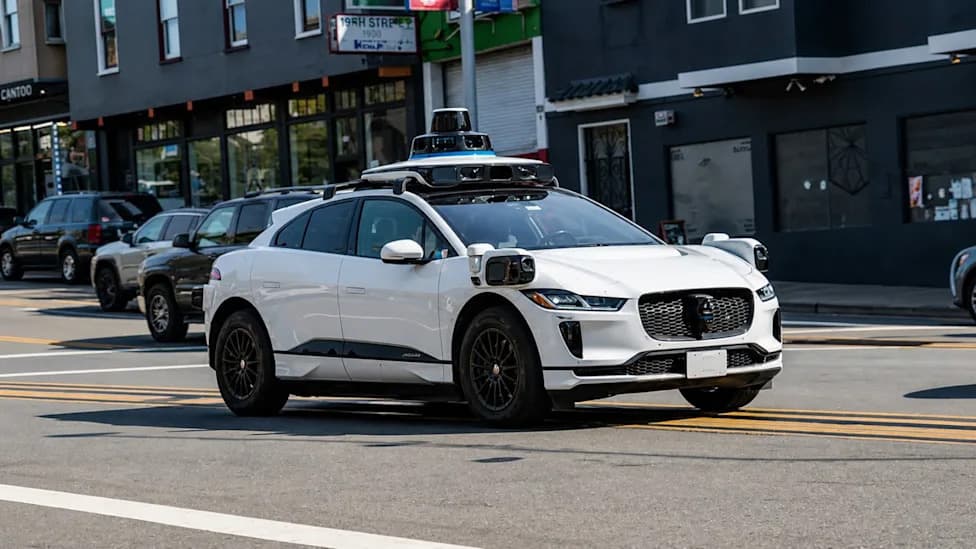
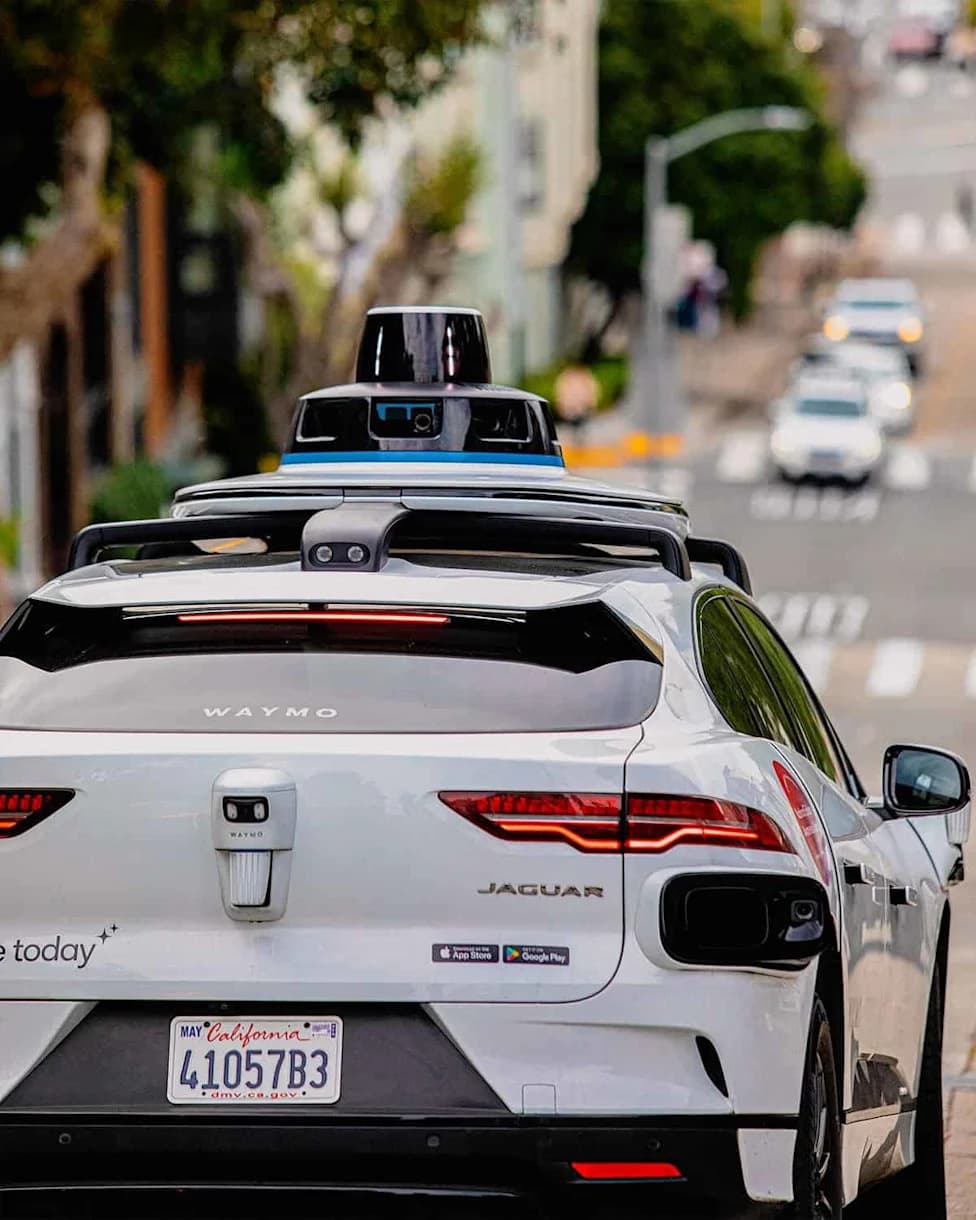
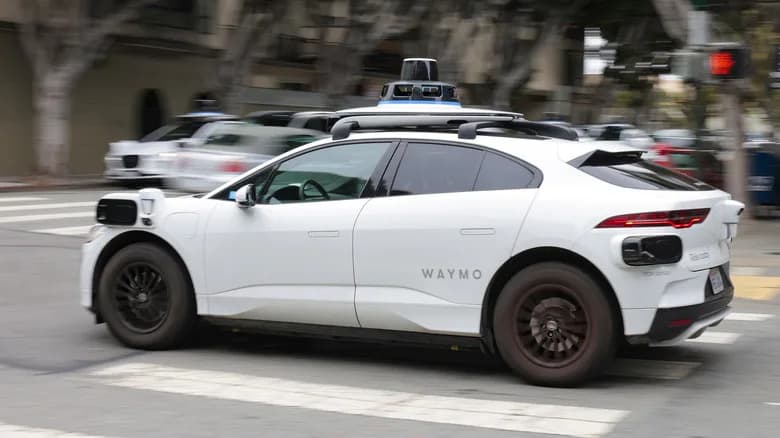
Zoox autonomous test SUV with rooftop lidar and corner-mounted sensors on city street near luxury shops, Union Square, San Francisco, California, with human safety driver visible, May 20, 2025. (Photo by Smith Collection/Gado/Getty Images) | Image Credits:Smith Collection/Gado / Getty Images
Zoox has suspended its autonomous vehicle test operations in Atlanta after multiple safety drivers reported symptoms consistent with exposure to potentially toxic gases — including carbon monoxide (CO), carbon dioxide (CO2), or hydrogen sulfide (H2S) — inside modified test SUVs, according to interviews and documents reviewed by TechCrunch.
One contractor filed a complaint with the Occupational Safety and Health Administration (OSHA), which opened an inquiry and instructed Zoox to investigate; OSHA has since closed that inquiry. An OSHA letter viewed by TechCrunch said as many as 40 workers may have been exposed, though Zoox told OSHA it identified a lower total and reported that 28 employees rode in six vehicles that experienced an unexplained odor.
Employee reports and timeline
Contractors described repeated incidents in August. On Aug. 14, four workers training together reported feeling lightheaded; one vomited after exiting the vehicle. According to those workers, Zoox put the same crew into a different test car later that day, and they experienced symptoms again. On Aug. 22, someone at the northwest Atlanta depot called 911 after another employee became ill. After the reports, affected vehicles were quarantined and the facility operated at limited capacity.
Jay Davis, a contractor who filed the OSHA complaint, told TechCrunch: 'They made us go right back in the field after we said we were throwing up.' Several other current and former employees corroborated accounts of unusual smells and symptoms. Some asked for anonymity because they feared retaliation.
Investigations and findings
In a Sept. 10 letter to OSHA reviewed by TechCrunch, Zoox said it inspected the vehicles for elevated CO2, tested exhaust systems for leaks, performed cabin 'smoke tests' to check for intrusions, and removed, inspected, and replaced the vehicles' 12-volt batteries. Damaged lead-acid batteries can emit hydrogen sulfide and a 'rotten egg' odor, which some employees reported.
Zoox told OSHA and TechCrunch that it did not detect carbon monoxide in the inspected vehicles and that CO2 was the only gas detected in the impacted cars. The company said it consulted an outside medical expert and plans to add CO2 monitors to its test vehicles. Zoox also emphasized that its purpose-built electric robotaxis were not involved in these incidents and are unaffected.
Working practices and technical context
Unlike many robotaxi developers that use electric vehicles, Zoox's Atlanta test fleet uses modified Toyota Highlander SUVs with internal combustion engines. Internal-combustion vehicles produce CO and CO2 and, if exhaust leaks or sealing issues exist after modifications, those gases can enter the cabin. Regulators previously investigated similar issues in other manufacturers: for example, the NHTSA probed reports of carbon monoxide buildup in Ford Explorers.
Zoox keeps test vehicles running much of the day to preserve sensor calibration and reduce boot times for onboard autonomy systems. The company uses an exhaust-capture system at indoor depots — similar to those used at fire stations — intended to mitigate gas buildup.
Medical evaluations and company response
Zoox said 10 workers 'voluntarily underwent medical evaluation' and that it received one medical report indicating CO2 exposure. Workers who sought emergency care were reportedly told their symptoms were consistent with CO exposure, though emergency testing did not always show elevated CO blood levels. Following the Aug. 14 incidents, Zoox instructed the four employees who reported symptoms to take what it described as random drug tests. Some contractors said they were advised to call Poison Control or a workers' compensation hotline.
What remains unclear
Key questions remain unresolved: whether exhaust leaks, damaged 12-volt batteries, cabin sealing issues from modifications, long run-times in enclosed spaces, or some combination caused the symptoms. Zoox did not disclose whether its inspections found definitive evidence of exhaust leaks or damaged batteries. OSHA closed its inquiry after Zoox’s investigation steps.
Industry context
The incidents come as Zoox expands its testing footprint to compete with companies like Waymo. Other robotaxi developers largely use electric vehicles that do not produce exhaust gases; exceptions include some hybrid or gasoline test vehicles at other firms. Safety and worker health in rapid testing and deployment environments remain a focus across the autonomous-vehicle industry.
Help us improve.