Persistent low rainfall and high summer temperatures have pushed parts of the Rhine to near-record lows, briefly matching the 2018 low at Kaub and threatening to drop the Düsseldorf gauge to 21 centimetres—two below the 2018 level. Dutch authorities reported the Rhine at its lowest level at the German border, while Italy raised drought alerts for the Po Valley. German industry groups warn of serious supply-chain and transport disruptions and call for urgent modernisation of waterways.
Alarm as Rhine Drops to Near-Record Low, Threatening German Industry and Supply Chains
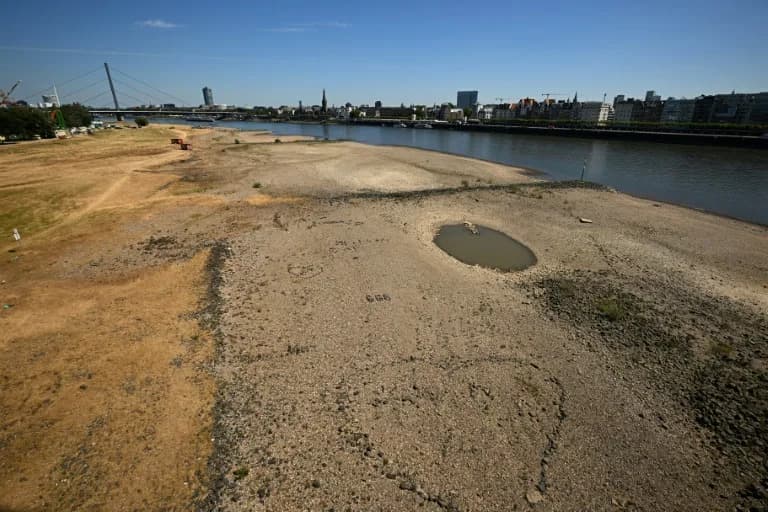
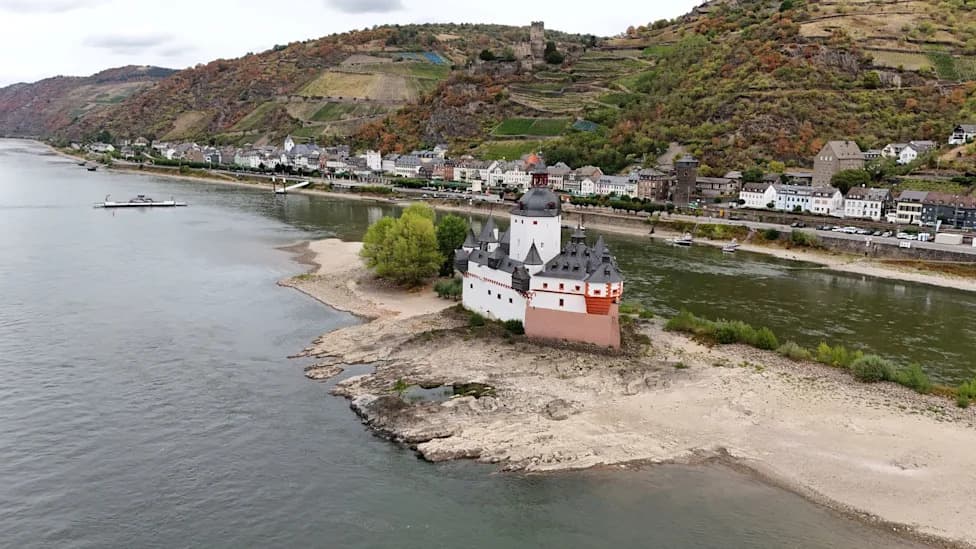
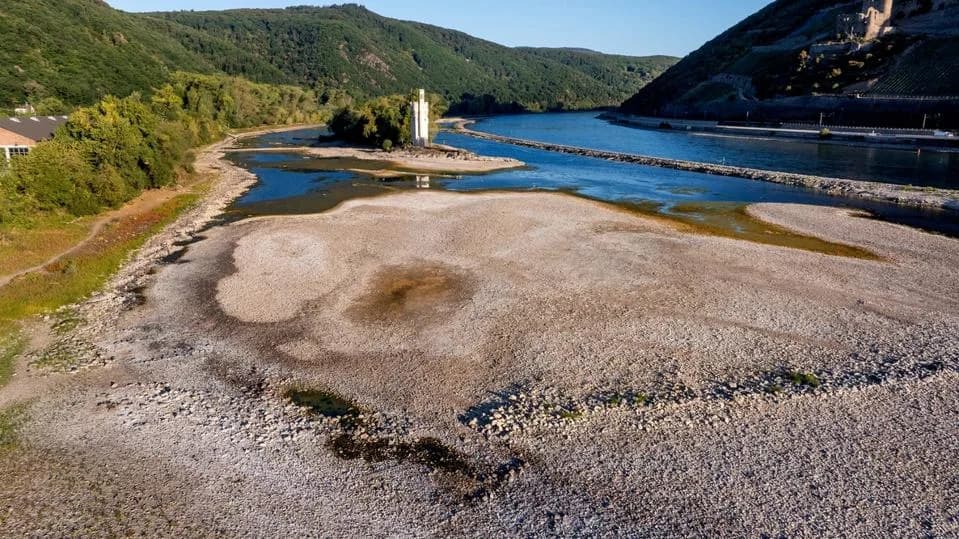
The partially dried-up river bed of the Rhine pictured in Duesseldorf, western Germany, on July 28, 2026, following exceptionally hot weather (Ina FASSBENDER)
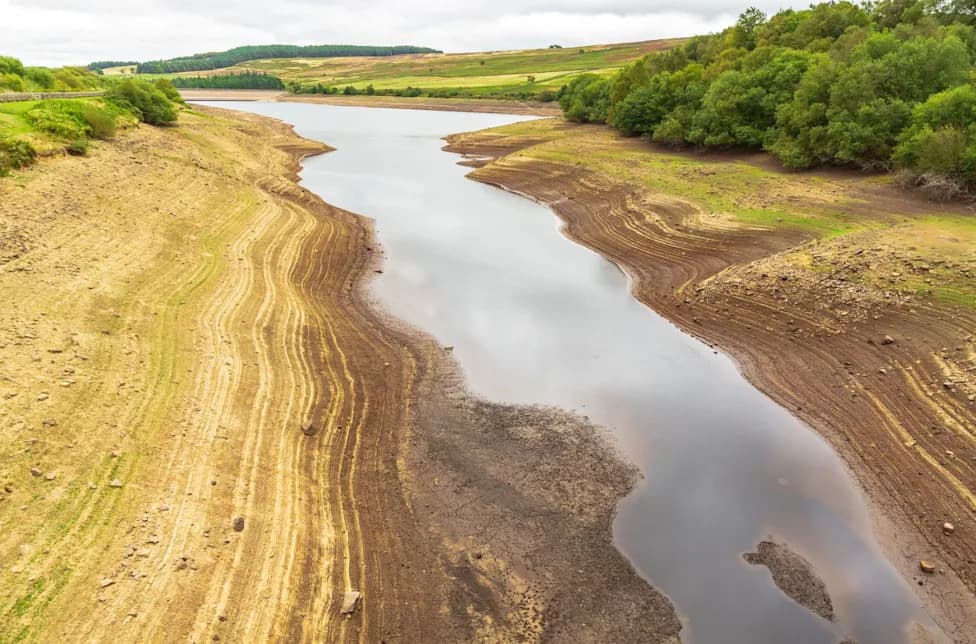
German shipping and industrial sectors are sounding the alarm as persistent low rainfall and soaring summer temperatures—conditions scientists link to human-driven climate change—drive major waterways to unusually low levels.
The Federal Waterways and Shipping Administration (WSV) told AFP that early on Friday a section of the Rhine near the town of Kaub briefly fell to the same record low observed in 2018. Although levels there later rose, the WSV warned that the gauge in Düsseldorf could fall to 21 centimetres on Saturday, two centimetres below the October 2018 mark.
Wider Regional Impact
Downstream authorities in the Netherlands said on Thursday that worsening drought had pushed the Rhine to its lowest recorded level at the German border. The river's reduced flow risks hindering transport on one of Europe's most important inland waterways.
Economic Consequences
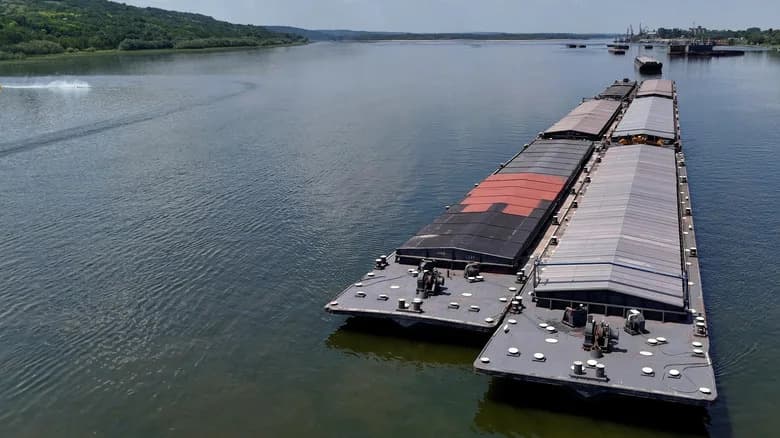
Low water levels jeopardize several key German industries—particularly chemicals and steel—that depend on the Rhine to move large volumes of raw materials and finished goods. Germany's construction federation warned the river is "increasingly being pushed to its capacity" by recurring low-water events, underscoring vulnerabilities in the country's transport and logistics networks.
"Authorities urgently need to make waterways more modern and resilient to climate change," the federation said, noting that industry, already squeezed by high energy costs and foreign competition, can ill afford further burdens.
Context And Response
The Rhine is the second-longest river in Western and Central Europe after the Danube; nine countries rely on it for drinking water, freshwater supply, hydropower and shipping. The episode has renewed calls for urgent adaptation measures, including infrastructure upgrades and contingency plans for inland shipping limits.
Elsewhere in Europe, Italian authorities raised the drought alert level to "high" for the Po Valley on Thursday, citing deteriorating conditions and unfavourable weather forecasts—illustrating a broader regional pattern of heat and dryness.
What Comes Next: Authorities will monitor gauge readings closely and consider temporary restrictions on heavy barge traffic if levels continue to fall. Industry groups are pressing for faster investment in more resilient waterways and alternative logistics solutions.
Help us improve.