Summary: Republicans contend that SNAP reductions that removed benefits for more than 4 million people, including an estimated 1.5 million children, reflect enforcement of new work rules and a deliberate cost shift to states — not a political liability. Federal data show about 37 million people remain on SNAP as of April, after roughly 2 million fewer households participated. Critics and analysts say children and seniors have been disproportionately affected and that some states trimmed rolls to avoid a looming cost shift.
Republicans Say SNAP Cuts Won't Cost Them Politically, Despite 4M Losing Benefits

Rep. David Valadao, a Republican facing a tough reelection bid, defended the food stamp cuts.Tom Williams via Getty Images
WASHINGTON — Republican lawmakers are defending the removal of food assistance for more than 4 million people — including an estimated 1.5 million children — insisting the policy changes will not hurt their prospects in November’s midterms. Party leaders portray the sharp enrollment decline as the intended result of last year’s legislation that tightened eligibility rules and shifted costs to states.
What Changed
The law imposed stricter work requirements for certain able-bodied adults and altered funding responsibilities, prompting an unprecedented drop in participation. Federal data show roughly 4 million fewer individuals and about 2 million fewer households now receive Supplemental Nutrition Assistance Program (SNAP) benefits; as of April, roughly 37 million people across 20 million households remained on the rolls.
How Republicans Describe the Drop
Supporters say the enrollment decline reflects enforcement of work rules and fraud reduction. Rep. David Valadao (R-Calif.), who represents a competitive Central Valley district where more than 27% of households receive SNAP, said the changes target adults without dependents or disabilities who can work.
"When you look at work requirements ... the idea that there are people out there that have the ability to work and choose not to ... is something I agree is what the average voter would expect," Valadao told HuffPost.
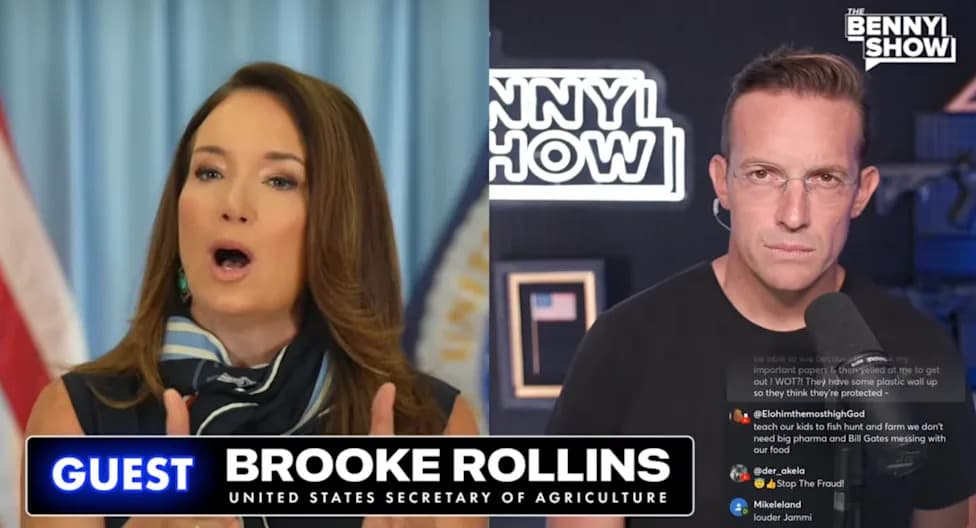
Sen. John Boozman (R-Ark.), chair of the Senate Agriculture Committee, framed the decline as validation of the policy: "I think it just indicates that there are a lot of people on there that weren't working," he said.
Critics Warn Of Harm To Children And Seniors
Opponents and independent analysts say the cuts have hit vulnerable populations. The Center on Budget and Policy Priorities (CBPP) estimated more than 1.5 million children were removed from SNAP — a consequence critics say cannot be explained solely by targeting able-bodied adults. Child losses partly reflect states trimming rolls to avoid a looming cost shift tied to high erroneous-payment rates that takes effect next year.
"Without immediate congressional action to delay this cost shift for all states, the unfolding emergency will only worsen as more children are cut off from the food assistance their families need," CBPP's Joseph Llobrera wrote.
Rep. Gabe Vasquez (D-N.M.) said his district has lost roughly 18,000 SNAP participants, including about 10,000 children, and warned the law’s red tape is leaving seniors and kids hungry. Democrats in competitive districts have seized on those losses as a political issue ahead of November.
Political Stakes
The package that included SNAP and Medicaid changes — informally dubbed the "Big Beautiful Bill" by supporters and derided by critics as the "Working Families Tax Cut" — also used those savings to help offset tax cuts. Republicans hope framing the changes as enforcement of work rules and fiscal responsibility will blunt voter backlash; Democrats argue the cuts amount to reduced aid for families and seniors during a period of high living costs.
As the midterms approach, the debate centers on whether voters will accept the enforcement rationale or respond to stories of children and seniors losing access to food assistance. The answer could shape outcomes in swing districts with above-average SNAP participation, including parts of California’s Central Valley and districts in New Mexico.
Help us improve.