California generated 51% of its electricity from solar in May — the first time a major economy has run more than half on solar for an entire month. That total includes utility-scale and rooftop installations. Rapid expansion of battery storage (about 16 GW in CAISO) has been essential, allowing midday solar to meet evening demand and at times supply over a quarter of nightly needs. Storage capacity has climbed roughly 26,130% from about 61 MW a decade ago.
California Ran Mostly on Solar in May — A Global First for a Major Economy
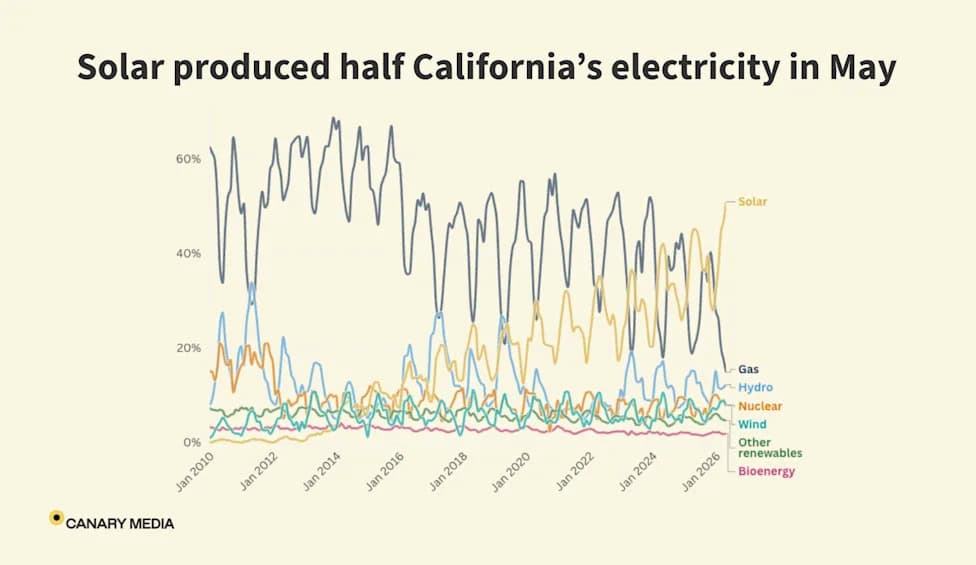
California was mostly solar-powered in May — a global first
Solar power supplied a majority of California's electricity in May, marking the first time a major economy has run more than half on a single clean energy source for an entire month. The milestone reflects a rapid transformation of the state's generation mix driven by massive solar deployment and fast-growing battery storage.
Record-Breaking Month
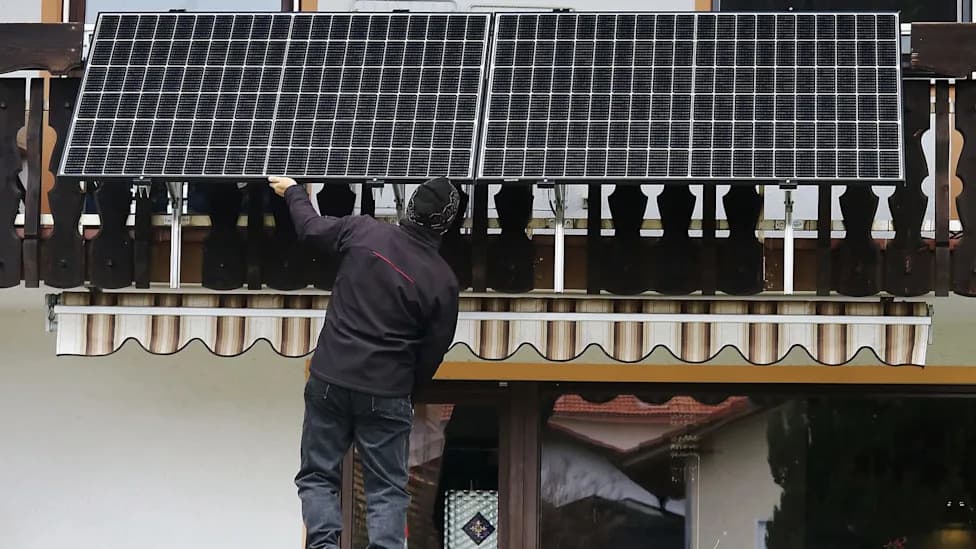
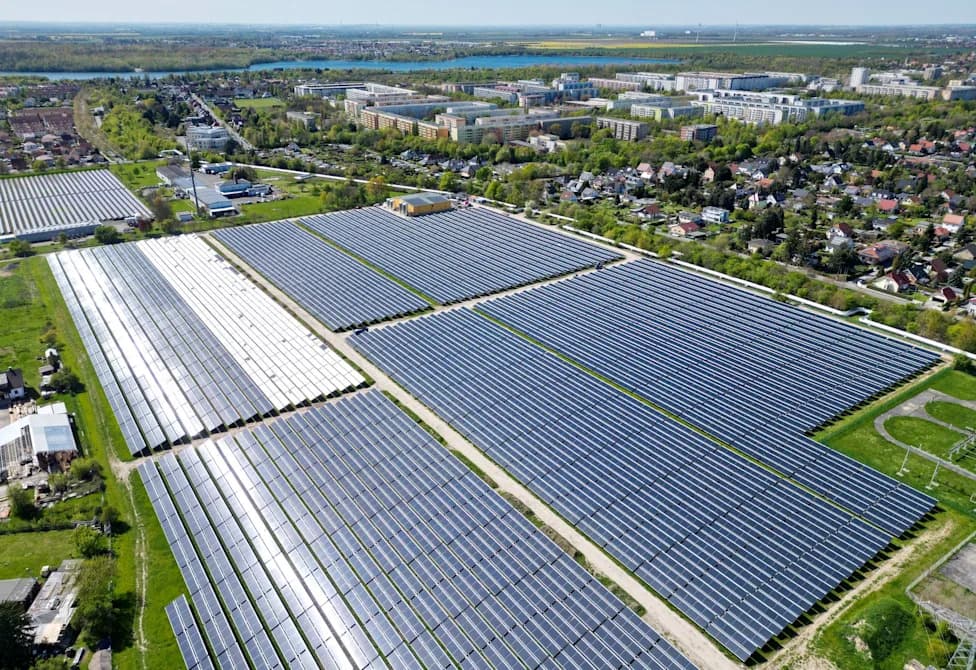
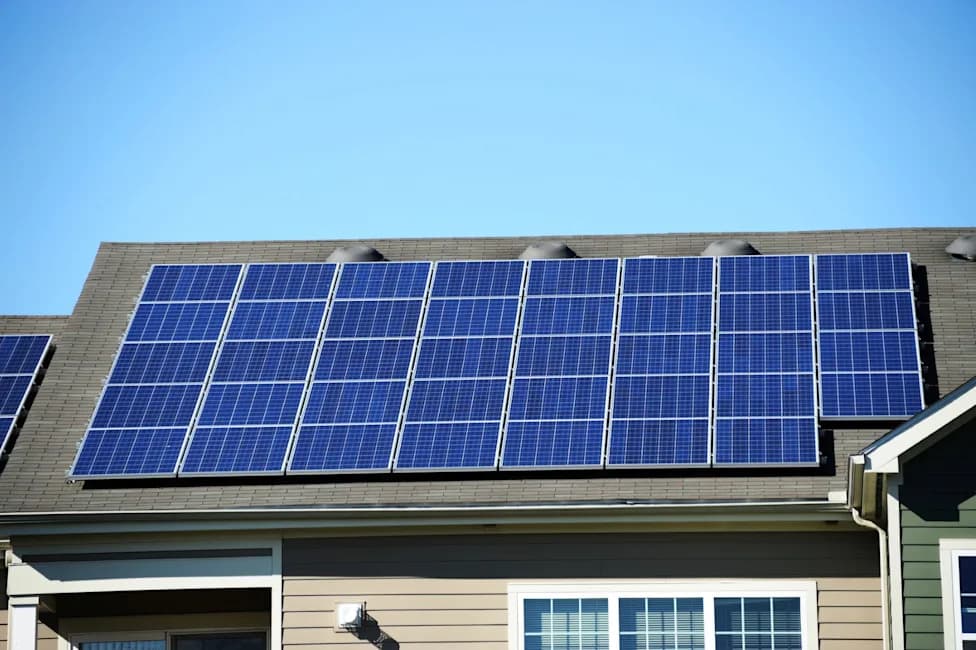
Across California, utility-scale solar farms and rooftop panels together produced 51% of the state’s electricity in May. Energy think tank Ember identifies California as the world’s first major economy to exceed a 50% monthly share from solar. By comparison, Hungary reached 47% in June 2025, though its economy is much smaller than California’s.
Solar Displacing Fossil Fuels
The rise of solar has materially reduced the role of polluting fuels in California’s power mix. Natural gas remains the only fossil fuel burned at meaningful levels, and solar has been steadily displacing it. Notably, solar outproduced natural gas in every month of 2026 leading up to May, underscoring the scale of the shift.
How Batteries Made It Possible
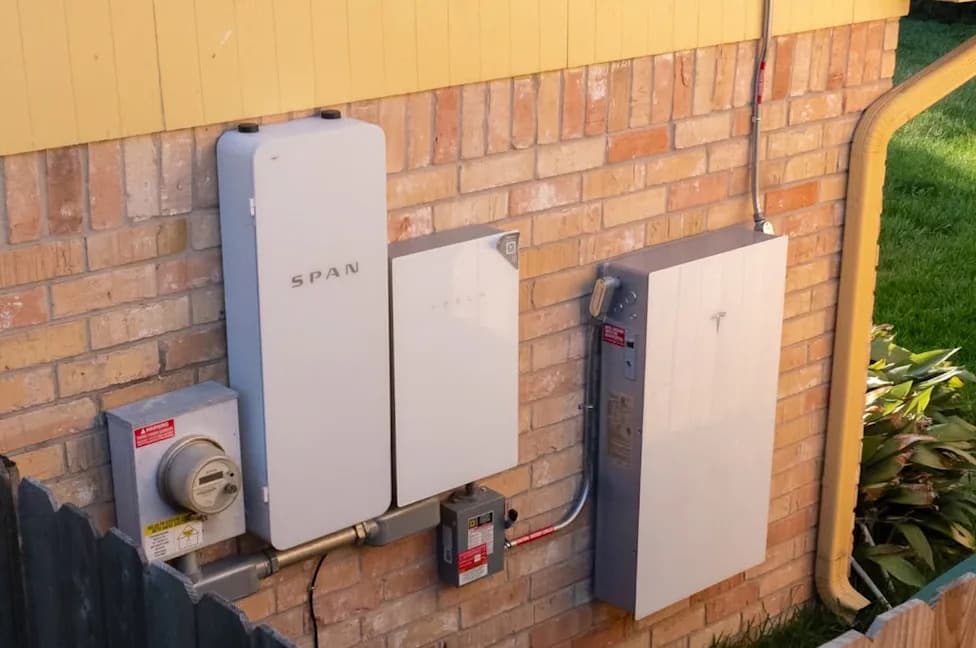
The surge in solar generation was enabled by a rapid expansion of battery energy storage. The California Independent System Operator (CAISO), which manages most of the state’s grid, now oversees roughly 16 gigawatts (GW) of battery capacity. Those batteries shift abundant midday solar output into the evening and, during parts of the night, can supply more than one-quarter of the state’s electricity demand.
A Decade Of Rapid Change
A decade ago, solar’s best month produced only about 17% of California’s electricity, and CAISO’s battery fleet totaled roughly 61 megawatts (MW). Measured against today’s ~16 GW, storage capacity has increased by about 26,130% over ten years — a dramatic indicator of how quickly the system has transformed.
What Comes Next
Given current deployment trends for both solar and storage, it’s likely California will record additional months with solar above 50% in the near future. Observers also expect other U.S. states and countries to hit the halfway mark as renewables and batteries continue to scale.
Note on Sources: Figures cited here are based on reporting and analysis from Canary Media and the Ember think tank, and capacity and generation numbers refer to CAISO territory where specified.
Sponsored Note
Canary Media’s "Chart of the Week" series is supported by Amazon. Amazon’s sustainability efforts seek to pair data-driven targets with large-scale action to reduce environmental impact.
Help us improve.