Sen. Richard Blumenthal accused President Trump of exploiting regulatory gaps in the cryptocurrency market and called the Clarity Act insufficient. He urged mandatory divestment of digital assets by the president, his family and other covered officials. Republicans proposed updated ethics language requiring divestment or blind trusts, but Democrats, including Sen. Elizabeth Warren, say the draft still falls short. Polymarket places the bill's 2026 odds at about 32%.
Blumenthal Says Trump Is Exploiting Crypto Loopholes — Demands Mandatory Divestment

Trump 'Exploiting' Crypto's Legal Loopholes and Enforcement Weakness, Says Richard Blumenthal: Demands First Family Divest All Digital Assets
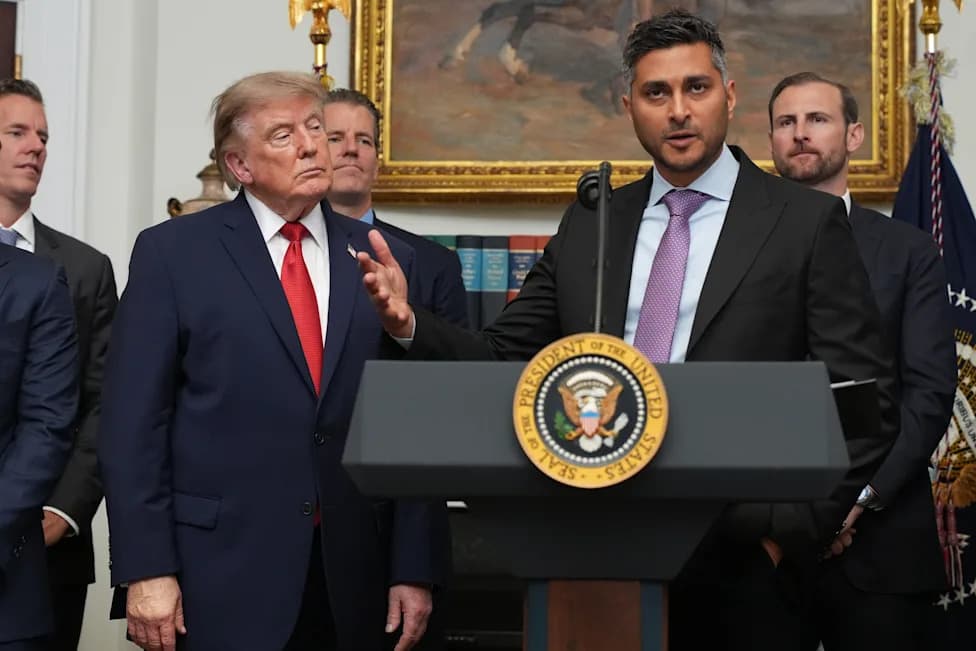
Sen. Richard Blumenthal (D-Conn.) on Tuesday accused President Donald Trump of taking advantage of regulatory gaps in the cryptocurrency market and warned that the current version of the Clarity Act does not do enough to stop potential abuses.
Blumenthal, the Ranking Member of the Senate Permanent Subcommittee on Investigations, posted a video of remarks on X (formerly Twitter) from a public forum about alleged cryptocurrency-related corruption involving the president. He said that crypto exists in an "enforcement nether world" governed by laws that were not designed to prevent digital-asset abuses.
"Crypto is now in a kind of enforcement nether world where we depend on laws that were not designed to protect against crypto abuses." — Sen. Richard Blumenthal, X post, July 28, 2026
In his post and remarks, Blumenthal called for stronger safeguards rather than what he described as "smokescreen steps" in the Clarity Act. He urged that, as an immediate measure, President Trump, members of his family and other covered federal officials should be required to divest all digital assets.
Where the Clarity Act Stands
The Senate has moved consideration of the Clarity Act to the back burner, focusing its final pre-recess days on federal nominations and a Russia sanctions bill. The chamber is scheduled to break for recess on Aug. 8, and as of this reporting the bill still lacks the votes needed to advance.
Last week, Senate Republicans released an updated draft of the Clarity Act that adds new ethics provisions. The draft would prohibit federal officials, including the president and vice president, from "issuing or sponsoring" digital assets for profit while in office. It would also require covered officials to either divest cryptocurrency holdings and investments in crypto ventures, place those assets in a blind trust they do not control, or do both.
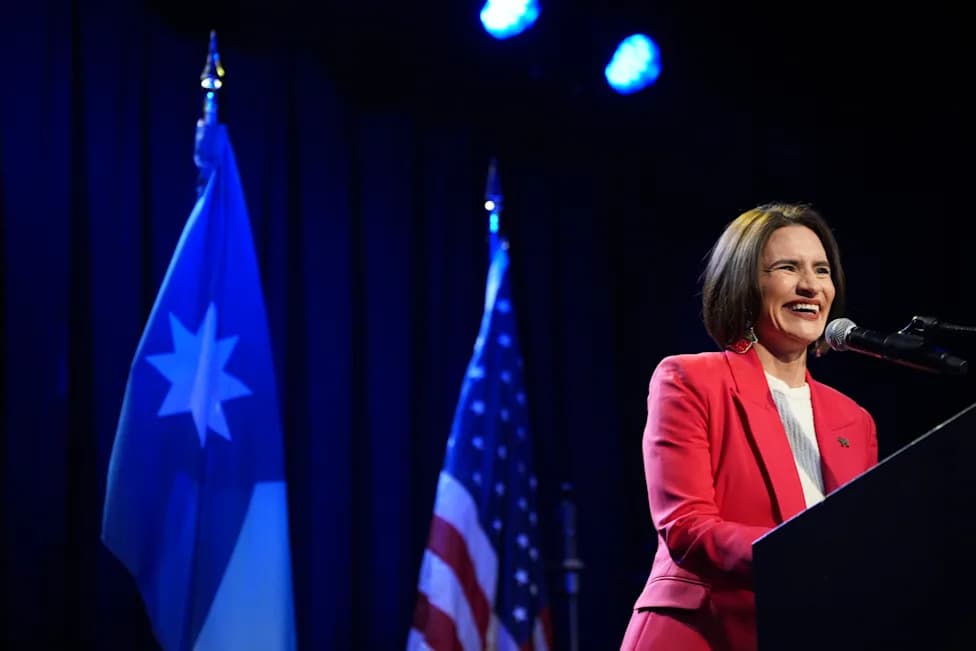
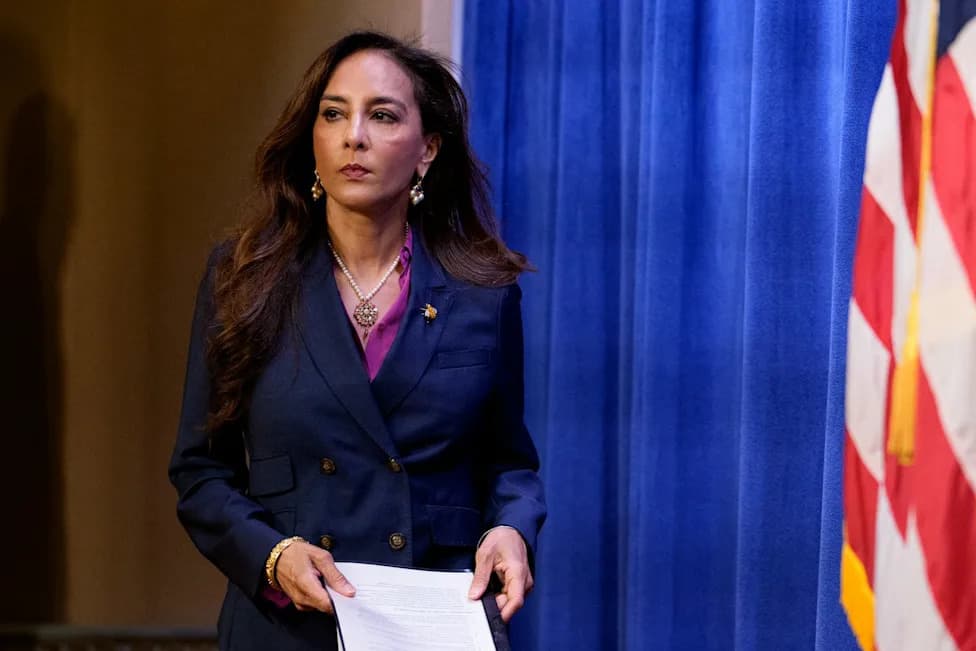
Senate Democrats, who spent months negotiating the bill, say the latest text still "falls short" on ethics and conflicts-of-interest protections. Sen. Elizabeth Warren (D-Mass.) has specifically criticized the updated draft for not fully addressing what she describes as the potential for cryptocurrency profiteering.
Market-odds platform Polymarket estimated the chance of the bill becoming law in 2026 at about 32% at the time of reporting, down from roughly 47% a week earlier.
Context: The debate over the Clarity Act highlights broader tensions around how to regulate digital assets, where rapid innovation has often outpaced existing statutes and enforcement mechanisms. Lawmakers on both sides are grappling with how to address conflicts of interest, transparency and consumer protection without stifling legitimate development.
Photo courtesy: Joey Sussman / Shutterstock.com. This article originally appeared on Benzinga; some linked content may generate revenue for the publisher.
Help us improve.