California’s climate agenda consists of overlapping mandates and fees that critics say saddle residents with significant costs while offering limited measurable global benefits. Key estimates put the Low Carbon Fuel Standard at about $0.17/gal and cap-and-trade at $0.25/gal (with higher potential costs at statutory ceilings), and renewable mandates could raise system costs ~6%. Because California represents under 1% of global emissions, the author urges evidence-based policymaking, greater accountability and an orderly wind-down of statewide programs unless they can demonstrate clear cost-effective results.
California’s Climate Rules: High Costs, Unclear Global Impact — A Case for Reassessment

California has layered a wide array of climate policies — cap-and-trade, the Low Carbon Fuel Standard (LCFS), renewable electricity mandates, strict vehicle rules, building-electrification requirements, methane limits and land-use changes — into a regulatory framework that touches nearly every aspect of daily life. Critics argue the cumulative cost of these measures is large while the demonstrable global climate benefit from one state acting alone is limited.

Marathon Petroleum's Los Angeles refinery is the largest one on the West Coast. Getty Images
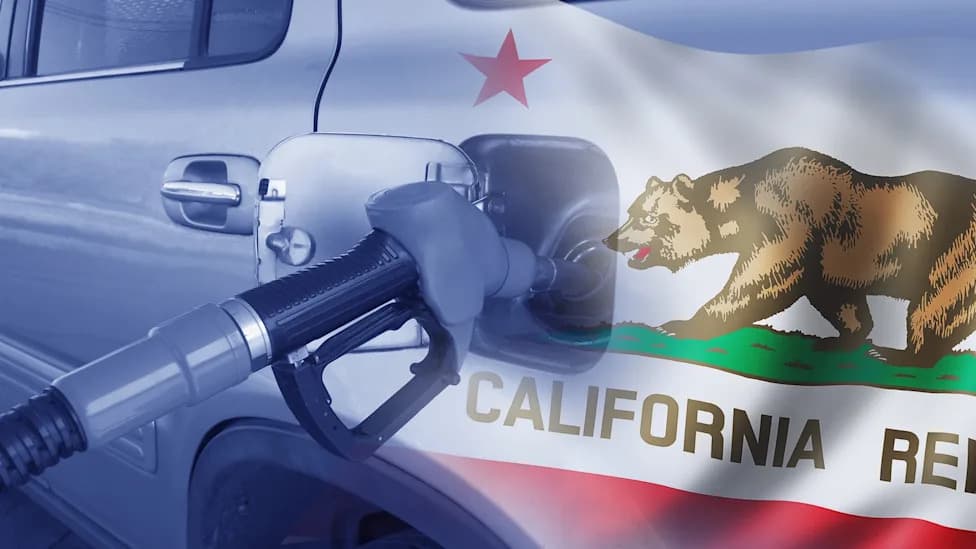
How Much Do These Policies Cost? In January 2026 the California Energy Commission estimated the LCFS adds about $0.17 per gallon at the pump and cap-and-trade about $0.25 per gallon — roughly $0.42 extra each time motorists refuel. The Legislative Analyst’s Office (LAO) has warned that if allowance prices reach their statutory ceiling, cap-and-trade could add roughly $0.74 per gallon and cost the average household about $700 a year. Meanwhile, a 60% renewable portfolio mandate by 2030 and a zero-carbon electricity target by 2045 are projected to raise system costs by roughly 6% before those costs filter into consumer prices.

Gov. Gavin Newsom is introduced at the National Association of Latino Elected and Appointed Officials conference in Los Angeles. AP Photo/Jae C. Hong
Effectiveness Versus Accountability Science can measure atmospheric carbon and warming trends, but it does not prescribe the exact taxes, fees or mandates a society should accept. Those are political judgments that require public justification. The LAO has said it cannot point to a reliable study isolating cap-and-trade’s effect alone on emissions reductions — a gap that fuels calls for clearer evidence before imposing recurring costs on households and businesses.
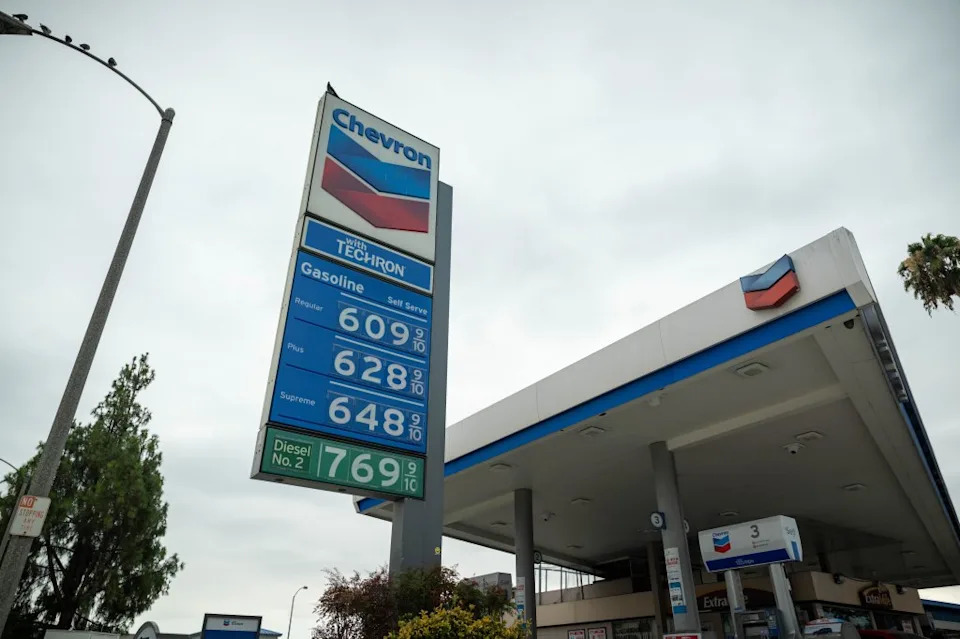
Gasoline and diesel prices displayed on a Chevron gas station sign in Pasadena. Weston Hancock/SOPA Images/Shutterstock
"Proof should come before the bill," the author argues — that lawmakers should demonstrate a regulation’s effectiveness before charging residents for it.
Scale Matters California produces less than 1% of global human-caused carbon emissions. That fact does not invalidate state-level action, but it does frame the likely direct impact of unilateral state measures on global temperature trends. Critics contend that asking Californians alone to underwrite a global mitigation strategy is an inequitable burden if the world does not follow suit.
Costs Beyond the Pump Mandates and standards affect housing, appliances, manufacturing and transportation. Opponents say these policies contribute to an affordability crisis — higher housing costs, rising energy bills and greater expense at the pump — while proponents argue the long-term benefits of lower emissions and cleaner air justify up-front costs.
A Call For Reassessment The article’s author recommends winding down statewide programs such as cap-and-trade and the LCFS with orderly timelines and genuine transition periods where needed, rather than layering additional mandates. The core recommendation is procedural: require stronger proof of effectiveness, mandate cost-benefit transparency, and prioritize policies that demonstrably reduce emissions per dollar spent.
Who Wrote This? The opinion is by Jon Fleischman, a longtime California political strategist, originally published at SoDoesItMatter.com.
Help us improve.