Eleven-year-old Tayden Franklin is spending his summer training to become one of the youngest certified welders in the U.S., and he hopes his story will inspire other young people to consider careers in the skilled trades.
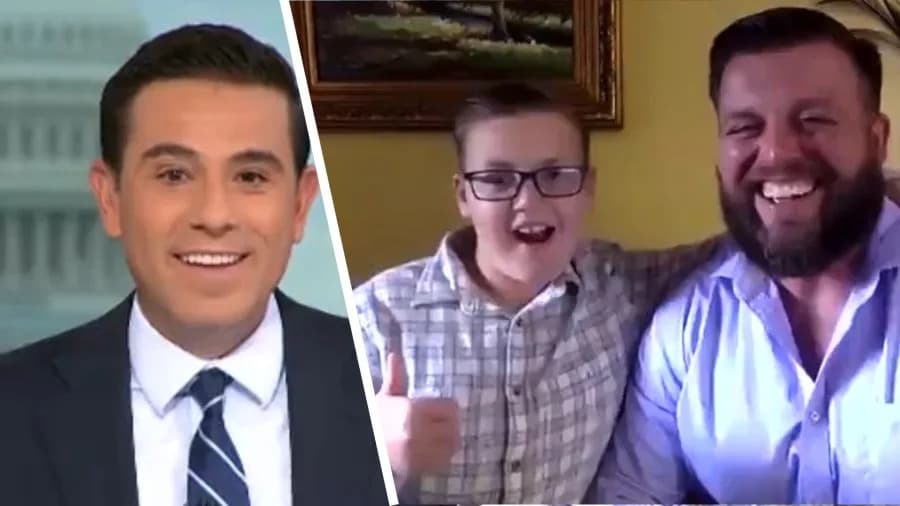
Tayden and his father, Brandon, appeared on "The Hill on NewsNation" to talk with host Blake Burman about the boy's interest in welding, his learning process, and why the trade appeals to him.
"I wouldn't say it was hard, but now that I actually have more skills I can work with, it's not as hard," Tayden said. "The only really hard part is just dealing with burns, which that's fine. It's not a problem at all, to be honest."
Welding And The Technology Build-Out
Welding is increasingly important as technology companies expand physical infrastructure for artificial intelligence and data centers. The American Welders Society projects that roughly 320,000 new welding professionals will be needed across the U.S. by 2029, creating a strong demand for trained workers. Major tech firms, including OpenAI, Meta, Google and Microsoft, have begun investing in skilled-trade training programs to help meet that need.
Hands-On Learning At Home
Tayden is homeschooled by his father, which, Brandon says, gives them flexibility to pursue hands-on skills and experiences outside the traditional classroom.
"We take a different approach to things," Brandon said. "We open those doors to create an environment for him to really open up the world to him and see what's out there, among many other things besides welding."
Alongside welding, Tayden enjoys a wide range of creative and adventurous activities: stop-motion animation, cardboard crafting, building with Legos and scuba diving. He has also written a sci-fi book titled They Were Always There, a story about mysterious beings and one man's quest to understand them.
Looking ahead, Tayden plans to continue building skills: after getting his welding certification he is learning to fly and hopes to earn a pilot's license.
Why this matters: Tayden's story illustrates how early exposure, practical learning and family support can open pathways into skilled trades that are poised for growth as the economy invests in physical infrastructure for AI and other technologies.